REVIEW · SEOUL
DIY Seoul Private Tour: Select 4 places you want to go
Book on Viator →Operated by PLK TRAVEL · Bookable on Viator
Four stops, one perfect Seoul day. This DIY-style private tour lets you pick four places in Seoul, then a driver-guide handles routing in a private air-conditioned vehicle. Along the way, you can mix big sights with food streets and parks, with entry fees handled for select locations.
I like the flexibility. You can adjust the order and focus on what matters to you, and the better guides also help you line up timing details (like palace moments) and practical meal ideas. I also like the human factor: guides such as Joseph Hwang, John, Leo, Sebastian, and Jimmy show up repeatedly in feedback for clear English, friendly pacing, and the ability to keep the day calm and moving.
One possible drawback: four stops sounds roomy until you start mapping them. If you choose far-flung areas plus long walking (palaces and old-town lanes), you’ll feel the clock faster than you expect.
In This Review
- Quick hit highlights before you plan your day
- How the DIY private format works in Seoul
- Price and value: is $183 per person worth it?
- Choosing your four stops: the smart way to mix Seoul
- Pair neighborhoods with one anchor sight
- Keep geography in the same time-zone of the city
- Be honest about walking
- Itaewon and Garosu-gil: street-level Seoul without the museum mood
- Stop 1: Itaewon (Gyeongnidan-gil)
- Stop 2: Garosu-gil (Sinsadong Garosu-gil)
- Royal palaces: Gyeongbokgung, Changdeokgung, and Changgyeonggung
- Stop 3: Gyeongbokgung Palace
- Stop 4: Changdeokgung Palace
- Stop 5: Changgyeonggung Palace
- Hanok villages: Bukchon and Ikseon-dong for that old-meets-new feeling
- Stop 10: Bukchon Hanok Village
- Stop 11: Ikseon-dong Hanok Street
- Cheonggyecheon Stream and Yeouido: Seoul’s best “walk break”
- Stop 7: Yeouido Hangang Park
- Stop 13: Cheonggyecheon Stream
- Stop 8: Seoul Forest
- Seoul Botanical Garden: where your day gets calmer
- Stop 9: Seoul Botanical Garden
- Insadong and markets: where you can shop, snack, and browse
- Stop 12: Insadong
- Stop 22: Gwangjang Market
- Stop 23: Mangwon Market
- Design and big malls: DDP, COEX, The Hyundai, and Myeongdong
- Stop 14: Dongdaemun Design Plaza (DDP)
- Stop 15: Starfield COEX Mall
- Stop 16: The Hyundai Seoul
- Stop 17: Myeongdong Shopping Street
- Art and museums when you want Seoul to slow down
- Stop 18: Seoul Museum of Art (SeMA)
- Stop 19: National Museum of Korea
- Temples and history sites: Jogyesa and Bongeunsa
- Stop 20: Jogyesa Temple
- Stop 21: Bongeunsa Temple
- War Memorial and museums: serious, but managed with a guide
- Stop 24: The War Memorial of Korea
- Food reality check: lunch is on you
- What to expect from the driver-guide (and why it matters)
- Weather, timing, and keeping the day comfortable
- Should you book this DIY Seoul private tour?
- FAQ
- Can I choose which four places I want to visit?
- Is pickup included?
- How long is the tour?
- Are admission tickets included?
- Is lunch included in the price?
- What is the cancellation policy?
Quick hit highlights before you plan your day
- Pick your four stops from a long Seoul menu, so the day fits your interests
- Private A/C transport with pickup means less hassle than hopping between multiple trains
- Included admissions for key sights like Gyeongbokgung and Changdeokgung palaces (plus Seoul Botanical Garden)
- Driver-guide flexibility can help reorder stops and reduce wasted time
- Many options are free-entry, so you can spend more time on the streets
- Mobile ticket included, which helps you keep things simple on-site
How the DIY private format works in Seoul
This is a true private day, not a bus-group day. You choose four places you want to see, and then you go for a walk-and-glance pace inside that “limited vacation time” window.
What makes it feel different from a standard tour is the mix of roles. The driver is also your tour guide, which matters because Seoul is easy to love and also easy to get turned around in. You’re not just being driven—you’re getting help with what to see, how to time it, and what to skip if you’re running late.
A few practical perks are built in:
- Private transportation (so you’re not waiting on strangers)
- Pickup offered
- Mobile tickets
- A group discount if you’re traveling with others and want the price to soften
This also helps first-timers. If it’s your first Seoul trip, you’ll likely appreciate not having to figure out every “best entrance,” “best side of the street,” or “how long does this area actually take?”
You can also read our reviews of more private tours in Seoul

Price and value: is $183 per person worth it?
At $183 per person for about 8 to 9 hours, you’re paying for three things: private transport, a guide who drives and helps, and admission for specific stops.
Is it a deal? It can be, especially if:
- You want multiple districts in one day and hate transit transfers
- You’re paying full price for palaces or museums on your own and you’d rather have someone map the flow
- You care about pacing. A private day lets you linger in the places you like and move on when you don’t
If your style is “I’ll just walk around and figure it out,” then this may feel like overkill. But if you want that first-day ease—especially for palaces and major attractions—private day value tends to show up fast.
One more point: this kind of tour is often booked ahead (around 34 days on average). If you’re traveling during a busy season, booking earlier gives you a better chance of getting the timing you want.
Choosing your four stops: the smart way to mix Seoul
The provider’s list is wide, but your four slots are where you make it work. Here’s how I’d think about it:
Pair neighborhoods with one anchor sight
Pick one “anchor” that takes real attention (palaces, museums, temples). Then pair it with a neighborhood street or food-and-shopping area.
Example themes you can build:
- Palace + old-town lanes + calm walk: Gyeongbokgung, Bukchon Hanok Village, then Cheonggyecheon Stream
- Design + modern Seoul: Dongdaemun Design Plaza (DDP), Starfield COEX Mall, then a quick shopping stop like Myeongdong
- Temples + Gangnam-area culture: Bongeunsa Temple, then a nearby modern stop, plus one market for food
- Markets + parks: Gwangjang Market or Mangwon Market, then Yeouido Hangang Park for a breather
Keep geography in the same time-zone of the city
Seoul is big, and “big” in a city means travel time adds up. If you pick one stop in the west of town and another across town, you’ll burn part of your day just commuting in the private car.


Be honest about walking
Palaces and hanok neighborhoods involve stairs, uneven ground, and lots of time spent moving between photo angles. If you’re traveling with parents, kids, or anyone who tires easily, choose fewer palace-heavy stops.
Itaewon and Garosu-gil: street-level Seoul without the museum mood
Stop 1: Itaewon (Gyeongnidan-gil)
In Itaewon, the focus is Gyeongnidan-gil, a trendy street shaped by international residents. Expect a lively, cosmopolitan feel, with restaurants, bars, and casual nightlife energy.
Why it works in a private day: it’s easy to enjoy without a long ticket line or a “guided lecture.” You can spend your hour wandering, grabbing a snack, and getting oriented to Seoul’s more global side.
Possible drawback: it can also feel like a lot of street choices. If you don’t want to spend time deciding where to eat, ask your guide for a shortlist.
Stop 2: Garosu-gil (Sinsadong Garosu-gil)
Garosu-gil is known for upscale storefronts and coffee stops, plus designer shopping. The street has an artistic vibe, and that mix is why people like it for a relaxed stop.
What you’ll enjoy: strolling without feeling like you must “hit every point.” It’s a good place to slow down and watch Seoul life.
Possible drawback: it’s not a history stop. If you’re on a strict “palaces only” mission, this one may feel too lifestyle-focused.
Royal palaces: Gyeongbokgung, Changdeokgung, and Changgyeonggung
Stop 3: Gyeongbokgung Palace
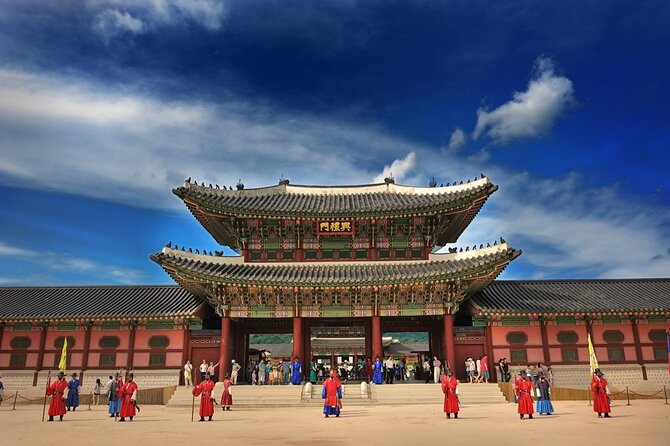
Gyeongbokgung is the main palace of the Joseon Dynasty, right in central Seoul. The meaning behind the name matters here: Grand palace tied to a blessing from heaven.
This is one of the best choices if you want a real “wow” moment that looks impressive even in the middle of a busy day. Tickets are included, which saves you time and cash compared with planning on your own.
One practical tip based on real day pacing: ask your guide to help with timing for the changing of the guard ceremony at Gyeongbokgung. In Seoul, timing can be everything, and a good guide knows how to make that moment happen without turning your day into chaos.
Possible drawback: it’s a lot of walking and open spaces. If the weather turns, you’ll feel it.
Stop 4: Changdeokgung Palace
Changdeokgung is a UNESCO-recognized palace and the second royal villa built after Gyeongbokgung. It’s a strong choice if you want palace architecture plus a slightly calmer feel than the biggest crowds.
Tickets are included. That makes this stop feel efficient—especially if you’re pairing it with old-town neighborhoods afterward.
Possible drawback: your one-hour visit can be “just enough” depending on your walking pace. If you’re a slow explorer, consider pairing it with a less exhausting companion stop.
Stop 5: Changgyeonggung Palace
Changgyeonggung began as Suganggung Palace during King Sejong’s era, built for the retiring father King Taejong. In the real world, that translates into a different mood—more “palace quarters” than “grandstage.”
Tickets are included here too. This makes it a good “third palace option” if you want variety in royal sites without leaving you with nothing else to do.
Possible drawback: if you’re already doing Gyeongbokgung and Changdeokgung, this can turn into palace overload unless you keep your walking pace steady.
Hanok villages: Bukchon and Ikseon-dong for that old-meets-new feeling
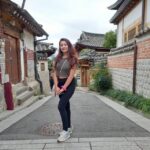
Stop 10: Bukchon Hanok Village
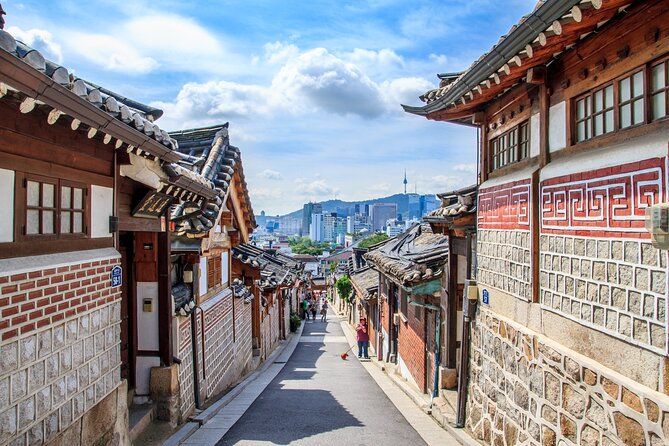
Bukchon sits around major landmarks like Gyeongbokgung Palace and Changdeokgung Palace, plus Jongmyo Shrine. It’s packed with hundreds of hanok (traditional houses), including areas that date back to the Joseon period.
This is one of the best Seoul choices for “I want to see the architecture up close.” Since admission is free, you control how much you wander.
Possible drawback: it can be busy in popular lanes. Also, depending on your route, you might hit steep bits, so good shoes matter.
Stop 11: Ikseon-dong Hanok Street
Ikseon-dong mixes modern and traditional in a neighborhood of narrow alleys and unique cafes. It’s often described as trendy and artsy, with hanok textures around hip shopping and small eateries.
It’s a great pairing with Bukchon if you want to shift from “heritage photo mode” to “street snack and browse mode.”
Possible drawback: it’s easy to turn one hour into “we still want more.” If you’re trying to fit in temples, streams, and markets too, set a time expectation early.
Cheonggyecheon Stream and Yeouido: Seoul’s best “walk break”
Stop 7: Yeouido Hangang Park
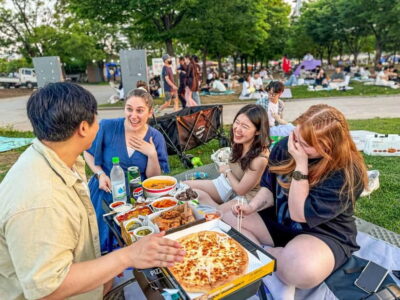
Yeouido is tied to Seoul’s politics, media, and finance center, and Hangang Park is a classic stretch near the Han River. It’s popular for events, including cherry-blossom seasons.
Why it works: it’s a breather after palaces or museums. You get open air, room to stroll, and it’s more forgiving than constant sightseeing.
Possible drawback: it’s weather-dependent in a straightforward way. If it’s hot, you’ll want shade breaks.
Stop 13: Cheonggyecheon Stream
Cheonggyecheon is an 11 km-long stream through downtown Seoul, created as part of an urban renewal project that restored a stream that once existed. It’s free-entry, so you can treat it like a flexible connector between stops.
Why you’ll like it: it breaks up “all indoors” days and gives you scenic variety without tickets.
Possible drawback: because it’s downtown, crowd density can swing up and down. Your guide can help you choose the most comfortable sections for your hour.
Stop 8: Seoul Forest
Seoul Forest sits between Jungnangcheon Stream and Hangang River. It opened in 2005 and is a favorite park for locals. The park includes parts like a Culture & Art Park and educational areas.
Free entry makes it low-pressure and easy to enjoy.
Possible drawback: if you’re short on time and your “energy budget” is low, a park stop can feel slower than a food street or museum.
Seoul Botanical Garden: where your day gets calmer
Stop 9: Seoul Botanical Garden
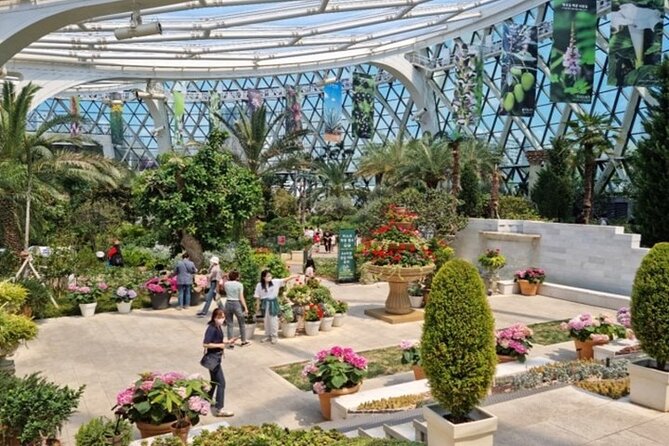
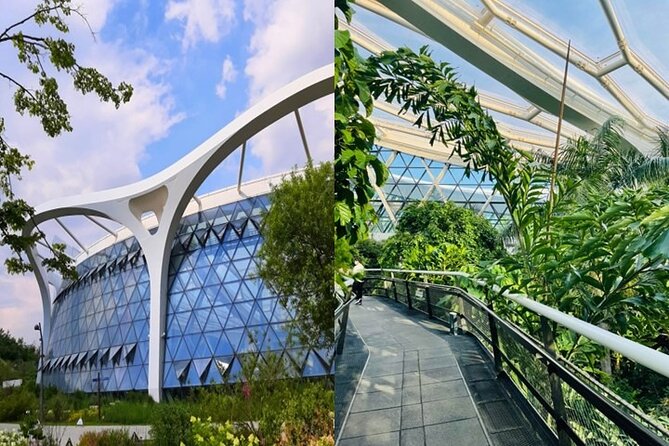
This is one of the few “ticketed nature” options on the list, with admission included. You’ll see outdoor theme gardens that recreate Korean traditional-style gardens with native plants, plus a greenhouse featuring plants from tropical and Mediterranean cities.
Why it works in a private day: it adds variety without forcing you to commit to a full-day nature escape.
Possible drawback: one hour can be a fast scan rather than a slow soak. If you love plants, you might want more time than the fixed slot allows.
Insadong and markets: where you can shop, snack, and browse
Stop 12: Insadong
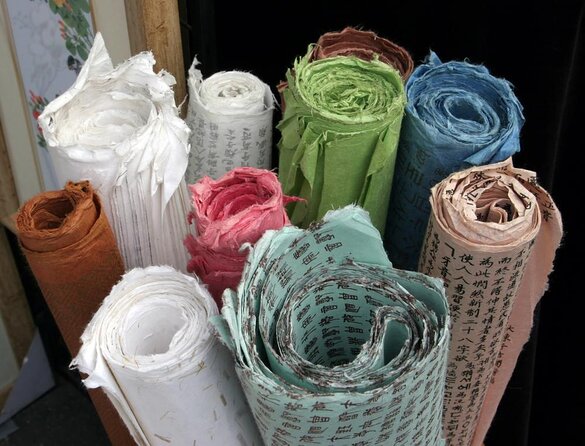
Insadong is built on alleys full of galleries, traditional restaurants, teahouses, and cafes. This is a strong place to shop thoughtfully—souvenirs, crafts, and art—without feeling like every store is the same.
Admission is free, so you can also treat it like an add-on zone for time flexibility.
Possible drawback: it’s a popular tourist area, so you’ll likely deal with crowds. This is another spot where the right pacing matters.
Stop 22: Gwangjang Market
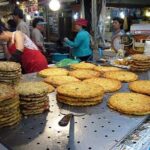
Gwangjang Market is described as the first permanent market in Korea and it’s still going strong. It’s over 100 years old and remains a favorite for both locals and visitors.
Why it’s valuable: markets turn your day into food and atmosphere, and they’re easy to do with a guide who can steer you toward what fits your taste.
Possible drawback: markets are social and busy. If you prefer quieter stops, you may want to spend less time inside and more time sampling.
Stop 23: Mangwon Market
Mangwon Market in Mapo-gu is described as loved by young locals, with many food alleys and streets that feel local rather than purely tourist-oriented.
This is a great choice if you want less “classic postcard Seoul” and more street-level daily life.
Possible drawback: if you’re only after major landmarks, this may not scratch that itch.
Design and big malls: DDP, COEX, The Hyundai, and Myeongdong
Stop 14: Dongdaemun Design Plaza (DDP)
DDP hosts exhibitions, fashion shows, forums, and events, with the building complex divided into sections named Allimteo, Beaumteo, and others. It’s a good choice for design fans and for people who like modern Seoul architecture.
Admission is free in the information you have, which helps you fit it in without ticket math.
Possible drawback: the experience depends on what’s happening when you visit. If there’s no major exhibition you’re excited about, you might treat it as an architecture walk and exterior photos.
Stop 15: Starfield COEX Mall
Starfield COEX Mall blends fashion, food, culture, entertainment, and the well-known Starfield Library space. It’s convenient if you want comfort-level indoor time during weather swings.
Free entry helps, and it’s often a good “recharge” stop in the middle of a packed day.
Possible drawback: malls can eat time fast if you start browsing shops.
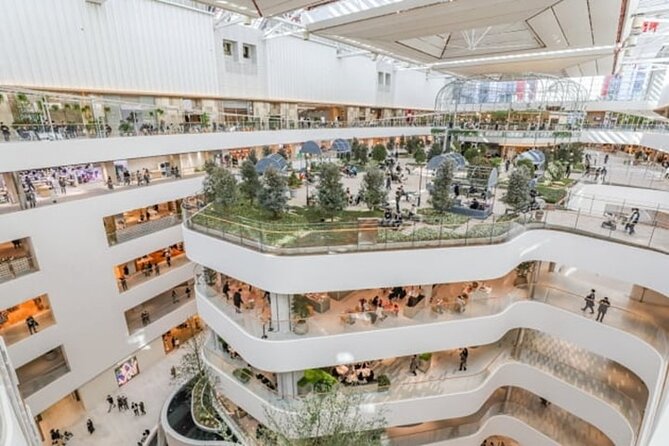
Stop 16: The Hyundai Seoul
The Hyundai Seoul focuses on designer labels and a multi-level shopping setup. If you care about high-end brands, this is the kind of stop you’ll recognize immediately.
Free admission makes it easier to add without committing to tickets.
Possible drawback: it can feel expensive and “window-shoppy” if you’re not buying.
Stop 17: Myeongdong Shopping Street
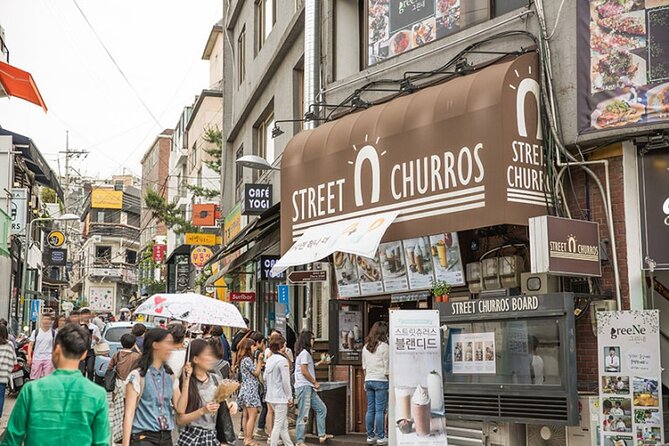
Myeongdong is one of Seoul’s main shopping districts, with many clothes, shoes, and accessories along streets and alleys.
Why it’s useful: it’s a great place for quick shopping hits and easy browsing.
Possible drawback: it’s also busy. If you hate crowds, you’ll want to keep your time tight.
Art and museums when you want Seoul to slow down
Stop 18: Seoul Museum of Art (SeMA)
SeMA has multiple exhibition halls, plus public educational space and a library with art-related materials. Admission is listed as free-entry, which is a rare bonus for art stops.
Why it’s smart: this gives you a break from street walking and gives context behind what you’re seeing around the city.
Possible drawback: art exhibits change, and one hour can feel like a skim if you like to read and linger.
Stop 19: National Museum of Korea
This museum includes over 420,000 artifacts spanning ancient to modern times. It’s a big-picture stop that can connect the dots between palaces, religion, and modern Korea.
Admission is free in your options list. That makes it a high-value choice if you want learning without entry costs.
Possible drawback: it’s massive. If you love museums, one hour might feel like you’re scratching the surface.
Temples and history sites: Jogyesa and Bongeunsa
Stop 20: Jogyesa Temple
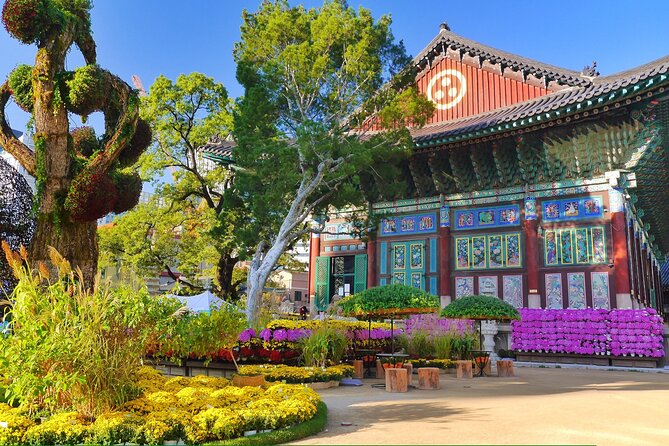
Jogyesa is a major Buddhist temple and the head temple of the Jogye order. The site’s history includes a destruction by fire and later rebuilding, which gives it weight beyond just the current architecture.
Admission is free-entry.
Possible drawback: if you’re expecting a tourist-compact experience, it can still involve time moving through interior spaces and courtyards.
Stop 21: Bongeunsa Temple
Bongeunsa is located north of COEX in Gangnam. It traces back to the Silla period and received refurbishment linked to Queen Jeonghyeon.
Admission is free-entry here too.
Why it’s useful: it balances out the modern shopping and mall areas nearby, so you don’t feel stuck in one Seoul mood.
Possible drawback: it can be a quieter, slower stop than markets or shopping streets.
War Memorial and museums: serious, but managed with a guide
Stop 24: The War Memorial of Korea
The War Memorial of Korea holds about 33,000 artifacts. It’s designed to commemorate patriotic sacrifice and it can be an emotionally heavy stop.
Why it’s worth considering: it gives context that you don’t get just from palaces and streets.
Possible drawback: plan your mental energy. Pair it with something lighter afterward, like a stream walk or a park.
Food reality check: lunch is on you
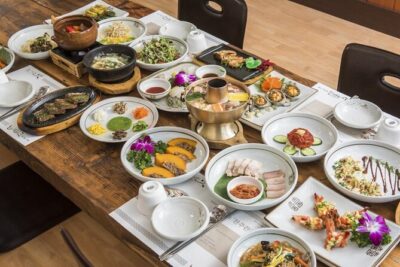
Lunch is not included. That sounds obvious, but it matters because one good meal can make your whole day feel better.
The best approach is simple: tell your guide what you want and what you don’t want, and let them aim you toward a practical local option. In feedback from prior visitors, guides like John have helped line up lunch suggestions such as gom tang (ox bone soup)—the kind of meal that fits a tired sightseeing body.
What to expect from the driver-guide (and why it matters)
This tour is private, but the real difference is how the guide handles your day. You can feel it in small things:
- clear English communication
- keeping you on time without rushing
- adjusting the route when your priorities shift
Several guides get mentioned for these exact traits, including Joseph Hwang (strong English and smooth day flow), Sebastian (friendly and calm, with help for currency and ordering food), and Mr. Tiger (funny with a strong command of Korean history and culture). Eddie also gets referenced for customizing the experience to a traveler’s pace, while Leo and Taylor are praised for flexibility and accommodating small itinerary tweaks.
In other words, this isn’t just “drive me around.” You’re hiring a person who can turn Seoul from a checklist into a plan that actually makes sense.
Weather, timing, and keeping the day comfortable
The experience requires good weather. If it gets canceled due to poor weather, you’ll be offered a different date or a full refund. That’s your signal to keep your schedule flexible and pack for changes.
Your biggest timing challenge is always the same in Seoul: mixing tickets, walking, and crowd-heavy areas. When you choose your four stops, try to avoid stacking three big walking zones back-to-back unless you really love walking.
A private car helps. Still, don’t treat the day like teleportation. If you pick far-apart districts, you’ll feel it.
Should you book this DIY Seoul private tour?
I’d book it if you:
- want four specific places instead of a fixed group route
- care about comfort and time-saving with a private A/C vehicle
- like the idea of having a guide who can explain what you’re seeing and help with day tweaks
- want tickets handled for major stops like Gyeongbokgung, Changdeokgung, Changgyonggung, and Seoul Botanical Garden
I’d skip it (or reduce expectations) if you:
- mostly want to wander freely with no structure
- plan to visit only a single neighborhood and nothing ticketed
- hate the idea that choosing four stops means saying no to other options
If your goal is an efficient first Seoul day or a targeted second visit, this fits nicely. You bring the taste. The guide handles the city math.
FAQ
Can I choose which four places I want to visit?
Yes. The tour is built around selecting four destinations or points of interest you want to see, and the guide helps plan the day around those picks.
Is pickup included?
Pickup is offered as part of the experience, and you travel by private transportation in an air-conditioned vehicle.
How long is the tour?
The duration is about 8 to 9 hours.
Are admission tickets included?
Tickets are included for the designated stops listed with included admission, such as palaces (Gyeongbokgung, Changdeokgung, Changgyeonggung) and Seoul Botanical Garden. Other listed stops are marked as free admission.
Is lunch included in the price?
No. Lunch is not included.
What is the cancellation policy?
You can cancel for a full refund up to 24 hours in advance. If you cancel less than 24 hours before the start time, the amount paid is not refunded. The experience also requires good weather; if it’s canceled due to poor weather, you’ll be offered a different date or a full refund.