REVIEW · SEOUL
DMZ One Day Tour in Gyeonggi-do with English or Spanish
Book on Viator →Bookable on Viator
A day trip to the DMZ is never just sightseeing. This one moves at a steady pace with certified English/Spanish guides and includes key stops like Imjingak Pyeonghoa-Nuri Park and the 3rd Infiltration Tunnel, all wrapped in a 9-hour group format with air-conditioned transport. I like that you’re not stuck reading signs on your own, and you get guided context as you move through the sights.
Two things I especially like here: the guided tunnel visit (you go in until the limited area) and the Dora Observatory views from Dorasan (Mount Dora) on the South Korean side of the 38th parallel. One possible drawback: this is a long, tightly scheduled day, and lunch and dinner are not included, so you’ll want a plan to avoid losing time to meal hunting.
In This Review
- Key Highlights Worth Booking
- Pricing and Value: Is $250 Fair for a DMZ Day?
- Getting Started in Seoul: City Hall Station and Smooth Pickup
- Stop 1: Imjingak Pyeonghoa-Nuri Park Sets the Tone (and the Story)
- Stop 2: The DMZ and the 3rd Infiltration Tunnel Experience
- What the tunnel visit really gives you
- How to mentally prepare
- Stop 3: Dora Observatory on Dorasan (Mount Dora) at the 38th Parallel
- A practical expectation
- What’s Included (and What You Must Plan for)
- Included
- Not Included
- Group Format: Discomfort You Trade for Guidance
- Who This Tour Is Best For (and Who Might Prefer Another Plan)
- Book or Skip: My Bottom-Line Recommendation
- FAQ
- How long is the DMZ one day tour?
- Where do I meet the guide?
- Is pickup available?
- What languages are available for the guides?
- What stops are included in the itinerary?
- Are entrance fees included?
- Is lunch included?
Key Highlights Worth Booking

- English or Spanish certified guides to help you make sense of what you’re seeing
- Imjingak Pyeonghoa-Nuri Park as your DMZ warm-up, built in 1972
- The 3rd Infiltration Tunnel plus entry until the limited area for a hands-on sense of scale
- Dora Observatory on Dorasan (Mount Dora) for views across the DMZ from the 38th parallel
- Bunker Museum visit tied into the overall war-and-history theme
- Pickup offered and air-conditioned vehicle for a smoother long day out of Seoul
Pricing and Value: Is $250 Fair for a DMZ Day?
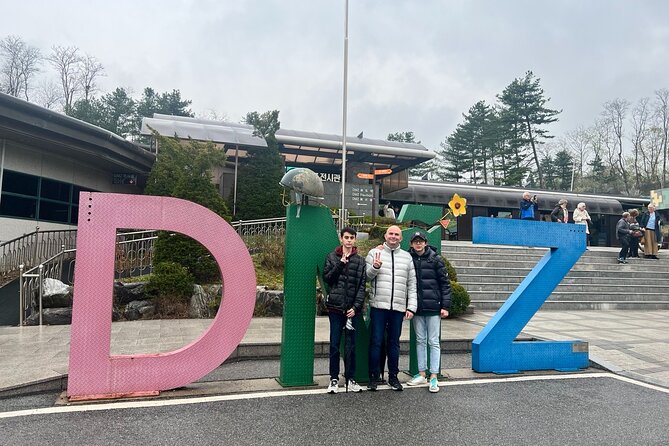
At $250 per person, this is not a budget day trip. But it’s also not just a bus ride with photo stops. You’re paying for a full-day group experience that includes entrance fees and air-conditioned transportation, plus certified guides fluent in English or Spanish.
Where the value shows up: the DMZ isn’t a place you can easily interpret by yourself. The tour is designed to give you the story as you go—especially around the tunnel and the observatory. If you’re traveling with a language need, or you simply want someone to connect the dots, that guidance is often what makes a “high-stakes location” feel understandable rather than confusing.
Also, timing matters. The tour is typically booked about 41 days in advance, so waiting too long can limit your options. If you’re set on going, lock it in earlier than you think.
You can also read our reviews of more tours and experiences in Seoul


Getting Started in Seoul: City Hall Station and Smooth Pickup
Your day begins with meeting at City Hall station, then transferring to Paju (about 90 minutes by car). That transfer is a big part of why having pickup offered and an air-conditioned vehicle matters. It keeps the day from starting with logistics stress.
Here’s what you should consider as you plan your schedule in Seoul: you’re committing to a full day that starts at a fixed meeting point. If you’re the type who likes a slow breakfast and wandering time, give yourself a buffer so you’re not sprinting to a transit meeting. The DMZ is worth arriving calm.
Stop 1: Imjingak Pyeonghoa-Nuri Park Sets the Tone (and the Story)
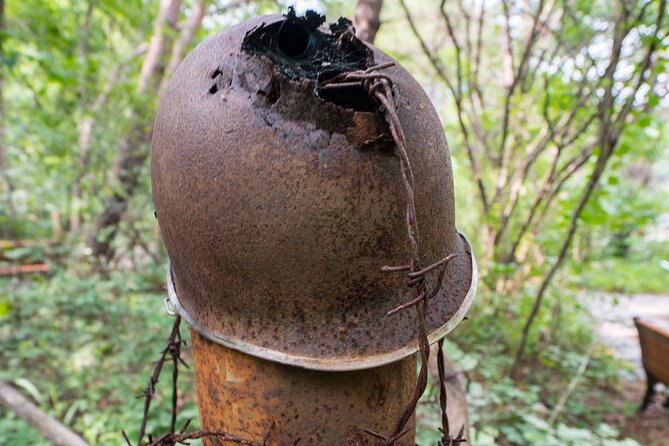
Imjingak Pyeonghoa-Nuri Park is a smart opening stop because it prepares your brain for what comes next. This park was built in 1972 to console people from both sides who are unable to return—an emotional framing that matters when you’re heading toward sites tied to conflict and separation.
What I like about starting here is that it’s not only about architecture or views. It’s a reminder of what the DMZ means to everyday lives: families, loss, and waiting. Even if you’re not an expert on Korean peninsula history, the park’s purpose gives you a human lens before you hit the tunnel.
One practical note: the tour lists this segment as 4 hours. That’s long enough that you’ll want comfortable walking shoes. It also means this is where you’ll feel the rhythm of the day most—good for people who like time to look around, less ideal if you prefer short, nonstop hops.
Stop 2: The DMZ and the 3rd Infiltration Tunnel Experience

The heart of the tour is the DMZ portion, centered on the 3rd Infiltration Tunnel. This tunnel is described as designed for a surprise attack on Seoul from North Korea. That’s heavy context, and it’s exactly the kind of information that benefits from a guide who can explain what you’re seeing as you move.
What the tunnel visit really gives you
The plan is to go into the tunnel until the limited area. That limit is important—it means the experience is structured and manageable, rather than a free-for-all. Even so, being inside a tunnel like this is one of those experiences that shifts your understanding fast. The scale doesn’t stay abstract. It becomes physical.
I also like that the DMZ stop isn’t treated as a simple checkbox. It includes an additional layer through the Bunker Museum, which is specifically mentioned as part of the deeper war-and-history approach. That kind of indoor stop can balance the emotional punch of outdoor sites, especially on a long day.



How to mentally prepare
Because the tunnel is tied to conflict intent, you should expect the atmosphere to feel serious. If you’re the type who handles intense topics by reading quietly and absorbing, this is probably your pace. If you need breaks from heavy themes, use downtime after the tunnel for a reset—don’t try to process everything in one go.
The time listed for this segment is 2 hours 30 minutes, including the DMZ viewing experience and the tunnel component. That’s tight enough to stay moving, but long enough to feel like you actually had time inside the moment.
Stop 3: Dora Observatory on Dorasan (Mount Dora) at the 38th Parallel
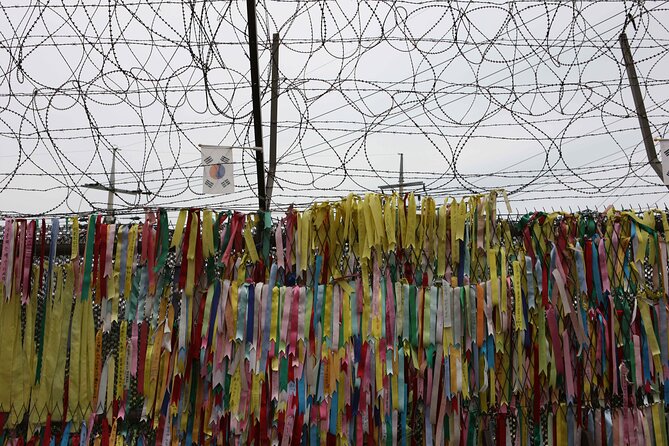
After the tunnel, the tour shifts to a viewing perspective at Dora Observatory. This site sits on the South Korean side of the 38th parallel, on top of Dorasan (Mount Dora) in Paju. The big draw is the chance to see across the Demilitarized Zone.
What I like about ending with a viewpoint is that it changes the way you interpret everything you just learned. You stop thinking only about structures and tactics, and you start thinking about distance—literal distance between sides—and how that separation shapes the geography of daily life.
This stop is listed as 2 hours 30 minutes, which helps. You get time not only to reach the observatory experience, but also to linger in the moment long enough to take it in without feeling rushed.
A practical expectation
Because this is a high-attention day trip, you’ll likely find yourself doing some waiting in line for viewpoints, access points, or group movement. Build patience into your mindset. A tour like this doesn’t operate like a theme park where you can choose your own pace every minute.
What’s Included (and What You Must Plan for)
Included
- Air-conditioned vehicle
- Entrance fee
- Admission tickets for the listed major stops (including the tunnel and observatory segments)
This matters more than it sounds. When entrance fees are included, you avoid the “where do I pay now?” moment while you’re already managing a long day. And AC transport helps a lot in summer or if you’re traveling with less tolerance for heat.
Not Included
- Lunch
- Dinner
This is the main planning gap. Because the itinerary is built around multiple stops, you don’t want to gamble on finding good food near each location. If you’re the practical type, consider eating before you start and then carrying something small for the ride. At minimum, decide in advance how you’ll handle the meal breaks so you don’t lose energy.
Group Format: Discomfort You Trade for Guidance
This is a group tour, which comes with both benefits and tradeoffs.
Benefits:
- You get certified English/Spanish guides, so questions and explanations are part of the experience.
- You see the major DMZ-related sights in one day, instead of piecing together separate arrangements.
Tradeoffs:
- You move on a schedule.
- You’re sharing time with other people, so you might not get the exact pace you prefer for lingering.
If you hate group travel, you might find the day feels tightly managed. If you like structure and want the story told clearly, the group format is the point.
Who This Tour Is Best For (and Who Might Prefer Another Plan)
You’ll probably like this tour if:
- You want a guided DMZ day with interpretation in English or Spanish.
- You care about understanding what sites were built for, not just snapping photos.
- You like a full itinerary that covers Imjingak, the tunnel, and Dora Observatory in one go.
You might want to think twice if:
- You dislike long days with limited free time.
- You hate walking or standing in lines for structured access points.
- You strongly prefer meals included in the price.
In other words: this fits people who want clarity and structure more than people who want total freedom.
Book or Skip: My Bottom-Line Recommendation
If you’re going to spend money on a DMZ experience, this is the kind that justifies itself through guide-led context and included access/fees. At $250, it’s a splurge, but the cost includes the parts that usually add up: transport, entrance tickets, and guided language support.
I’d book it if you want one solid day that hits the big, meaningful stops—especially the 3rd Infiltration Tunnel and Dora Observatory—with a guide who can translate what you’re seeing into something you actually understand.
I’d be cautious if you’re expecting a relaxed day with plenty of independent time, or if you really need lunch/dinner built into the ticket price.
FAQ
How long is the DMZ one day tour?
The tour lasts about 9 hours.
Where do I meet the guide?
Meet your guide at City Hall station.
Is pickup available?
Yes, pickup is offered.
What languages are available for the guides?
The tour is led by certified guides fluent in English or Spanish.
What stops are included in the itinerary?
The day includes Imjingak Pyeonghoa-Nuri Park, the DMZ with the 3rd Infiltration Tunnel, and Dora Observatory.
Are entrance fees included?
Yes, entrance fees are included.
Is lunch included?
No, lunch and dinner are not included.