REVIEW · SEOUL
5-Day Korea Golden route by K-shuttle Tour from Seoul Including Busan, Yeosu
Book on Viator →Operated by US Travel Korea · Bookable on Viator
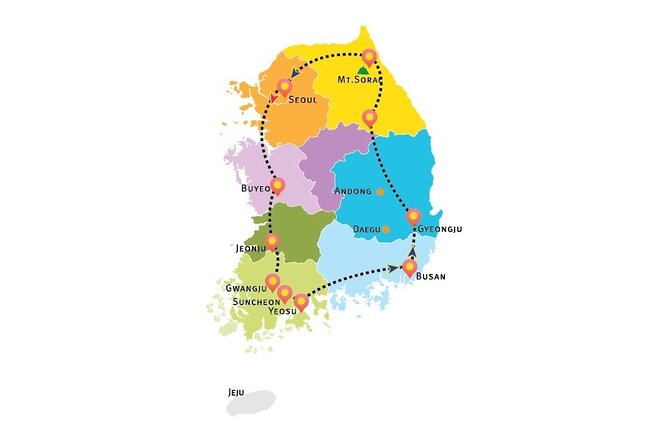
Korea can feel big. This route turns it into a clear, guided loop across key history and scenery. You get UNESCO sights and classic villages without fussing over trains or language.
I love that the trip includes transportation, plus a professional English-speaking guide who gives context at every stop. I also like the variety packed into five days, from Baekje-era tombs to the seafood chaos of Jagalchi Market.
One consideration: it’s a fairly fast-paced plan with lots of driving and moderate walking, so you’ll want comfortable shoes and a flexible attitude about time.
In This Review
- Key things to know before you go
- What this 5-day Golden Route gets right for first-timers
- Seoul pickup: where the day starts (and why it matters)
- Day 1: Baekje tombs, a mountain fortress view, and Jeonju Hanok Village
- Day 2: May 18th National Cemetery, Suncheon Bay Garden, and Admiral Yi
- Day 3 in Busan: Jinjuseong, Jagalchi Market, and Haeundae’s APEC coastline
- Day 4 UNESCO day: Seokguram to Bulguksa, then Hahoe Folk Village
- Day 5: Alpensia ski-jump history, Seoraksan nature, and the return to Dongwha
- Hotels and daily pace: where comfort can vary
- The guide effect: why names like Justin, Mina, and others show up
- Budgeting food and the extras that can pop up
- Who should book this route (and who should not)
- Should you book K-shuttle’s 5-Day Korea Golden Route?
- FAQ
- How long is the tour?
- Where do I meet the tour in Seoul?
- Where does the tour end?
- What’s included in the price?
- Are lunch and dinner included?
- Are admission tickets included?
- What hotel setup is offered?
- How much walking is involved?
- What luggage can I bring?
- What if I need to cancel?
Key things to know before you go
- Breakfast + 4 nights covered: you start most days already fueled.
- UNESCO temple day is the centerpiece: Seokguram and Bulguksa get their own attention.
- You see old Korea and modern Korea back-to-back: royal tombs and folk villages sit next to busy coastal areas.
- Busan isn’t just sightseeing: you get time at Jagalchi and the Haeundae area for ocean views.
- Pace is the trade-off: you’ll see a lot, but you won’t linger for long at every stop.
What this 5-day Golden Route gets right for first-timers
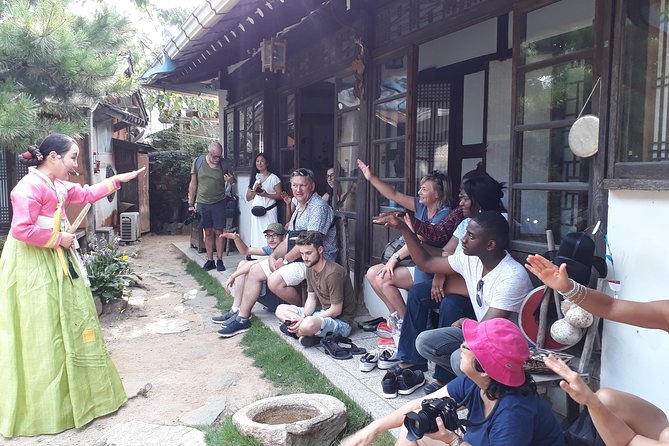
This tour is built for the traveler who wants a big-picture sense of South Korea quickly. Instead of choosing between regions, you get a guided pass through history sites, coastal stops, and a national-park day, all tied together by organized transportation. It’s also a practical pick if you don’t want to manage transfers on your own.
The value comes from the structure: you’re not paying extra for the basics of getting to and between places. Four nights of lodging with breakfast, a professional guide, and round-the-road transport are included, which matters when you’re budgeting for a short trip.
The other win is interpretation. You’re not just ticking boxes. Sites like the royal tombs, May 18th memorial, and the UNESCO temples make more sense when someone connects them to Korean history and the logic of what you’re seeing.
You can also read our reviews of more tours and experiences in Seoul
Seoul pickup: where the day starts (and why it matters)
You meet in central Seoul around 8:00 am at the parking area next to Dongwha Duty Free Shop near Gwanghwamun (exit 6). That’s a smart start point: it’s easy to reach from public transit, and it avoids the stress of figuring out where your tour vehicle is waiting.
Also notice what’s not really built in: this plan doesn’t treat Seoul like a full day of sightseeing. It’s more of a launchpad. If you’re expecting a guided day in Seoul’s core sights, you’ll want to plan that separately.
By the end, the tour returns around 18:00 near Dongwha Duty Free Shop. So if you’re continuing your trip, you’ll likely be set up to grab dinner in the same general area instead of searching from scratch.
Day 1: Baekje tombs, a mountain fortress view, and Jeonju Hanok Village
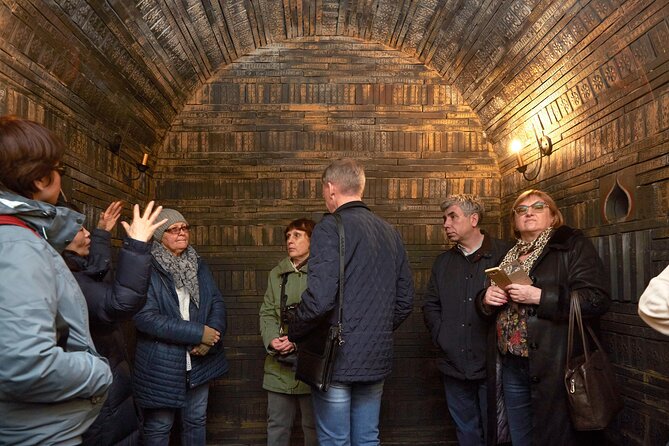
Day 1 mixes early Korean history with a classic traditional scene. You start at Songsan-ri Tombs and the Royal Tomb of King Muryeong, tied to the Baekje period. Even though the tombs aren’t flashy in the way modern museums are, they’re powerful because they connect you to how royal power was organized in that era.
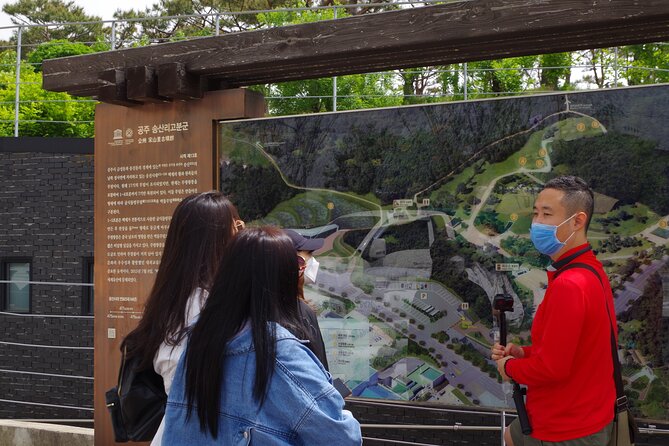
Next is Gongju Gongsanseong Fortress, a mountain fortress originally established during Baekje. What you’re really buying here is the perspective: fortresses like this were built for defense, but the vantage points are the reward. Expect a bit of stair-and-street walking as you move around the grounds.
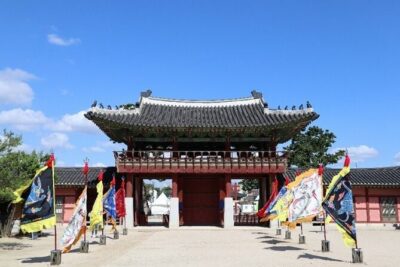
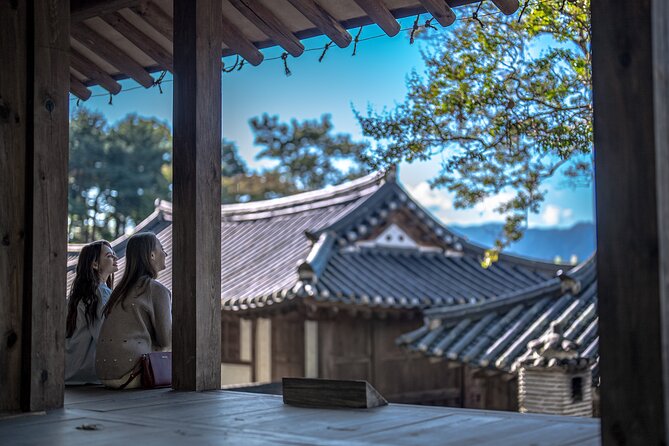
Then you shift into old-fashioned Seoul’s cousin: Jeonju Hanok Village. The hanoks here are known for rooflines with edges that rise slightly toward the sky, giving the village its distinctive look. This stop is the easiest on the eyes and one of the most photogenic dayside moments.
Potential trade-off: Day 1 sets a serious historical tone early, so if you want a lighter start, it can feel like you’re jumping into the past immediately.
Day 2: May 18th National Cemetery, Suncheon Bay Garden, and Admiral Yi
Day 2 starts with a memorial stop: the May 18th National Cemetery. It’s a solemn place tied to the May 1980 struggle for democracy, and it’s one of those sites where a guide’s explanation really helps. This is not a quick photo stop; it’s a place you understand more as you listen.
After that comes nature and design at Suncheon Bay Garden, built to protect and conserve a natural habitat area. The garden focuses on biodiversity, and the listed variety of trees and flowers hints at why it’s such a calm contrast after the memorial.
You wrap with the Statue of Admiral Yi Sun-sin, associated with Yi’s headquarters decisions during the Imjin Waeran (1592–1598). This is another stop where historical context turns a statue into a story about strategy, leadership, and survival.
How it feels: Day 2 balances emotion and outdoors. If your ideal trip includes both reflective stops and relaxing scenery, this day hits a good rhythm.
Day 3 in Busan: Jinjuseong, Jagalchi Market, and Haeundae’s APEC coastline
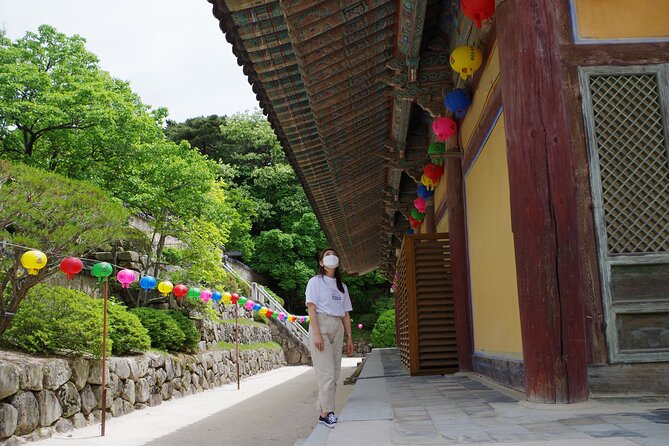
Busan is where the tour turns coastal and hands-on. You begin at Jinjuseong, a fortress with roots in the Three Kingdoms period and later connections to the Japanese invasion era. Fortresses in Korea often sit above the city for a reason, so you’re likely to feel the payoff in views as you move around the grounds.
Then comes the big sensory hit: Jagalchi Market, Korea’s largest seafood market. This stop is for people who like real everyday culture, not staged experiences. You’ll see live and dried fish and feel the energy of a market that runs on local demand.
After the market, you head to the Haeundae Beach area near Nurimaru APEC House. This is your ocean-view break, with a modern setting layered over the shoreline.
Possible drawback: Market time can feel intense if you prefer quiet sightseeing. But if you want to taste and see the real rhythm of a coastal city, this is one of the tour’s best guarantees.


Day 4 UNESCO day: Seokguram to Bulguksa, then Hahoe Folk Village
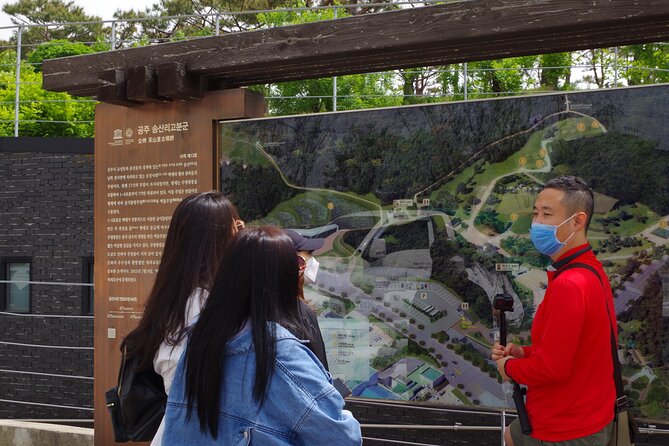
Day 4 is built around two UNESCO-designated temple experiences, plus a traditional village finish. First up is Seokguram, described as a stone temple made of granite and connected to Bulguksa. Seokguram being recognized by UNESCO (since 1995) is the big reason this day matters for many first-timers. It’s the kind of site where details in stonework become part of what you remember.
Then you go to Bulguksa Temple, another UNESCO-recognized treasure (also designated in 1995). Bulguksa is famous for its stone relics and the overall artistry of the temple grounds. This stop often becomes a highlight because it’s not just one building; it’s an environment where the layout and craftsmanship reinforce each other.
After temple time, you shift to folk tradition with Andong Hahoe Folk Village. The village is known for the Nakdong River curving around it, along with cliffs like Buyongdae and landscapes with ancient pine trees. In practice, this is where the tour slows down visually. You’re swapping incense-and-stonecraft time for river and village geometry.
What to consider: UNESCO temple days usually involve some walking on uneven surfaces. If your feet are sensitive, plan to wear shoes that grip well.
Day 5: Alpensia ski-jump history, Seoraksan nature, and the return to Dongwha
Your final day mixes winter-olympics legacy with a nature finish. You start at Alpensia Ski Jump Lounge, tied to the 2018 Winter Olympics ski jumping venue. This is a good stop if you like seeing how global events leave infrastructure and new landmarks behind in local areas.
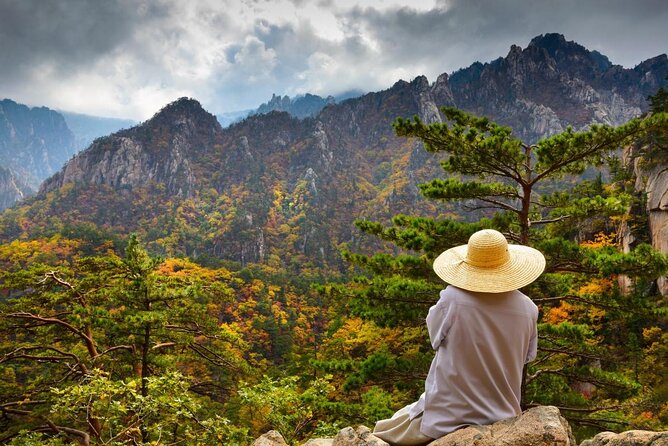
Then you move into the big green: Seoraksan National Park, with Sinheungsa and Seorak Mountain mentioned as part of the experience. National parks in Korea are impressive because the mountains rise dramatically and the paths give you changing viewpoints as you walk.
You finish back in Seoul at Dongwha Duty Free Shop around 18:00. This can be handy if you’re picking up gifts on the way home without needing a separate errand.
One practical tip: weather matters. The tour notes that you’ll want warm clothing during winter months, and the parks especially can feel colder and windier than you expect.
Hotels and daily pace: where comfort can vary
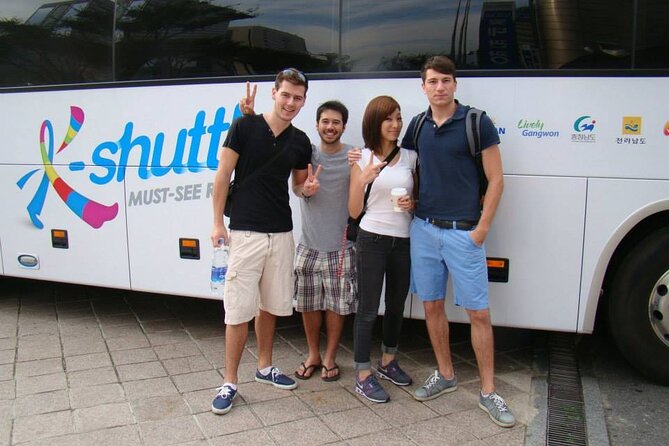
The tour includes four nights of accommodation with breakfast. That’s a solid baseline, especially on a short trip when hotels can be a major cost and planning headache.
But the overall experience can depend on the specific property. In real-world feedback, people have praised several hotels as comfortable and clean, while others reported older-feeling rooms and uneven housekeeping. There are also comments about some hotels being a bit outside the most convenient restaurant zones, meaning you might want to plan meals with the group’s timing.
Then there’s pace. Even when the guide is great, this is still a “see a lot in a little time” structure. Expect long driving blocks between regions, plus moderate walking once you arrive. If you’re the type who wants long unstructured time for wandering, you may feel the schedule squeezing you a bit.
The guide effect: why names like Justin, Mina, and others show up
This tour’s biggest recurring theme is the guide. Multiple guides have been associated with the experience, including Justin Choi, Mina, Brandon, Cooper, and Andy. The common thread is clear: you get history lessons tied to what you’re standing in front of, plus a sense of humor that keeps long days from feeling like lectures.
I also like that the guide role isn’t just commentary. Several notes point to proactive help, including suggestions for what to eat and how to enjoy each area. One group even appreciated small extras like snacks and mini gifts provided along the way.
What this means for you: if you care about context, a strong guide can turn a long travel day into something you’ll remember beyond photos.
Budgeting food and the extras that can pop up
Lunch, dinner, snacks, and other food or drinks are not included. That’s normal for tours, but it matters for your total cost. You’ll likely spend time each day factoring in meal stops or grabbing meals independently.
Optional add-ons can also appear depending on the exact experiences you choose at certain stops. The tour notes that some extra charges may apply for things like Seokguram Grotto entry, monorail access related to the Pyeongchang ski area, and other cable-car or temple-entry style options during the wider route.
To keep your budget calm:
- Plan for at least two paid meals each day.
- Bring a little cash or card buffer for small entrance upgrades.
- Consider what’s truly worth paying for on a day that already includes many stops.
Who should book this route (and who should not)
This is a strong match if you’re:
- A first-time visitor who wants a big-country overview in 5 days
- Interested in Korean history and UNESCO temple sites
- Okay with a schedule that moves, with moderate walking and frequent transitions
It may not be ideal if you:
- Want lots of free time in one city (especially Seoul)
- Get tired easily from long bus drives plus stop-and-go sightseeing
- Need consistently high-end hotels every night without variability
Should you book K-shuttle’s 5-Day Korea Golden Route?
If your priority is value and getting a structured, guided cross-section of Korea in a short window, I’d say yes. The included transport, four nights with breakfast, and the focus on major cultural anchors like Jeonju, Busan’s Jagalchi area, and the UNESCO temple pairing make this a practical choice.
But book with eyes open. You’re buying the convenience of an efficient route, not a slow, leisurely pace or deep time in every single location. If that fits your style, you’ll likely feel like you covered serious ground without the usual planning stress.
FAQ
How long is the tour?
The tour lasts about 5 days. It includes 4 nights of accommodation.
Where do I meet the tour in Seoul?
You meet near Dongwha Duty Free Shop by Gwanghwamun (exit 6 of the Gwanghwamun subway station), at a parking lot next to the shop, with a start time of 8:00 am.
Where does the tour end?
The tour ends around 18:00 at the front of Dongwha Duty Free Shop in Seoul.
What’s included in the price?
The price includes transportation to all places on the route, a professional English-speaking guide, 4 nights of accommodation, and breakfast for 4 mornings.
Are lunch and dinner included?
No. Lunch, dinner, snacks, and other drinks are not included unless specifically mentioned.
Are admission tickets included?
Some admissions are included or free as noted for specific stops. Other optional fees may apply for certain add-ons listed as not included.
What hotel setup is offered?
You can choose a single room or a double room at checkout. If there’s an odd number of people in the booking group, some travelers may share a double room with a pullout bed for the third person at no extra charge.
How much walking is involved?
There is a moderate amount of walking. Comfortable shoes are recommended.
What luggage can I bring?
The tour allows one carry-on bag measuring about 24 x 16 x 11 inches.
What if I need to cancel?
You can cancel up to 6 days in advance for a full refund. If the cancellation is due to poor weather, you’ll be offered a different date or a full refund.