REVIEW · SEOUL
Gyeongbok Palace and Korean Folk Village Tour
Book on Viator →Operated by SEOUL CITY TOUR CO. LTD. · Bookable on Viator
Seoul has a way of stacking history on top of today. This full-day tour strings together Gyeongbokgung Palace, the National Folk Museum, and the Korean Folk Village, plus a calming temple stop and a quick pass-by of the Blue House. You get structure, time in the big sights, and a guide who keeps the day moving.
I especially like the balance: major palace time in the morning, then a slower-feeling cultural reset at Jogyesa Temple, and finally Yongin’s Korean Folk Village for everyday-life context. I also like that the tour is built for convenience—hotel pickup/drop-off, an air-conditioned vehicle, entrance fees where listed, and lunch are included in the $79 price.
The main thing to consider is that the schedule is full and you’ll be on your feet for a moderate amount of walking. Wear good shoes and don’t plan on squeezing extra stops on your own before or after.
In This Review
- Key Highlights Worth Your Attention
- A Full-Day Seoul Culture Route That Makes Sense
- Pickup, Blue House Pass-By, and the Day’s Pace
- Gyeongbokgung Palace + National Folk Museum: What to Focus On
- Jogyesa Temple in Seoul: A Quiet Reset
- The Ginseng Center and Lunch Break: Useful Learning, Not Just Food
- Korean Folk Village in Yongin: When Culture Becomes Daily Life
- Price and Logistics: What $79 Buys You
- Timing, Tuesday Closures, and How to Stay Flexible
- Who This Tour Fits Best
- Should You Book This Gyeongbokgung and Folk Village Tour?
- FAQ
- FAQ
- What time does the tour start?
- How long is the tour?
- Does the tour include hotel pickup and drop-off?
- Which sites have included admission?
- Is lunch included, and are there vegan options?
- Is a professional guide included?
- What ticket format is used?
- What happens on Tuesdays if Gyeongbokgung Palace or the National Folk Museum are closed?
Key Highlights Worth Your Attention
- Gyeongbokgung Palace (with the National Folk Museum inside): a big, high-value history block in one go
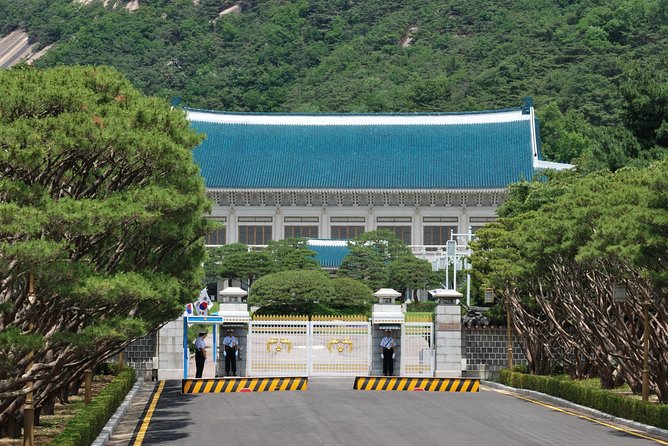
- Blue House pass-by: you see the executive office and official residence of Korea’s head of state
- Jogyesa Temple in the middle of the city: a calm contrast after palace crowds
- Ginseng center stop: learn about Korea’s ginseng industry and decide for yourself on purchases
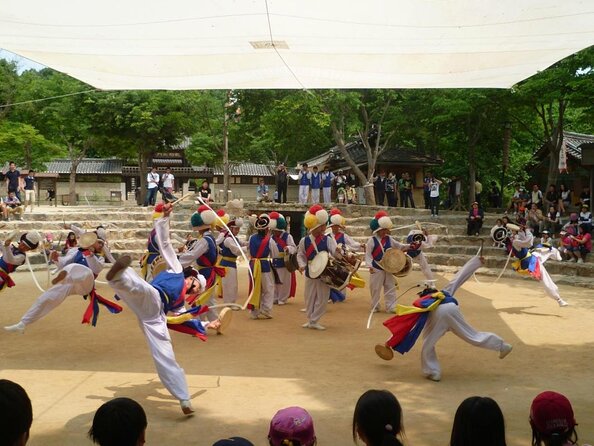
- Korean Folk Village in Yongin: hands-on-style experiences focused on ancestral daily life
A Full-Day Seoul Culture Route That Makes Sense
This tour is built around a simple idea: if you want to understand Korea, you need more than famous buildings. You need context for how people lived, how the Joseon Dynasty shaped court culture, and how traditional life is remembered and practiced.
You also get a day plan that feels realistic. You’re not bouncing randomly across the city. You start in Seoul, hit the big historic anchors, then trade city noise for fresh air in Yongin at the Korean Folk Village.
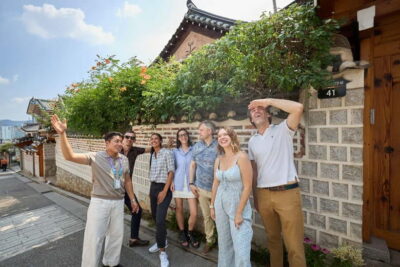
The guide format matters here. With a professional guide and a tight route, you’re not left guessing what you’re looking at in the palace halls or how to connect museum objects to real historical life.
You can also read our reviews of more tours and experiences in Seoul.
Pickup, Blue House Pass-By, and the Day’s Pace
Your day starts with pickup from your Seoul hotel around 9:00 am. That alone can save you stress, because Seoul’s transit system is great, but getting across multiple stops on a tight schedule is tiring.
Before the palace, you pass by the Blue House—the executive office and official residence of the Republic of Korea’s head of state. Even with only a view from the vehicle, it helps you orient the day. It also puts today’s political Korea next to the long shadow of Joseon-era power.
The pace is a key value. You get a full 1 hour at Gyeongbokgung Palace, a shorter temple stop, then a cultural village afternoon. It’s not leisurely in the way of a countryside day, but it’s not rushed in the way of a half-day sampler either.
Gyeongbokgung Palace + National Folk Museum: What to Focus On
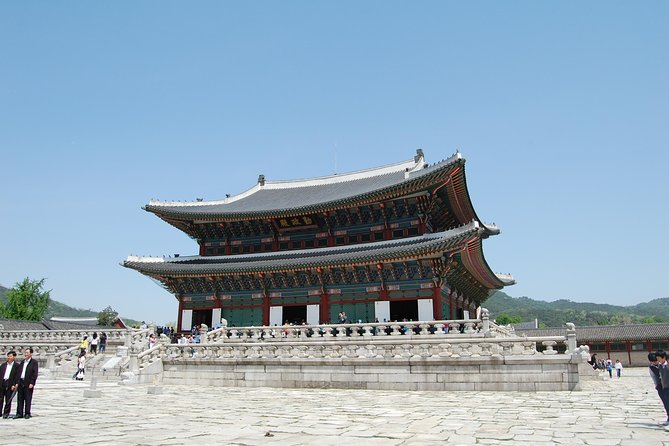
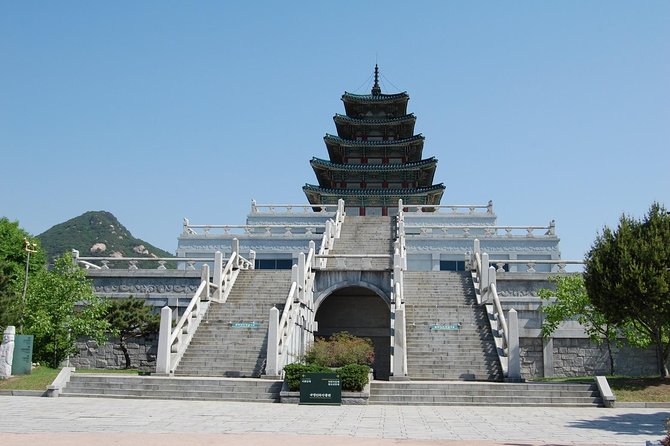
Gyeongbokgung Palace is the big centerpiece. It’s one of Seoul’s top attractions, and it’s strongly tied to the Joseon Dynasty, with roots traced back to the 14th century. The palace complex also includes the National Folk Museum, which is a smart pairing because it turns architecture and royal space into human stories.
Plan your time like this: use the first part of your hour to get oriented in the palace grounds, then shift your attention to the museum connection. Since the museum is housed within the palace site, your guide can help you connect objects and displays to the broader historical setting.
This is also where the tour’s “why” becomes clear. A palace is not just photos and gates. It’s a lens for understanding ceremony, social order, and how culture was organized around power. With the National Folk Museum alongside, you’re not stuck in one narrow angle of history.
Watch-outs: the tour involves moderate walking. Palace grounds can mean uneven surfaces and lots of standing and moving, so comfortable shoes matter more here than anywhere else.
Jogyesa Temple in Seoul: A Quiet Reset
After the palace, you head to Jogyesa Temple, described as the largest temple in South Korea. The headline value of this stop isn’t just religious architecture. It’s the contrast: a temple in the middle of a major metropolis.
You get about 30 minutes, which is enough for a calm walk and to absorb the atmosphere without feeling trapped in a long itinerary block. This is a good time to slow down and stop processing palace facts for a minute.
If you’re the kind of person who likes structure, you’ll appreciate how the day’s rhythm changes here. The palace is formal, museum time is observational, and then Jogyesa is about atmosphere and quiet attention.
The Ginseng Center and Lunch Break: Useful Learning, Not Just Food
Next comes a stop at a ginseng center. You’ll learn about Korea’s ginseng industry, including the health-benefit story people associate with it. You also have the chance to purchase if you want.
Here’s the practical consideration: a shopping stop can be enjoyable if it’s informational, but it can be frustrating if you feel pressured. One piece of feedback highlighted that the ginseng segment should feel no-pressure, so set your own boundary early. If you don’t want to buy, you can still benefit from the learning and keep things simple.
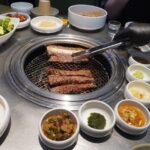
Lunch is at a traditional Korean restaurant, with about 1 hour allotted. This is a real value-add because the tour includes lunch in the price, and there are vegan and plant-based Korean dishes available. If you eat plant-based, that reduces the usual “find food on your own” problem that often ruins cultural days.
If you’re traveling with picky eaters or mixed diets, this stop reduces friction. Instead of hunting menus during peak hours, you sit down and move on with the day.
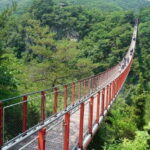
Korean Folk Village in Yongin: When Culture Becomes Daily Life
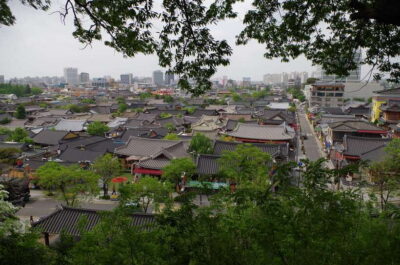
The afternoon takes you out of busy Seoul to Yongin for the Korean Folk Village. This is where the tour shifts from history-as-power to culture-as-living.
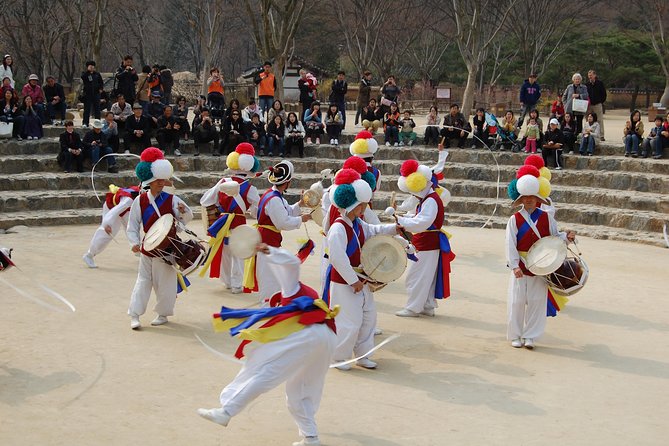
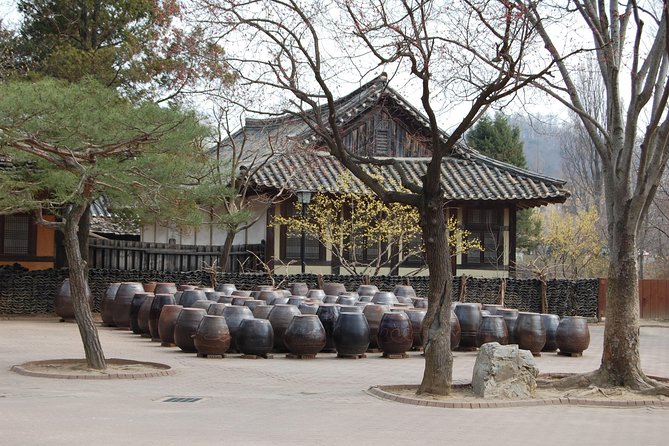
At the Folk Village, you spend around 2 hours experiencing Korean ancestral life and culture through activities available on-site. It’s the kind of stop that helps you connect the dots. Palace history explains how society was shaped at the top. A folk village helps you picture ordinary life at the ground level.
This is also where your camera roll can turn into a learning tool. You’ll see homes and village-style spaces designed to represent earlier ways of living, and activities are geared toward understanding daily routines rather than just looking at artifacts.
One of the strongest themes from feedback about this day is that the Folk Village afternoon tends to be the most enjoyable part. That makes sense: it gives your brain a break from museum-style observation and lets you do more instead.
Price and Logistics: What $79 Buys You
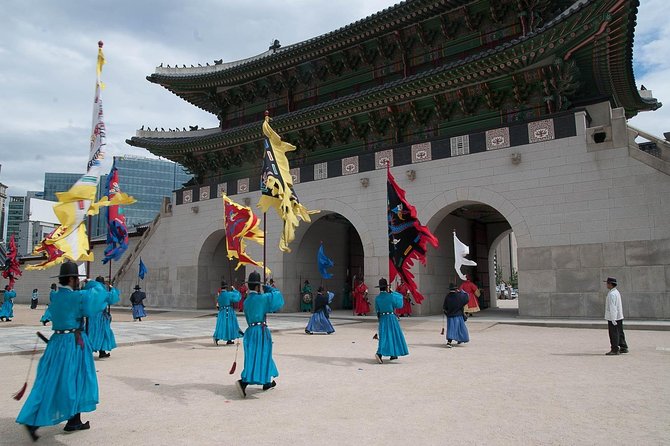
At $79 for about 8 hours, the value depends on what you compare it to. If you tried to assemble this day yourself—palace admission, transport across Seoul, a museum visit, a temple stop, a Korean Folk Village ticket, and lunch—you’d likely end up spending more than you expect.
This tour bundles a lot of the annoying parts:
- Hotel pickup and drop-off
- A professional guide
- Lunch
- Air-conditioned vehicle
- Admission fees included where noted (Gyeongbokgung Palace and Korean Folk Village)
It’s also useful that the tour uses a mobile ticket, which reduces the chance you’ll scramble for paper tickets.
Group size is capped at 99. That doesn’t mean you’ll feel crowded all the time, but it does mean you should be comfortable with the reality of a busier schedule—especially around the palace.
Timing, Tuesday Closures, and How to Stay Flexible
One detail to plan around is that on Tuesdays, Gyeongbokgung Palace and the National Folk Museum may be closed. If that happens, the tour swaps in Deoksu Palace and a History Museum instead.
That matters because it protects your day from turning into a disappointment. Instead of wasting time in the city, you still get palace-and-museum style content, just with a different historical site.
For you, the best move is simple: if you’re booking on a Tuesday, check your expectations and be open to the alternative palace option.
Who This Tour Fits Best
This tour is a strong match if you want a guided day that covers multiple layers of Korean culture without requiring you to plan every transfer.
It’s especially good for:
- First-time visitors who want a coherent route across palace, museum, temple, and folk culture
- People who value hotel pickup and a set schedule
- Families or groups who want lunch included and vegan options available
If you’re the type who loves ultra-deep specialized commentary for every stop, you might want to ask more questions during transitions. Some feedback noted that a guide could be more informative, so treat this as a guided overview with room to steer the conversation.
Should You Book This Gyeongbokgung and Folk Village Tour?
Book it if you want a well-paced, convenience-heavy cultural day. For $79, you’re getting a lot of the “hard work” handled for you—pickup, transport, guide support, major entrances, and lunch—with a route that moves logically from Joseon-era palace to everyday life at the Korean Folk Village.
Skip it (or adjust expectations) if you hate shopping-style stops like the ginseng center. You don’t have to buy anything, but you should go in knowing that the stop exists and decide your own spending rules early.
If you want a day that teaches you how Korea’s past and traditions show up in real life—palace to village—this is one of the more practical ways to do it in Seoul.
FAQ
FAQ
What time does the tour start?
The tour start time is 9:00 am.
How long is the tour?
The tour runs for about 8 hours.
Does the tour include hotel pickup and drop-off?
Yes. Hotel pickup and drop-off are included.
Which sites have included admission?
Admission is included for Gyeongbokgung Palace and the Korean Folk Village. Jogyesa Temple is listed as free.
Is lunch included, and are there vegan options?
Yes, lunch is included. Vegan and plant-based Korean dishes are available.
Is a professional guide included?
Yes. The tour includes a professional guide.
What ticket format is used?
You’ll receive a mobile ticket.
What happens on Tuesdays if Gyeongbokgung Palace or the National Folk Museum are closed?
On Tuesdays, if Gyeongbokgung Palace or the National Folk Museum are closed, the tour visits Deoksu Palace and the History Museum instead.