REVIEW · SEOUL
From Seoul: 5-Day Tour of Korea with UNESCO Sites
Book on GetYourGuide →Operated by US TRAVEL KR · Bookable on GetYourGuide
Five days in Korea can feel like a sprint.
This tour stitches together UNESCO sites across southern Korea, then balances it with food stops and coastline time so you’re not stuck in temples all week. I especially like the UNESCO routing across Gongju–Jeonju–Gyeongju and the hands-on breaks like Jagalchi seafood and Haeundae Beach. The only real drawback: the schedule is tight, so you’ll be moving most days and you’ll want to keep your expectations realistic.
On the ground, the trip runs on good guidance and practical timing. I like that the tour is led by an English-speaking team, and on busier stretches you still get through the key stops; I’ve also seen praise for guides like Justin and Mr. Kim for keeping things on track even when big events and crowding compress the day. One more consideration: in October, Seoraksan (Mt. Seorak) can be restricted or even skipped, and getting to the park entrance may require a long walk (3.6 km) if buses can’t go in.
In This Review
- Key Points If You Want the Big Picture Fast
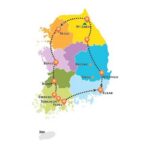
- How This 5-Day Route Stays Practical From Seoul
- Day 1: From Gwanghwamun to Gongju UNESCO Walls and Tomb Views
- Tomb of King Muryeong and Gongsanseong Fortress
- Overnight near Jeonju Hanok Village
- Day 2: Gwangju’s Democracy Sites, Suncheon Gardens, and Yeosu’s Naval Footsteps
- May 18 National Cemetery (Gwangju)
- Suncheon Bay Garden
- Yeosu and Admiral Yi Sun-sin’s path
- Day 3: Jagalchi Seafood, Haeundae Views, and Nightfall in Gyeongju
- Jagalchi Fish Market in Busan
- Haeundae Beach and Dongbaek Park
- Overnight in Gyeongju
- Day 4: Seokguram and Bulguksa UNESCO, Then Andong Hahoe’s Joseon-Era Living Culture
- Seokguram Grotto
- Bulguksa Temple
- Andong Hahoe Folk Village (UNESCO)
- End in Pyeongchang with downtime
- Day 5: Mt. Seorak UNESCO Biosphere District and the Gwongeumseong Fortress Cable Car Option
- Mt. Seorak National Park (UNESCO)
- Optional cable car to Gwongeumseong Fortress
- Return to Seoul by 17:00
- Hotels, Meals, and the Pace Reality Check
- The pace: mostly “see it, move it, see it”
- Price Value: What $999 Actually Buys You
- Practical Tips That Make the Whole Trip Easier
- Should You Book This Tour?
- FAQ
- Where is the meeting point in Seoul?
- What’s included in the tour price?
- Are lunch and dinner included?
- Will Mt. Seorak always be included?
- What hotels will I stay in?
- Is there free cancellation?
Key Points If You Want the Big Picture Fast
- UNESCO sites in three regions without backtracking so travel time stays reasonable
- Seoul to coast to mountains with different moods each day, not just history blocks
- Market-to-sea scenery via Jagalchi Fish Market and time around Haeundae Beach and Dongbaek Park
- Joseon-era living heritage at Andong Hahoe Folk Village, tied to the UNESCO spotlight
- A Seoul-friendly return plan that brings you back to Gwanghwamun by 17:00 on day 5
- October needs a Plan B for Seoraksan access, since buses may be restricted
How This 5-Day Route Stays Practical From Seoul
You start at Gwanghwamun, not some far-off hotel pickup. Meet your guide at the Donghwa Duty Free Shop Building at Gwanghwamun Intersection, with the K-shuttle signboard, and use Metro Gwanghwamun Station Exit 6. That sounds specific because it is—this is a “show up, board, go” tour style.
Transportation is air-conditioned, and the vehicle size can change depending on how many people join. You also get breakfast at the hotels (important, because this tour doesn’t include lunch or dinner), plus English-speaking guidance and entry tickets for selected attractions. The tradeoff is pace: by design you’re stacking major sights each day.
For value, you’re paying a flat rate of $999 per person for four nights in a twin or triple room, guided access, and intercity transport. It works best if you want someone to handle the sequencing and you’re comfortable spending your own money on meals in between.
You can also read our reviews of more tours and experiences in Seoul
Day 1: From Gwanghwamun to Gongju UNESCO Walls and Tomb Views
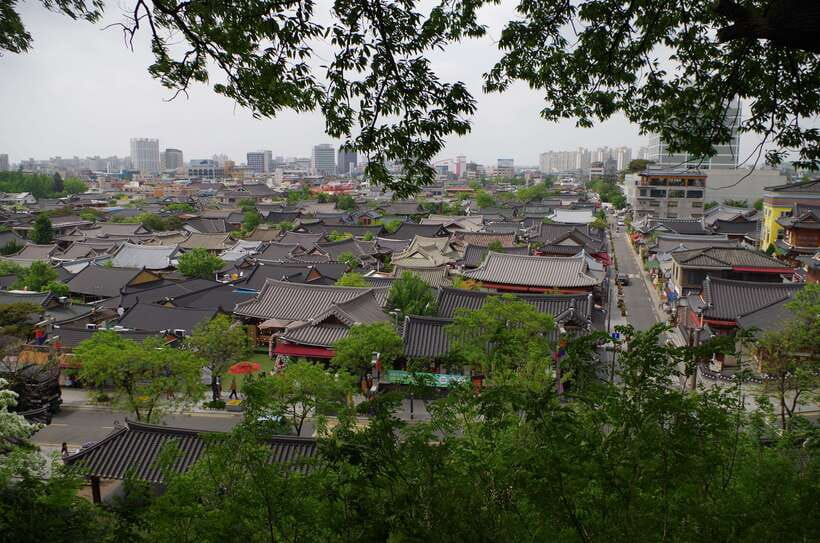
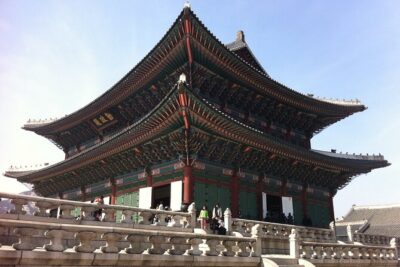
Day one is your “transition into the real Korea” day. You leave Seoul and head to Gongju, where the UNESCO stops are built around big, ancient stone and fortress structure—good if you like history that feels physical.
Tomb of King Muryeong and Gongsanseong Fortress
The Tomb of King Muryeong is the kind of site where you quickly notice you’re not looking at a generic monument. It’s a UNESCO stop for a reason, and you’ll have time to see how the tomb’s grandeur fits with its surrounding setting.
Then you move on to Gongsanseong Fortress, also UNESCO-listed. Fortress walls and viewpoints can be a highlight here, but a drawback is simple: stone sites often mean uneven ground, stairs, or walking on slopes. Bring comfortable shoes, and don’t plan any marathon sightseeing right after.
Overnight near Jeonju Hanok Village
Later you transfer to Jeonju and check in near the Hanok Village area. This matters because Jeonju’s hanok neighborhood is one of Korea’s easiest places to enjoy in the evening—without forcing more travel that night. Your hotel is Jeonju Ramada hotel or similar, and you’ll have breakfast included for the next morning.
Day 2: Gwangju’s Democracy Sites, Suncheon Gardens, and Yeosu’s Naval Footsteps
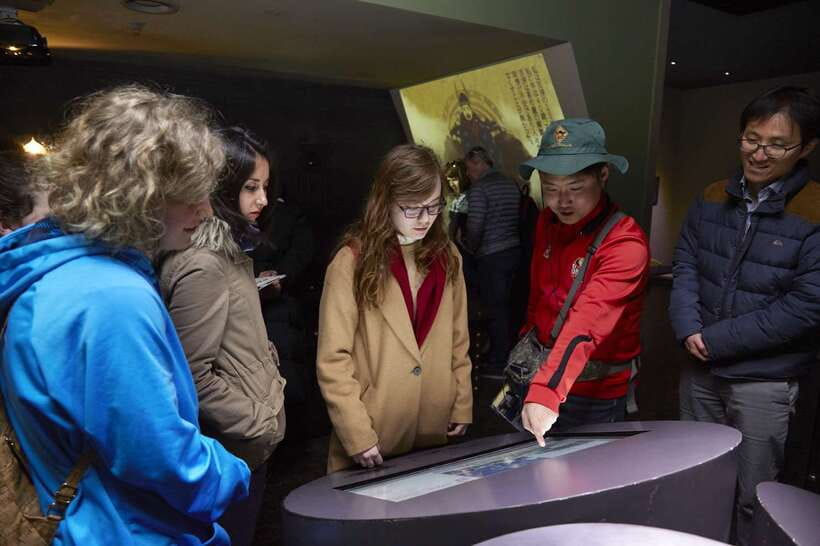
Day two shifts tone. Gongju and fortress stone give way to modern history and the coastal south.
May 18 National Cemetery (Gwangju)
You start in Gwangju, the birthplace of Korea’s modern democratic movement. The May 18 National Cemetery is a solemn stop, and it’s the kind of place where a guide helps you connect names and dates to what you see. This is one of the most meaningful parts of the trip because it’s not just a photo stop—it’s a place that asks for your attention.
Suncheon Bay Garden
Next you head to Suncheon Bay Garden. This is where the tour tries to rebalance with beauty and calmer pacing. A practical heads-up: garden hours and access can be affected by monthly closures, and it can disappoint people if they’re counting on that exact day. If you’re traveling close to that kind of schedule shift, keep a flexible mindset.
Yeosu and Admiral Yi Sun-sin’s path
You end the day in Yeosu and walk the historic path of Admiral Yi Sun-sin. This is a nice contrast to Gwangju: instead of remembrance, you get a story you can walk along. Your hotel is Ramada Plaza by Wyndham Yeosu or similar, and you’ll reset overnight before the coastal city highlight of Busan.
Day 3: Jagalchi Seafood, Haeundae Views, and Nightfall in Gyeongju
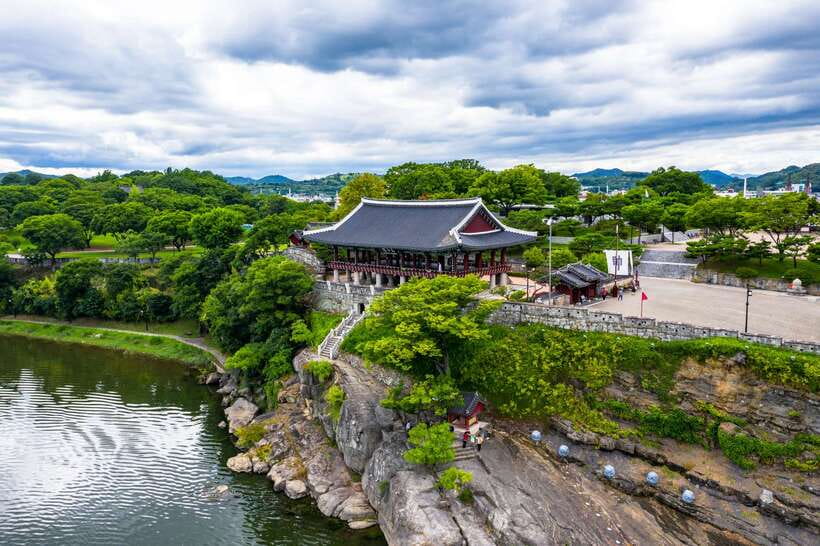
Day three is the payoff for food lovers and anyone who likes ocean air.
Jagalchi Fish Market in Busan
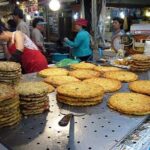
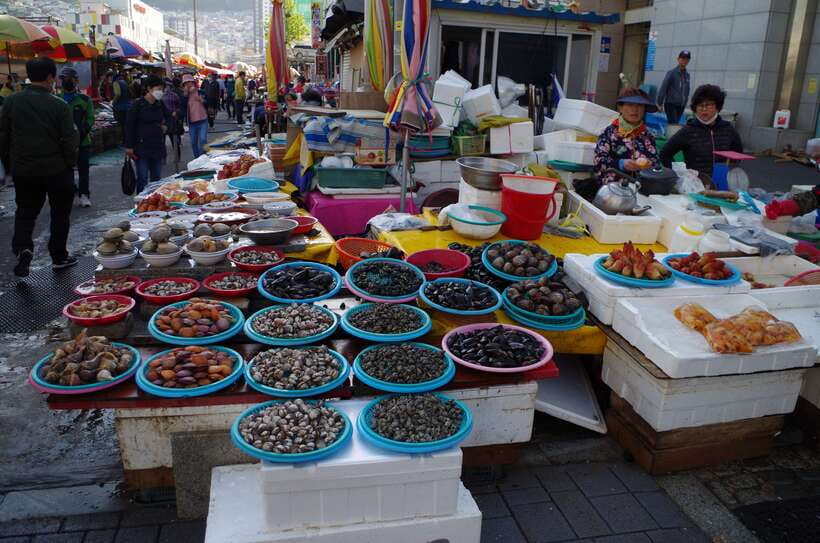
Jagalchi Fish Market is Busan’s largest seafood market. Even if you don’t eat a ton during the tour (lunch isn’t included), just walking through is an experience: the energy, the variety, and the way locals shop for dinner. Go in with expectations that it’s lively and busy, and you’ll enjoy it more.
Haeundae Beach and Dongbaek Park
Then you head to Haeundae Beach and Dongbaek Park for views. This is where the schedule gives your mind a break from historical sites. It’s a good moment to slow down, take photos, and just watch how the coast works as a real daily space—not just a tourist postcard.
Overnight in Gyeongju
You finish the day in Gyeongju, with hotel check-in at Gyeongju Commodore Hotel or similar. Gyeongju is a smart place to sleep before two UNESCO-heavy days, because it reduces your travel stress once the tour leans more “heritage district.”
Day 4: Seokguram and Bulguksa UNESCO, Then Andong Hahoe’s Joseon-Era Living Culture
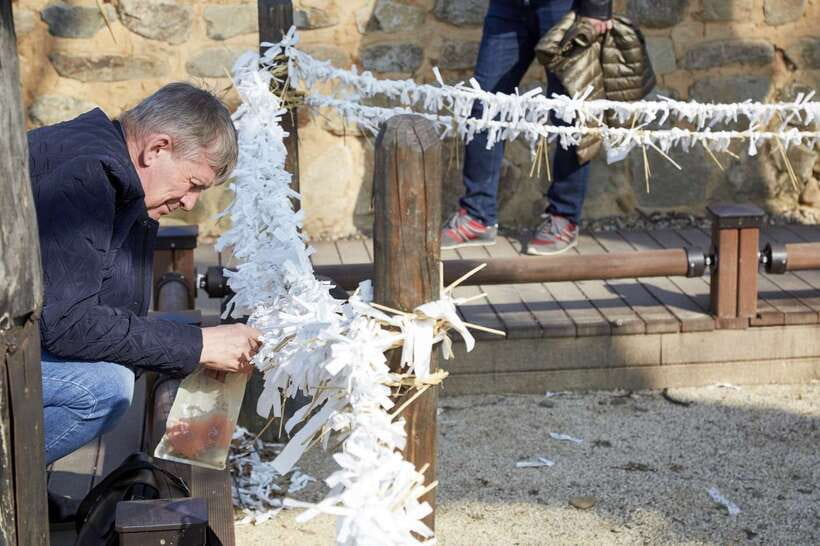
This is the day where UNESCO fans start grinning, because it’s packed with standout sites—and the style changes from temple-mountain to Joseon-era village.
Seokguram Grotto
You begin with Seokguram Grotto, followed by time at the temple and heritage setting around it. Grotto sites often feel like a mix of architecture and atmosphere—quiet corners, carved stone, and a strong sense of place. The only real drawback is that grotto visits can mean long walks and indoor/outdoor temperature shifts, so dress for layers.
Bulguksa Temple
Then comes Bulguksa Temple, another UNESCO anchor in Gyeongju. Temple day can be surprisingly tiring if you treat it like a checklist, so I recommend you pause and actually look. Focus on the scale and how the buildings sit together. That attention makes the whole thing click.
Andong Hahoe Folk Village (UNESCO)
Later you go to Andong Hahoe Folk Village, preserved Joseon Dynasty ancient housing, and also UNESCO-listed. This is one of the best “you can feel the period” experiences on the tour because it’s not only about what was built—it’s about how the place is organized and remembered. It’s also a fun contrast after temple stone: now you’re looking at everyday architecture, not only grand religious space.
One practical note: village walking can mean uneven ground and lots of stairs or footpaths depending on where you stop. Comfortable shoes aren’t optional on a day like this.
End in Pyeongchang with downtime
Finally, you head to Pyeongchang for hotel check-in at Ramada Hotel PyeongChang or similar, with some leisure time. That downtime is valuable. After four heritage-heavy days, it’s when you can recharge your feet and decide how you want to pace the last day.
Day 5: Mt. Seorak UNESCO Biosphere District and the Gwongeumseong Fortress Cable Car Option
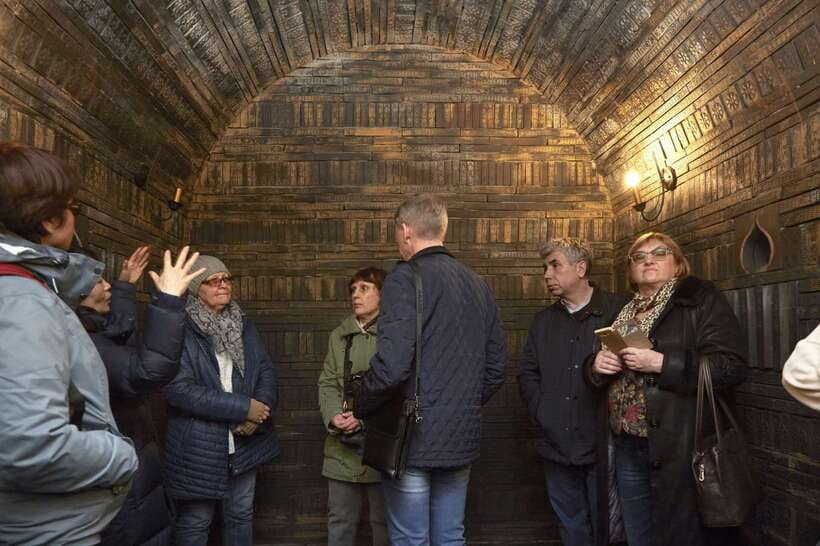
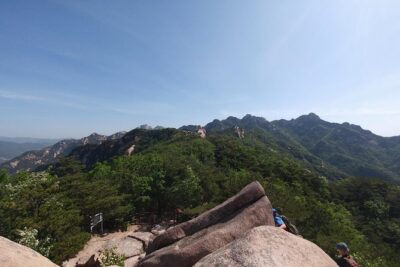
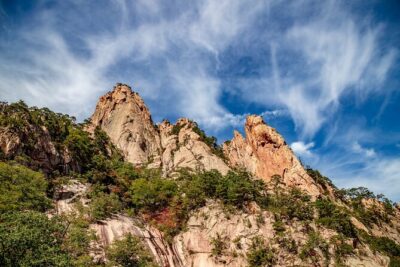
The last day goes for nature drama. Mt. Seorak National Park is UNESCO-listed as a Biosphere Preservation District, and it’s famous for its dramatic valleys and peaks.
Mt. Seorak National Park (UNESCO)
Your schedule is built around the park visit, with time to take in the natural scenery. The park is especially notable for the feeling of scale—water moving through valleys, and peaks breaking through clouds. If you’re the type who enjoys being outdoors for its own sake, this will land.
The practical catch is timing and access. In October, Seoraksan could be restricted and may be skipped. When that happens, the tour notes buses can be restricted for entry, and you might need to walk 3.6 km from the parking lot to the entrance. If you’re booking for October, plan your expectations around a possible change and be mentally ready for a longer walk.
Optional cable car to Gwongeumseong Fortress
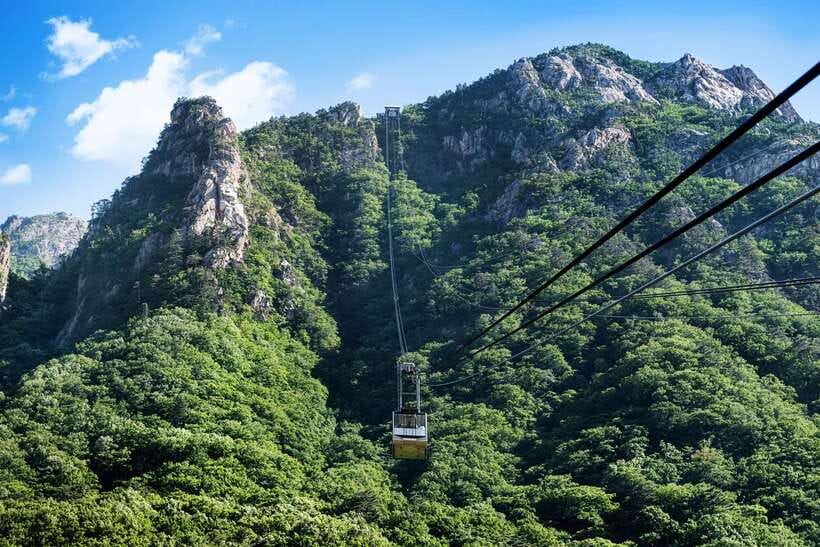
You can also take a cable car to Gwongeumseong Fortress (optional). The idea is simple: use the ride to get a bigger view without spending the whole day climbing. The tour also mentions this option in connection with Shinheungsa temple. If weather is clear, the payoff tends to be worth it; if it’s cloudy, you’ll still get the mountain atmosphere.
Return to Seoul by 17:00
You finish with a transfer back to Seoul, arriving at Gwanghwamun at 17:00. That’s a helpful end point if you’ve got a dinner plan or need to catch onward transportation.
Hotels, Meals, and the Pace Reality Check
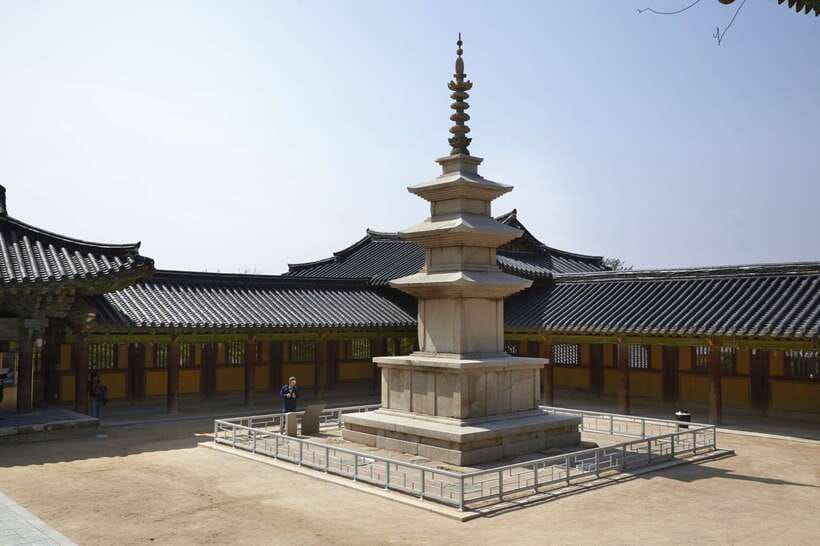
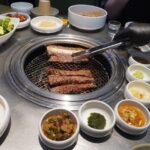
This tour includes four nights of hotel accommodation (twin or triple sharing) plus breakfast. Lunch and dinner are not included, so you’ll either pay out of pocket or buy simple meals on the way.
Hotels are listed as “or similar,” including:
- Jeonju: Jeonju Ramada hotel or similar
- Yeosu: Ramada Plaza by Wyndham Seoul or similar (listed as Ramada Plaza by Wyndham Yeosu)
- Gyeongju: Gyeongju Commodore Hotel or similar
- Pyeongchang: Ramada Hotel PyeongChang or similar
That “or similar” wording matters. In one case, a guest felt the chosen room category wasn’t ideal, with a location near a route or parking area. You can’t always control that, but it’s smart to ask at check-in about the quietest room option.
The pace: mostly “see it, move it, see it”
Expect you’ll be checking into hotels after long days. One plus: the tour is well organized, and guide teams have helped people get through almost everything even when outside factors (like crowding during major events) compress the day. Still, your feet will do work, and you won’t have hours of free time at every stop.
If you like a slower rhythm, consider adding extra days elsewhere (before or after the tour). One guest even suggested that a bit more time would have improved the balance.
Price Value: What $999 Actually Buys You
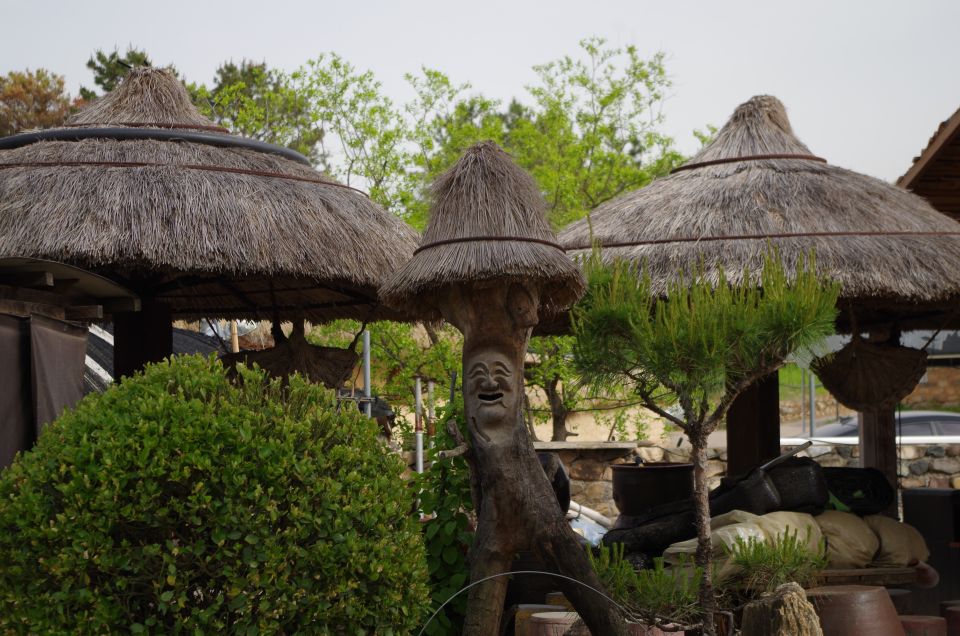
At $999 per person, you’re not just paying for sightseeing. You’re paying for:
- Four nights in a shared room with breakfast
- An English-speaking guide
- Entry tickets for selected attractions
- Intercity air-conditioned transport
- A route that moves you between major UNESCO clusters without you coordinating everything yourself
If you tried to plan a route like this on your own, you’d likely spend a lot more time on logistics: trains or buses, ticket timing, and sequencing UNESCO sites that are spread out. The tour price makes the most sense if you value time and want a guide to handle the day-to-day decisions.
Where the value can feel less perfect is when any day gets compressed by conditions you can’t control, like October access rules in Seorak, or closed dates for something like Suncheon Bay Garden. That’s not a “scam” issue—it’s a scheduling reality. You just want to book with eyes open.
Practical Tips That Make the Whole Trip Easier
A few details can save you headaches on this route.
First, bring comfortable shoes. This tour mixes tombs, fortresses, temple grounds, grotto areas, and walking villages. Even if you’re not doing long hikes, you’re on your feet a lot.
Second, prepare enough KRW before you go. The tour guidance notes it can be hard to exchange currency during the trip, so don’t rely on last-minute ATM luck every day.
Third, plan for schedule changes. October can bring restrictions around park access, and the tour itself may adjust the Seoraksan portion. If weather or operations affect timing, a good guide can still keep the day valuable, but you should keep flexibility as part of your mindset.
Finally, meet your guide on time at the Gwanghwamun meeting point. This is how you keep mornings smooth, especially when you’re jumping between multiple cities.
Should You Book This Tour?
I’d book this if you want a guided UNESCO-and-coast trip that doesn’t leave you wrestling with logistics. It’s also a strong choice if you enjoy variety: modern history in Gwangju, food energy at Jagalchi, UNESCO temples in Gyeongju, and mountain nature at Seorak.
I’d think twice if:
- You’re traveling in October and don’t want the possibility of Seoraksan being restricted or skipped
- You prefer slow travel with lots of downtime
- You’re picky about hotel room location and want guaranteed quiet conditions (the tour uses “or similar,” and rooms can vary)
If you’re okay with a packed schedule and you want someone to map out the best sequence for you, this is a smart way to see a lot of Korea in five days.
FAQ
Where is the meeting point in Seoul?
Meet your guide at Donghwa Duty Free Shop Building at Gwanghwamun Intersection. Your guide will be holding a K-shuttle sign board, and you should use Metro Gwanghwamun Station Exit 6.
What’s included in the tour price?
Included are 4 nights of hotel accommodation (twin or triple sharing), hotel breakfast, an English-speaking guide, entry tickets for selected attractions, and air-conditioned transportation.
Are lunch and dinner included?
No. Lunch and dinner are not included in the tour price.
Will Mt. Seorak always be included?
Not necessarily. The tour notes that visiting Seoraksan could be restricted and may be skipped in October. If access is restricted, buses may not be able to enter and you may have to walk 3.6 km from the parking lot.
What hotels will I stay in?
Hotels are listed as: Jeonju Ramada hotel or similar; Ramada Plaza by Wyndham Yeosu or similar; Gyeongju Commodore Hotel or similar; and Ramada Hotel PyeongChang or similar. You get 4 nights total in twin or triple sharing.
Is there free cancellation?
Yes. The tour offers free cancellation up to 3 days in advance for a full refund.