REVIEW · SEOUL
Afternoon E-bike tour and “Happy Hour” food and drinks
Book on Viator →Operated by We Ride Korea Bicycle Tours · Bookable on Viator
Seoul feels huge at first, then this tour shrinks it fast. You get an organized afternoon loop that mixes major sights with side streets, plus an easy final “Happy Hour” stop where you can eat and drink after the ride. It’s a great way to get your bearings without overplanning.
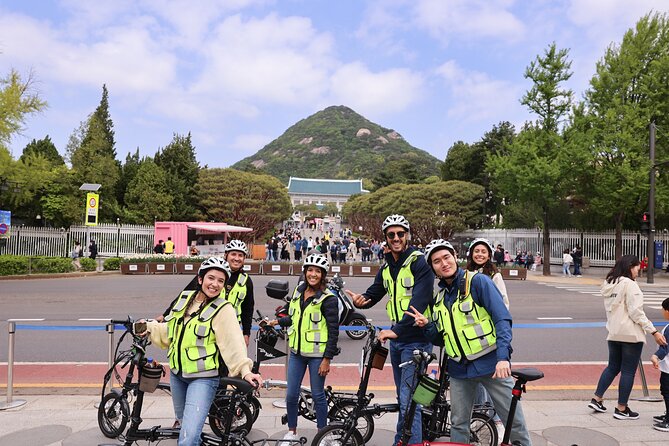
I love two things most. First, the small group (max 10) keeps the pace calm and lets you ask questions without feeling rushed. Second, the included e-bike setup, helmet, and insurance makes it feel like a true tour activity, not just bike rental plus directions.
One thing to keep in mind: it depends on good weather, so if skies don’t cooperate, you may need to switch dates or get a refund. If you’re traveling during rainy stretches, plan flexibility.
In This Review
- Key points at a glance
- Why this 2:30 pm e-bike tour works for first-time Seoul
- The real value behind the $105 price
- Start at We Ride Korea: fitting, safety, and how the ride actually begins
- Cheonggyecheon to Gwanghwamun: the Seoul core you can cover fast
- Stop: Cheonggyecheon Berlin Square (about 10 minutes)
- Stop: Cheonggyecheon Stream (about 10 minutes)
- Stop: Gwanghwamun Square (about 10 minutes)
- House of Baek Inje and Ikseon-dong: where Seoul feels more human
- Stop: House of Baek Inje (about 10 minutes)
- Stop: Ikseon-dong (about 15 minutes)
- Daehanmun Gate and the palace edge: small time, clear meaning
- Stop: Daehanmun Gate (about 5 minutes)
- Changdeokgung Palace in 10 minutes: what to focus on
- Happy Hour food and drinks: the part you’ll actually remember
- What’s included
- How to use this hour well
- Group size, guides, and pacing: how to know if this fits you
- Practical tips to make the ride smoother
- Should you book this e-bike + Happy Hour Seoul tour?
- FAQ
- What time does the tour start?
- Where is the meeting point?
- How long is the tour?
- How large is the group?
- Is the e-bike, helmet, and insurance included in the price?
- Do I need to buy admission tickets for the stops?
- What happens if the weather is bad?
Key points at a glance
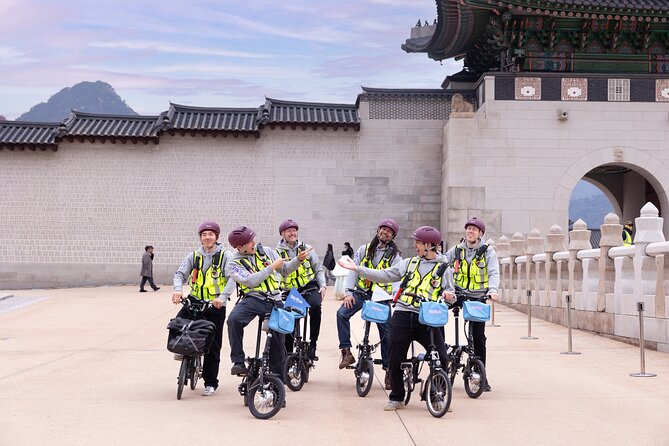
- Small-group cap of 10 keeps the ride personable and question-friendly
- E-bike, helmet, and insurance included takes the worry out of your first Seoul cycling day
- Cheonggyecheon + Gwanghwamun core sights in a short, efficient route
- Traditional Seoul stops like Ikseon-dong and House of Baek Inje add texture beyond the big plazas
- Happy Hour food and drinks included with seasonal Korean options and market treats
- Arrive 20–30 minutes early for fitting and safety briefing so the ride actually flows
Why this 2:30 pm e-bike tour works for first-time Seoul
The timing is smart. A 2:30 pm start gives you enough daylight to see major landmarks clearly, but you still end while the city is in its evening swing. That means your last stop can actually be fun food-and-drink time, not a rushed last-minute snack.
This route also matches how Seoul is built. Even when you’re only outside for a few hours, you’ll be bouncing between wide plazas and narrower lanes. The e-bike helps you move through it without turning the trip into an all-day leg workout.
If you’re brand-new to Seoul, this kind of afternoon structure is a lifesaver. You come away with a mental map: where palaces sit, how major waterways cut through the city, and which neighborhoods feel old-meets-new instead of just modern.
You can also read our reviews of more food & drink experiences in Seoul
The real value behind the $105 price
$105 sounds “tour-ish,” but the value is in the bundle. Your price includes the e-bike, a safety helmet, and insurance, plus guided time and snacks. On top of that, the afternoon ends with a longer stop for food and drinks at local restaurants, so you’re not paying extra at the finish line.
You also get a route that’s designed for limited time. You’re not stuck choosing between distant neighborhoods or spending half your afternoon transferring on public transit. Instead, the ride format keeps things moving while still giving you real stops—like Cheonggyecheon and Gwanghwamun—where you can actually look and understand what you’re seeing.
One subtle benefit: guided cycling helps you see the places you might otherwise miss. Seoul isn’t only about iconic gates and palaces. It’s also about the small transitions—streets that feel more traditional, corners where locals linger, and waterways that explain why the city developed the way it did.
Start at We Ride Korea: fitting, safety, and how the ride actually begins
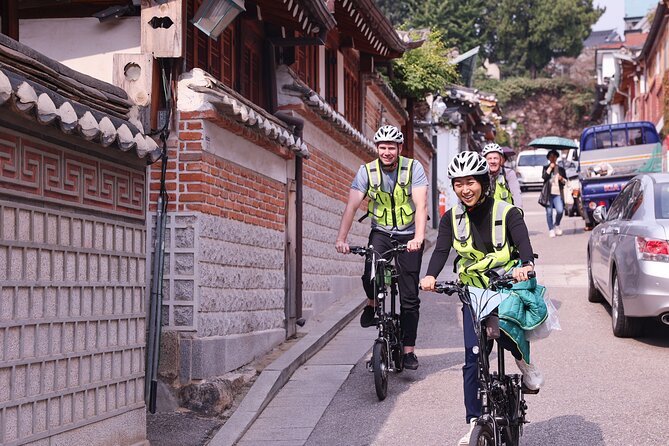
Your tour kicks off at We Ride Korea Bicycle Tours & Rentals, near Le Meiller Jongno Town (19 Jong-ro, Jongno District). The key detail is that you should arrive 20–30 minutes early. That early window isn’t just paperwork. It’s for bike fitting and safety education so you can ride confidently once the group starts rolling.
Think of this part as your gear-up phase. If you’ve never ridden an e-bike before, having time for a proper fit matters. A comfortable seat and clear handling make the difference between enjoying the ride and spending the first 15 minutes thinking only about balance.
Guides like Hagar, Taejin, and Vincent are repeatedly associated with a calm, attentive approach to safety and pacing. Even if you’re nervous, the goal here is to make you feel set up for success before you’re navigating traffic and turning corners.
Cheonggyecheon to Gwanghwamun: the Seoul core you can cover fast
After the setup, the tour flows into the city’s major storylines. You’ll spend time near Cheonggyecheon Berlin Square and then continue along the Cheonggyecheon Stream.
Stop: Cheonggyecheon Berlin Square (about 10 minutes)
This is one of those places where the setting does part of the explaining. You’ll get guided context for how Korea became divided—an emotional subject, but presented in a focused way you can absorb in a short stop. It’s not a long lecture. It’s more like a key chapter marker.
You can also read our reviews of more tours and experiences in Seoul
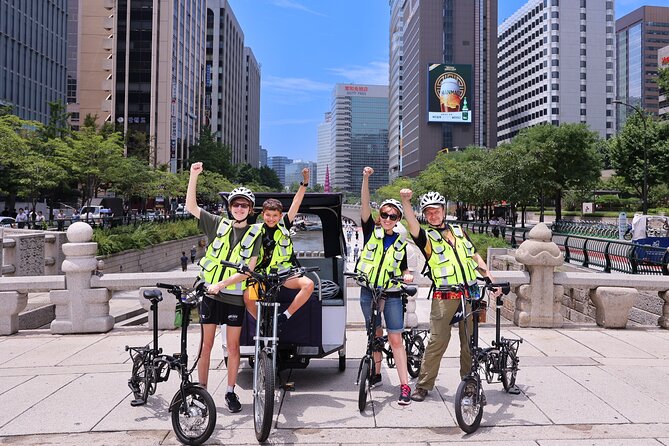
Stop: Cheonggyecheon Stream (about 10 minutes)
Cheonggyecheon is also simply pleasant. As the old main waterway, it gives you an easy, walk-and-look moment without needing museum stamina. You can pause, take in the waterway’s layout, and understand why this area matters both historically and in modern Seoul life.
Even if you don’t consider yourself a history person, this stretch works because you get an emotional anchor and then a visually calming break. It’s a smart rhythm.
Stop: Gwanghwamun Square (about 10 minutes)
Then you land in the center of action: Gwanghwamun Square. It’s a grand plaza with symbolic figures from Korean history, and it also functions as a breather point. In a bike tour, these kind of pauses are valuable. They reset your eyes before you move back into streets.
House of Baek Inje and Ikseon-dong: where Seoul feels more human
After the core sightseeing, the route leans into texture—traditional houses, older neighborhoods, and smaller-scale scenes.
Stop: House of Baek Inje (about 10 minutes)
This stop is built around learning what makes a Korean traditional home work. You’ll get an explanation of key features and how those elements still show up in today’s use. Ten minutes is short, but it’s enough to give you a mental framework. You start recognizing architectural differences instead of just seeing old buildings.
Stop: Ikseon-dong (about 15 minutes)
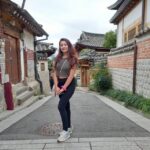
Ikseon-dong is often where people start feeling the “past meets present” vibe. The tour gives you time in this traditional housing district, which is exactly what you need if you want a neighborhood feel without losing half your day.
This is also one of the best places for a quick reality check. After you’ve seen big landmarks, Ikseon-dong helps you notice street life: how buildings sit, how people move, and what kinds of small businesses line the lanes.
Even if you plan to return later, this stop helps you decide what to pursue next. You’ll know what kind of area you actually like.
Daehanmun Gate and the palace edge: small time, clear meaning
The tour keeps one foot in palace territory through Daehanmun Gate.
Stop: Daehanmun Gate (about 5 minutes)
It’s brief by design, but it’s still meaningful. You’ll be told it’s the current main gate of Deoksugung Palace, built in the late 19th century, and that it symbolizes a transition into a modern Korean period.
This is the kind of stop that works on an e-bike day. The group doesn’t linger too long. You get the significance, you take your photos, and you move on before the route becomes a slog.
If you want deeper palace time, this tour won’t replace a palace-focused day. But it will give you orientation. After these brief palace-edge moments, you’re more likely to pick the right palace for a longer visit later.
Changdeokgung Palace in 10 minutes: what to focus on
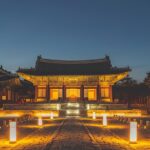
The final sightseeing stop is Changdeokgung Palace (about 10 minutes). The Joseon Dynasty kings’ “seat of power” is the backdrop here, and even a short stop helps you appreciate scale and importance.
With only ten minutes, don’t try to “see everything.” Instead, look for what’s most visually distinct from outside—major gates, the way walls and courtyards shape movement, and how the palace feels ordered and intentional.
This is also where you’ll appreciate the earlier stops. When you’ve already spent time near Deoksugung’s gate and learned how palaces connect to Korea’s historical shifts, Changdeokgung stops feel more legible. You’re not staring at architecture with zero context.
Happy Hour food and drinks: the part you’ll actually remember
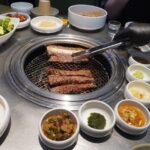
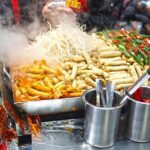
The biggest emotional payoff comes after the ride. At the end, you drop off the bikes and head into local Korean food and drink.
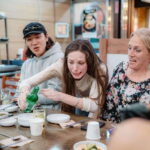
This part is about real recovery: you’ll go from cycling posture to sitting, eating, and chatting. It also gives the tour a very Seoul rhythm. People wind down together over food, and that social break is a natural fit here.
What’s included
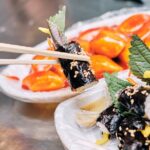
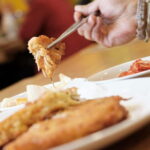
The stop is about 1 hour, and it includes snacks plus a “favorite Korean soul food” style meal and drinks. The menu is seasonal:
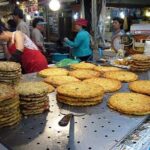
- In winter, you can expect kimchi soup, Korean pancakes, and Makolli rice wine.
- In summer, you can expect K-fried chicken and other seasonal treats.
Even when your personal tastes lean savory or spicy, this format is usually flexible enough to find something you’ll enjoy. And Makolli is a big win if you want a Korean drink that feels local rather than tourist-only.
How to use this hour well
Arrive hungry but not frantic. If you snack too heavily during the ride, the dinner portion might feel small. If you skip everything until Happy Hour, the first few bites will feel like a feast.
Also, this is a great time to ask your guide for recommendations. Past riders have singled out guides like Vincent for combining safety and city know-how, then steering people toward what to do next. Use that hour to decide whether you want another palace, a neighborhood walk, or a specific kind of Seoul food you can’t get the same way at home.
Group size, guides, and pacing: how to know if this fits you
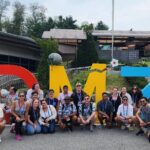
This tour caps at 10 travelers, and that matters more than it sounds. A smaller group means your guide can manage turns, wait times, and instructions without turning the ride into a factory line. It also means you can ask a question and actually get an answer that fits where you are right now.
It’s also described as ideal for first time visitors and people with limited time. That’s accurate in practice: the route hits key areas and gives short, meaningful stops rather than long, tiring museum marathons.
You should consider a pedicab option too if you have additional mobility needs. The tour notes you can join via pedicab at the same price. That’s helpful if you want the same route without the full cycling component.
And if you’re traveling with a service animal, the tour allows it. The meeting point is near public transportation, which makes it easier to connect from other parts of the city.
Practical tips to make the ride smoother
Bring the basics and you’ll be fine.
- Wear closed-toe shoes you can pedal comfortably in.
- If you’re sensitive to temperature swings, dress in layers. The ride starts mid-afternoon and ends after sunset lighting often changes.
- Show up early for the fit. It’s not optional busywork; it helps you get comfortable fast.
- Bring a refillable water bottle if you get thirsty easily. The tour includes snacks, but you’ll still want steady hydration.
Most importantly: treat the e-bike as a guided activity, not a free-for-all. When you follow the guide’s rhythm, the route stays enjoyable and safe.
Should you book this e-bike + Happy Hour Seoul tour?
Book it if you want a smart, time-efficient introduction to Seoul that includes both sightseeing and a real food stop. The combination of small-group cycling, helmet + insurance, and an included Happy Hour makes it a solid value compared with paying separately for bike time and a meal later.
I’d also lean toward booking if you’re traveling with someone who doesn’t want a full-day walking tour. This lets you cover more ground without that constant “where are we going next” stress.
Don’t book it if you already have a deep palace plan and you want maximum time inside each site. This is a “see the shape of Seoul” kind of day, not a slow, museum-grade crawl. Also, because it depends on good weather, keep your schedule flexible enough to adjust if needed.
If your goal is: get oriented fast, learn what you’re looking at, and end with Korean food and drinks, this is a strong bet.
FAQ
What time does the tour start?
The tour starts at 2:30 pm.
Where is the meeting point?
The meeting point is Le Meiller Jongno Town, 19 Jong-ro, Jongno District, Seoul, South Korea, and you return there at the end.
How long is the tour?
It runs about 3 hours total (approx.).
How large is the group?
The tour has a maximum of 10 travelers.
Is the e-bike, helmet, and insurance included in the price?
Yes. The tour includes use of the e-bike, a safety helmet, and insurance.
Do I need to buy admission tickets for the stops?
The tour notes that several stops have free admission. Also, your entry tickets are not included where admission is listed as not included, so you’ll want to follow what your guide tells you on the day.
What happens if the weather is bad?
The tour requires good weather. If it’s canceled due to poor weather, you’ll be offered a different date or a full refund.