REVIEW · SEOUL
DMZ Guided Tour & Suspension Bridge / North Korean Defector
Book on Viator →Operated by Korea Time Tour · Bookable on Viator
Division feels real when a defector talks. What makes this DMZ tour special is the Defector-led lecture paired with the on-site DMZ locations, so you’re not just sightseeing history. I especially like how the day layers in multiple viewpoints, including the weight of the 3rd Infiltration Tunnel area, and the option to add a suspension-bridge stop for extra views and photos. The main drawback is simple: it’s a long, full day that starts early, so if you want a slow, relaxed pace, this may feel like a push.
You’ll move by bus from Seoul with an English-speaking guide, hitting the core DMZ highlights at a steady tempo. The tour is built around well-known stops like Imjingak Peace Park, the Dora Observatory area, and Unification Village, with some flexibility if weather or access changes. If the sky is clear, you might even see North Korea from Dora Observatory, which is exactly the kind of moment this route is designed for.
In This Review
- Key Points to Know Before You Go
- What Makes This DMZ Tour Different: A Defector-Led Lecture
- Price and Value: Why $44.70 Can Still Feel Worth It
- The Long Morning in Seoul: Getting to the Start Line
- Imjingak Peace Park: Where the Day Becomes Personal
- Bridge of Freedom, Unification Bridge, and the North Korea Experience Hall
- 3rd Infiltration Tunnel: The Stop That Demands Respect
- Dora Observatory and Unification Village: The View Depends on the Sky
- Optional Gamaksan Suspension Bridge: Worth It If You Want Views
- Transfers, Duration, and Group Size: What the Day Really Feels Like
- Practical Tips That Make DMZ Days Smoother
- Should You Book This DMZ Tour With a Defector Lecture?
- FAQ
- What is the duration of this DMZ guided tour?
- How much does the tour cost?
- Where do you meet in Seoul?
- Is there an option for the suspension bridge?
- Do you get a guide and is it in English?
- What DMZ-related places are included?
- Is a meeting with a North Korean defector included?
- Are meals included?
- What should I do if I have health concerns about the 3rd tunnel?
- What happens if weather is poor or sites are closed?
Key Points to Know Before You Go
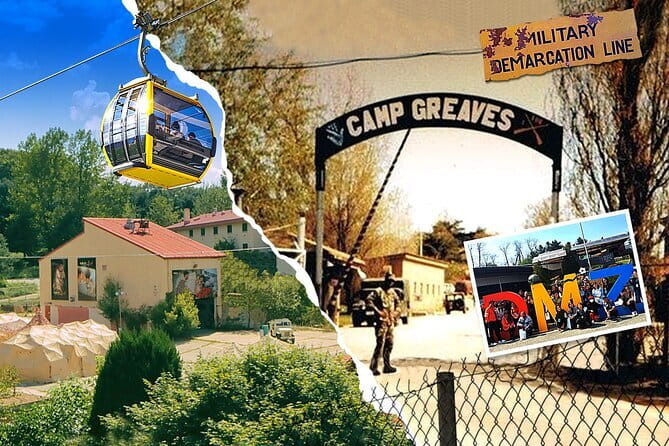
- Defector lecture, same-day context: You listen to a North Korean defector’s story while you’re already in the DMZ area, which changes how the sites land.
- Major DMZ stops in one sweep: You’ll cover core locations such as the Bridge of Freedom and Unification Bridge, not just one or two highlights.
- 3rd Infiltration Tunnel requires effort: Plan for a walk/hike segment tied to entering and exiting the area.
- Dora Observatory depends on the sky: Clear weather can mean a rare view toward North Korea.
- Optional Gamaksan suspension bridge: Choose it if you want that aerial-style perspective; skip it and you’ll generally spend more time at other stops.
- Early start and weather dependence: Good weather matters, and delays can happen due to traffic and conditions.
What Makes This DMZ Tour Different: A Defector-Led Lecture
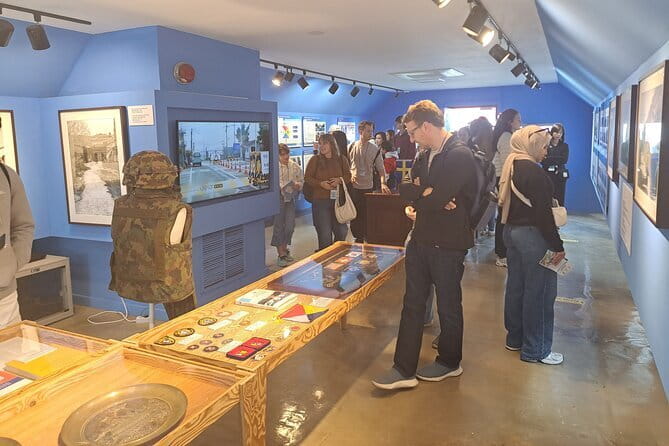
Most DMZ tours feel like a guided slideshow of border landmarks. This one adds a human layer that can’t be replicated with a video, because you hear a North Korean defector’s story during the day as you travel and stop at key places. It’s not just a lecture in a vacuum; the timing matters, because the stories connect directly to what you’re seeing.
The effect is practical, not sentimental. When you’re standing in the DMZ corridor and learning what people experienced firsthand, the sites stop being abstract. You’ll likely pay closer attention to the details that guide you through, like why certain bridges and observation points exist and what they symbolized in different eras.
There’s also a clear value angle: the tour includes that meeting/lecture experience as part of the standard package. You’re not paying extra to add a witness. For many people, that’s the whole reason to choose this format.
You can also read our reviews of more guided tours in Seoul


Price and Value: Why $44.70 Can Still Feel Worth It
At $44.70 per person, this tour sits in a price band that’s relatively accessible for a high-touch, single-day experience. The part that makes it feel like value is that you’re not paying separately for the big pieces: an English-speaking guide, round-trip transfers, admission to the attractions, and the defector-led lecture.
You’re also paying for time efficiency. The DMZ is not a quick stop; it’s a day trip where logistics can eat hours. Having transfers handled and the route structured around multiple major locations helps you avoid the hassle of stitching together public transport, ticketing, and timing on your own.
Two things to keep in mind on the value side. First, meals and beverages are not included, so you may want to budget for snacks or plan purchases. Second, you’ll spend a lot of the day in a vehicle; if you hate long bus days, you may judge the value less kindly, no matter the price.
The Long Morning in Seoul: Getting to the Start Line
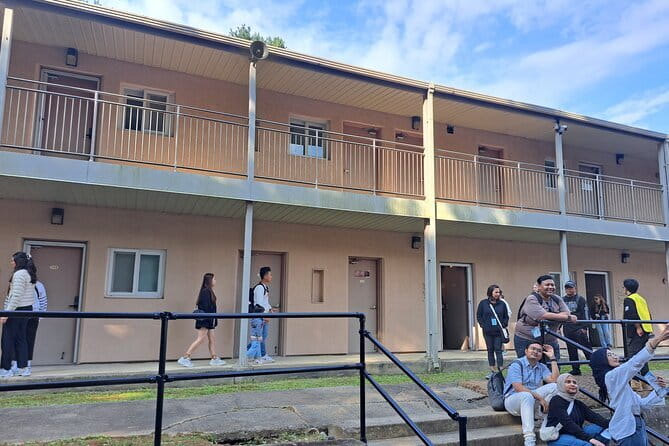
You’ll leave Seoul from one of three convenient meet-up locations. The day can start early enough that it feels like you’re catching sunrise on purpose, and the tour keeps moving until late afternoon. Expect a schedule that may shift depending on traffic and weather, because the DMZ area has real-world constraints.
The good news is that the tour runs with a mobile ticket, so you’re not stuck dealing with paper. The better news is that the guide is there from the start. When you’re doing an intense day like this, having someone explain what you’re looking at before you reach the site helps you get your bearings fast.
One more practical tip: arrive 5–10 minutes early. Latecomers or no-shows are nonrefundable, and a DMZ day doesn’t pause for someone who’s running behind.
Imjingak Peace Park: Where the Day Becomes Personal
Imjingak Peace Park is often described as a place that helps you feel the reality of division. In this tour, it acts like the emotional anchor. You’ll visit the peace park area and then move through the broader DMZ route with the defector lecture woven into the experience.
What I like about this placement is how it sets your mindset. Before you head deeper into border-adjacent viewpoints like observation areas and bridges, you get a grounding stop that frames what the DMZ means to everyday people and to the idea of reunification.
It’s also where options can matter. The tour format includes choices that pair the DMZ portion with the defector lecture and, for some versions, an added suspension bridge visit. Even if you only think of the DMZ tour as a checklist, this park stop helps the story click into place.
Bridge of Freedom, Unification Bridge, and the North Korea Experience Hall
From Imjingak Peace Park, the day continues with a set of signature DMZ stops. You’ll encounter areas like the Bridge of Freedom and Unification Bridge, which are the kind of locations where the architecture is simple, but the meaning isn’t. The guides focus on interpretation, not just views, so you’re not merely taking photos. You’re learning how these sites relate to plans, proposals, and political realities across time.
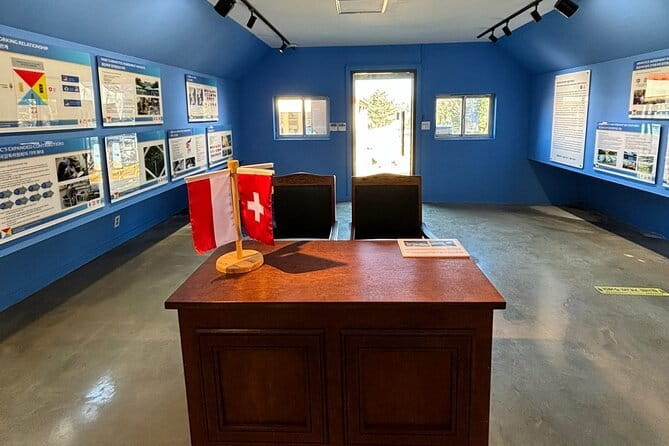
You’ll also have a stop at the North Korea Experience Hall. That’s valuable because it can give you context for what you’re seeing outside. Observation points can feel like you’re staring at distance; a hall or interpretive stop helps connect what you observe to broader ideas about identity, control, and the meaning of the DMZ itself.
A note for expectations: if certain places aren’t available because of capacity limits or weather, they can be replaced with other alternatives. So your exact order might change, but the tour stays aimed at giving you the core viewpoints and interpretive stops.



3rd Infiltration Tunnel: The Stop That Demands Respect
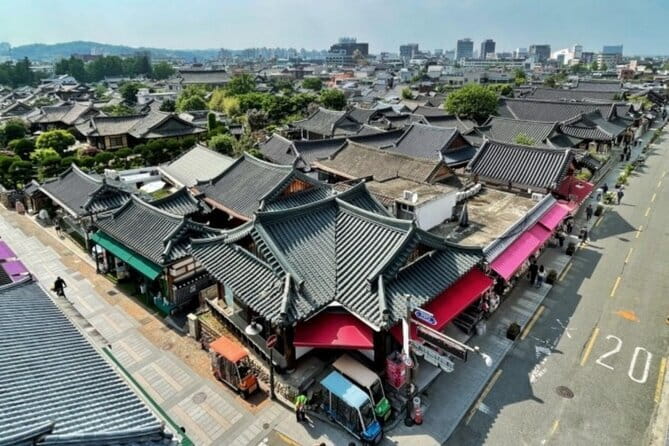
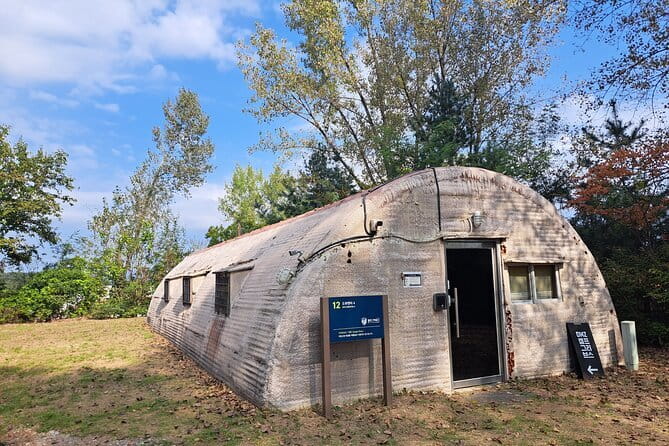
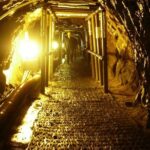
If you only care about the most dramatic stop, plan around the 3rd Infiltration Tunnel area. This is one of the parts of the tour where the physical experience matches the theme. You’ll likely need to do some hiking to enter and exit the tunnel area, and the tour estimates about 30 minutes for that process.
That’s the key consideration: this isn’t just standing on a platform. If you have health problems, you can wait outside the 3rd tunnel. The tour is designed to let you participate as much as you can without forcing you into a situation that doesn’t work for your body.
Why this stop is so highly valued is simple. It’s easier to process division when you understand the terrain and what people tried to do in the past. It turns abstract politics into something concrete: enclosed space, constrained movement, and the idea of infiltration itself.
Dora Observatory and Unification Village: The View Depends on the Sky
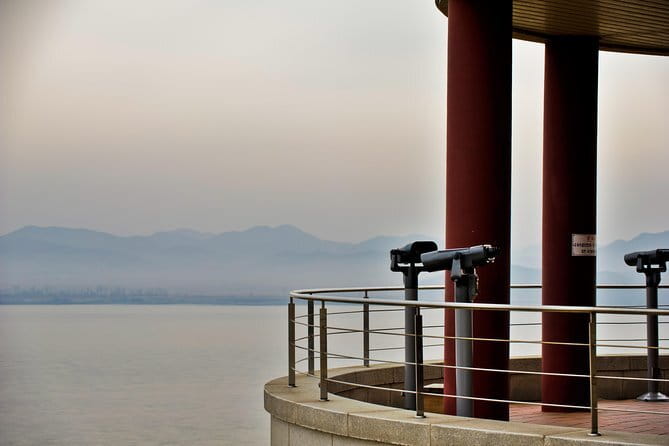
Dora Observatory is the kind of stop people remember because it links the DMZ to real sightlines. The tour notes that if the skies are clear, you can even see North Korea from there. That’s not a guarantee, but it’s the promise that makes this stop worth timing well.
Unification Village also belongs in the same category: a viewpoint and an environment tied to the idea of what could come next. Even if you don’t feel emotional at first, these are the moments where the day shifts from learning to imagining.
A balanced expectation check: you might be focused on what you can see, but the guide’s job is to help you understand what you’re looking at and why it’s framed this way. Don’t treat it like a scenery break. This is still part of the message.
Optional Gamaksan Suspension Bridge: Worth It If You Want Views

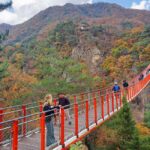
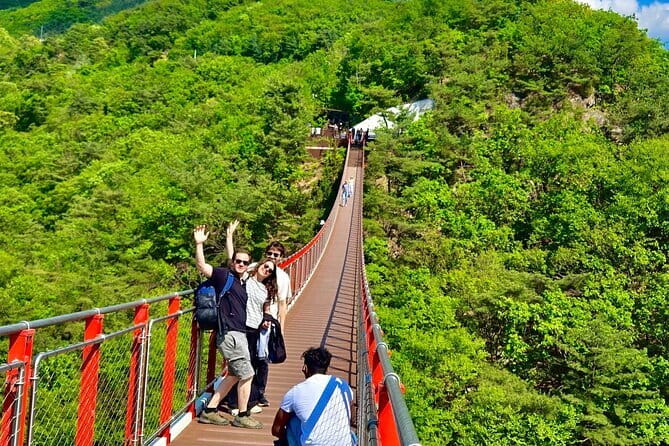
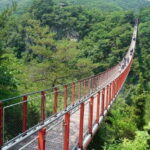
There’s an optional suspension bridge stop at Gamaksan. If you choose it, you’ll get time at the Gamaksan Suspension Bridge with admission included, and the schedule gives it about 50 minutes. This can be a nice contrast to the heavier DMZ stops, because the suspension bridge experience is more about wide-angle views and open air.
If you don’t choose the suspension bridge option, your time at other places will be longer. That matters because this tour already runs long; the optional add-on can be a decision about where you’d rather spend time—extra scenic perspective or extra DMZ site time.
Either way, it’s helpful to remember that the most emotionally intense part of the day is still the core DMZ circuit. The bridge is more of a breathing space and photo-friendly change of pace.
Transfers, Duration, and Group Size: What the Day Really Feels Like
This is a bus-based, 9–10 hour day. It includes round-trip transfers, and you’ll move between locations with your English-speaking guide. The tour also states a maximum size of 999 travelers, which suggests you won’t feel like it’s a tiny private tour. You should expect organization and some group momentum rather than quiet, slow pacing.
The day can feel intense because you’re stacking multiple major locations. A short schedule change is possible due to traffic and weather, and some attractions may be skipped due to capacity issues or weather conditions. In other words: keep a flexible mindset and don’t build your entire day around one exact photo.
One review also flagged that the tour can feel long, with only a couple of points standing out as the ones where you truly look toward North Korea. That’s a fair perspective if what you want most is direct viewing time. If you’re open to learning at each stop—bridges, halls, tunnel terrain—the full day is easier to appreciate.
Practical Tips That Make DMZ Days Smoother
Bring your energy, because you’ll be on the move most of the day. Wear comfortable shoes, especially if you plan to go into the 3rd Infiltration Tunnel area. The tour involves hiking time for entering and exiting, and you don’t want to do that in stiff, blister-prone footwear.
Plan around weather. The tour requires good weather, and if it’s canceled due to poor weather, you’ll be offered a different date or a full refund. Also, Dora Observatory’s best potential view depends on clear skies, so layers and sun protection can help even on a cool morning.
Know what’s not part of the plan: there’s no monorail included or used on this route. And meals and beverages aren’t included, so you’ll want a realistic plan for food timing during a long day.
Finally, confirm your expectations about time at each stop. If you chose the suspension bridge option, you’ll be fitting that in. If not, you’ll usually get more time elsewhere. Choose based on what you personally value more: open-air views or more time at DMZ sites.
Should You Book This DMZ Tour With a Defector Lecture?
I think this is a smart booking if you want the DMZ to feel real and human, not just scenic. The defector-led lecture is the differentiator, because it adds context while you’re already surrounded by border-adjacent locations. If you’re the kind of person who likes interpretation—how guides connect geography to meaning—this tour fits well.
Book it if you’re okay with a long, structured day and early departure. You’re trading comfort and flexibility for access to major sites in one push, including key observation areas like Dora Observatory and the powerful 3rd Infiltration Tunnel.
Skip it, or at least temper expectations, if you only care about direct looking time toward North Korea and want a lighter day. Even with that, the tour’s design includes interpretive stops that can still make the day worthwhile—you just need to go in with the right mindset.
If you want, tell me your travel dates and whether you’re interested in the suspension bridge option. I can help you decide what to prioritize for the clearest, most satisfying day.
FAQ
What is the duration of this DMZ guided tour?
The tour runs about 9 to 10 hours.
How much does the tour cost?
The price is $44.70 per person.
Where do you meet in Seoul?
You depart from three convenient meet-up locations in Seoul.
Is there an option for the suspension bridge?
Yes. Gamaksan Suspension Bridge is optional. If you skip it, your time at other places will be longer.
Do you get a guide and is it in English?
Yes. The tour includes an English-speaking guide.
What DMZ-related places are included?
Key destinations include Imjingak Peace Park and DMZ stops such as Bridge of Freedom, North Korea Experience Hall, Unification Bridge, 3rd Infiltration Tunnel, Dora Observatory, and Unification Village. If some locations are unavailable, they can be replaced with other alternatives.
Is a meeting with a North Korean defector included?
Yes. You attend a lecture led by a North Korean defector as part of the experience.
Are meals included?
No. Meals and beverages are not included.
What should I do if I have health concerns about the 3rd tunnel?
If you have any health problems, you can wait outside the 3rd tunnel. Entering and exiting the 3rd tunnel requires about 30 minutes of hiking.
What happens if weather is poor or sites are closed?
The tour requires good weather. If it’s canceled due to poor weather, you’ll be offered a different date or a full refund. If some locations are unavailable, they can be replaced with other alternatives or some attractions may be skipped due to capacity issues or weather conditions.
![[Small Group] Aegibong and DMZ Closest Views of North Korea - The 3rd Tunnel: the Cold War under your feet](https://m.discoveringseoul.com/wp-content/uploads/small-group-aegibong-and-dmz-closest-views-of-north-korea-400x267.jpg)