REVIEW · SEOUL
Seoul History Tour: Dark Past & Market Street Flavors
Book on GetYourGuide →Operated by TRIPPER · Bookable on GetYourGuide
Seoul tells its secrets in dark rooms and noodles. This tour traces Korea’s hard-fought path through Seodaemun Prison and then softens the mood with comforting stalls at Namdaemun Market—history, architecture, and food in one tight route.
What I like most is the clear connection between what happened during Japanese rule and how Seoul still carries that memory. You’ll also get a smart mix of royal setting and everyday market life, plus food tastings that feel earned, not thrown in at the end.
One consideration: parts of Seodaemun are intense, and the walking is moderate—so if you prefer lighter, minimal-footwork sightseeing, this may feel emotionally heavy.
Key things to know before you go
- Seodaemun Prison History Hall: somber cells and execution grounds tied to independence activists under Japanese colonial rule
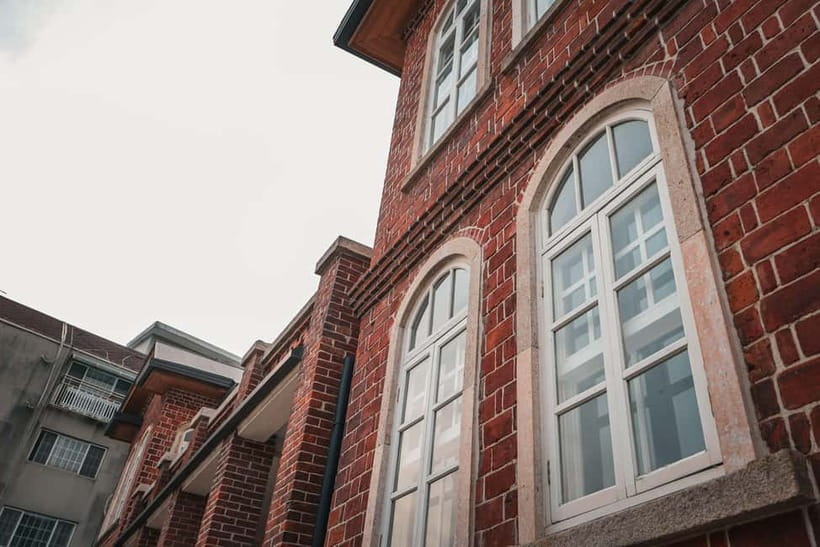
- Dilkusha: the home of Albert Taylor, an American journalist who helped spread Korea’s independence message
- Deoksugung Palace: a rare royal blend of Korean and Western architecture, connected to Emperor Gojong
- Namdaemun Market food alley: Kalguksu Alley for handmade knife-cut noodles, plus street bites like hotteok
- Small-group vibe: more questions, more back-and-forth, with guides like Janice or Ron mentioned as particularly engaging
In This Review
- Starting at Dongnimmun: Setting the tone before the hard parts
- Seodaemun Prison History Hall: the resistance story in cell-block scale
- Dilkusha and Albert Taylor: why an American home mattered
- Deoksugung Palace: Korean royal space with Western architecture notes
- Seoul City Hall and Namdaemun Gate: 600 years of city entrances
- Namdaemun Market: where comfort food repairs the mood
- Food tastings without the guesswork
- The guide effect: Janice and Ron set the tone
- Price and value: what $65 buys you in Seoul
- How much walking and what to pack
- Should you book Seoul Dark Past and Market Street Flavors?
- FAQ
- Where do I meet the tour guide?
- What’s the tour language?
- What’s included in the $65 price?
- What should I bring?
- Is this tour wheelchair accessible?
- Does the tour run in rain or snow?
- How long is the tour, and where does it end?
- Can I pay later or get a refund if plans change?
Starting at Dongnimmun: Setting the tone before the hard parts
Your tour begins at Dongnimmun (Independence Gate) Station, Exit 5, where you’ll look for your guide holding a Tripper sign. That matters more than it sounds. Dongnimmun is tied to the independence story, so you start with context instead of jumping straight into details.
After that, the pacing is designed to keep moving while still letting you absorb what you’re seeing. You’ll pass by major landmarks along the way—like Seoul City Hall and Sungnyemun (Namdaemun) Gate—before you finish in the kind of place where daily Seoul shows up at street level: Namdaemun Market.
If you’re the type who likes to understand why a site matters (not just what it looks like), this is a good match. The route connects political struggle with the everyday rhythm of food culture.
Seodaemun Prison History Hall: the resistance story in cell-block scale
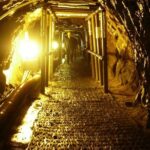
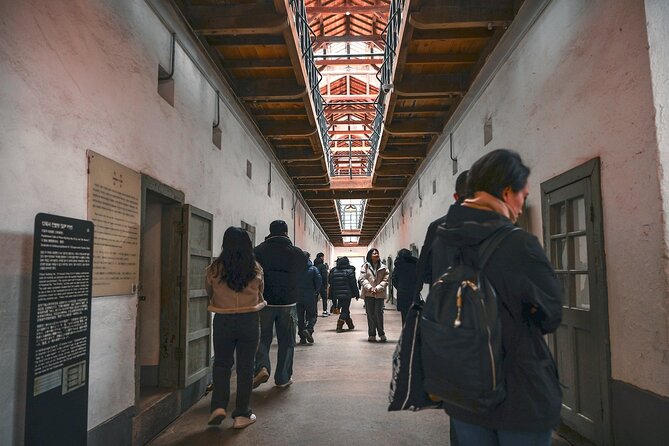
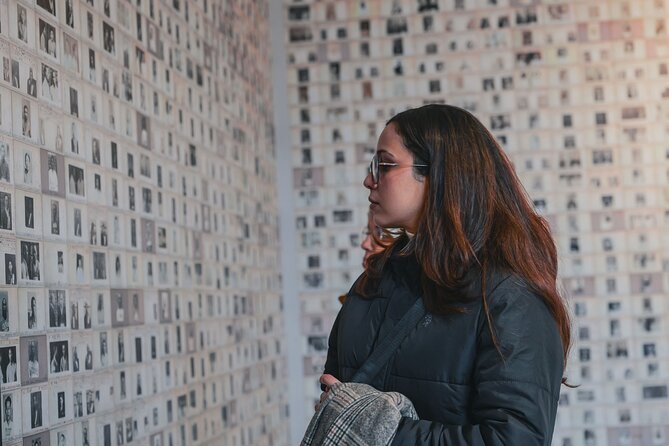
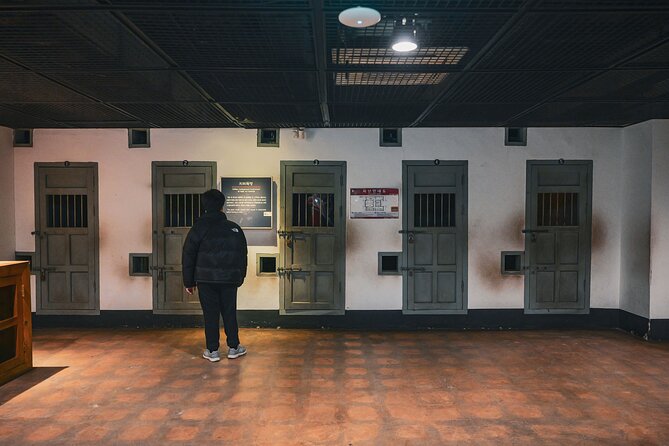
This is the emotional anchor of the tour. At Seodaemun Prison History Hall, you’ll walk through somber cells and execution grounds tied to Korean independence activists imprisoned during the Japanese colonial era. The guide’s job here isn’t to make it dramatic—it’s to make it specific and understandable.
I like that the experience is framed around real resistance, not vague “war history.” You’ll hear accounts of people who fought for freedom and see exhibits that trace Korea’s road to independence. For you, the value is perspective: modern Korea’s identity doesn’t come from nowhere. It’s tied to what was endured, documented, and carried forward.
One practical tip: pace yourself mentally. Even if you’re comfortable with history, this stop can land hard because it’s designed to feel like a place where people were actually confined. Wear comfortable shoes and let yourself take breaks when you need them.
You can also read our reviews of more historical tours in Seoul
Dilkusha and Albert Taylor: why an American home mattered
Next you’ll visit Dilkusha, connected to Albert Taylor, an American journalist who played a key role in spreading Korea’s independence movement to the world. It’s a fascinating turn in tone, because you’re not only looking at Korean resistance—you’re seeing how international attention was part of the story.
Taylor’s house is more than a name on a plaque. It’s presented as a symbol of resistance and resilience, showing how support and messaging helped Korea’s cause reach beyond its borders. If you’ve ever wondered how independence efforts gain momentum internationally, this stop gives you a grounded answer.
You’ll also get a chance to think about propaganda, media, and influence—without needing a class syllabus. The guide’s tone here matters, and the tour’s small-group format helps, because you can ask questions as they come up.
Deoksugung Palace: Korean royal space with Western architecture notes
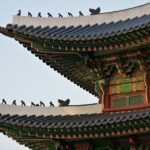
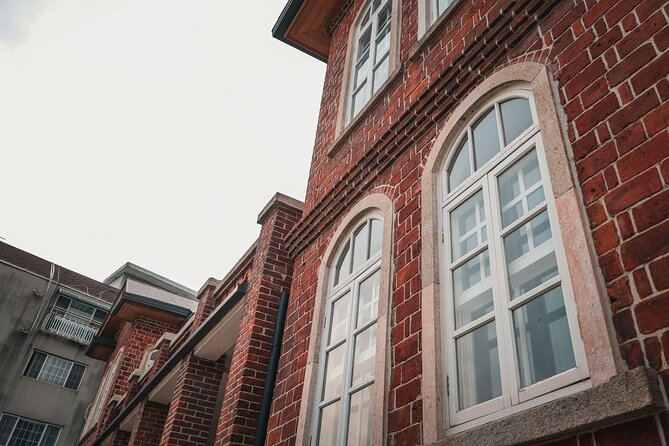
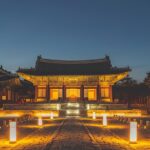
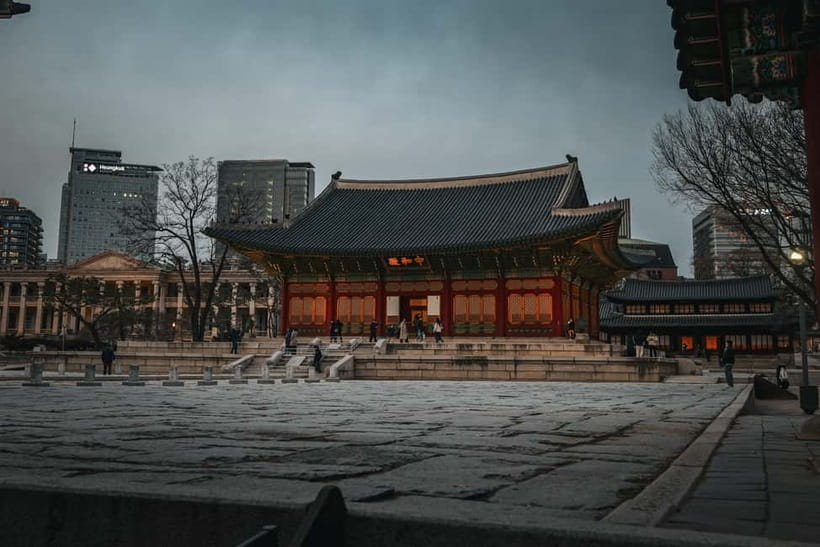
At Deoksugung Palace, you’ll slow down and look at a rare blend: Korean and Western architecture within a royal setting. That contrast is the point. It connects the image of a traditional palace to a period when Korea was trying to navigate modernization and outside pressure.
The palace is also tied to Emperor Gojong, the last emperor of Korea. You’ll learn how he sought refuge and, importantly, how he worked amid major shifts in the country. The tour’s framing helps you see Deoksugung as a living historical space, not just pretty buildings.
And yes, the setting includes a visual clash in a useful way. You’ll see the palace’s beauty set against the modern skyline near Seoul City Hall, so you can literally watch history sit next to today’s Seoul.
Possible drawback here: if you’re the type who wants lots of free time inside palaces, you’ll find the tour is more guided and structured than self-paced. But if you prefer knowing what to look for while you’re looking, it’s a win.
Seoul City Hall and Namdaemun Gate: 600 years of city entrances
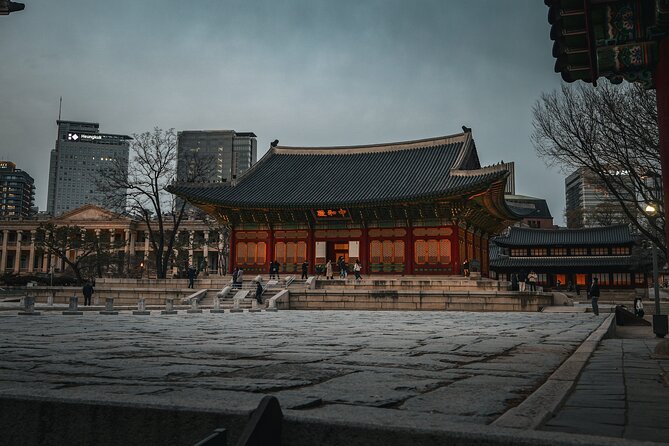
The route passes by Seoul City Hall, described as a symbol of Korea’s transformation from a colonial past to a thriving democracy. Then you’ll see Sungnyemun (Namdaemun) Gate, a 600-year-old national treasure that has stood as the city’s southern entrance since the Joseon Dynasty.
This combo works because it gives you two time scales in one stretch: democracy and monarchy, 21st-century governance and older city structure. Even if you’re not a history nerd, it helps you understand why Seoul’s landmarks look the way they do—and why gates and administrative buildings matter.
Also, these are easy visual check-ins during the day. Between more intense stops like the prison, this kind of landmark viewing keeps momentum without demanding emotional energy.
Namdaemun Market: where comfort food repairs the mood
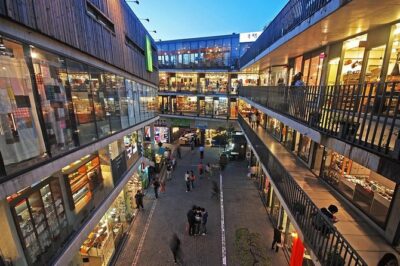
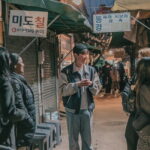
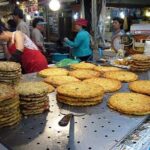
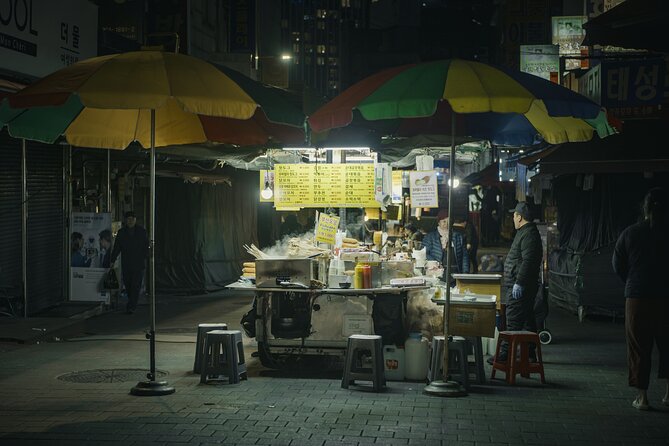
Then comes the relief. After the prison walls, you finish in Namdaemun Market, Korea’s largest and oldest traditional market, where vendors have been selling goods for over 600 years. That long timeline matters. This is not a food court with staged nostalgia; it’s a working market that locals use as part of everyday life.
The tour’s food focus is practical and centered on spots you can actually recognize on the ground:
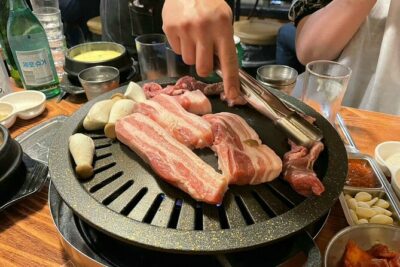
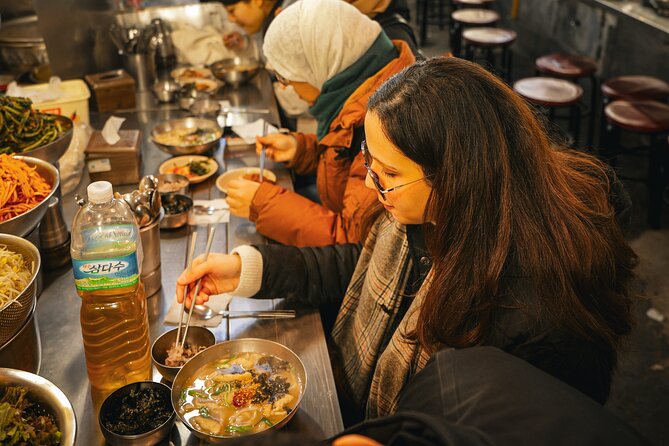
- Kalguksu Alley: a famous noodle area where locals gather in small, bustling stalls for steaming handmade knife-cut noodles
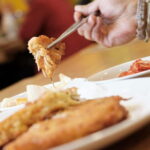
- Street food tastings like hotteok: sweet, warm, and comforting—exactly the kind of bite that feels good after a serious history session
What I like is the sequencing. You don’t get food first, then history. You earn it with context, and then you let your senses land. For you, that means the street food tastes more meaningful, because you’re eating in a place that reflects daily resilience—history you can taste.
You can also read our reviews of more shopping tours in Seoul

Food tastings without the guesswork
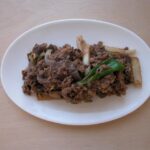
You’re not expected to plan your own lunch. The tour includes food tastings at Namdaemun Market, so you get a guided path through the food alleys instead of standing there hungry and overwhelmed.
Since the exact selection is tied to the tastings (not detailed as a full menu), I’d approach this with a simple mindset:
- Come with an appetite, because you’ll likely want more than one stop’s worth of snacks
- Expect comfort foods first, not fancy tasting menus
- If you have dietary limits, you’ll want to check directly with the operator ahead of time since the tour data only mentions specific tastings like hotteok and kalguksu
If you’re asking what to look for while you’re there, the best clues are in the tour description itself: the Kalguksu Alley stalls for noodles and the street stands offering hotteok.
The guide effect: Janice and Ron set the tone
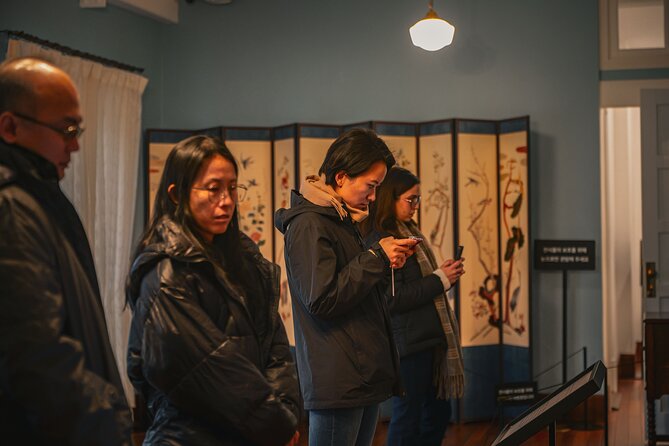
Good history tours depend on the guide voice. In the stories shared about this experience, Janice is described as passionate and full of fascinating stories—bringing emotional weight in the Seodaemun section while still keeping the experience engaging. Another guide mentioned, Ron, is described as friendly and helpful about Korean culture and food, including answering questions beyond the scheduled stops.
In practical terms, that means you should come ready to ask. If you’ve got questions about colonial rule, modernization, or why certain foods feel like Seoul comfort, your guide should have room for it—especially since the tour is small-group sized.
Price and value: what $65 buys you in Seoul
At $65 per person, this tour isn’t trying to be a luxury experience. It’s positioned as a focused day that bundles the heavy stuff and the fun stuff into one package.
Based on what’s included, you get:
- An English-speaking professional guide
- All entrance fees
- Transportation cost
- Food tastings at Namdaemun Market
That mix is usually the difference between “great on paper” and “actually worth it.” If you were doing this on your own, you’d be paying separately for palace and prison entries, and you’d spend time coordinating transit plus figuring out where to eat in Namdaemun. Here, you trade planning stress for a guided route.
The experience is also scheduled even in rain or snow, with a note that it will proceed unless it’s completely impossible. That matters in Seoul, where weather can shift fast.
How much walking and what to pack
The tour involves a moderate amount of walking. The best preparation is boring in the best way: comfortable shoes. You’re moving between multiple historical sites and walking through market areas where you’ll stand, eat, and navigate crowds.
You’ll also receive tour info by WhatsApp 1–2 days before. Make sure your contact number can be reached there. That’s where you’ll typically get the most useful last-mile guidance.
Finally, the vehicle route may switch to more walking depending on on-site conditions. In other words: build in some flexibility and don’t plan a tight next stop right after.
Should you book Seoul Dark Past and Market Street Flavors?
If you want a Seoul day that links independence-era struggle to the city you’ll actually taste in Namdaemun, this is a smart pick. The tour is also strong if you prefer guided context—especially for Seodaemun and Deoksugung—then you want food that feels like part of the story, not an afterthought.
Book it if:
- You’re curious about how Korea’s colonial period and independence movement shape modern identity
- You like seeing architectural contrast in real places, not in brochures
- You want a guided Namdaemun food experience with tastings, not guesswork
Skip it if:
- You know you can’t handle emotionally heavy sites like Seodaemun Prison
- You need wheelchair access (it’s noted as not suitable for wheelchair users)
- You have altitude sickness concerns (also noted as not suitable)
If you’re doing Seoul for the first time, this tour is a solid use of your time. You’ll leave with a clearer sense of the past—and a stomach that remembers the market in a good way.
FAQ
Where do I meet the tour guide?
Meet at Dongnimmun (Independence Gate) Station, Exit 5. The guide will be holding a Tripper sign.
What’s the tour language?
The tour runs in English.
What’s included in the $65 price?
The price includes an English-speaking professional guide, all entrance fees, transportation cost, and food tastings at Namdaemun Market.
What should I bring?
Wear comfortable shoes. The tour involves a moderate amount of walking.
Is this tour wheelchair accessible?
No. It’s listed as not suitable for wheelchair users.
Does the tour run in rain or snow?
Yes. It operates as scheduled even in rain or snow, and you’ll only be contacted separately if weather makes it completely impossible to proceed.
How long is the tour, and where does it end?
The tour ends back at the meeting point (Dongnimmun Station, Exit 5).
Can I pay later or get a refund if plans change?
You can reserve and pay later. For cancellation, you can cancel up to 24 hours in advance for a full refund.