REVIEW · SEOUL
Seoul: Gyeongbokgung Palace Half Day Tour
Book on GetYourGuide →Operated by Korea Guide Tour · Bookable on GetYourGuide
One walk through Gyeongbokgung Palace, and Seoul suddenly feels historic. I love that this is a 2-hour, guide-led visit with tickets included, so you spend your time looking at the palace instead of figuring it out. It’s also a strong pick if you want clear, human explanations of how the Joseon Dynasty shaped daily life and power at court.
My other favorite part is the way the tour moves you to the palace’s big visual moments—especially the walk that ends at Gyeonghoiru, the elevated pavilion tied to a man-made lake. One consideration: because it’s a short tour, you won’t see every corner at maximum depth, so if you’re the type who wants hours and hours inside, you may want to add extra self-guided time after.
In This Review
- Key Highlights You’ll Actually Care About
- Why Gyeongbokgung Palace Still Feels Like Seoul’s Main Story
- The 2-Hour Route: From Exit 5 to Gyeonghoiru
- Main Gate to Palace Courts: Architecture That Makes Sense
- Joseon Dynasty Stories: What You’ll Understand by the End
- Ending at Gyeonghoiru: The Elevated Pavilion Moment
- Timing, Guard Changes, and Photo Stops Without Feeling Rushed
- Price and What You Get for $38 Per Person
- Practical Tips: Where to Meet, What to Bring, and How to Avoid Stress
- Who This Tour Fits Best
- Should You Book This Gyeongbokgung Palace Half-Day Tour?
- FAQ
- How long is the Gyeongbokgung Palace half-day tour?
- Where do we meet the guide?
- Is the entrance ticket included in the price?
- Is the tour guide English-speaking?
- Is the tour wheelchair accessible?
- What should I bring?
Key Highlights You’ll Actually Care About
- Tickets included so you can start sightseeing right away
- English live guide who explains what you’re looking at and why it matters
- Gyeonghoiru pavilion plus the setting of a man-made lake
- Photo-friendly palace courts with spots connected to royal spaces
- Easy meeting point at Gyeongbokgung Station (Exit 5)
- Comfort-first pacing with time to explore after the guided portion
Why Gyeongbokgung Palace Still Feels Like Seoul’s Main Story
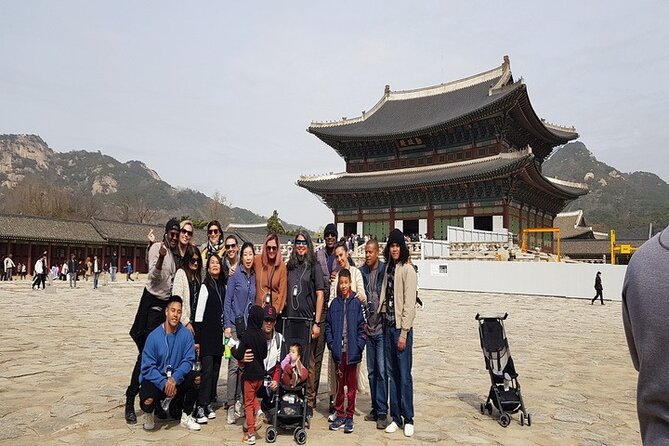
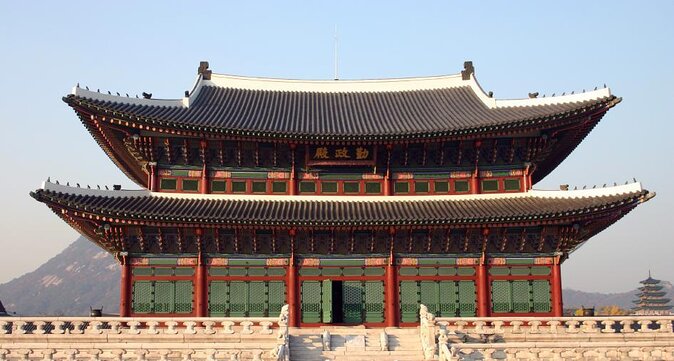
Gyeongbokgung Palace is the kind of place where the buildings do the talking. This palace was established in 1395 as the main palace of the Joseon Dynasty, and the whole estate is designed around hierarchy, movement, and ceremony. Even if you only know a few names from Korean history, the guide’s job here is to connect the architecture to the way people lived and ruled.
What makes it click fast is that you’re not just watching a slideshow. You’re walking through courts and corridors where kings and queens once stood, then hearing what the spaces were meant to accomplish. The palace layout can be confusing if you go alone, but with a guide you get a mental map quickly—and that makes your photos better, too.
This is also a good “first palace” in Seoul. It’s iconic, central, and structured enough that a half-day fits real-life schedules. You’ll leave with enough context to understand what you’re seeing later at other palace sights around the city.
You can also read our reviews of more tours and experiences in Seoul.

The 2-Hour Route: From Exit 5 to Gyeonghoiru
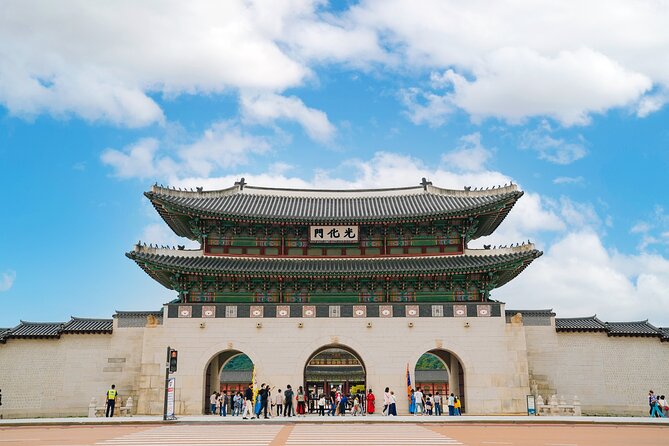
The tour starts at a simple, transit-friendly spot: meet your guide outside Gyeongbokgung Station Exit 5, at the stairs in front of the National Palace Museum of Korea. From there, you head toward the palace main gate, where you’ll get oriented and start your palace walk with momentum instead of wandering.
Next comes your first chunk of time for looking—taking in the palace architecture and getting the story behind the layout. You’ll also get the chance to stop for photos in locations connected to royal life. The tour is designed to keep moving, but not so fast that you miss key sights.
You finish at Gyeonghoiru, the largest elevated pavilion associated with the palace and set beside a man-made lake. After the guided portion ends, you get time to explore at your own pace, which is a nice way to add depth without extending the full tour hours.
At 2 hours total, this is ideal when you want a big-hit cultural experience without sacrificing an afternoon for Seoul neighborhoods.
Main Gate to Palace Courts: Architecture That Makes Sense
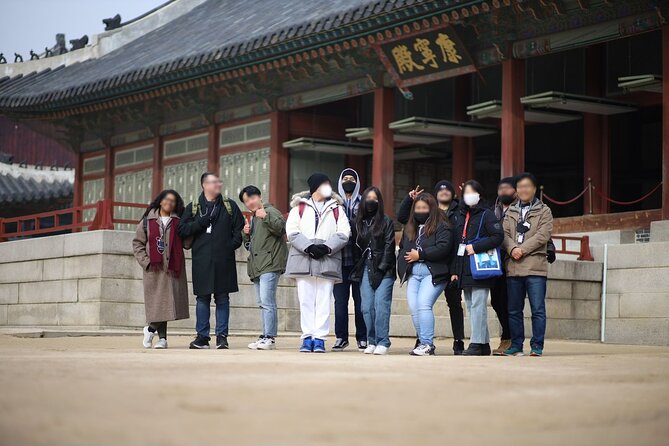
Walking through Gyeongbokgung Palace with a guide changes what you notice. Instead of treating everything as pretty scenery, you start seeing how the spaces signal importance—where authority sat, how ceremonies played out, and how movement within the palace supported protocol.
You’ll spend time near the main gate and then keep going through the estate’s major areas. The goal is to help you appreciate the impressive architecture one stop at a time, not all at once. If you’re into details, you’ll likely enjoy how the guide points out meaning in design choices rather than just naming structures.
And yes, you’ll take photos. The tour description specifically calls out locations where kings and queens once stood, which means your camera isn’t just random shutter clicks—you’re capturing places with context. That makes the images more satisfying later, when you’re trying to remember what you learned and where you were.
One practical note: a palace walk means comfortable shoes matter. Even a “short” tour can feel longer if your footwear isn’t up to uneven surfaces and lots of standing.
Joseon Dynasty Stories: What You’ll Understand by the End
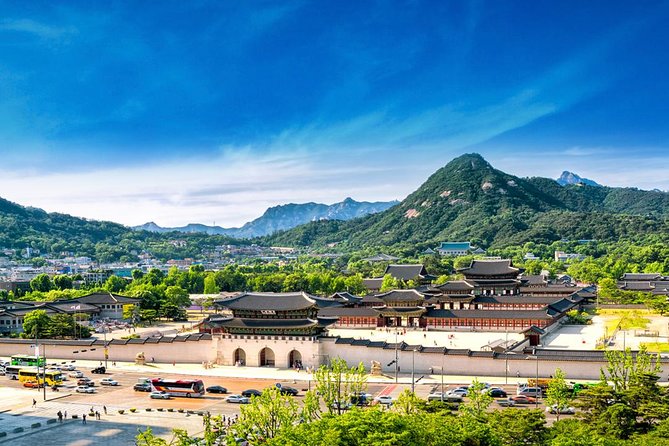
This tour is built around one thing: Joseon Dynasty history explained live while you’re in the palace itself. The palace was the main palace for Joseon rule, and the guide’s commentary aims to connect what you see to the five centuries the dynasty held power.
You’ll hear about the influence of the Joseon court on Korean society and how the palace functioned as a center of authority. The best palace tours don’t just list facts; they give you reasons. Here, the guide’s “why” is what makes the experience feel useful instead of like memorizing museum labels.
The guide also helps you keep the story human. In past groups, guides like Joy, Sally, Alan, and Winnie have been praised for answering questions clearly and keeping explanations engaging. That matters because palace history can turn abstract fast—good guides slow it down and make it make sense.
If you come in with zero background, this is still a friendly way to start. You’ll leave with a workable understanding of what the palace represents and how the Joseon era shaped Korea well beyond royal walls.
Ending at Gyeonghoiru: The Elevated Pavilion Moment
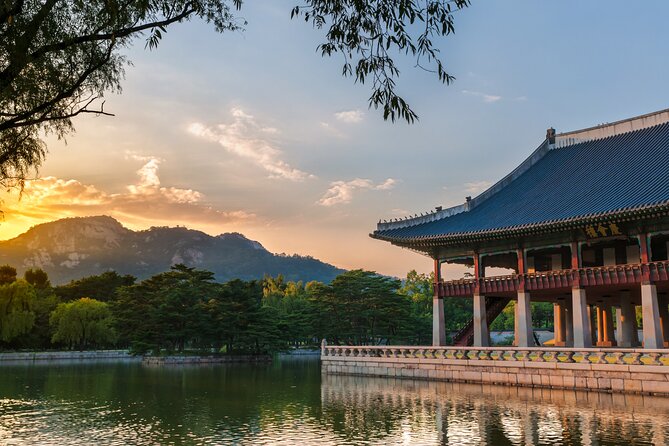
The payoff at the end of the tour is Gyeonghoiru, described as the largest elevated pavilion of the palace with a setting that includes a man-made lake. This is the kind of scene that feels designed for ceremony: it’s open, it’s prominent, and it’s visually tied to the palace’s sense of order.
When you reach the pavilion, you’re not just “done.” You’re arriving at a centerpiece. The elevated viewpoint helps you understand how court space was organized, and the lake setting gives the palace a layered feel—architecture plus water plus sightlines.
This stop is also a great moment to pause. In a short tour, you can end up rushing the last part unless you’ve got enough time. Here, you end at Gyeonghoiru, so you’re not scrambling for photos at the finish line.
Then you get a bonus: you can continue at your own pace after the tour ends. That’s your chance to linger where you enjoyed the guide’s explanation most—maybe repeating a photo spot, maybe walking a little further around the areas that captured your attention.


Timing, Guard Changes, and Photo Stops Without Feeling Rushed
Even with a tight schedule, palace tours can sometimes line up with ceremonial moments. In real-world experiences, some guides have timed visits so groups can catch the change of guards ceremony. Don’t count on it as a guarantee for every time slot, but it’s a strong possibility depending on the day and timing.
What you should count on is pacing that leaves room for photos and questions. Multiple guide accounts emphasize a calm rhythm—enough time to look closely, enough time to ask, and not so much hustling that you’re always behind the group. A good sign is when a guide creates micro-breaks, like helping the group find shade on warm days, or bringing small comfort ideas when weather turns cold.
For your photos: use the tour’s context. If you’re standing in a location connected to royal spaces, take a moment to frame your shot with the architecture in view, not just with you in front of a wall. The guide’s explanations help you choose better angles because you understand what the building is meant to communicate.
Price and What You Get for $38 Per Person
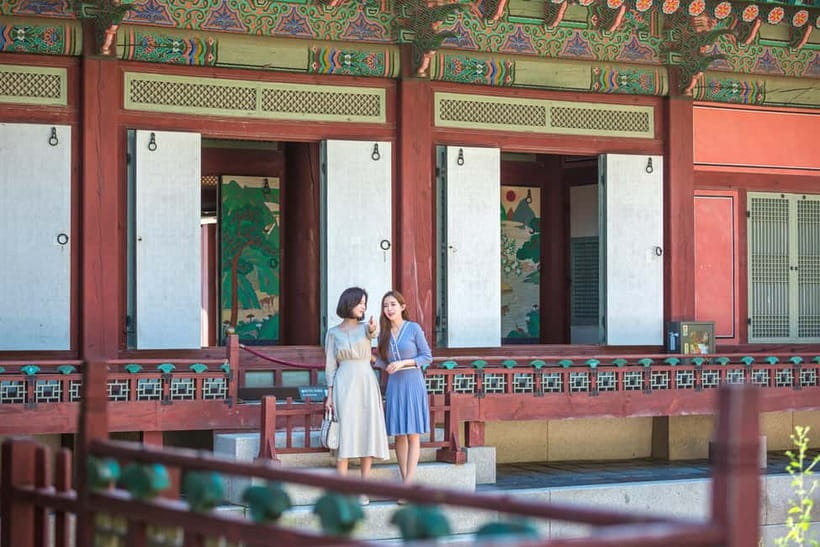
For $38 per person, you’re paying for three things: a live English-speaking guide, your entrance ticket, and a structured route that hits the palace’s biggest story points in about two hours.
The ticket inclusion is the practical value piece. If you were to do this alone, you’d still need to buy admission and spend time figuring out what’s worth your attention. Here, the guide acts like a filter so your limited time goes toward the palace’s most meaningful zones, ending with Gyeonghoiru.
Is it cheap? Not the lowest price in Seoul. But for a short, guided, ticket-included experience at a major landmark, it’s strong value—especially if you want context without turning your day into research.
Also, the tour’s short format helps you manage your Seoul day. Two hours is enough to get a core palace experience, then you can pivot to other neighborhoods, markets, or viewpoints without feeling like you’re stuck in one place all day.
Practical Tips: Where to Meet, What to Bring, and How to Avoid Stress
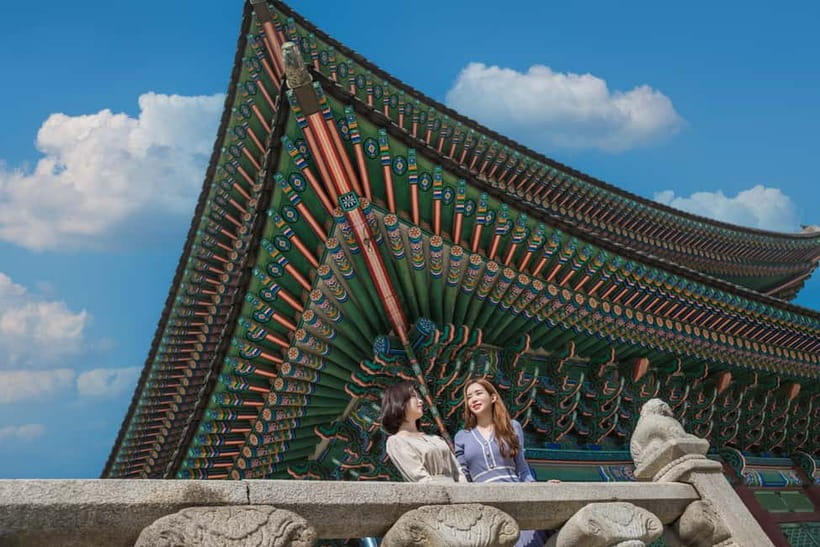
Meeting point details are clear and easy: meet your guide outside Gyeongbokgung Station Exit 5, at the stairs in front of the National Palace Museum of Korea. If your navigation app drops you one wrong turn away, you’ll still be close—one reason this is a smooth start.
They also share meetup information by email/WhatsApp. That’s helpful because palace days can get hectic, and you want to find your guide quickly before you start walking.
Bring comfortable shoes. You’re dealing with palace ground surfaces and plenty of standing, and “pretty stroll” can turn into “why didn’t I wear supportive sneakers?” faster than you think.
Weather matters too. In past experiences, guides have handled heat by planning for shade and have even offered small warmth help in cold conditions. You can’t control the day, but you can dress like it’s a walking tour, not a sitting tour.
Lastly, if you’re traveling on weekends or holidays, know that reservations may not be confirmed. And if the participant count is under 4, the tour can be canceled with notice by WhatsApp. If your schedule is tight, book early and keep an eye on messages.
Who This Tour Fits Best
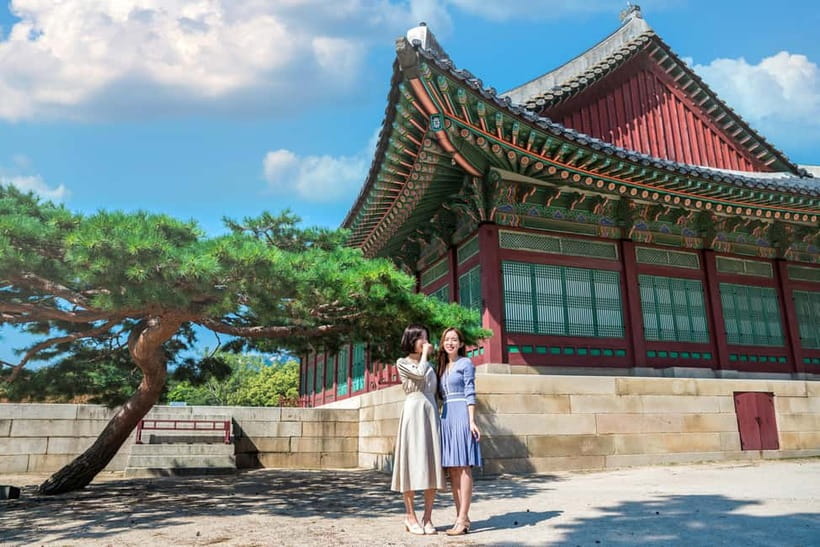
This is a great match if you want the highlights of Gyeongbokgung Palace in a time-boxed way. It’s especially good for:
- First-time Seoul visitors who want history explained in plain language
- People who prefer a guided route over guessing their way around a huge complex
- Anyone who wants the story of the Joseon Dynasty tied directly to what they see
It may be less ideal if you’re a slow traveler who likes to linger for hours without a set end point. Because it’s only two hours, you’ll probably want to add extra self-guided time after (and the tour gives you that option).
Should You Book This Gyeongbokgung Palace Half-Day Tour?
If your goal is a high-impact palace visit with an English live guide and tickets included, this is an easy yes. The route focuses on the most iconic story points—main palace architecture, photo spots tied to royal life, and a strong finish at Gyeonghoiru.
I’d book it when:
- you have limited time in Seoul
- you want history explained while you’re standing in the right places
- you prefer a structured visit over solo planning
Skip it (or add a longer plan) when you want to roam every area at leisure or you’re aiming for maximum depth with no need for a time cap.
FAQ
How long is the Gyeongbokgung Palace half-day tour?
The tour lasts 2 hours, and you can check availability for starting times.
Where do we meet the guide?
Meet your guide outside Gyeongbokgung Station Exit 5, at the stairs in front of the National Palace Museum of Korea.
Is the entrance ticket included in the price?
Yes. The tour includes an entrance ticket to Gyeongbokgung Palace.
Is the tour guide English-speaking?
Yes, the tour offers a live English guide.
Is the tour wheelchair accessible?
Yes, the tour is wheelchair accessible.
What should I bring?
Wear comfortable shoes, since you’ll be walking around the palace grounds.