REVIEW · SEOUL
Seoul: Gyeongbok Palace, Bukchon Village, and Gwangjang Tour
Book on Viator →Operated by I Love Seoul Tour · Bookable on Viator
Four hours, five stops, big Seoul feel. This tour strings together Gyeongbokgung Palace and photo-friendly hanoks, then finishes at Gwangjang Market, while your guide ties it all to what modern Seoul looks like today. I especially like having a guide to answer questions on the spot and the way included admissions save you time. One possible drawback: the schedule is tight, so the ginseng museum can feel more like a quick sales-focused stop than a deep museum visit.
The guide quality is a big reason people rave. Names that come up again and again include Chloe, Shin, Grace, Sophie, and Sunny, with praise for clear English, helpful photo timing, and pointing you to the right spot for the Royal Guard Changing Ceremony at Gyeongbokgung Palace. Transport is handled by an air-conditioned minivan or coach, so you spend less time wrestling subways and transfers.
At about $32 for roughly four hours, it’s good value for first-time orientation. Just plan to pay for your own food and drinks at the end, since snacks aren’t included.
In This Review
- Key points to know before you go
- How the 4-hour Gyeongbokgung to Gwangjang loop actually plays out
- Getting to Myeongdong Station on time (and why that matters)
- Stop 1: Gyeongbokgung Palace and the Royal Guard Changing Ceremony moment
- Stop 2: Bukchon Hanok Village for hanok photos without the maze stress
- Stop 3: Bugak Skyway (Bugak Palgakjeong) for Seoul views from Bugaksan
- Stop 4: Cheongha Korea Ginseng Museum and the shop-time tradeoff
- Where Ihwha Mural Village fits into the day’s final mood
- Stop 5: Gwangjang Market wrap-up and how to plan your snack time
- Why the $32 price feels fair (and what you still pay for)
- Pacing and comfort tips for rain, cold, and photo stops
- Who this tour fits best (and who should skip it)
- Should you book this Seoul highlights tour?
- FAQ
- How long is the Seoul Gyeongbokgung, Bukchon, and Gwangjang tour?
- What’s the meeting point?
- Where does the tour end?
- Is admission included?
- What about food and drinks?
- Is this a private tour?
- How big is the group?
- Does the tour run in bad weather?
- Is Hanbok rental included?
- What is the cancellation policy?
Key points to know before you go
- Personal guide energy: you get a real person to explain what you’re seeing and help with photos
- Admissions included where it counts: Gyeongbokgung Palace and Bugak Skyway admissions are part of the price
- Hanok photos at Bukchon: quick access to traditional homes that look great on camera
- Mountain views without hiking yourself tired: Bugak Palgakjeong gives you wide Seoul panoramas
- End at Gwangjang Market: you’re dropped off there, so you can snack on your own
- Rain or shine: the tour runs no matter the weather, so bring backup layers
How the 4-hour Gyeongbokgung to Gwangjang loop actually plays out
This is a short, packed Seoul intro. You’re moving through major neighborhoods by van/coach, then getting focused time at each highlight rather than wandering all day. The total duration is about 4 hours, so you’ll want to show up ready to walk and take photos.
The day also helps you connect different Seoul “moods.” You start with palace ceremony and classic hanok architecture, then shift toward hilltop viewpoints, a museum stop, and finally the market area where daily life is right there. The tour overview also points you toward the futuristic street-art vibe associated with Ihwha Mural Village, which makes the route feel like a single story instead of separate sightseeing errands.
What I’d watch for is how you’ll feel about time limits. Even the stops with admission included are still timed, so the smartest move is to decide what you want most at each place: ceremony moment, photo angle, or quiet look.
You can also read our reviews of more tours and experiences in Seoul.
Getting to Myeongdong Station on time (and why that matters)
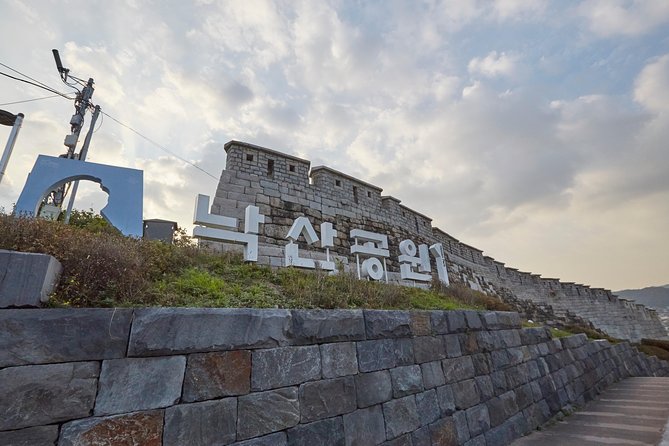
Your meeting point is Myeongdong Station Exit 1061-7 in Jung District. The tour uses a mobile ticket, and you’re expected to start with the group from the beginning.
That “be on time” part is not optional. The info explicitly says you can’t meet at Gyeongbokgung Palace after the tour starts, join once it’s in progress, or contact the guide during the run to catch up. So if you’re even slightly unsure about transit timing, build in slack. The good news is the start location is near public transportation, and the recommendation is to use the subway for easy access.
Also note what’s not offered: there’s no Hanbok rental time. If you were hoping for a full traditional outfit experience, you’ll need to plan that separately before or after this tour.
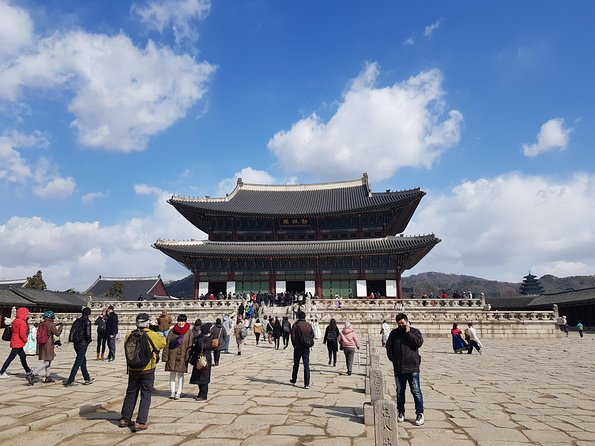
Stop 1: Gyeongbokgung Palace and the Royal Guard Changing Ceremony moment
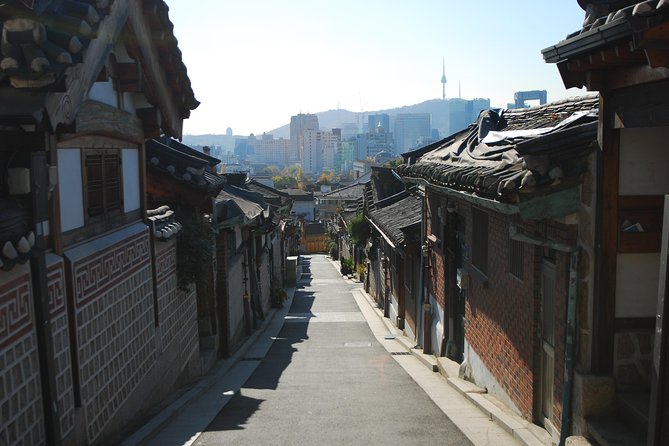
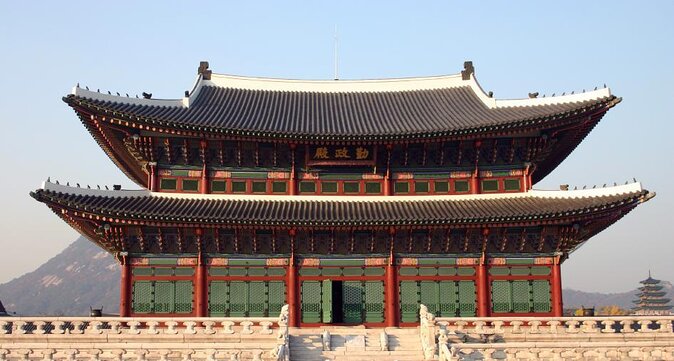
Gyeongbokgung Palace is one of Seoul’s biggest, and it’s also the kind of place where a guide makes the visit more than just walking around. Your stop is about 30 minutes, and palace admission is included.
The highlight to look for is the Royal Guard Changing Ceremony at Gyeongbokgung Palace. People tend to remember not only the uniforms, but also where they stood. In the guide feedback, Chloe and other guides like Shin and Grace get mentioned for helping groups see the ceremony well and for directing people to good viewing positions. If you care about photos, this is one stop where asking your guide where to stand is worth it.
Real talk: 30 minutes is short for a palace as large as this. So I recommend focusing on the areas your guide points out first, then using the rest of the time for a slower look and a couple of photos. If you try to “see everything,” you’ll miss what the guide is trying to time for you.
Stop 2: Bukchon Hanok Village for hanok photos without the maze stress
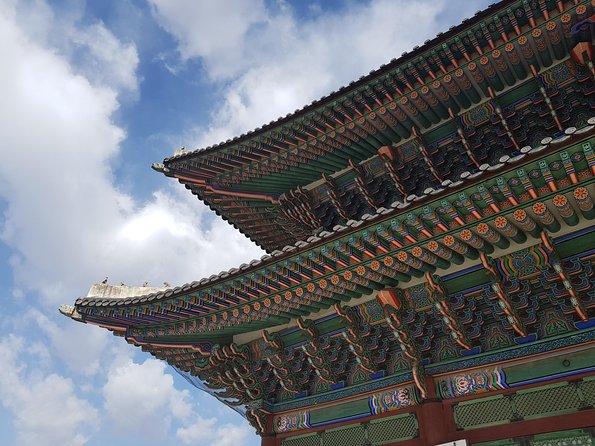
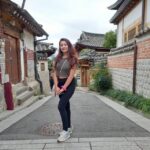
Next comes Bukchon Hanok Village, where you’ll see traditional Korean houses called hanoks. Your time here is about 20 minutes, and admission is free.
This is the photo stop. Bukchon is famous for the look of the hanok streets and the way the old-style homes stack and frame views. In that short window, your goal shouldn’t be a long cultural lecture. It should be: find the best-looking street angle, get a few photos that feel different from each other, and listen for the quick background your guide shares so the place means something, not just looks pretty.
The practical downside: 20 minutes goes fast in a busy area. If you’re traveling in cold weather or rain, your pace might slow down, so keep an eye on timing and stay close to the group. You’ll get more out of the stop if you already know what kind of photo you want—wide street scene or close-up house details—before you arrive.
Stop 3: Bugak Skyway (Bugak Palgakjeong) for Seoul views from Bugaksan
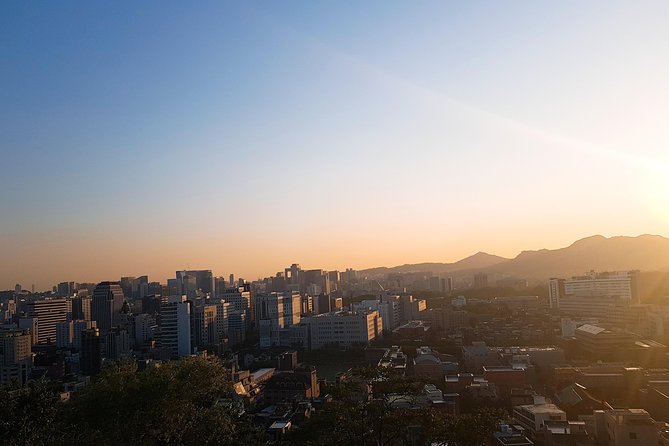
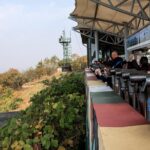
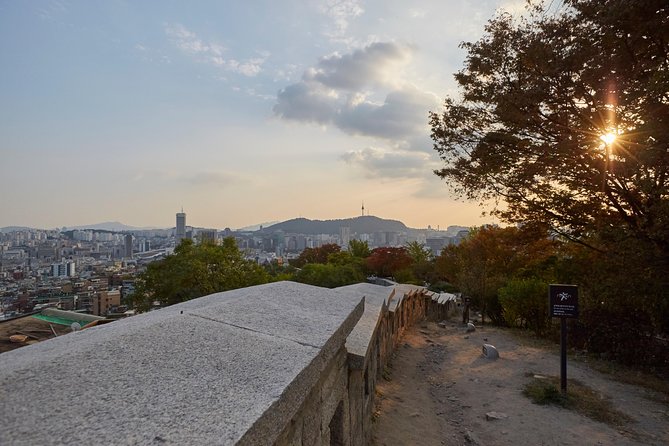
After hanoks, you get a big change of scenery: Bugak Skyway, also known as Bugak Palgakjeong or the Bugak Pavilion. Your time here is about 40 minutes, and admission is included.
This stop is all about views and calm. The pavilion sits on the slopes of Bugaksan Mountain, so you get panoramic looks over Seoul and a quieter pause in the middle of the day. The name might sound new, but the feeling is simple: you’re above the city’s street noise, looking out over it, and you can actually breathe for a minute.
The main consideration is walking and weather. The day is rain or shine, and the tour assumes moderate physical fitness. You’ll want comfortable walking shoes and a layer you can adjust. If you’re sensitive to cold or wind, Bugaksan slopes can feel it.
This is also a strong photo moment, but don’t overdo it. Once you’ve taken your key shots, let yourself enjoy the view for a couple minutes. That short mental reset is part of why this tour works as an intro.

Stop 4: Cheongha Korea Ginseng Museum and the shop-time tradeoff
Then you’ll stop at the Cheongha Korea Ginseng Museum for about 30 minutes. Admission is free.
You’ll hear the basics of ginseng’s story, including how ginseng is mentioned historically in Ji Jiu Zhang during the Han dynasty of China, described as a widely used herb in the East for many ailments and treated as a kind of panacea. That context can be interesting if you like traditional remedies and East Asian herbal history.
Here’s the part to plan for. The feedback around this museum often points to a sales-focused experience inside the museum area, where you may feel rushed through the main content and spend a lot of time in a shop-like space. If you’re not shopping, go in with a simple goal: learn the core story your guide explains, look through what’s on display efficiently, and set a personal limit on how long you spend browsing products.
If you’re someone who enjoys cultural explanations even when there’s a retail component, you’ll probably still get value. If you hate sales pressure, you might find this is the least relaxing part of the day.
Where Ihwha Mural Village fits into the day’s final mood
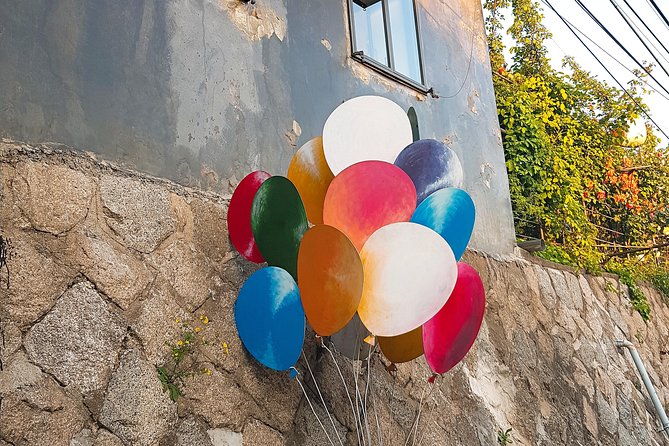
The tour overview frames the route as going from major historical sites to the more modern, street-art vibe linked with Ihwha Mural Village. Even when it’s not the longest stop on the schedule, it helps the day feel like Seoul in one sweep, not only a museum day.
Think of this as the transition moment. After palaces, hanoks, and mountain air, the street-art section (or nearby area) gives you a visual reminder that Korea’s culture isn’t stuck in the past. It’s okay if you’re not a street-art superfan. The real value here is variety: your eyes reset, and your photos don’t all look like they came from the same era.
In that kind of short outing, variety is its own win.
Stop 5: Gwangjang Market wrap-up and how to plan your snack time
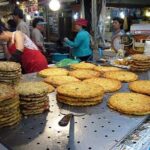
The tour ends at Gwangjang Market. Your time here is about 15 minutes, and admission is free. Food and drinks are not included, so this is where you feed yourself on your own.
For many people, this is where the day becomes real. Palaces and viewpoints are impressive, but markets show daily life. With only 15 minutes, you’ll do best if you go in with a plan: pick one or two quick items, then move on. Don’t try to taste everything. The goal is a satisfying sampler, not a marathon.
Also, since you’re not getting hotel drop-off included, your best move is to decide how you’ll continue after the tour. Gwangjang Market is in a convenient, central area, and the subway is a straightforward way to head to your next plan.
Why the $32 price feels fair (and what you still pay for)
At about $32 per person for roughly four hours, this tour looks like good value if you care about skipping planning headaches. Here’s what you’re getting for the money: a professional guide, transport by air-conditioned minivan/coach, and admission fees included for key stops.
More specifically, Gyeongbokgung Palace admission is included, as is Bugak Skyway admission. Bukchon Hanok Village and the ginseng museum stop are listed as free, and Gwangjang Market is also free to enter. So your money mostly buys: guided storytelling, time efficiency, and the admissions that matter most for the classic sights.
What you still pay separately is also clear. Food and drinks aren’t included, and personal expenses are on you. That’s normal for a market ending, but it’s smart to budget a little so you don’t get stuck deciding on an empty stomach.
If you’re the type who usually spends a day bouncing between places by yourself, the price can feel like a shortcut. If you’re only interested in one or two sights, then you might decide to go independent for more time at each place.
Pacing and comfort tips for rain, cold, and photo stops
This tour takes place rain or shine. That’s great for reliability, but it also means you should dress for the weather you’ll have, not the weather you hope for. Bring layers. Keep a small umbrella or rain shell handy. If it’s cold, gloves and a warm hat can make the whole day more enjoyable.
Walking shoes matter. The tour recommends comfortable walking shoes, and Bugak Palgakjeong is on mountain slopes, so your feet will notice the difference between good and mediocre shoes.
Time is tight at every stop, especially Bukchon (20 minutes) and Gwangjang (15 minutes). So when you’re at a stop, focus on the first things your guide points out, then take your personal photos. The guide feedback often highlights photo help, so it’s okay to let them steer you toward good angles and timing.
Finally, don’t expect a full traditional outfit session. Hanbok rental time isn’t offered here, so if you want to wear hanbok in Bukchon, plan it separately.
Who this tour fits best (and who should skip it)
This tour is ideal if you want a fast, guided intro to Seoul’s mix of palace heritage, traditional architecture, mountain views, and a market ending. It also works well for people who like having someone handle timing. With guides such as Sunny and Sophie called out for keeping groups moving and helping with photos, the vibe is more organized than do-it-yourself wandering.
It’s also a good fit if you’re history-minded but short on time. You’ll cover several major historical and cultural anchors without needing to plan an entire route.
Who might not love it: if you want slow, deep exploration at one site, the schedule will feel rushed. If you strongly dislike shopping pressure, the ginseng museum’s retail angle could be annoying. And if you need lots of time for walking at your own pace, the fixed stop durations might frustrate you.
Should you book this Seoul highlights tour?
Book it if you want a guided, efficient loop that hits Gyeongbokgung Palace, hanok streets, mountain viewpoints, and a market ending in about half a day. The value is strongest when you count what you’re saving: transport time, guide interpretation, and admissions included where they’re most relevant.
Skip it if your main goal is one site at a slow pace, or if you know you won’t enjoy a museum stop that can feel shop-heavy. In that case, a longer, single-area tour might suit you better.
If you’re a first-time visitor to Seoul, this is a very reasonable way to get your bearings quickly and leave with a clear sense of what neighborhoods you want to revisit.
FAQ
How long is the Seoul Gyeongbokgung, Bukchon, and Gwangjang tour?
It’s approximately 4 hours.
What’s the meeting point?
The start is at Myeongdong Station Exit 1061-7, Chungmuro 2(i)-ga, Jung District, Seoul.
Where does the tour end?
The tour ends at Gwangjang Market.
Is admission included?
Yes. Admission fees are included, including for Gyeongbokgung Palace and Bugak Skyway.
What about food and drinks?
Food and drinks are not included, so you’ll want to budget for snacks, especially during the time at Gwangjang Market.
Is this a private tour?
Private tour management is not available right now, though you do have a guide and a personalized experience.
How big is the group?
The maximum size is 100 travelers.
Does the tour run in bad weather?
Yes. It runs rain or shine.
Is Hanbok rental included?
No. Hanbok rental time is not offered.
What is the cancellation policy?
You can cancel for a full refund if you cancel at least 24 hours in advance of the experience start time.