REVIEW · SEOUL
Seoul: Bukchon Village, Gyeongbokgung, Gwangjang Market
Book on GetYourGuide →Operated by VIP Travel · Bookable on GetYourGuide
Seoul’s palace guards are pure theater. This guided half-day pairs Bukchon Hanok Village with the Gyeongbokgung ritual, then finishes at one of Seoul’s best street-food markets. It’s a fast hit of old Seoul plus everyday flavor, organized so you don’t waste time figuring out where to go next.
I especially like the way the tour balances big sights with human details: the guard ceremony is a spectacle, and the market stop is about eating, not just walking. I also appreciate the guide choices I’ve seen firsthand in past groups, including Alice, Kelly, Eva, Claire, Judy, Lina, and Alex, who all bring the Joseon-era context to life without turning it into a lecture.
One thing to consider: the exact palace experience depends on the day. On Tuesdays, Gyeongbokgung and the guard changing ceremony are closed, so you’ll swap to Changdeokgung and Insadong instead.
In This Review
- Key Things I Found Most Useful
- From Hanok Streets to Royal Rituals: How This Tour Feels in Real Life
- Meeting at Myeongdong (Exit 8): Getting Started Without Stress
- Bukchon Hanok Village: Why This Neighborhood Works So Well on a Short Day
- Gyeongbokgung Palace and the Royal Guard Changing Ceremony: The Show You Don’t Want to Miss
- Tuesdays: You’ll Miss This, But You Won’t Feel Left Out
- Cheongwadae Pass-By: A Quick Look at South Korea’s Former Presidential Grounds
- The Ginseng Center Tea Break: A Cultural Pause That Actually Helps
- Gwangjang Market: Street Food That Feels Like a Real Seoul Evening
- Tuesday Swap: Changdeokgung Palace and Insadong Instead
- Price and Value: Is $30 Worth It for This Much Moving Around?
- Who This Tour Suits (and Who Might Want More Time Elsewhere)
- Should You Book This Seoul Tour?
- FAQ
- Where is the meeting point?
- How long is the tour?
- Is the tour in English?
- What happens on Tuesdays?
- What does the tour cost?
- What should I bring?
Key Things I Found Most Useful
- Bukchon Hanok Village: narrow lanes, hanok rooftops, and great photo angles between two major palaces
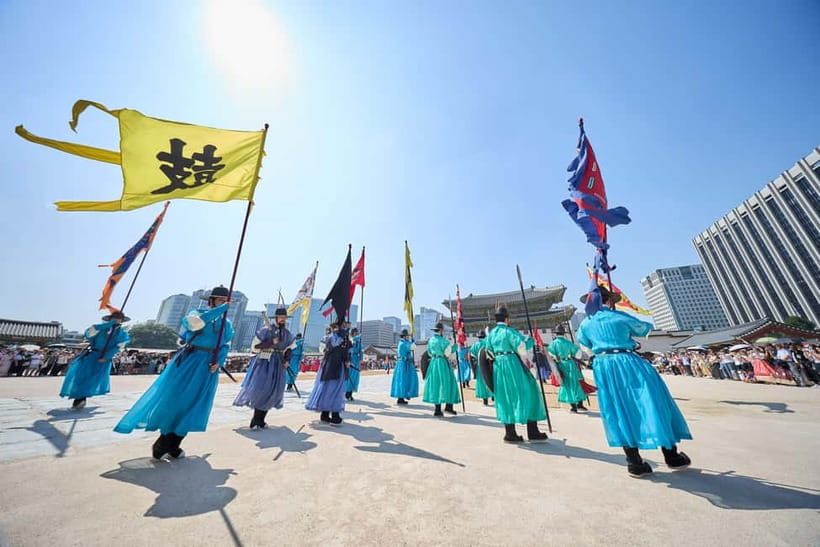
- Gyeongbokgung Royal Guard Changing Ceremony: a precision performance that’s easy to watch with the group
- Day-of-the-week switch: Tuesdays trade Gyeongbokgung for Changdeokgung and add Insadong
- Ginseng Center tea stop: you get a cup of traditional herbal tea, plus history, with no purchase pressure
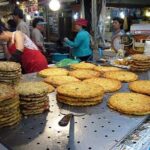
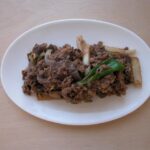
- Gwangjang Market food focus: bindaetteok, mayak gimbap, and tteokbokki make it feel like a real food tour
From Hanok Streets to Royal Rituals: How This Tour Feels in Real Life
This tour is built for the “I only have one half-day” mindset. You start in Myeongdong, then move through a sequence that makes sense: traditional neighborhood first, palace performance second, then slower cultural time (tea and ginseng), and finally the hands-on part—street food.
The rhythm matters. If you tried to do this all on your own, you’d spend too much time crossing neighborhoods and figuring out what’s open. Here, the order is practical: Bukchon sets the scene, Gyeongbokgung gives you the big visual moment, and Gwangjang Market gives you a clear ending point with plenty of choices.
You can also read our reviews of more shopping tours in Seoul
Meeting at Myeongdong (Exit 8): Getting Started Without Stress
Your meeting point is Myeongdong Subway Station Exit 8, and the tour ends back at Myeongdong Station for everyone. That matters more than it sounds. Seoul can be confusing when you’re tired, so having the same anchor point for start and finish makes the day feel manageable.
If you choose pickup, the tour lists options from:
- Itaewon Station Exit 1 (08:20)
- Myeongdong Station Exit 9 (08:50)
- City Hall Station Exit 6 (09:00)
So if you’re already staying near one of those areas, pickup can cut down your walking and help you start right on time. And if you’re coming from the airport, plan extra time—one group note stressed giving yourself at least 2.5 hours for train/subway transfer so you don’t arrive rushing.
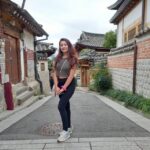
Bukchon Hanok Village: Why This Neighborhood Works So Well on a Short Day
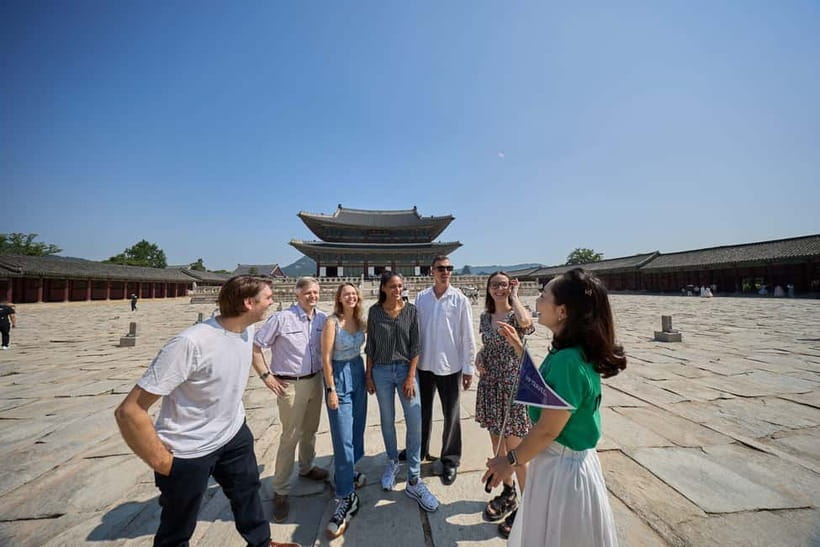
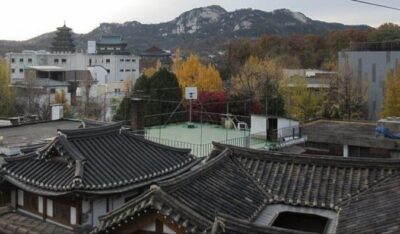
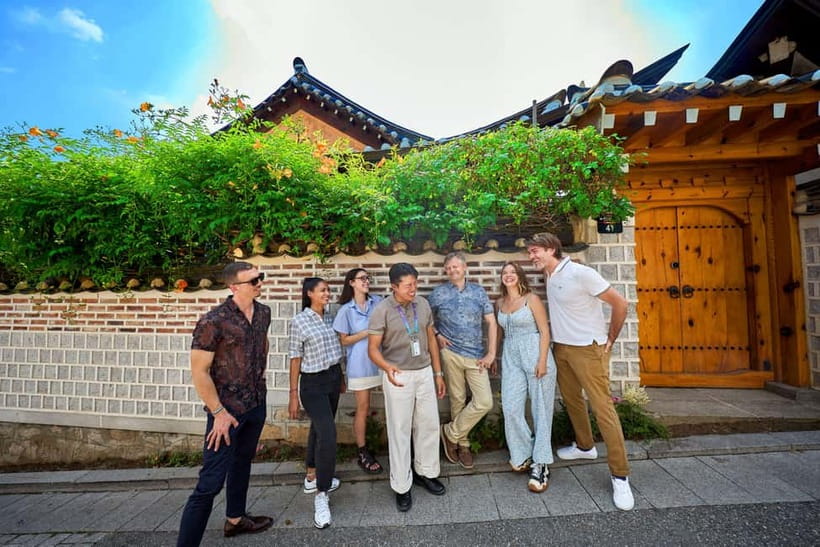
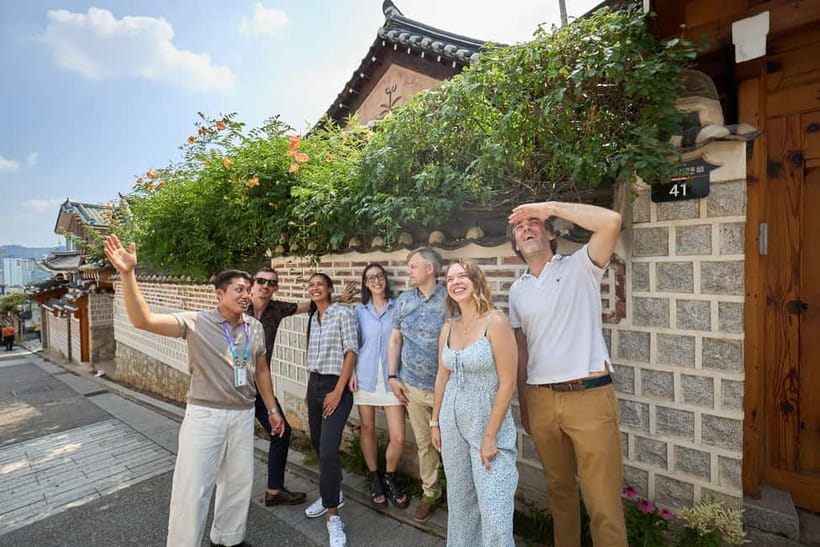
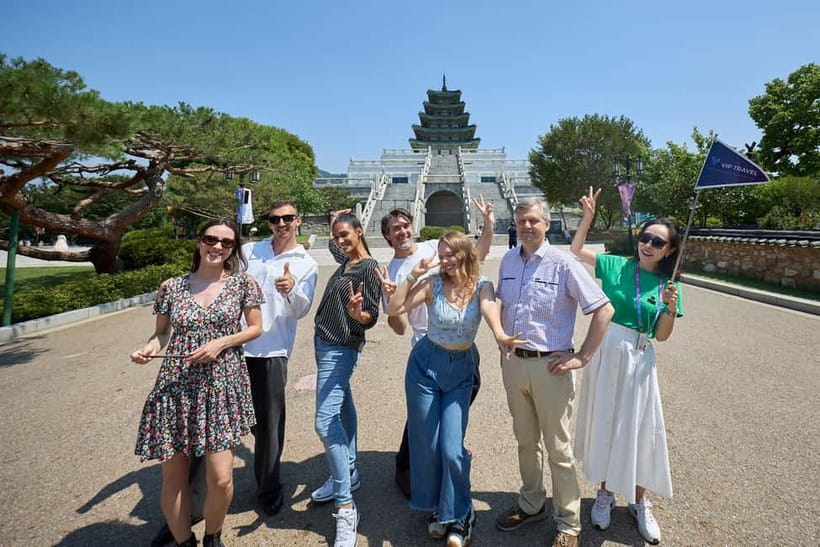
Bukchon Hanok Village sits between two major palace areas, and that location is part of the magic. You get the old-house feeling without being stuck in a single bubble.
Expect:
- a guided visit and walking time through narrow alleys
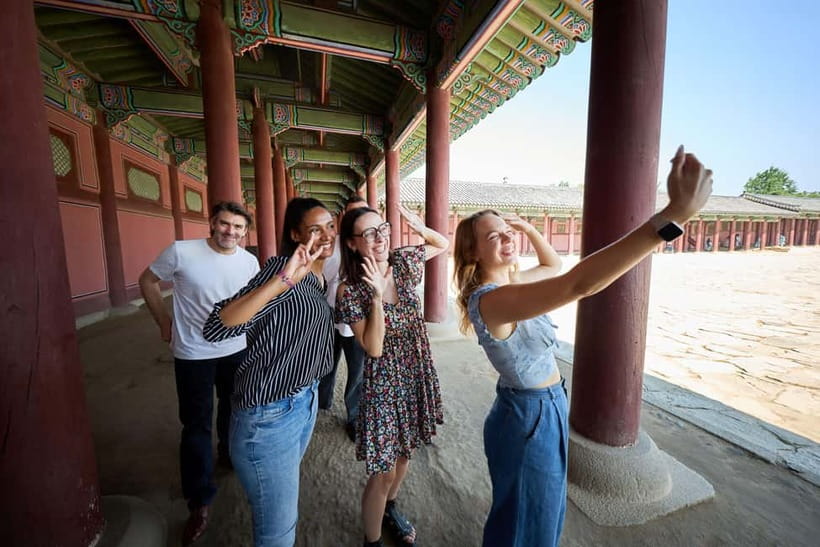
- photo stops for the classic hanok angles—tiled roofs, courtyards glimpses, and the modern skyline peeking in the background
- time to slow down and look closely at details, not just pose for pictures
This stop is more than scenery. It helps you understand why Seoul’s palaces feel so central to the city’s story. The hanok setting makes the later Joseon-era ceremony land better, because you’re seeing the everyday architecture that belonged to that world.
Practical note: wear comfortable shoes. You’ll be on your feet, and Bukchon’s lanes are not made for slick soles.
Gyeongbokgung Palace and the Royal Guard Changing Ceremony: The Show You Don’t Want to Miss
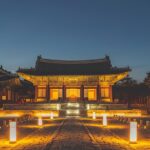
When the ceremony runs, it’s the tour’s headline moment. The Royal Guard Changing Ceremony reenacts Joseon Dynasty guard-changing rituals, using colorful uniforms, ceremonial instruments, and strict timing. The performance isn’t just for tourists—it’s a real, structured event, so you’ll see people settling in with purpose.
How to get the most out of it:
- arrive ready to stand and watch; this is a “watch and listen” moment, not a casual stroll
- keep your camera handy, because the uniforms and coordinated movements create strong photo opportunities
Then you’ll continue with a guided tour of Gyeongbokgung Palace. This is where you start connecting architecture to power. The tour includes time to explore major spaces like gates and courtyards, plus calm details such as the palace’s lotus ponds—a nice change of pace after the ceremony’s energy.
One extra benefit: I like how the group format can help you catch the ceremony experience at the right moment. In past group feedback, people praised getting front-row viewing and having the schedule managed smoothly, which is exactly what you want when you’re on a tight timeline.
Tuesdays: You’ll Miss This, But You Won’t Feel Left Out
If you’re traveling on a Tuesday, remember: Gyeongbokgung and the Royal Guard Changing Ceremony are closed. The tour swaps in Changdeokgung Palace and adds Insadong. It’s a real adjustment, not a minor tweak, so plan your expectations accordingly.
You can also read our reviews of more tours and experiences in Seoul

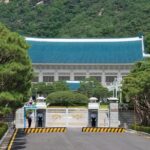
Cheongwadae Pass-By: A Quick Look at South Korea’s Former Presidential Grounds
Between the palace area and the next cultural stop, you’ll drive past Cheongwadae, also called the Blue House. This is a pass-by with a short viewing window from the vehicle.
Think of it as a “you’re here” moment. You won’t be doing a deep visit, but you’ll get context for how Seoul’s modern governance story overlaps with historic palace grounds.
If you’re curious, take a minute to look for how the environment shifts around this area—Seoul’s layout often makes you feel the layers of time more than museums do.
The Ginseng Center Tea Break: A Cultural Pause That Actually Helps
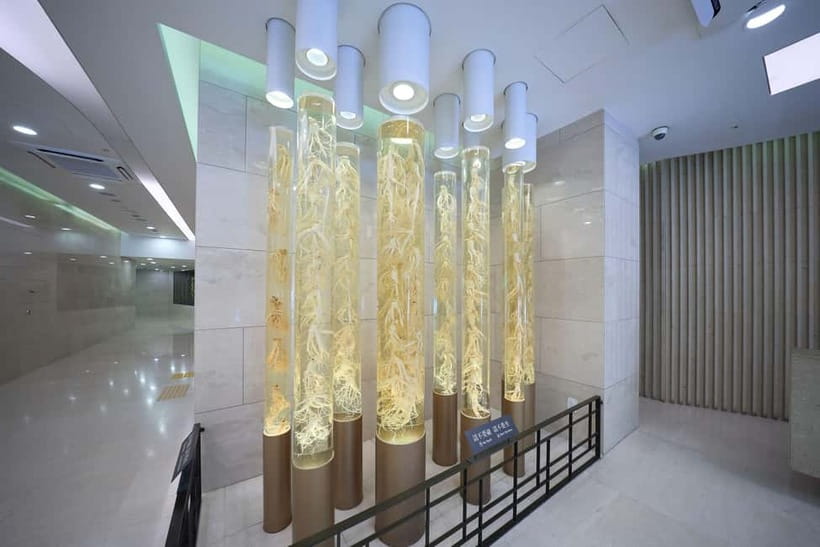
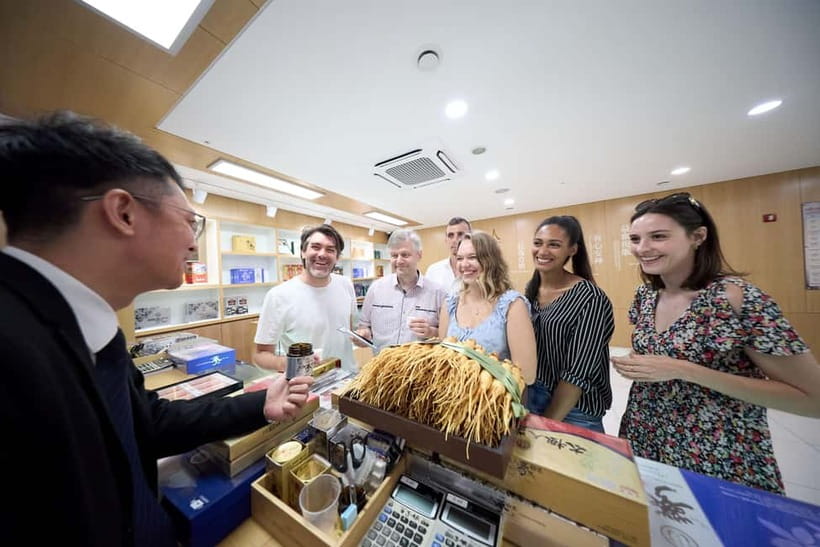
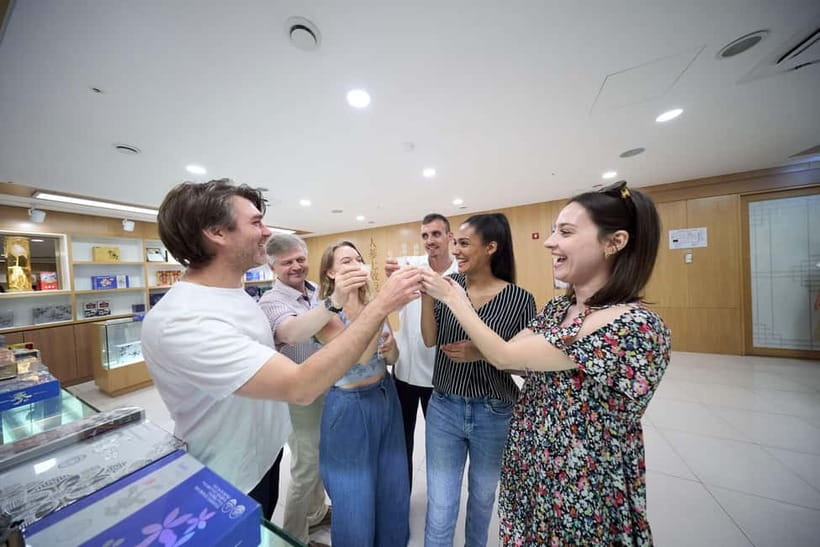
This stop is easy to judge before you go. Some people see “ginseng center” and expect a sales push. The key detail here is the format: you get traditional Korean herbal tea, plus time to learn about the history and cultural importance of Korean ginseng.
What you can expect during the visit:
- guided info and exhibits about ginseng’s role in Korean wellness traditions
- time for free browsing
- the option to purchase ginseng products, with an important reality check: there’s no obligation to buy
I like this stop because it breaks up the day. After standing around watching ceremonies and walking Bukchon lanes, tea and explanation bring you back to a calmer pace. It also gives you a way to ask questions with context—why ginseng shows up in so many everyday Korean wellness routines.
And from what I’ve heard from guides like Alice and Eva, the better groups don’t treat it like a stop you “endure.” They keep the story focused, which changes the tone completely.
Gwangjang Market: Street Food That Feels Like a Real Seoul Evening
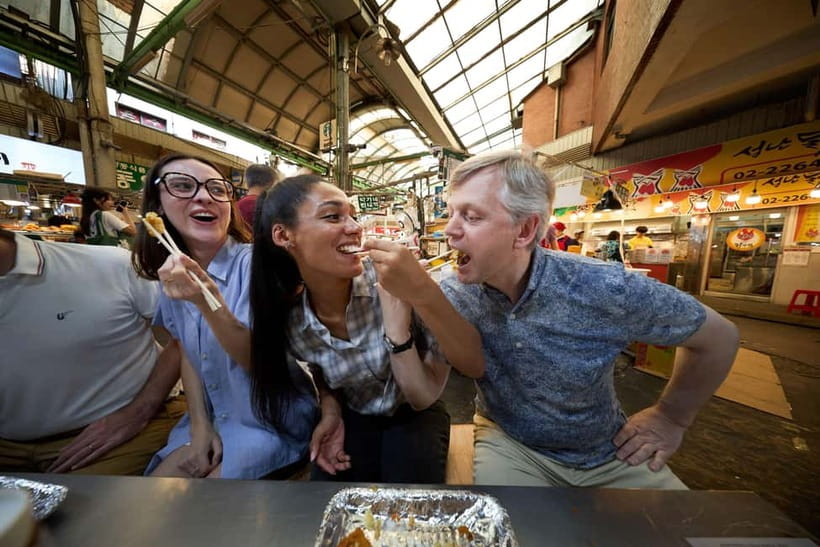
The tour finishes at Gwangjang Market, one of Seoul’s oldest and best-loved traditional markets. It’s a strong choice for a guided ending because it’s crowded, sensory, and easy to get overwhelmed if you don’t know what to order.
You’ll get:
- a photo stop and guided time in the market
- free time for shopping and wandering
- a food-focused segment with tasting and recommendations
The big wins here are the specific foods the tour calls out:
- bindaetteok (mung bean pancakes)
- mayak gimbap (bite-size seaweed rice rolls)
- tteokbokki (spicy rice cakes)
Even if you’re not a fearless eater, these are the kinds of familiar-but-still-local items that make a market visit feel like a win. And because you’ll have a guide with you, you don’t spend your whole time translating menus and guessing portion sizes.
Practical tip: bring some cash. The tour lists cash as something to have, and markets run on the quick-scan reality of handheld transactions.
Tuesday Swap: Changdeokgung Palace and Insadong Instead
If you’re visiting on a Tuesday, here’s what changes in a very real way:
- Gyeongbokgung Palace + guard ceremony are closed
- the tour visits Changdeokgung Palace (UNESCO World Heritage)
- you also add Insadong, a well-known cultural district
At Changdeokgung, the big appeal is atmosphere. The palace is famous for its architecture and the Secret Garden, and many people consider it the most serene-feeling palace option in Seoul. On a Tuesday itinerary, this swap is actually good strategy: you still get palace depth, but in a different mood.
Then Insadong adds the “slow cultural shopping” part of the day:
- tea houses
- antique shops
- art galleries
- craft stores
You’ll likely find it easier to pick up small souvenirs here than in more purely commercial districts. Plus, it’s an easy place to stop for tea and regroup before your market-food finale.
Price and Value: Is $30 Worth It for This Much Moving Around?
At $30 per person for about 210 minutes (around 3.5 hours), this tour is a solid value if you want structure more than freedom.
Here’s the value logic:
- You’re paying for guided access and timing, especially around palace areas and the guard ceremony when it runs.
- You get a scheduled cultural stop with tea included at the ginseng center.
- You end at a market where a guide helps you avoid menu guesswork and wasted wandering.
If your main travel style is “I want to see the highlights but I don’t want to plan every minute,” the price-to-effort ratio makes sense. If you already know Seoul well and prefer to explore alone, you might be able to recreate the route independently. But you’ll spend time coordinating opening days, entrances, and what to do next.
Who This Tour Suits (and Who Might Want More Time Elsewhere)
This tour is a great fit if you:
- have a half-day window
- are visiting Seoul for the first time and want a coherent storyline (hanok → palaces → wellness tea → street food)
- like photo stops but also want someone to explain what you’re looking at
- want an English guide and an easy start at Myeongdong
It may be less ideal if you:
- hate standing and walking on uneven ground
- want long, slow stays in one palace (this is not a “stay all afternoon” palace day)
- need a lot of time to shop deeply at the market (you’ll have free time, but the tour moves)
Should You Book This Seoul Tour?
I’d book it if you want the classic Seoul mix packed into one organized arc: Bukchon for traditional textures, Gyeongbokgung for the big ritual moment (when open), ginseng tea for a calmer cultural pause, and Gwangjang Market for a satisfying food ending.
On the other hand, if you’re traveling on a Tuesday, it’s still worth it—just be mentally ready for Changdeokgung + Insadong instead of Gyeongbokgung and the guard changing ceremony.
Either way, bring comfortable shoes, keep your camera ready for uniforms and rooftops, and have cash for the market. If your priority is getting the schedule right without stress, this is an efficient way to get your bearings fast.
FAQ
Where is the meeting point?
The tour meets at Myeongdong Subway Station Exit 8.
How long is the tour?
The duration is 210 minutes (about 3.5 hours).
Is the tour in English?
Yes, it’s a live English guided tour.
What happens on Tuesdays?
On Tuesdays, Gyeongbokgung Palace and the Royal Guard Changing Ceremony are closed, so the tour visits Changdeokgung Palace and includes Insadong instead.
What does the tour cost?
The price listed is $30 per person.
What should I bring?
Bring comfortable shoes, a camera, and cash.