REVIEW · SEOUL
Private Jeonju Hanok Village – Culinary tour
Book on Viator →Operated by Here Korea Travel · Bookable on Viator
Jeonju can feel like a time machine. This private day trip takes you out of Seoul for Hanok Village mornings, market food breaks at Nambu Market, and a mix of royal and faith sites that most visitors skip. You start early, ride in a comfortable private van, and come back feeling like you saw a side of Korea that lives beyond the usual Seoul highlights.
I love how the day is built around people and pacing. You’re not fighting crowds in tight lanes, and the English-speaking guide can steer you through what matters at each stop. I also love the food focus—bibimbap and street-snack energy are part of the plan, so you’re doing culture with your stomach, not just your camera.
One thing to consider: it’s a long day with a lot of road time. Even with a private vehicle, traffic can stretch things, and lunch and the rice-wine/bibimbap meals are not included, so you’ll want to budget extra for your eating choices.
In This Review
- Key highlights to look for
- Private Jeonju starts at 7:00 am with pickup, van, and a clear goal
- Jeonju Hanok Village: raised roof edges and ondol under your feet
- Nambu Market: a tradition-rich break with bean sprout soup power
- Gyeonggijeon Shrine: royal portraits and Joseon-era family memory
- Jeondong Catholic Church: a short stop with real contrast
- Food focus: bibimbap and the lunch you should plan to pay for
- Price and value: what $300 per person buys you
- How the route feels in real life: pacing, walking, and traffic
- Who should book this private Jeonju culinary day
- Should you book this Private Jeonju Hanok Village culinary tour?
- FAQ
- What time does the tour start?
- Where is this tour located?
- How long is the tour?
- Is hotel pickup and drop-off included?
- Is this a private tour?
- What’s included in the price?
- What isn’t included?
- Can the tour accommodate vegetarians?
- Is there free cancellation?
Key highlights to look for
- Private door-to-door pickup that keeps the Seoul-to-Jeonju ride calm and organized
- Hanok Village details like raised roof edges and the ondol underfloor heating system
- Nambu Market traditions, including the famous bean sprout soup break
- Gyeonggijeon Shrine’s royal memory, with exhibits and royal portraits tied to the Joseon dynasty
- Food-first guidance, often including a local restaurant pick that’s hard to find on your own
- Vegetarian option available if you tell the operator when you book
Private Jeonju starts at 7:00 am with pickup, van, and a clear goal
This tour is designed like a “get there without stress” day. You begin at 7:00 am, with complimentary hotel pickup and drop-off in Seoul and private transportation waiting to whisk you out. The drive is long enough to make a morning start feel smart. In past experiences with this route, the trip has been described as around three hours each way, and Jeonju itself needs time—so you’re really buying a full-day cultural-and-food reset.
The duration runs about 8 to 10 hours. That range matters because you’re dealing with two realities: morning departures and city traffic returning later. The private van helps with comfort, but it doesn’t erase traffic. If you hate being on a schedule, plan for a day that’s busy even if it feels relaxed.
The big value here is focus. You’re not trying to “figure out transit” between a hanok village, a market, a shrine, and a church. You show up with an appetite and a willingness to walk a bit.
You can also read our reviews of more private tours in Seoul
Jeonju Hanok Village: raised roof edges and ondol under your feet
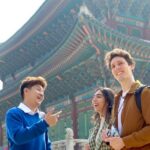
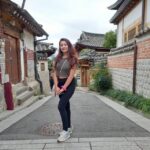
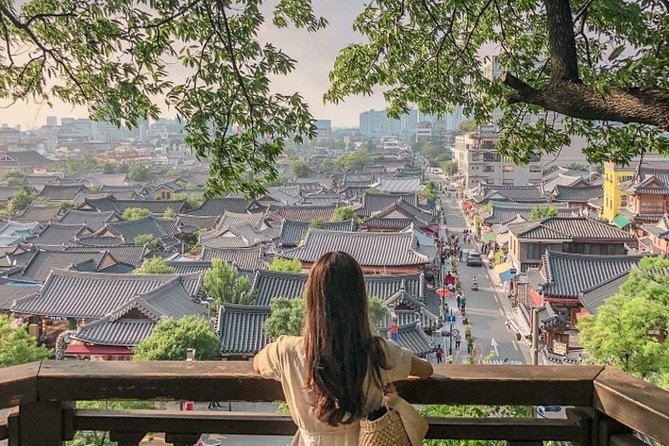
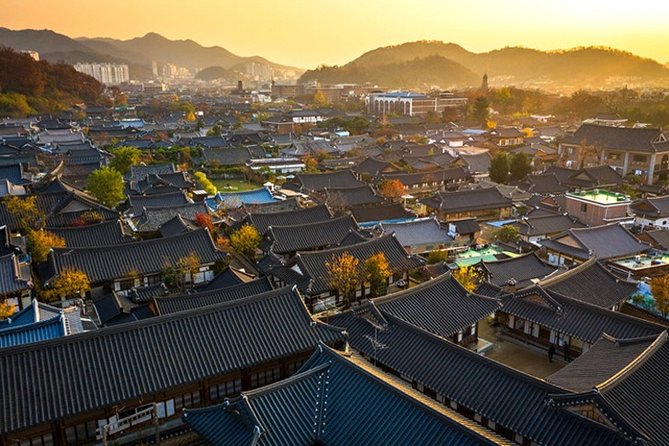
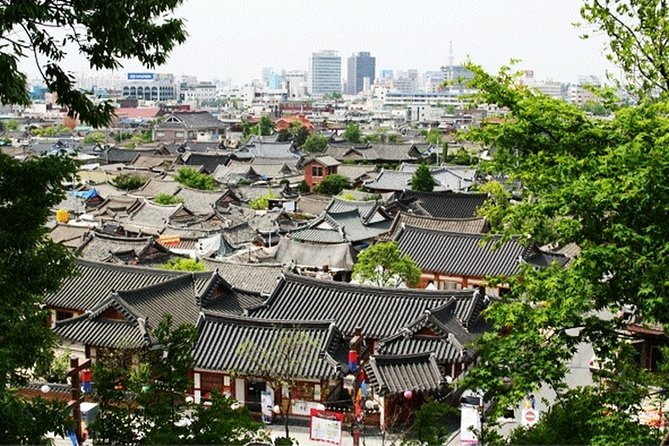
Your first major stop is Jeonju Hanok Village, a place where the architecture does the storytelling. Hanok homes are known for their traditional design, but here the details are what slow you down. One standout feature is the way roof edges are slightly raised toward the sky—it’s not just decoration. It changes how the whole streetscape feels, like the buildings are politely leaning upward.
Then there’s ondol, the classic Korean underfloor heating system. It’s one of those practical inventions that makes the traditional house feel real, not just pretty for photos. Knowing what ondol is helps you understand why hanoks were built the way they were—comfort and function came first, and beauty followed.
You get about 2 hours here, and the admission is free. That timing is usually enough to do two things well: (1) wander and take in the vibe and (2) visit a few of the most important interiors or viewpoints without rushing. If you only have time for one photo stop in Jeonju, make it this one—but don’t do it on autopilot. Look at the lines, the textures, and the layout. When you understand the structure, the village stops feeling like a set.
Practical tip: wear shoes that handle uneven walkways and keep your hands free. You’ll want to pause often, and markets and street-food stops later mean you’ll likely have bags.
Nambu Market: a tradition-rich break with bean sprout soup power
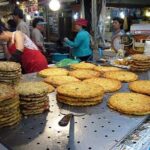
Next up is Nambu Market, and it’s not there just for shopping. It’s where everyday Jeonju life shows up. The local saying attached to Nambu Market is part of what makes this stop fun: there’s a proverb about no marriage unless visiting Nambu Market. Even if you don’t take it literally, it signals the market’s long-standing role in local culture.
You’ll spend about 1 hour at first, and admission is free. What’s interesting is how broad the market feels. It sells a lot of everyday goods—more than the tourist-only souvenirs you might expect. That means you’re seeing a place Koreans use, not a theme park.
Then, there’s a twist: you return for a shorter second market stop of about 30 minutes. That gives you flexibility—use the first visit to get oriented, then use the second to focus on specific snacks or the food item you’re chasing.
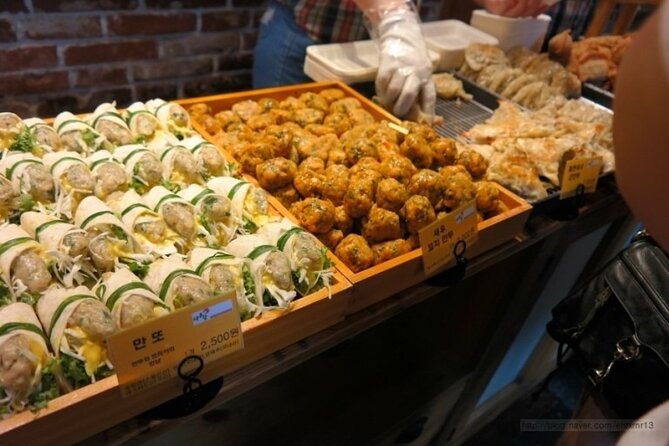
One food detail stands out in this plan: bean sprout soup is famous here. If you’ve never tried Korean bean sprout soup, treat it like a comfort-food mission. It’s a classic, and it fits the rhythm of the day: warm, filling, and easy to enjoy while you’re still walking around.
Practical tip: markets can get crowded in pockets. If you’re sensitive to crowds, keep your pace steady and let the group move first. Also, if you want street snacks, decide early what you want to try so you don’t overspend or end up skipping the best one because you’re too full.
Gyeonggijeon Shrine: royal portraits and Joseon-era family memory
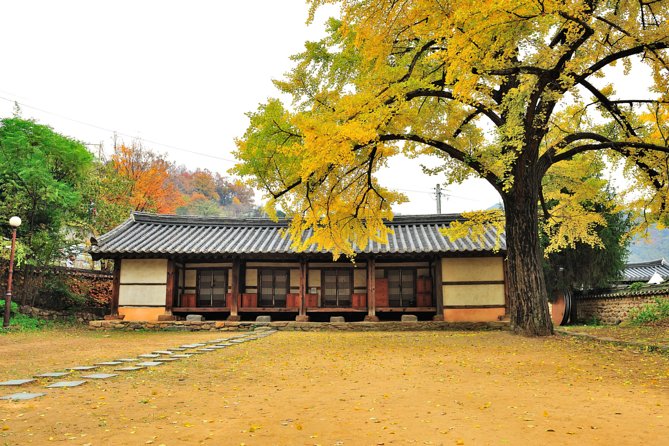
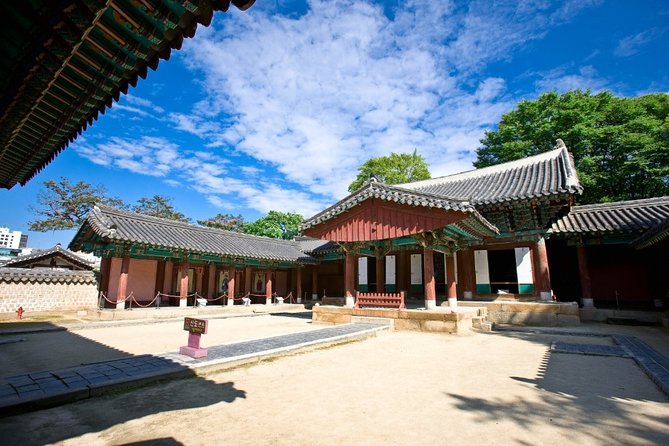
After the market, your schedule shifts into history mode at Gyeonggijeon Shrine. You’ll spend about 1 hour here, and the admission is included. This stop matters because it connects the dots between Korea’s royal past and the family line that shaped the Joseon dynasty.
Gyeonggijeon isn’t just a building with a view. It has history exhibits and a museum with royal portraits. You’ll also see memorial presentations tied to royal ancestry—specifically portraits and ancestor tablets of the Yi family, who ruled Joseon.
The way this is set up can feel “quietly intense.” Unlike a fast museum where you skim and move on, this kind of shrine space asks you to slow down and look closely. Even if your Korean history background is limited, you’ll leave with a clearer sense of who the Joseon rulers were and why portrait and memorial traditions mattered.
Practical tip: bring a little patience for museum-style reading. If you’re tempted to rush, remember you have time for an hour—use it to watch how the displays are organized. You’ll understand more than you think.
Jeondong Catholic Church: a short stop with real contrast
Your final cultural checkpoint is Jeondong Catholic Church, with a stop time of about 10 minutes and free admission. That’s short, but short here is a deliberate contrast. You’ve spent time with hanok architecture and shrine memorials; this church gives the day a different emotional tone.
You’re also getting variety in the timeline. Catholic heritage in Korea carries its own story, and even without deep research, seeing it right after royal Joseon history makes the cultural timeline feel sharper.
Since it’s brief, treat it like a “moment, not a marathon.” Look once at the architecture and the setting, then move on. Don’t force it into a long photo session; your best photos will come from a quick, calm look.

Food focus: bibimbap and the lunch you should plan to pay for
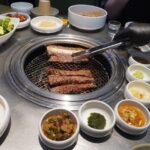
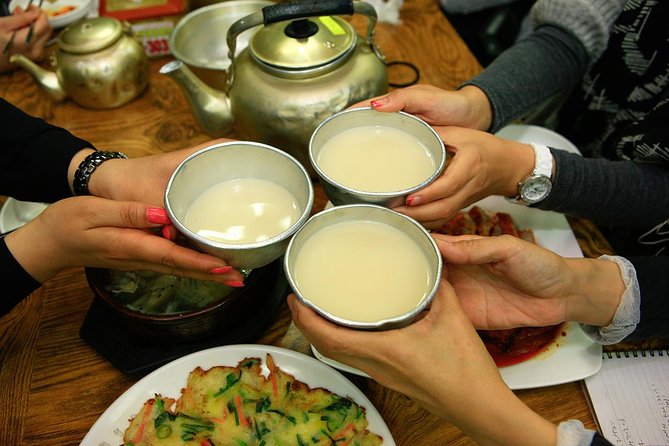
This is a culinary tour, but here’s the key detail: not everything meal-related is included. The tour includes the structure and guidance, but snacks and the lunch table (including rice wine and meals such as bibimbap/hanjeongsik) are not included.
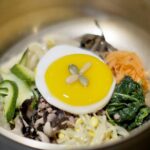
That doesn’t mean the food part is missing. It means you should expect to budget for it directly. The day is still built around eating moments. Bibimbap is specifically highlighted in the tour’s food promise, and the overall plan leans into both sit-down Korean classics and snackable market energy.
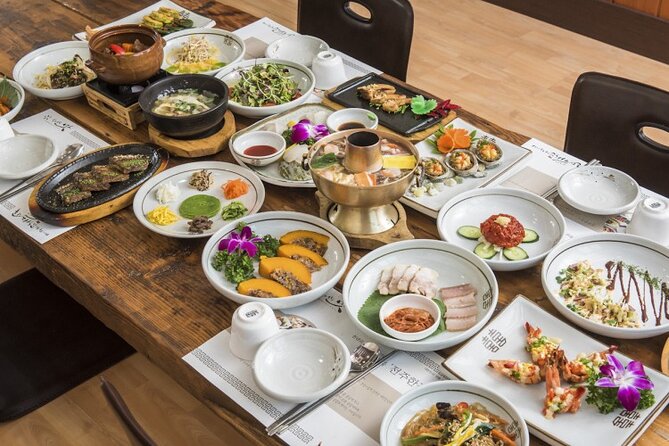
One detail worth considering from past experiences on this route: some lunches have been described as a long set meal with rice wine, even something like a 15-course spread. That kind of meal changes the tempo of your day. It’s not quick. Plan to settle in, enjoy the pacing, and accept that your schedule is built around quality rather than speed.
If you’re vegetarian, good news: the tour states a vegetarian option is available if you ask when booking. Don’t wing it. Message the operator before the day so your guide can route you to food that actually fits.
Practical tips for eating well on this kind of day:
- Start light in Seoul before pickup. You’ll likely be hungry by the time you reach the hanok village and market.
- Bring cash or a card you trust for snacks and lunch additions, since those costs aren’t included.
- If you’re sensitive to spice, tell your guide early. Korean food can range from mild to intense depending on the dish.
Price and value: what $300 per person buys you
At $300 per person, this is not a cheap day. But it’s a private tour, and private days cost money for a reason: you’re paying for time, logistics, and a guide who’s walking you through a specific route.
Here’s what your price covers, based on what’s included:
- Private transportation
- English-speaking guide
- Entrance fees
- Hotel pickup and drop-off
- Vehicle cost
What’s not included:
- Snacks
- Lunch plus the rice wine table, and meals like bibimbab and hanjeongsik
So the real value equation is simple. If you want a stress-free day with a guide and transport, this can be cost-effective compared to stitching things together yourself—especially when you factor in entry fees and the “how do we get there” headache.
Where it can feel pricey is if you’re the type who hates long meals and would rather do everything at your own pace. This day is built around scheduled cultural stops plus a meal segment you’ll pay for. You’re buying structure and local context.
How the route feels in real life: pacing, walking, and traffic
This tour feels like a “slow-then-eat-then-learn” day. You start with hanok village details, then market-life intensity, then shrine museum time, then back into cultural contrast with the church, and finally the food payoff.
The pacing is mostly sensible, but you should expect a long day. Road time, plus waiting between stops, adds up. One past group note described heavy traffic stretching the day, even with an excellent guide. That matches the practical reality: you’re leaving Seoul and returning, and Seoul traffic is not shy.
The guide’s job here isn’t just translation. It’s rhythm. English-speaking guides like Jiwon, Andy, and Jones have been specifically praised for keeping the day moving, explaining what you’re looking at, and steering people to a local restaurant that’s off the typical tourist radar. If you care about authentic choices, that’s the part worth paying for.
Practical tip: schedule-free relax time isn’t really the goal. The best way to enjoy this tour is to mentally switch from sightseeing mode to “one good plan, done well” mode.
Who should book this private Jeonju culinary day
This tour fits best if you:
- Want Jeonju Hanok Village with less stress and more context than DIY wandering
- Like markets, but would rather have guidance than guess what’s worth your time
- Enjoy food days where bibimbap isn’t an afterthought
- Prefer a private pace (your group only) over crowd navigation
It may be less ideal if you:
- Only want a short stop and hate a full-day schedule
- Don’t want to budget extra for the lunch and meal portion
- Have mobility limits that make walking and museum pacing difficult (the tour includes multiple cultural stops, plus market walking)
Should you book this Private Jeonju Hanok Village culinary tour?
If you want an easy, structured day with a guide and transport, I think this is a strong choice. The combination of Hanok Village architecture, Nambu Market food culture, and a shrine stop with real Joseon-era connections makes it more than a photo trip. And the fact that you get hotel pickup/drop-off means you spend your energy on culture and food, not transit math.
I’d book it if you’re excited about Jeonju’s atmosphere and you’re willing to pay extra for a proper lunch and food set. The price is high, but the inclusions (private vehicle, guide, entrance fees) help justify it.
I’d hesitate only if you want minimal driving, minimal walking, or you’re trying to keep total costs ultra-low. In that case, the excluded meal costs can surprise you.
FAQ
What time does the tour start?
The tour start time is 7:00 am.
Where is this tour located?
This is a day trip from Seoul, South Korea to Jeonju.
How long is the tour?
The duration is 8 to 10 hours (approx.).
Is hotel pickup and drop-off included?
Yes. Hotel pickup and drop-off are complimentary.
Is this a private tour?
Yes. It’s a private tour/activity, and only your group participates.
What’s included in the price?
Included are private transportation, entrance fees, an English-speaking guide, hotel pickup and drop-off, and the cost for the vehicle.
What isn’t included?
Snacks and lunch plus the rice wine table are not included. Meals such as bibimbab and hanjeongsik are also listed as not included.
Can the tour accommodate vegetarians?
Yes. A vegetarian option is available if you advise at booking.
Is there free cancellation?
Yes. You can cancel for a full refund if you cancel up to 24 hours before the experience’s start time.