REVIEW · SEOUL
Hwaseong Fortress and Korean Folk Village Tour from Seoul
Book on Viator →Operated by Kim's M&T · Bookable on Viator
A UNESCO fortress and old Korea in one day.
I love the way Hwaseong Fortress turns architecture into a story you can walk through—gates, artillery towers, and the late Joseon design meant for defense. I also like the Korean Folk Village because it’s not just looking; you get craft workshops, cultural performances, and restored homes packed with real household-style objects. One consideration: the day is tight, and rain (or show timing) can shorten what you see, so bring a light rain layer and keep your expectations flexible.
The best part for me is the easy logistics: hotel pickup by comfortable coach, an English-speaking guide, and a small group setup. Still, guide quality can vary day to day—one guide named Richard was praised as attentive and very helpful, while another experience described a guide who wasn’t fully strong on fortress facts—so if fortress details matter to you, ask questions early and don’t wait until the last stop.
In This Review
- Quick hits (what you’ll actually notice)
- Hwaseong Fortress and Korean Folk Village: what this day trip really gives you
- Getting from Seoul: pickup, coach comfort, and how long you’ll be out
- Morning at Hwaseong Fortress: gates, artillery towers, and Joseon defense goals
- The Suwon market lunch stop and what to expect (bibimbap time)
- Afternoon at the Korean Folk Village: restored homes that feel lived-in
- Crafts, workshops, and the performances that shape the mood
- Guides and group size: a smooth day with a human variable
- Price and value: why $91 can be a good deal (or not)
- What to pack and how to pace an 8-hour day
- Should you book this tour? My honest take
- FAQ
- What time does the tour start?
- How long is the tour from Seoul?
- Does the tour include hotel pickup and drop-off?
- Are admission tickets included?
- Is lunch included in the price?
- Can I cancel and get a full refund?
Quick hits (what you’ll actually notice)
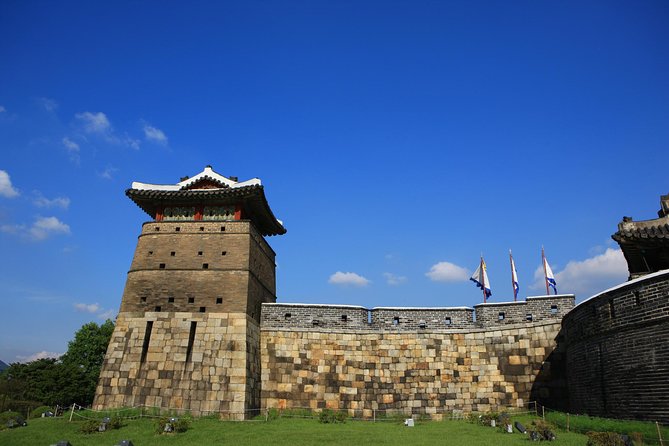
- UNESCO Hwaseong Fortress in Suwon: late-Joseon walls, gates, and artillery towers with a guide-led walkthrough.
- A restored Joseon-style village: 260+ renovated traditional houses showing household life and regional artifacts.
- Craft workshops you can watch: pottery, bamboo wares, paper and fans, brass work, embroidery, and more.
- Performances with seasonal variety: nongak farmer’s music, jultagi tightrope-style shows, and other events.
- Coach transport plus hotel drop-off: pickup from your Seoul hotel and drop-off at Myeongdong station.
- Budget clarity: tickets are covered, but lunch is not listed as included—plan to pay at the market area.
Hwaseong Fortress and Korean Folk Village: what this day trip really gives you
This is the kind of day trip I like in Korea: one morning built around a major landmark, and one afternoon built around everyday life from centuries ago. At Hwaseong Fortress, you’re walking through a fortified system created in the late 1700s, when King Jeongjo was shaping Suwon’s future. In the Korean Folk Village, you shift gears from stone defense to how people actually lived—homes, tools, crafts, and cultural performances.
The tour works best if you’re the type of traveler who enjoys context. You’ll hear why the fortress was constructed, then you’ll see the village’s recreated world of Joseon-era customs. If you just want to take photos without paying attention, you might feel rushed because both stops are structured with guide time and included admission.
Value-wise, you’re paying for two paid entrances plus guided storytelling plus transport. At around $91 per person for an 8-hour outing, it can be a solid deal if you’d otherwise spend time coordinating transit to Suwon and entrance fees on your own.
You can also read our reviews of more tours and experiences in Seoul.
Getting from Seoul: pickup, coach comfort, and how long you’ll be out
You start at 8:30 am with pickup from your Seoul hotel (and yes, the ride is by climate-controlled coach). This matters because Suwon is far enough that a coach day trip is less hassle than taking public transit and hoping your timing lines up perfectly.
The tour runs about 8 hours total. That’s long enough to feel like a full day, but short enough that you don’t lose your entire evening to travel. The coach also means you don’t have to worry about parking, transfers, or managing bags around the city.
When you’re done, you’ll be dropped off at Myeongdong station. That’s a convenient end point if you’re staying central Seoul, or if you want to go straight into shopping and dinner without another long commute.
Practical tip: if you’re sensitive to long seat time, bring a light layer. Air conditioning on coaches can go from fine to chilly fast.
Morning at Hwaseong Fortress: gates, artillery towers, and Joseon defense goals
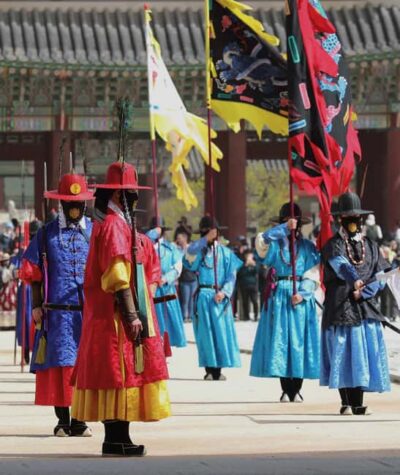
Hwaseong Fortress is the star here, and it’s not random. Suwon was a regional government center in the Joseon period, and this fortress was designed to protect the city. The big UNESCO angle is the late Joseon architecture—created during a turning point in the dynasty.
When you arrive, you’ll follow your guide along the main features: fortified walls, major gates, and artillery towers. The tour includes the entry ticket, and the guide explains the fortress’s purpose and why it was built when it was. You’ll also hear the name-and-place logic: the layout is tied to Paldalsan Mountain, which sits at the center.
One detail I like is how the story connects to people and politics instead of just “look at the wall.” The construction period (1794 to 1796) is framed as more than engineering—it’s also about King Jeongjo’s intentions for Suwon and the city’s future growth. If you keep that in mind while you walk, the fortress stops feeling like a museum and starts feeling like a designed system.
How much you’ll see: plan on about an hour here, which is enough for the major highlights but not enough to wander every side path for long. In other words, this is a highlight tour, not a slow, deep exploration.
Rain note: one experience was cut short by sudden rain. Fortress walking gets slick, so keep an eye on the sky, and wear shoes with good grip.
The Suwon market lunch stop and what to expect (bibimbap time)
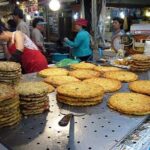
Between the two main sites, you’ll head to a market area. Your plan includes a Korean lunch stop where bibimbap is offered—rice mixed with meat and vegetables. That’s a good choice for a day trip because it fills you up without going too heavy.
Here’s the one place where I’d double-check your booking details: the description mentions lunch as part of the day, but it also lists lunch as not included. So treat this like: lunch is available during the tour, but you should budget for it unless your specific booking says otherwise.
If you want to sample more than bibimbap, the market area is positioned for that—think Korean rice cakes and traditional liquor as optional extras. Just know those are likely on you, not covered.
Timing tip: eat what you can quickly. You’ll want energy for the second half of the day, and the folk village is where you’ll spend the bulk of your walking after lunch.
Afternoon at the Korean Folk Village: restored homes that feel lived-in
The Korean Folk Village is designed to recreate life from the late Joseon era. It opened in 1974, and the focus is restoration. Depending on how the numbers are described, you’re looking at 260+ renovated houses and more than 200 restored traditional homes—either way, it’s a large enough site that you’ll notice different house styles and household objects as you walk.
The idea isn’t just “old houses.” It’s daily life: how people lived, what they used, and how regional culture showed up in home goods. You’ll see traditional interiors with Joseon-era items on display, plus information that helps you connect the objects to real routines.
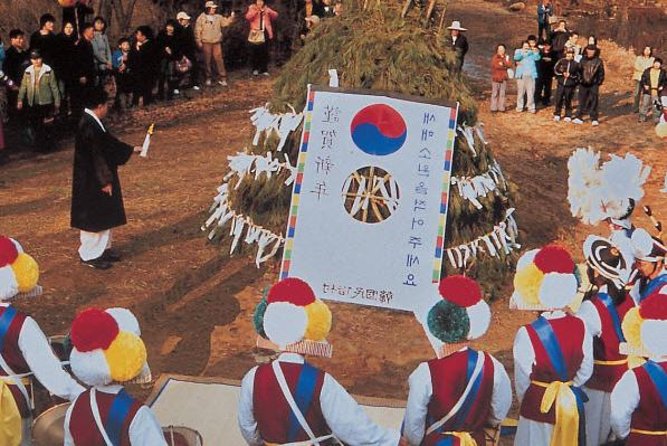
What I like most is that it’s not only rooms and artifacts. The village also has cultural experiences tied to the era—seasonal customs and faith traditions are part of the visitor experience. It makes the site feel like a living interpretation rather than a static photo spot.
You’ll have around an hour at this stop. Like Hwaseong, it’s a highlights window. The upside: it keeps the day from dragging. The downside: you might miss side areas if a show runs longer or if you stop for extra photos in every house.


Crafts, workshops, and the performances that shape the mood
Inside the village, your time gets split between walking, watching, and—if you choose—participating. Workshops are a big deal here. You can observe artisans making traditional crafts such as pottery, baskets and bamboo wares, paper crafts, brass wares, fans, musical instruments, embroidery, and more.
This is where the tour can feel extra worth it. Seeing finished crafts is nice. Watching hands at work gives you a better sense of how skilled and slow some of the processes are. Even if you don’t buy anything, you’ll come away with an appreciation for craft traditions.
Performance-wise, there’s a mix that can include:
- nongak, often described as farmer’s music
- martial arts on horseback
- traditional wedding ceremony
- other seasonal events
There’s also mention of events like tightrope-style acrobatics (often tied to jultagi) and a family-friendly theme park with 15 attractions. If you travel with kids, that extra layer can be a lifesaver on a structured tour day.
One important heads-up from real-world experiences: performances can be canceled if timing doesn’t work out or if weather hits. If a show matters to you, arrive hungry for culture, not just for a specific event title. Pick two must-sees (a workshop plus one performance), and let the rest be a bonus.
Guides and group size: a smooth day with a human variable
Your tour is capped at a maximum of 9 travelers, which keeps it from feeling like a huge bus herd. In a group that small, you can usually hear the guide without cranking your neck, and you can ask quick questions if you’re curious.
The ride-and-walk plan depends heavily on the guide’s pace and depth. Some experiences described a guide named Richard as very attentive and knowledgeable, with help for food choices and overall comfort during the day. In another experience, a guide was friendly and talkative, but didn’t provide much fortress detail, focusing more generally on Korean cultural basics.
So here’s how to protect your investment of time:
- Ask one direct question at Hwaseong Fortress early on, like what feature to look at first and why it matters.
- During the folk village, ask what workshop process is best to watch in the time you have.
- If you’re the type who hates rushed tours, pick a spot to linger for 10 minutes and don’t be shy about pausing.
Also, one of the itinerary notes includes daily performances at Hwaseong and seasonal programs at the folk village. If your guide is focused on moving quickly, that’s when you’ll want to gently push back: you’re on a day trip, but you still deserve a few slow moments.
Price and value: why $91 can be a good deal (or not)
Let’s talk money. The tour costs $91 per person, includes hotel pickup, an English-speaking guide, admission tickets for both main stops, and coach transport with drop-off at Myeongdong station.
That’s the value equation: you’re paying for a full-day logistics solution plus entry fees. If you were to do this solo, you’d still spend on transit (and probably taxis at least at the ends), plus you’d have to buy admissions and manage timing. For many visitors, paying for the structure is worth it.
Where value can slip is lunch and show flexibility. Lunch isn’t clearly included in all parts of the description. And performances can be affected by weather and timing. If you’re traveling during a season when events are active, you’ll likely feel like the day hits more marks.
If you want the fortress experience to be your top priority, focus on how the guide explains it. If you want folk life and crafts most, prioritize the village time and workshop viewing. This isn’t a one-size-fits-all tour—it’s two strong halves, but your satisfaction depends on which half you care about more.
What to pack and how to pace an 8-hour day
This is a walking day, and the tour notes moderate physical fitness. Fortress terrain plus village walking means you’ll be on your feet longer than you might expect from the “one hour per stop” structure.
Pack smart:
- Comfortable walking shoes with grip for stairs and uneven surfaces.
- A light rain layer (a sudden downpour can change plans fast).
- A small water bottle. Even if drinks aren’t included, staying hydrated helps you enjoy the day instead of power-walking through it.
- A portable charger, because phones die quickly when you’re taking a lot of fortress and house photos.
Pacing tip: in the folk village, decide what you want most—workshops or houses—because you can’t slow down everywhere in a limited time window. I like to pick one crafts area to watch closely and one cluster of houses to read carefully.
Should you book this tour? My honest take
I’d book this trip if you want a low-stress day out of Seoul that hits two major “Joseon-era Korea” experiences in one go: Hwaseong Fortress for UNESCO architecture and city defense, plus the Korean Folk Village for restored homes, crafts, and cultural performances.
Skip it or choose another option if:
- You want a long, unhurried exploration with lots of free time. This tour is structured, and you’re on a timeline.
- Your top goal is a very specific performance. Weather or scheduling can change what happens that day.
- You’re extremely detail-driven about fortress history. You’ll get guidance, but guide depth can vary, so ask questions early.
If you’re on a first trip to Seoul and you want a practical day trip that feels genuinely different from the city, this is a strong candidate. Bring good shoes, keep expectations flexible, and treat the guide’s explanations as your “fast path” into what you’re seeing.
FAQ
What time does the tour start?
The tour starts at 8:30 am.
How long is the tour from Seoul?
It’s listed as about 8 hours.
Does the tour include hotel pickup and drop-off?
Yes. You get hotel pickup by comfortable coach, and you’re dropped off at Myeongdong station.
Are admission tickets included?
Yes. Admission tickets are included for both stops.
Is lunch included in the price?
Lunch is not listed as included. The plan includes a market lunch stop where bibimbap is offered, so plan to pay for your meal unless your specific booking states otherwise.
Can I cancel and get a full refund?
Yes, it’s free cancellation up to 24 hours in advance for a full refund.