REVIEW · SEOUL
Korean Heritage Tour: Palaces and Villages of Seoul Including Gyeongbokgung Palace
Book on Viator →Operated by KOREA TOUR (DMZ TOUR) · Bookable on Viator
One day. Two different sides of Seoul. You’ll walk through Gyeongbokgung Palace and its restored Joseon grandeur, then see traditional life at the Korean Folk Village with hands-on-style craft demonstrations. The small-group feel (up to 10 people) keeps the pace friendly, even though it’s still a full-day outing.
My favorite part is how the day connects buildings to everyday culture: palace architecture in the morning, then temple atmosphere, a museum stop, and village crafts later. One thing to consider is the scheduled stop at a ginseng center, which can feel out of place for some people and may come with sales pressure.
In This Review
- Key highlights to know before you go
- Gyeongbokgung Palace Walk: Joseon Royal Power, Restored After Loss
- If it’s Tuesday: the palace swap to Deoksugung
- National Folklore Museum: How Replicas Teach Daily Life
- Jogyesa Temple: A Calm Break (and a 500-Year Anchor)
- How to get the most from this short visit
- Lunch Plus the Ginseng Center: Good Food, Mixed Feelings
- Korean Folk Village: Crafts and Workshops, With the Right Expectations
- How to enjoy it anyway
- The Full-Day Flow: Timing, Transit, and the Pace Check
- Guide quality: names you may see attached to past groups
- Price and Value: What $140 Buys in One Structured Day
- Who This Tour Fits Best (and Who Might Want to Skip)
- Should You Book This Seoul Heritage Tour?
- FAQ
- What time does the tour start?
- How long is the Korean heritage tour?
- Is hotel pickup and drop-off included?
- What admissions are included?
- What happens if Gyeongbokgung Palace is closed?
- Is there a lot of walking?
- Can I cancel for a full refund?
Key highlights to know before you go
- Gyeongbokgung Palace focus with a guided walk through gates, pavilions, and royal halls
- National Folklore Museum uses replicas to explain Korean life from ancient times to the 20th century
- Jogyesa Temple visit includes a look at a main hall dating back about 500 years
- Korean Folk Village crafts like pottery making, basket weaving, and traditional instrument or ware demos
- Hotel pickup and air-conditioned coach keeps transit comfortable and straightforward
- Guide quality matters: some guides are praised by name (Sunny, Winnie, Dora, David, Michelle) for clear English
Gyeongbokgung Palace Walk: Joseon Royal Power, Restored After Loss
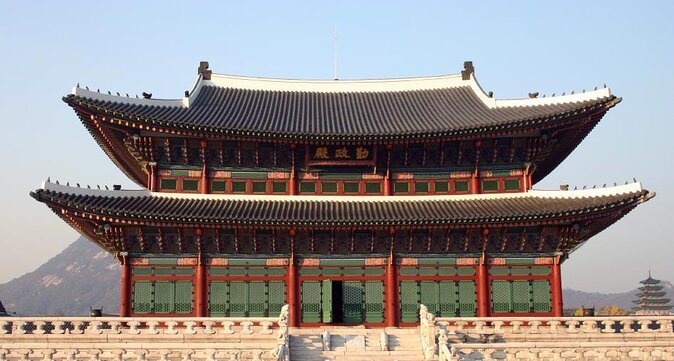
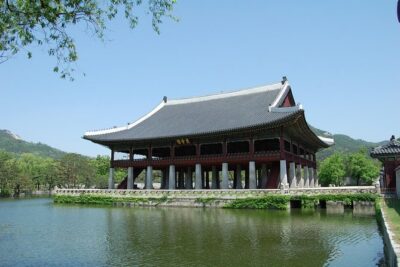
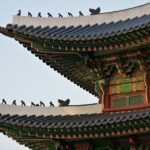
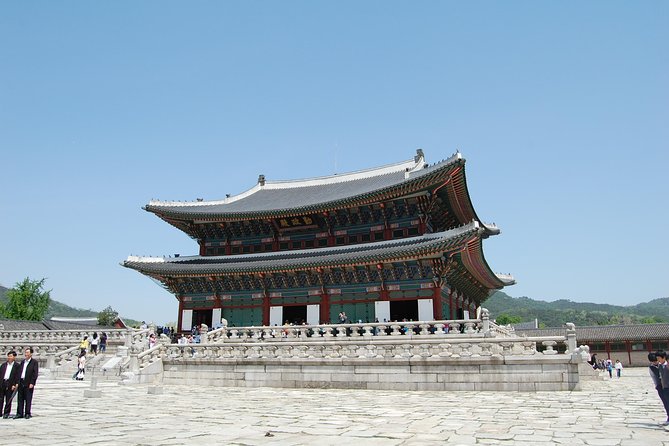
Gyeongbokgung Palace is the star of this day, and the tour is built around actually walking the grounds. This palace was constructed in 1395 and is the largest of the Five Grand Palaces. You’ll see the gates, pavilions, and royal halls explained by your guide, with enough structure to help you connect what you’re looking at to the bigger story of court life.
A useful detail: much of Gyeongbokgung was destroyed during the Japanese occupation, and restoration efforts have worked to bring the palace back toward its original condition. That means your visit isn’t just pretty architecture. It’s also a reminder that history keeps getting interrupted, then rebuilt.
You can also read our reviews of more historical tours in Seoul
If it’s Tuesday: the palace swap to Deoksugung
Gyeongbokgung Palace is closed on Tuesdays. If your day falls on a Tuesday, the tour visits Deoksugung Palace instead, and that complex includes the Seoul Museum of History. So you still get a major palace experience—just with a different setting.
Practical tip: wear shoes you can stand in for a while. Even when a day is described as guided, the palace portions are still walking-heavy, and your best photos and best understanding come from slowing down at the most important viewpoints.
National Folklore Museum: How Replicas Teach Daily Life
Right after the palace, you’ll head to the National Folk Museum. The key thing here is the method: exhibitions rely heavily on replicas to explain what daily life looked like across time, from ancient periods to the 20th century.
You’ll have a short stop (about 20 minutes), but it’s enough time to catch the museum’s main idea: these aren’t just objects in glass. They’re used to show how people lived—tools, models, and period examples that give your palace visit more context. The museum is also listed as free for admission in this program, so you’re not paying extra just to learn.
Even if you’re not a museum person, the museum stop is helpful because it trains your eye. Once you understand what ordinary life looked like, the later village craft demonstrations make more sense instead of feeling like random souvenirs.
Jogyesa Temple: A Calm Break (and a 500-Year Anchor)
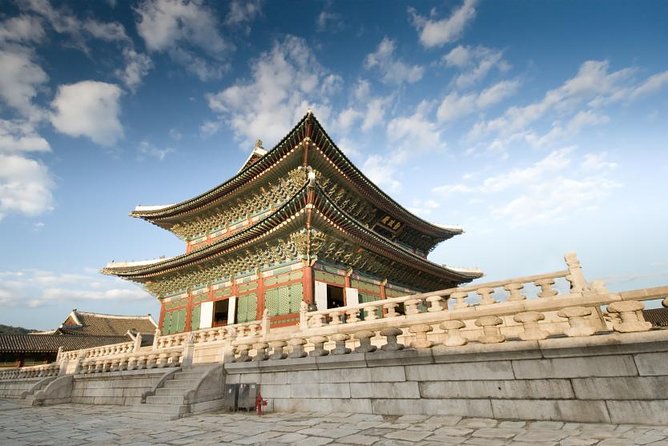
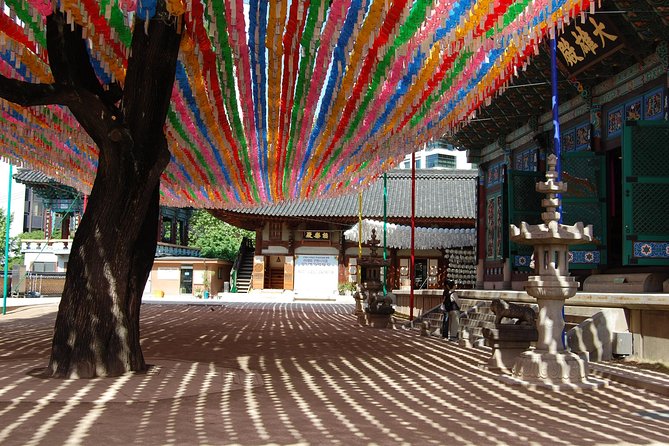
Jogyesa Buddhist Temple is scheduled as a brief stop, but it’s a meaningful one. Jogyesa is the chief temple of the Jogye Order of Korean Buddhism, and the main hall (Daeungjeon) is said to date back roughly 500 years.
Outside, you’ll notice the trees lining the entrance, including locust and baeksong varieties, which helps break up the city-tour tempo. Inside the main hall, you’ll see an enlightened Buddha, and the guide narration is what turns a quick stop into something you can actually remember.
How to get the most from this short visit
This part of the day is short (the program lists about a couple minutes for the stop), so don’t expect a slow, contemplative tour. Instead, treat it like a “reset button” between palace and village: take a few photos carefully, listen for the guide’s key points, then move on.

Lunch Plus the Ginseng Center: Good Food, Mixed Feelings
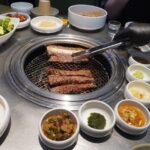
The tour includes lunch at a local restaurant, with about an hour allocated. This is one of the easier parts to enjoy because you get Korean food in a sit-down setting, and it’s also a mental break from walking and transit.
Then comes the ginseng stop. You’ll visit a Korean ginseng center for about 30 minutes, with time to learn more about the product and potentially purchase ginseng to take home.
Here’s the balanced take: in practice, this stop is the one most likely to feel like a detour away from heritage. Multiple people highlighted that the ginseng center and similar presentations didn’t match the spirit of the rest of the tour, and some felt pressured to buy. If you like traditional health remedies as a topic, it can be fine as a quick cultural add-on. If you prefer pure sightseeing with fewer sales moments, plan to treat this as optional mentally and decide ahead of time whether you’ll buy anything.
A smart move: skip the surprise purchases. If you do want ginseng, set a budget before the stop so the moment doesn’t steer your spending.
Korean Folk Village: Crafts and Workshops, With the Right Expectations
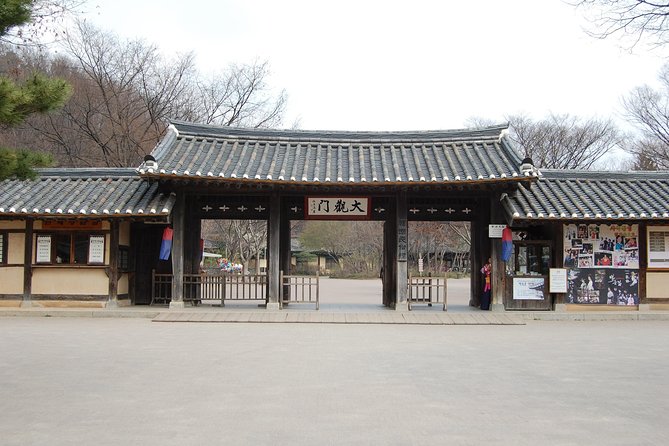
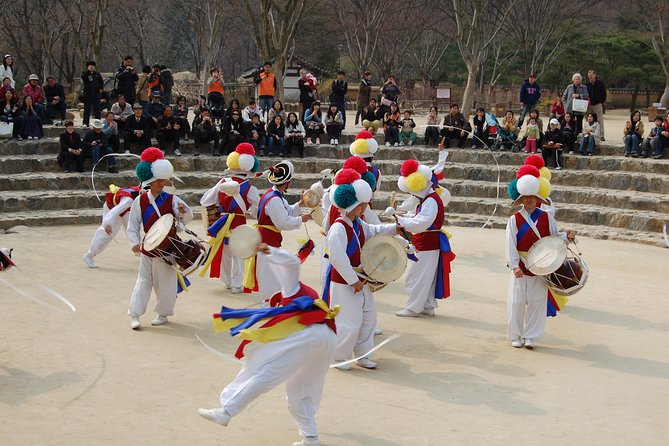
In the afternoon, you’ll go to the Korean Folk Village, described as a living showcase for traditional Korean life and folk culture. The time here is about 1 hour 20 minutes, which is long enough to walk around and watch demonstrations, but short enough that you won’t get stuck.
You’ll see craft and craft-adjacent activities such as pottery making, basket weaving, hand-making of winnows, and demonstrations related to musical instruments and embroidery. There are also items tied to bamboo, wood, and brass wares.
The big question is what you want from this stop. Some people loved the village experience as a real sense of how older Korean life worked. Others felt it could feel more like a staged village than a fully authentic everyday community. Both reactions are possible because the village is designed as a cultural presentation, not a “go live there” experience.
How to enjoy it anyway
Focus on what’s being shown, not on whether it looks exactly like a real neighborhood. If you pay attention to materials, tools, and how crafts are explained, the time feels valuable and hands-on.
Also: if you’re hoping for a quieter, less structured visit, know that your guided day format keeps things moving. Build patience into your afternoon schedule.
The Full-Day Flow: Timing, Transit, and the Pace Check
Your day starts at 8:30 am with hotel pickup, then you board an air-conditioned coach. One of the first narrated drives is past the Blue House, the executive office and official residence of the South Korean head of state. Even if you’re not politically focused, this is a quick way to orient yourself to key parts of modern Seoul.
From there, you’re on a tight schedule designed to fit major sights in one day. That’s good for first-timers, but it can feel rushed during the early palace block if you arrive feeling tired. Some guides manage this well by pacing people after explanations, while other groups may experience a faster “move along” rhythm.
Group size is capped at a maximum of 10, and the minimum is 4, so you’re usually not dealing with a huge crowd. Still, you’ll want a steady walking shoe plan because the program calls for moderate walking.
Guide quality: names you may see attached to past groups
You might be lucky enough to get a guide praised for clear English—names that have shown up include Sunny, Winnie, Dora, David, and Michelle. English quality can make a huge difference here, because the value of these stops is in the context and the details the guide adds while you’re standing in the places.
Price and Value: What $140 Buys in One Structured Day
At $140 per person for an approximately 8.5-hour day, you’re paying for convenience and sequencing more than just “admission tickets.” The program includes hotel pickup and drop-off, a professional guide, an air-conditioned vehicle, and lunch.
On the money-side, the tour lists admission ticket inclusion for Gyeongbokgung Palace (about an hour) and the Korean Folk Village (about 1 hour 20 minutes). It also marks the National Folk Museum as free admission and Jogyesa as free admission in the schedule you’re given. That mix matters: you’re not paying extra at each stop while you’re trying to keep the day moving.
Is it worth it? If you want a single-day overview that connects palaces + temple + folk culture without researching each site, yes. If your main goal is to linger slowly at one place or build your own route based on your exact interests, you might prefer a less packaged approach.
Who This Tour Fits Best (and Who Might Want to Skip)
This is a good fit if you’re:
- In Seoul for a short time and want a guided, full-day cultural sampler
- Comfortable with moderate walking and want a structured day
- Interested in palace architecture plus folk culture, not just one type of sight
It might be less ideal if you:
- Dislike shopping stops or sales-oriented presentations (the ginseng center is the most common complaint)
- Want long guided narration everywhere, because some segments are brief by design
- Prefer a village that feels completely like an everyday community rather than a cultural showground
If you’re deciding between days, Tuesday travelers should know the palace swap to Deoksugung Palace will likely shape your experience.
Should You Book This Seoul Heritage Tour?
I’d book it if you want a sensible, guided first pass through Seoul’s palace and culture highlights—especially if Gyeongbokgung Palace and the folk craft demonstrations are high on your list. The best part is how the day ties architecture to lived culture, and the included lunch plus hotel pickup makes it low-stress.
I would hesitate if you strongly dislike ginseng or want to avoid any store-style stops. You can still enjoy the palace and temples, but you should go in with eyes open about that scheduled center time.
FAQ
What time does the tour start?
The tour starts at 8:30 am.
How long is the Korean heritage tour?
It runs about 8 hours 30 minutes (approx.).
Is hotel pickup and drop-off included?
Yes. Round-trip hotel transport by air-conditioned coach is included.
What admissions are included?
Gyeongbokgung Palace admission is included, and Korean Folk Village admission is included. National Folklore Museum and Jogyesa Temple are listed as free admission in the tour details.
What happens if Gyeongbokgung Palace is closed?
Gyeongbokgung Palace is closed on Tuesdays. In that case, the tour visits Deoksugung Palace and includes a tour of the Seoul Museum of History.
Is there a lot of walking?
The tour involves a moderate amount of walking, so comfortable walking shoes are recommended.
Can I cancel for a full refund?
Yes. You can cancel up to 24 hours in advance for a full refund.