REVIEW · SEOUL
Gwangjang market Netflix Food Walking Tour with Insadong
Book on Viator →Operated by S.A. Tour · Bookable on Viator
Seoul at 3:00 pm can taste like a story. This Insa-dong-to-Gwangjang Market food walk pairs neighborhood history with the foods you actually come to Seoul for. I especially liked the guided explanations (the Q&A is relaxed) and the included bites like fish-cake and mung-bean pancakes, plus honey dessert and Korean rice wine. The main tradeoff: it’s only about 3 hours, so serious shop-browsing can’t be the whole plan.
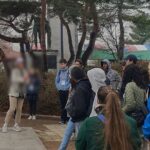
You’re walking a compact route through classic craft streets and the market, with a small group (up to 10). That size matters. It keeps the pace friendly, and it makes it easier to ask your guide what things mean—without feeling rushed or left behind.
In This Review
- Key things to know before you go
- How this 3-hour Seoul walk actually works
- Insa-dong Culture Avenue: crafts, tea houses, and old-school design
- The alleyway stop that changes the pace: Ikseon-dong feel in a small space
- Gwangjang Market: street food, textiles, and the 1905 timeline
- What you actually eat: fish-cake, mung-bean pancakes, honey dessert, and rice wine
- The guide makes it: Alan Han’s patient, Q&A-friendly style
- Price and value: $48.60 for a guided meal, not just snacks
- Timing and logistics: starting at Anguk Station, ending at the market
- Weather and comfort tips (so the tour stays fun)
- Who this tour is for (and who it might not fit)
- Should you book the Gwangjang Market and Insadong food walking tour?
- FAQ
- Where does the tour start?
- How long is the tour?
- How much does it cost?
- Is admission included for the places visited?
- What food is included?
- Is there an English-speaking guide?
- What’s the group size limit?
- Where does the tour end?
- Do I get a mobile ticket?
- What happens if the weather is poor?
Key things to know before you go
- Small group size (up to 10) keeps the tour conversational and question-friendly
- Insa-dong first, then a stroll toward the market area for that old-meets-new feeling
- 3–5 street-food tastings included, not just one or two samples
- Gwangjang Market has serious history, dating to 1905
- English-speaking guide with hands-on guidance for what to try and why
How this 3-hour Seoul walk actually works
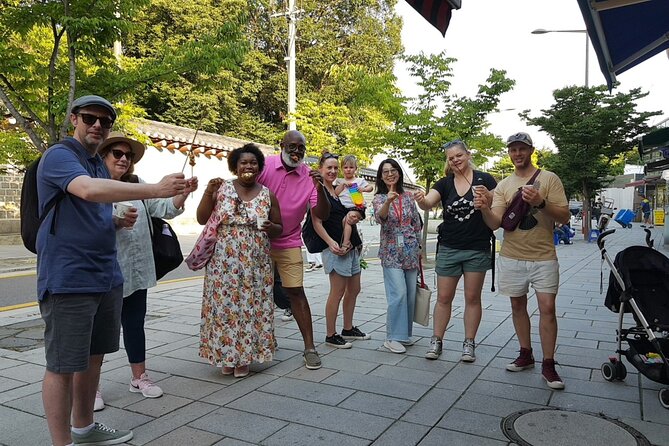
This is a classic afternoon structure: you meet at Anguk Station at 3:00 pm, then spend about three hours moving on foot through Insa-dong and into the Gwangjang Market area. The goal is not to speed through sights. It’s to connect what you see—tea houses, craft shops, alleys, and market stalls—with the culture behind it.
The experience feels designed for two kinds of travelers: people who want food without guessing, and people who want context while they eat. Since the group is limited to 10 people, you get more time to ask questions and compare flavors as you go. You’ll end at Gwangjang Market, which is useful because it means you can keep snacking or browsing afterward if you’re still hungry.
One more practical note: you get a mobile ticket, so you’re not juggling printouts or hunting for confirmations on arrival. It’s a small thing, but it makes the start smoother.
You can also read our reviews of more walking tours in Seoul
Insa-dong Culture Avenue: crafts, tea houses, and old-school design
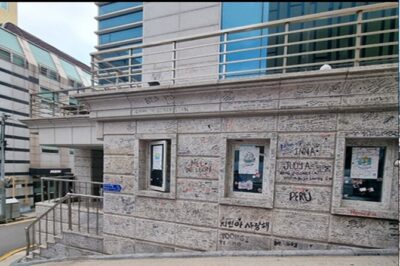
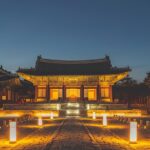
Insa-dong is the kind of place where you can walk past something and realize it has a long story attached to it. This part of Seoul leans into Korean arts and crafts—think art galleries, handicraft shops, antique-style browsing, and traditional tea-house vibes. Even if you don’t buy anything, it’s a great area for learning what “traditional” looks like in everyday storefront form.
What I like about starting here is the way it sets the tone. You’re not jumping straight into a food market. You’re learning the cultural language first: how crafts are displayed, how handmade items are marketed, and how the neighborhood became a center for Korean culture over time. Your guide ties those details together with stories, so you’re not just naming places—you’re understanding why they matter.
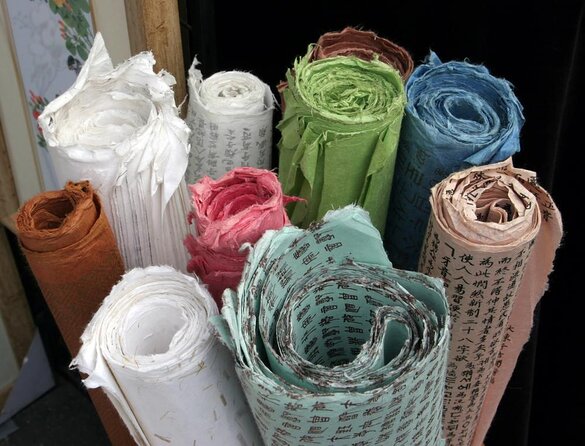
A drawback to consider: Insa-dong can be crowded in general, and you’re there for a limited time. If you’re the type who wants to pick out gifts in peace—pottery, paper goods, calligraphy supplies—this tour may make you feel like you’re “borrowing” time from your own shopping. I’d treat this stop as inspiration, then plan a longer return visit if you see something you truly want.
The alleyway stop that changes the pace: Ikseon-dong feel in a small space
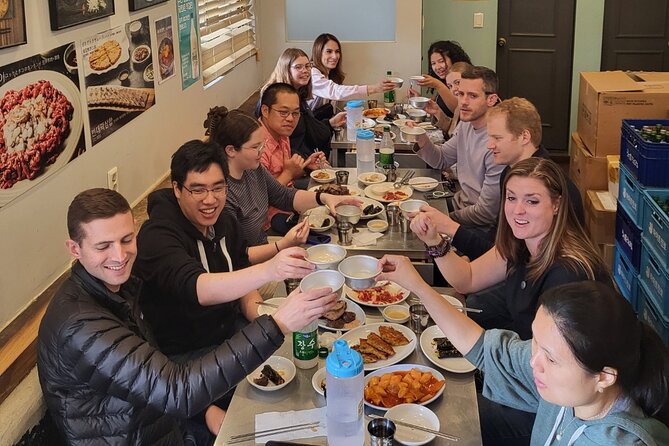
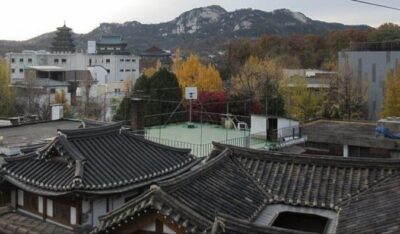
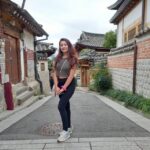
Between the craft streets and the market, you’ll spend time around Ikseon-dong Alley—a narrower area where past and present sit close together. This is where the tour turns from museum-like sightseeing into something more lived-in. You get traditional hanok-style atmospheres alongside newer café culture.
This matters because it’s an easy way to understand Seoul’s “then and now” without a formal itinerary of landmarks. Instead of only hearing about transformation, you physically move through it: narrow lanes, older architecture, and the kind of modern coffee-and-snack stops people use as social hangouts.
There’s also a sensory reason this works. Smaller alleys change how you experience sound, smell, and street energy. When you later reach Gwangjang Market, it won’t feel like a sudden switch. It will feel like the same city, just another flavor chapter.
Gwangjang Market: street food, textiles, and the 1905 timeline
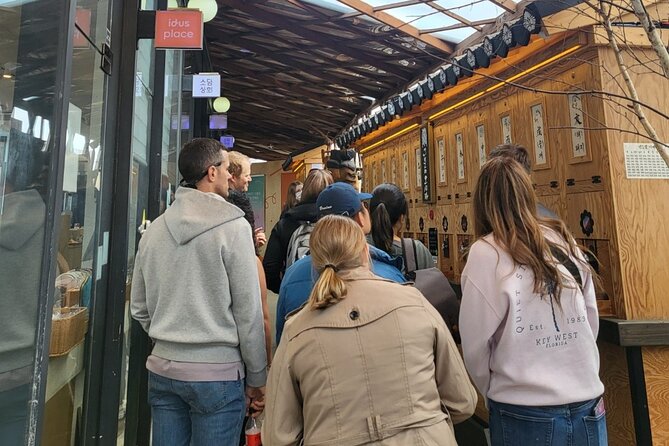
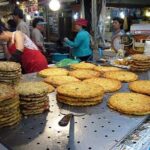
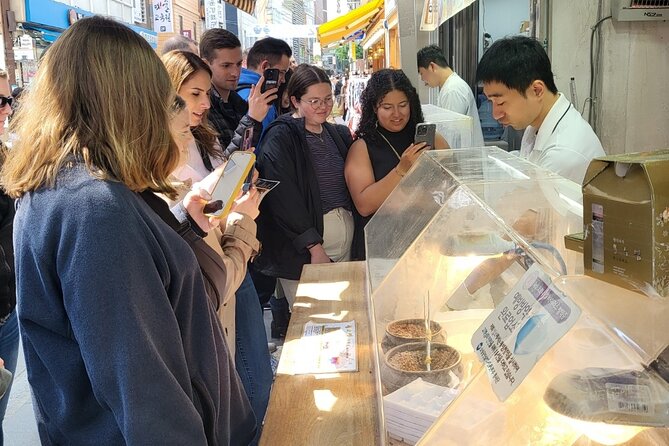
Then you hit Gwangjang Market, one of the older and larger market areas in Seoul, operating since 1905. What makes this stop valuable is that the market isn’t only about eating. It’s also about textures and materials: textiles and handmade goods sit alongside food stalls.
I like how your guide helps you read the market. You’re not just spotting snacks and moving on. You’re learning what the market represents—especially the way local life shows up through food and shopping habits. Your tour includes stories about local life and history in the area, including references to Korean life in the 1990s. That kind of timeline talk makes the place feel less like a themed stop and more like something people have used for daily needs for a long time.
A consideration: Gwangjang Market can be busy, and you’re there as part of a guided walk. That’s great for sampling and learning. But if your main goal is slow wandering with full control over what you try, keep in mind the tour is still structured. Use the guided part to choose well—then explore after you finish.
What you actually eat: fish-cake, mung-bean pancakes, honey dessert, and rice wine
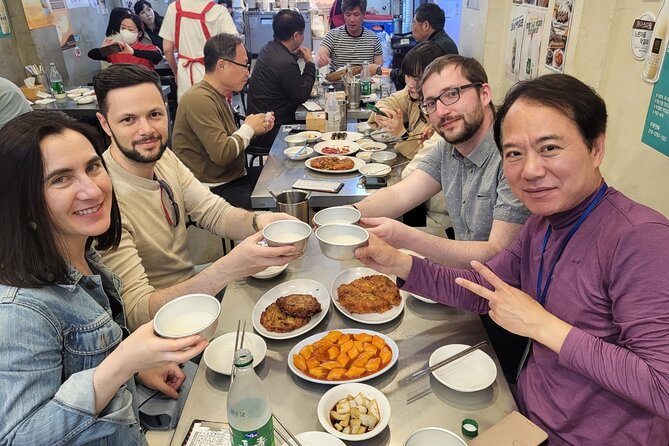
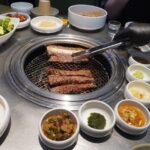
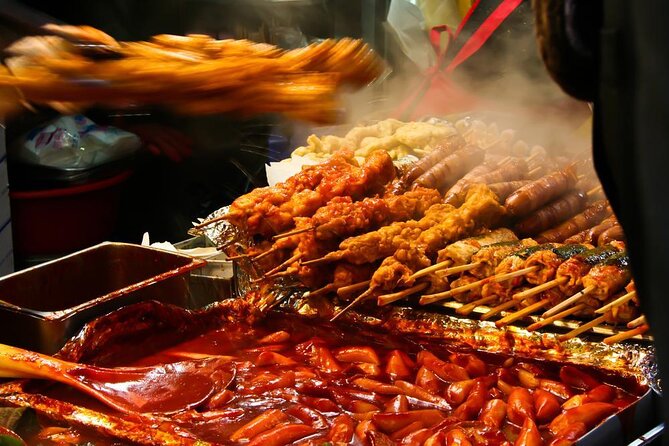
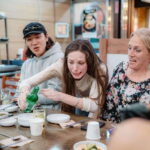
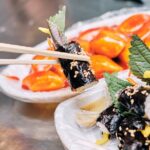
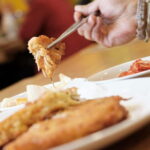
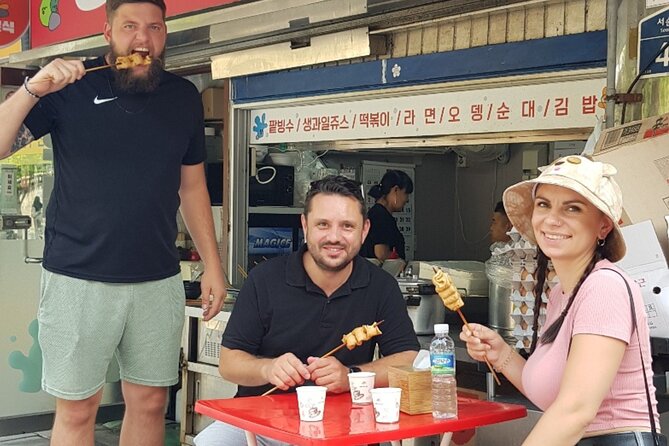
Food is the headline here, and the tour follows through. You’ll have 3–5 kinds of street food tasting, plus specific included items that make the lineup feel like a real meal rather than a few crumbs.
Here’s what’s explicitly included:
- Fish-cake
- Mung-bean pancake (often known as bindaetteok)
- Honey dessert
- Korean rice wine
This is a strong set because it covers different flavor categories. Fish-cake gives you savory, familiar umami. The mung-bean pancake brings a hot, crispy element and a bean-forward taste that’s unmistakably Korean street food. Honey dessert adds a sweet finish so you’re not stuck with one flavor track, and rice wine is a classic drink choice that can make the market feel like an evening ritual rather than a snack run.
Now, a practical note for your stomach: you’ll be sampling multiple items in a short period. That’s fun, but it’s still a lot of food density. I recommend arriving with a light appetite so you enjoy the tastings instead of rushing through them.
Also, ask the guide questions if you’re unsure what something tastes like. A good English-speaking guide doesn’t just hand you food. They explain what to notice—texture, spice level, and how dishes differ from one stall to another.
You can also read our reviews of more food & drink experiences in Seoul
The guide makes it: Alan Han’s patient, Q&A-friendly style
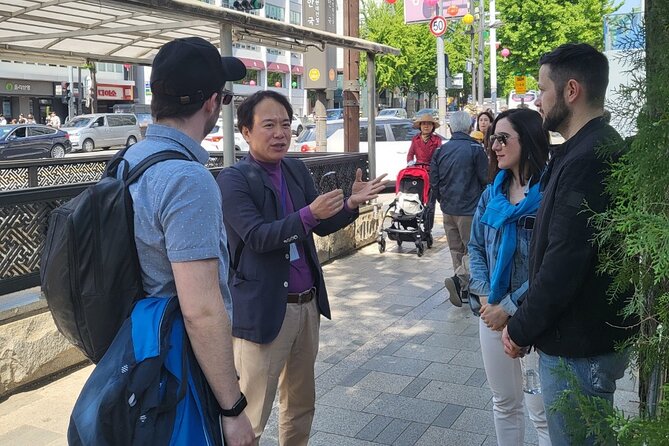
The biggest difference between a “walk and taste” tour and a truly helpful one is the guide. In this case, the tone comes through clearly: the guide is described as kind and personable, and the pace leaves room to ask questions.
One name you may hear is Alan Han. People highlight his friendliness and the way he takes his time with explanations, especially when weather gets unpleasant. That’s a meaningful detail because this is a walking-focused experience and Seoul weather can shift fast in late afternoon.
If you’re the type who likes details—why Insa-dong became a cultural hub, how market life developed over time, what a dish is actually known for—this tour format supports that. It doesn’t feel like you’re being herded. It feels like you’re getting a guided conversation with food as the anchor.
Price and value: $48.60 for a guided meal, not just snacks
At $48.60 per person, this tour sits in a mid-range category for Seoul food walking experiences. The best way to judge it is not the ticket alone—it’s what’s bundled.
You’re paying for:
- a professional English-speaking guide
- multiple street food tastings (3–5 kinds)
- specific included items: fish-cake, mung-bean pancake, honey dessert, and Korean rice wine
- a structured walk connecting Insa-dong to Gwangjang Market
If you try to replicate this on your own, you’ll likely spend time figuring out what to order, where to go, and how much to buy. Buying street food piece by piece can add up quickly, especially once you include dessert and alcohol. Here, you’re essentially buying a guided route with a pre-selected menu.
Small group size (up to 10) also influences value. In a crowd, you lose time. In a small group, you get better guidance and smoother pacing, which makes the tour feel worth the planning.
Timing and logistics: starting at Anguk Station, ending at the market
The tour starts at 3:00 pm at Anguk Station and ends at Gwangjang Market (address listed as 88 Changgyeonggung-ro, Jongno District). That ending point is practical. It keeps your next move simple: if you’re still craving food or want to shop longer, the market is right there.
The afternoon start also helps you avoid some of the harshest daytime heat. That said, the tour is walking-based, so you’ll still want to dress smartly for conditions—especially if the weather turns. The experience provider notes it works best with good weather, and if it’s canceled due to poor weather, you’ll be offered another date or a full refund.
You also don’t need to worry about complicated entry. You get a mobile ticket, and confirmation is handled within 48 hours of booking, based on availability.
Weather and comfort tips (so the tour stays fun)
Even when plans go smoothly, this kind of walk depends on comfort. People describe a day that got very hot and a separate experience affected by rain. The tour survived both situations because the guide does his best to keep things moving and explains history along the way, not just while standing in place.
To stay comfortable, I’d pack the basics:
- an extra layer or light rain cover if skies look uncertain
- water for a 3-hour walking block
- shoes you trust on uneven sidewalk sections
If rain hits, don’t panic—this is exactly the kind of tour where a good guide can shift the pace and keep the story going while you stay sheltered.
Who this tour is for (and who it might not fit)
This tour is ideal if you want:
- a guided path through Insa-dong and into Gwangjang Market
- included tastings that feel like an actual food plan
- English guidance with time for questions
- neighborhood stories tied to what you’re eating
It’s also a good option for first-time Seoul visitors who don’t want to build a food crawl from scratch. The structure helps you avoid the common problem of staring at menus and hoping for the best.
It might not fit if you’re in a “maximum independence” mood. Since the schedule is fixed for about three hours, you’ll follow the route and tasting plan. If you want hours of free-form shopping and you don’t care about a guided narrative, you may prefer exploring Insa-dong and the market on your own.
Should you book the Gwangjang Market and Insadong food walking tour?
I think you should book it if you want an efficient, guided way to experience Seoul food culture without guesswork. The value comes from the specific inclusions—fish-cake, mung-bean pancake, honey dessert, and Korean rice wine—plus a route that connects craft streets to a market with roots going back to 1905.
I wouldn’t book it if you’re aiming for long browsing time in Insa-dong or if you dislike walking-based plans. But if you’re happy with a focused afternoon and you want someone to make sense of what you’re seeing, this is a strong pick.
If you’re trying to decide between doing it yourself and booking: let the tour do the menu selection and the storytelling. Then use the end point at Gwangjang Market for any extra browsing you want after the walk is done.
FAQ
Where does the tour start?
You’ll meet at Anguk Station in Seoul. The listed start time is 3:00 pm.
How long is the tour?
The experience runs for about 3 hours.
How much does it cost?
The price is $48.60 per person.
Is admission included for the places visited?
The tour details show admission ticket free for the stops listed.
What food is included?
The tour includes 3–5 kinds of street food tasting, plus honey dessert, fish-cake, mung-bean pancake, and Korean rice wine.
Is there an English-speaking guide?
Yes. The tour includes a professional English-speaking guide.
What’s the group size limit?
The experience has a maximum of 10 travelers.
Where does the tour end?
It ends at Gwangjang Market, listed at 88 Changgyeonggung-ro, Jongno District, Seoul.
Do I get a mobile ticket?
Yes, the tour includes a mobile ticket.
What happens if the weather is poor?
This experience requires good weather. If it’s canceled due to poor weather, you’ll be offered a different date or a full refund.