REVIEW · SEOUL
From Seoul: Suwon Hwaseong Fortress Tour
Book on GetYourGuide →Operated by I LOVE SEOUL TOUR Co., Ltd. · Bookable on GetYourGuide
Suwon’s walls still feel alive. This guided trip links UNESCO Hwaseong Fortress to the Joseon Dynasty world of royal defense, then (on full-day) swaps city bustle for traditional life at Korean Folk Village. I especially like how the fortress history is explained in plain language, and how the palace stop turns architecture into a story you can picture.
Two more reasons this works so well: the guide-led pace keeps you moving without turning the day into a blur, and the tour’s structure makes it easy to tack onto a Seoul itinerary since you start near Myeongdong station and end there. One thing to watch: walking the fortress is a real part of the experience, and some shows or activities at the village can be seasonal, so you may not see every performance on every day.
If you want a half-day to focus on the fortress or a full-day that adds a living history museum, this tour is built for that. Just bring comfortable shoes, and plan on not mixing alcohol into the day.
In This Review
- Key highlights people remember
- Suwon Hwaseong Fortress: more than a photo stop
- Haenggung Palace: Joseon power shown through architecture
- Walking the fortress walls: pacing, shade, and how much you’ll cover
- Full-day option: Korean Folk Village (and why shows vary)
- Dae Jang Geum Park: a full-day alternative to the village
- Guides make or break it: what the best ones do on this tour
- Price and value: is $52 fair for what you get?
- How the day runs from Seoul to Myeongdong
- Who should book this Suwon tour, and who should skip it
- Should you book? My take
- FAQ
- Where do I meet the guide?
- Is pickup from my hotel included?
- How long is the tour?
- What’s included in the price?
- Is lunch included?
- What languages are the guides?
- What should I bring?
- Is the tour wheelchair accessible?
- Are alcohol or drugs allowed?
Key highlights people remember
- Hwaseong Fortress UNESCO walls: big scale, very intact, and made meaningful by guide storytelling
- Haenggung Palace: the Joseon king’s fortified “travel” residence during wartime
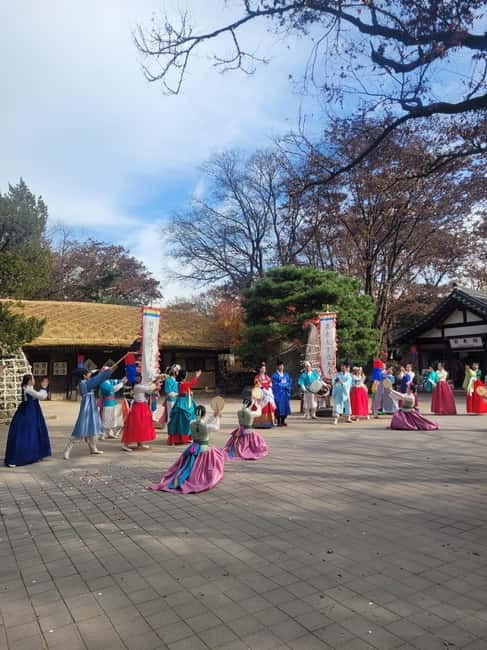
- Full-day Korean Folk Village: restored Joseon homes plus cultural experiences and seasonal performances
- English or Japanese live guides: guides who answer questions and tailor explanations to the group
- Air-conditioned transport: a smooth ride from Seoul, with drop-off near Myeongdong
Suwon Hwaseong Fortress: more than a photo stop
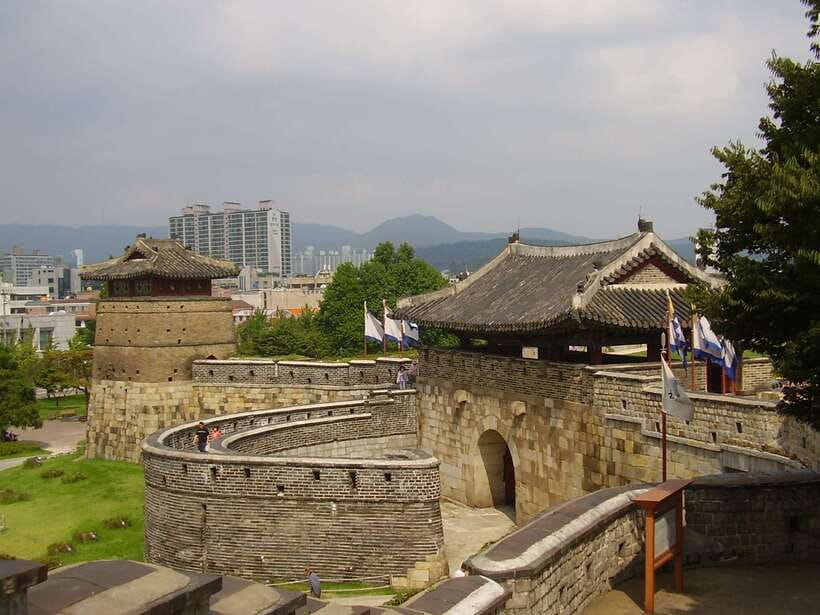
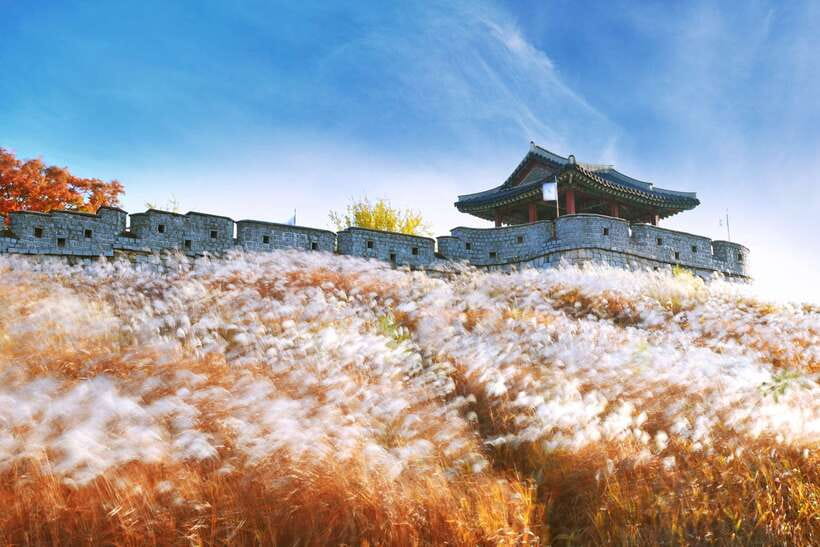
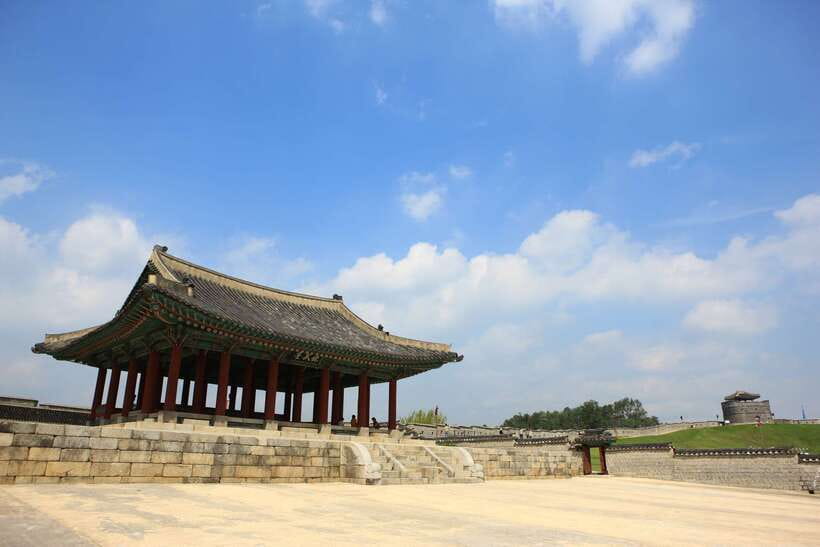
Getting out of Seoul for Suwon Hwaseong Fortress feels like stepping into a different pace. Built in the late 18th century by King Jeongjo of the Joseon Dynasty, the fortress was designed as a defensive fortification, and that purpose shows in everything about it. From the moment you approach, the walls can land with that wow factor because they’re imposing and remarkably well-preserved for their age.
The best part isn’t just seeing walls. It’s walking parts of them with a guide who connects the design to the people who used it. When you understand what the fortress was meant to do, you start noticing details that you’d otherwise miss. And because the tour is guided, you’re not left Googling your way through gate names and ramparts on the fly.
Practical note: you’ll be on your feet for a chunk of the day. The tour is listed as 4 to 8 hours, so the time on the ground adds up fast if you start from Myeongdong and then do the full-day option. Wear shoes you trust on uneven stone and stair-like surfaces.
You can also read our reviews of more tours and experiences in Seoul.
Haenggung Palace: Joseon power shown through architecture
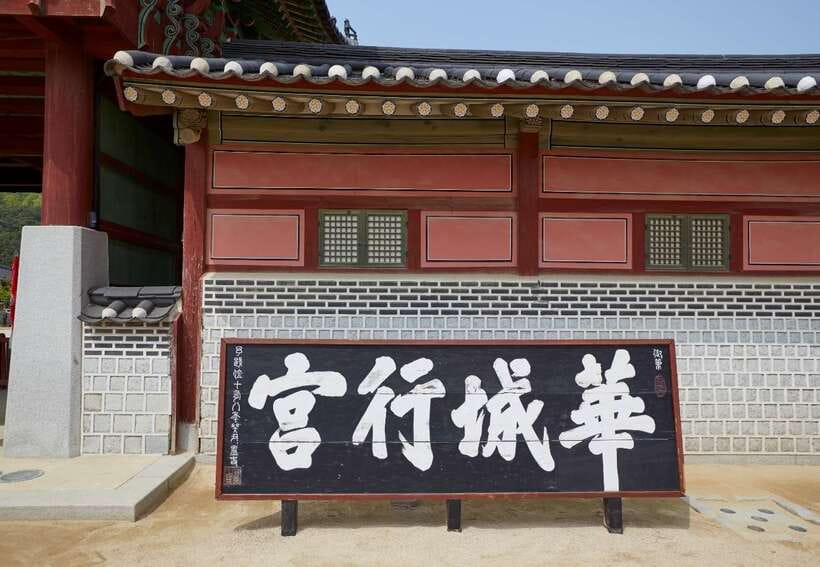
Next up is Hwaseong Haenggung, a fortified palace complex that served as a temporary residence for Joseon kings and their entourage when they traveled outside the capital. The key idea is that this wasn’t a casual getaway. This was a “we’re moving, and we need protection” setup.
When you look at the buildings and layout with that context in mind, the site stops being just pretty traditional architecture. It becomes a snapshot of how royal life worked under pressure. A good guide helps you imagine what the space meant during real events, not just a peaceful museum moment.
This is also where the tour’s Q&A style can shine. In multiple guides’ explanations, the recurring theme is that they make the history feel connected to everyday belief and power structures, including how religion and daily life showed up during that period. If you like learning that doesn’t treat history like a list of dates, this palace stop usually delivers.
Walking the fortress walls: pacing, shade, and how much you’ll cover
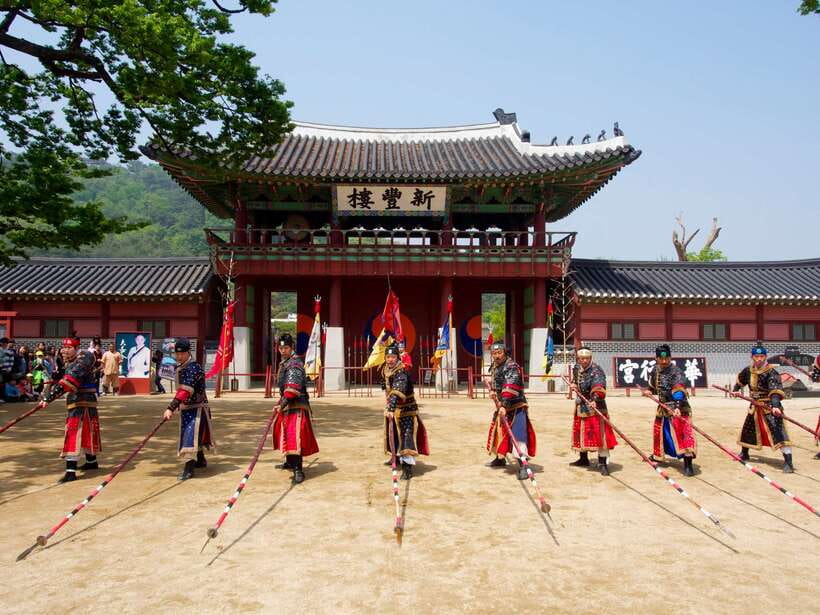
Fortress walking is the core of this day. You’ll get that classic experience of following the long lines of wall segments while the city falls behind you. You’ll also get a sense of why the fortress design worked: visibility, movement, and strong boundaries all show up once you’re actually there.
That said, the exact amount of wall walking can depend on your group and your day’s conditions. One review mentioned using a small train around parts of the wall to reduce heat stress, which makes sense in summer. Another person felt they didn’t walk enough wall because of how the group moved—again, not a flaw in the fortress, just a reminder that group dynamics matter on tours.
My advice: come ready to walk, and don’t plan any super time-critical Seoul activities right after you return. If you’re visiting in warmer months, take your water breaks seriously even if you feel fine at first. A guide that monitors pacing can help, and several guides in the feedback were careful about not overdoing it in the heat.
Full-day option: Korean Folk Village (and why shows vary)
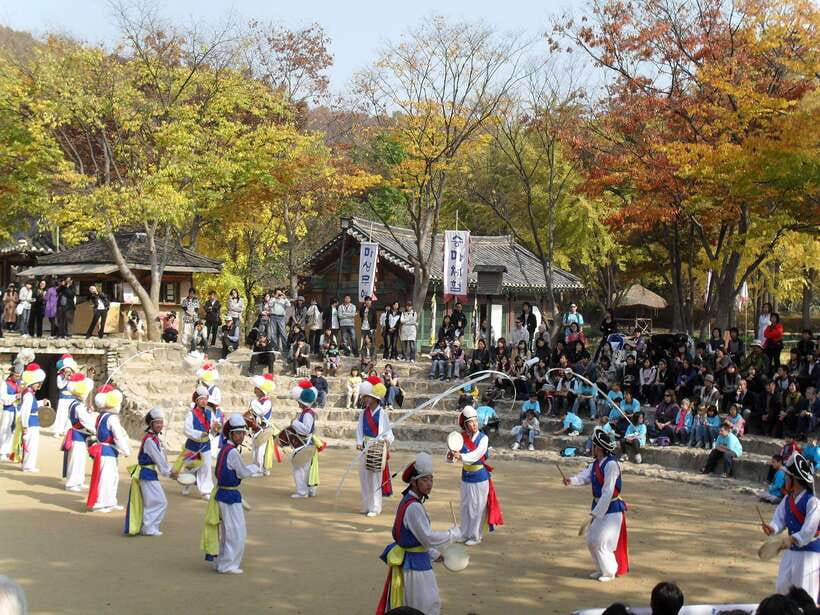
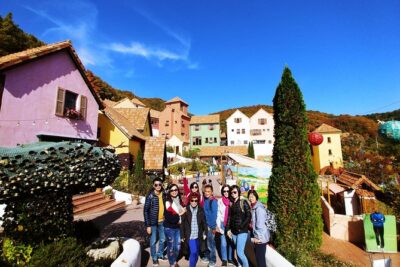
On the full-day version, you add Korean Folk Village in Yongin. It’s described as the first open-air museum of Korean folk culture, and it focuses on the late Joseon period. The place is built to recreate the past using restored houses, so you’re not just reading about tradition—you’re walking through it.
What you’ll typically experience there is a mix of:
- Cultural classes-style demonstrations and experiences
- Elements tied to seasonal customs
- Traditional beliefs such as shaman faith
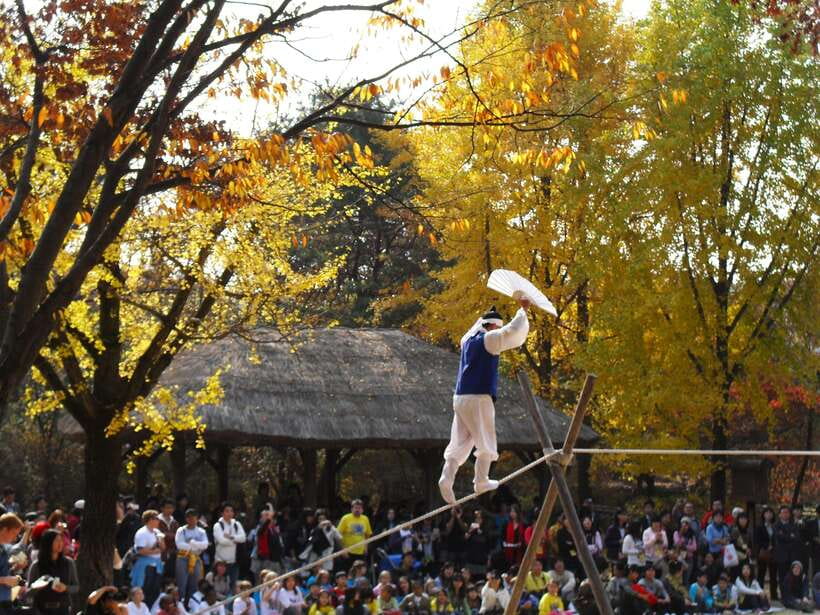
- Performances that can include nongak (farmer’s music), martial arts on horseback, and traditional wedding ceremony events (availability can depend on the day)
One helpful detail for planning: you get lunch time during the full-day route, but lunch itself is on your own expense. So build in time to eat and refuel without rushing back to the bus.
Seasonal reality check: performances are not guaranteed every day. One review noted disappointment about missing martial arts on horseback and said it simply wasn’t on that day. Another person did enjoy martial arts and traditional dances at the village. That spread is exactly why I’d treat the performances as bonuses, not the sole reason to book.
If your goal is to understand how people lived, worked, celebrated, and believed in late Joseon times, the village usually lands well. It’s also a great contrast to fortress history: one side is defense and power, the other side is daily life and custom.
Dae Jang Geum Park: a full-day alternative to the village
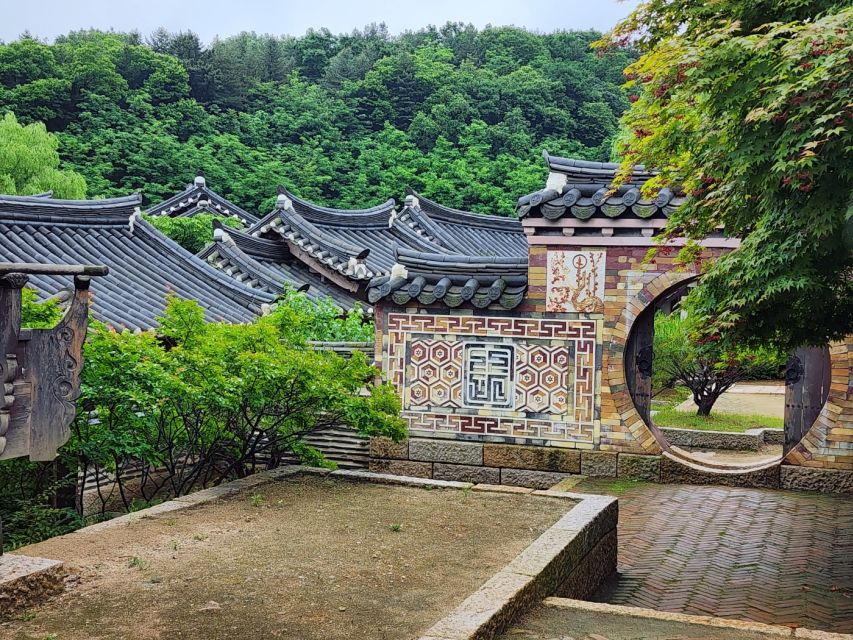
The included full-day option lists Korean Folk Village or Dae Jang Geum Park. So depending on the exact tour selection (or the day’s routing), you might trade the folk village for Dae Jang Geum Park.
The practical takeaway: if Korean drama filming locations are a big part of what you want, Dae Jang Geum Park might be a stronger match, while the folk village is the more direct late-Joseon living museum experience. The tour is designed so you still get that “history plus culture” feel beyond the fortress.


Guides make or break it: what the best ones do on this tour
This kind of tour lives and dies on the guide’s ability to explain. And the feedback is consistently positive about guides being approachable, answering questions, and making the material easy to follow.
Names that showed up across the bookings include Shin (with guides like Matthew and Sue on one group), Sophie, Leo, Henry, Stella, Thomas, Rachel and Chloe, Winnie, Xander, Jacky, Il yeong, Orota, and Christy. You can’t count on getting a specific person, but it’s a good signal that the provider staffs guides who know how to communicate.
Here’s what stands out in how these guides help you:
- They connect architecture to the real purpose of a place, not just the name
- They handle lots of questions without making you feel like you’re slowing down the day
- They adjust pacing so you’re not collapsing mid-tour (heat care came up in feedback)
- Some guides make photo moments easier by pointing out good spots and helping with photos during explanations
One review even mentioned a guide spotting K-drama scene locations to help with pictures. If you’re watching Korean dramas and love tying fiction to real geography, that extra lens can turn the tour from educational into genuinely memorable.
Price and value: is $52 fair for what you get?
At $52 per person, this isn’t the cheapest way to see Suwon history. So let’s talk value honestly.
You’re paying for a package that includes:
- Admission fees
- A guide
- Transportation by air-conditioned bus or minivan
- A drop-off near Myeongdong area
- On full-day versions, the added Korean Folk Village or Dae Jang Geum Park
That means you’re not wasting energy on transfers, ticket math, or figuring out routes between multiple historic zones. For many people, that saved time is the point of paying.
Still, not everyone felt it was a slam dunk. One review criticized the half-day option as expensive compared to what was seen. That’s a fair consideration: if you choose the shorter route, your fortress time is the whole show, so you’ll want to make sure you’re okay with walking and not expecting tons of extra activities.
My balanced recommendation: if you can do the full-day option, you usually get better value because you’re combining fortress history with a traditional culture museum experience. If you only want the fortress, this can still be worth it if you strongly prefer guided context over self-guided wandering.
How the day runs from Seoul to Myeongdong
The meeting point is straightforward: the guide meets you outside Exit #10 of Myeongdong station. If pickup is offered for your hotel, it’s optional, and it tends to focus on centrally located neighborhoods like Gangnam, Myeongdong, Gwanghwamun, Itaewon, and Dongdaemun. If your hotel is harder to reach, the guide may meet you at the nearest central hotel or nearest subway station.
You’ll travel to Suwon by air-conditioned bus or minivan, then spend the day on-site before returning to Seoul. The tour ends with drop-off near Myeongdong station. That matters because Myeongdong is a practical place to come back to: you can keep eating, shopping, or hopping on your next plan without a long commute.
Food is simple: food and drinks are not included. For full-day tours, lunch time is provided, but you pay your own lunch.
Who should book this Suwon tour, and who should skip it
You’ll likely love this if:
- You want a guided deepening of Joseon Dynasty history without needing to read a textbook first
- You like mixing big architecture with “how people lived” culture (fortress plus village)
- You appreciate guides who answer questions and keep things organized
- You’re okay with active walking and historic sites where you stand, look, and move
You should think twice if:
- You don’t handle walking well, since the fortress experience is physically active
- You rely on wheelchair access, since it’s listed as not suitable for wheelchair users
- You’re booking mainly for a specific performance, since seasonal shows can vary (like horseback martial arts)
Should you book? My take
If your ideal Seoul trip includes at least one day that feels both historical and human, I’d book it. Suwon Hwaseong Fortress is the anchor, and Haenggung adds the royal context that helps the fortress make sense. If you add the full-day option, the contrast with Korean Folk Village makes the day feel longer and more complete, not just “see one site and go.”
Just be realistic about two things: you’ll walk, and village performances can shift with the calendar. If you can accept those, this is a strong way to get out of Seoul and into real Korean history with a guide who knows how to explain it.
FAQ
Where do I meet the guide?
You’ll meet the guide outside Exit #10 of Myeongdong station.
Is pickup from my hotel included?
Pickup is optional and offered from centrally located hotels in Seoul such as Gangnam, Myeongdong, Gwanghwamun, Itaewon, and Dongdaemun. If your hotel is hard to access, you’ll meet at the nearest central hotel or subway station.
How long is the tour?
The tour duration is listed as 4 to 8 hours, depending on which option you choose.
What’s included in the price?
The price includes admission fees, a guide, transportation by air-conditioned bus or minivan, and drop-off near Myeongdong. On full-day tours, it also includes Folk village or Dae Jang Geum Park.
Is lunch included?
For full-day tours, you get lunch time, but lunch is not included and you’ll pay your own expenses.
What languages are the guides?
The tour offers live guide service in English and Japanese.
What should I bring?
Wear comfortable shoes.
Is the tour wheelchair accessible?
No. The tour is listed as not suitable for wheelchair users.
Are alcohol or drugs allowed?
No. Alcohol and drugs are not allowed on the tour.