REVIEW · SEOUL
From Seoul: Private DMZ and Odusan Observatory Full-Day Tour
Book on GetYourGuide →Operated by DMZ Spy Tour Inc · Bookable on GetYourGuide
You don’t just see the DMZ. You feel how close it is.
This private day trip follows the DMZ area connected to North Korean spy commando routes, then blends stops like Imjingak Peace Park and Odusan Observatory with a guided explanation of today’s tensions.
Two things I really like: the chance to get close to the border with a private local guide and military escort, and the included North Korean-style BBQ duck lunch (with vegetarian options when needed). One consideration: you’ll be walking some and you must travel with a current passport, so it’s not a casual day for everyone.
In This Review
- Key Points You’ll Care About
- Why This DMZ Tour Costs $200 (and What You’re Really Buying)
- Getting From Seoul to the Border: The Day Starts With Momentum
- Imjingak Peace Park: More Than Memorials, It’s Evidence
- The DMZ Route and Border Fence: How to Watch Without Getting Lost
- Going Inside a South Korean Military Outpost: The Part That Changes Your Perspective
- Odusan Observatory and the 2 km Farming Village View
- Lunch: BBQ Duck and the Unexpected Satisfaction of a Real Meal
- Price and Logistics: The Real Value Checklist
- Who Should Book This Private DMZ Spy Tour
- Should You Book This Tour or Skip It?
- FAQ
- How long is the Private DMZ and Odusan Observatory full-day tour?
- Where does the tour start and is pickup included?
- What’s included in the price?
- Do I need a passport for this tour?
- What languages are available for the live guide?
- What will I see besides the DMZ?
- What is lunch like?
- Is the tour private, and what is the cancellation policy?
Key Points You’ll Care About
- Military-escorted access: You’ll go inside a real South Korean military outpost with escort arrangements in place.
- Imjingak Peace Park exhibits: War artifacts, artillery, and bunkers give you a physical sense of what the DMZ is built on.
- Spy-commando history framing: Your guide ties specific sites to infiltration history and ongoing friction.
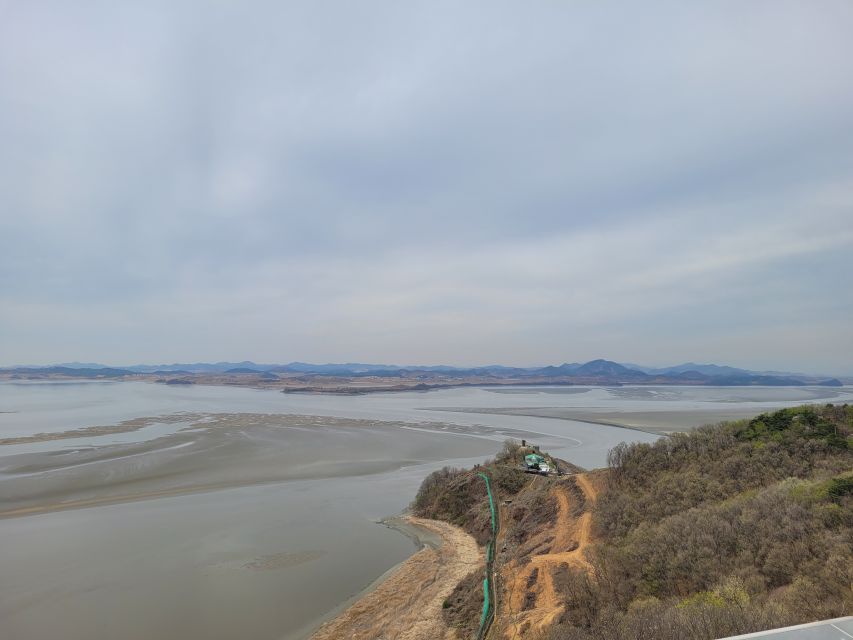
- Odusan Observatory + 2 km view: You can watch a North Korean farming village across the river border from the observation point.
- Lunch is part of the experience: BBQ duck is the standout, and vegetarian options are available.
- Guides with strong personal style: Names you may meet include Shrek, Shaun, Jimmy, and Alfonso—praised for being friendly and practical with questions.
Why This DMZ Tour Costs $200 (and What You’re Really Buying)

At around $200 per person for a full 10-hour private tour, you’re not paying for a quick sightseeing bus ride. You’re paying for a long day of organization: pickup in Seoul, a private vehicle, entrance fees, and a local guide who can explain what you’re seeing without turning it into a lecture.
Most of the cost is in the access. The DMZ is heavily managed. Even when everything feels controlled and safe with escorts, the logistics of getting you to the right viewpoints and into the right facilities is where the value sits.
Also, this tour is built for questions. A private format means you can ask about what the fence line actually means, why certain areas are restricted, and how different historical moments shape what you see today—without waiting for the group to catch up.
You can also read our reviews of more private tours in Seoul

Getting From Seoul to the Border: The Day Starts With Momentum
The day begins with pickup from your Seoul location and a comfortable drive out toward Gyeonggi Province. Once you’re headed in, the experience starts doing something useful: it moves you from city life into the border reality step by step.
Your guide leads throughout, so you’re not stuck with long silent stretches. Expect photo pauses and guided stops along the way, plus a break in Paju-si for downtime and pictures.
One practical tip: plan your morning like you would for a long hike day. Even if you’re mainly riding, you’ll be standing and walking during viewing windows. Wear shoes you’d be happy to keep on all day.
Imjingak Peace Park: More Than Memorials, It’s Evidence
Imjingak Peace Park is where the DMZ stops being abstract. The exhibits focus on war-related objects—war artifacts, artillery, and military bunkers—so you can connect the border to something tangible.
What I like about this stop for first-timers is the way it sets your mental baseline. When you later see fences and outposts, you’ll understand they’re not just symbols. They’re the physical footprint of conflict and the pause that followed.
This is also a strong place to listen closely to your guide’s framing. Guides with names like Shrek and Shaun are frequently described as clear and balanced when talking about North–South relations and what specific locations represent. That balance matters here, because the topic can easily become one-sided or purely dramatic.
If you’re the type who likes to ask, this is a good moment. You’ll have plenty to work with: artifacts, structures, and the sense of a site designed to make visitors slow down.
The DMZ Route and Border Fence: How to Watch Without Getting Lost
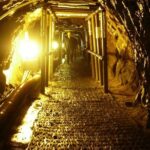
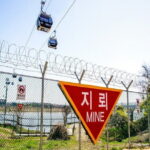
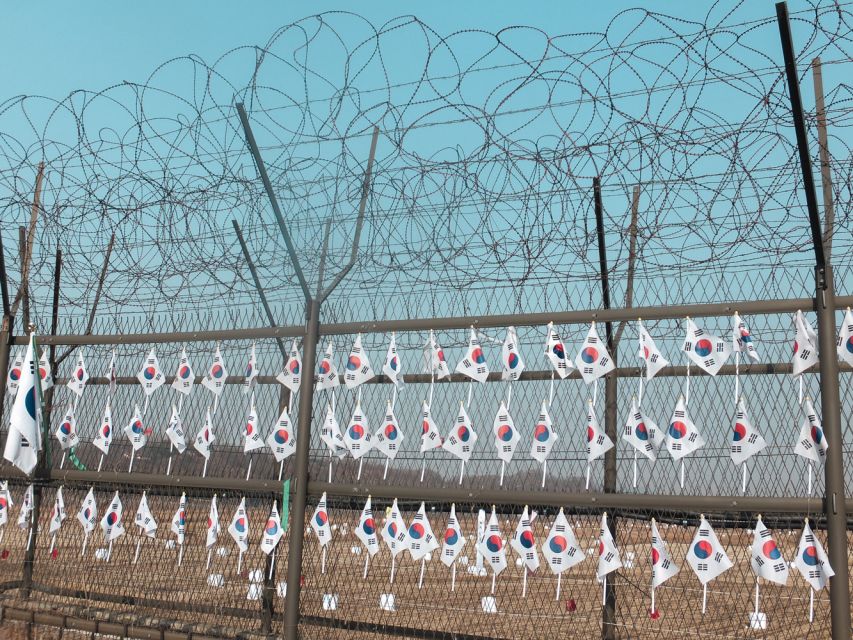
After Imjingak, you move into the DMZ touring portion along the barbed wire fence lines with soldiers patrolling the border. The point isn’t to scare you. The point is to show you scale and proximity.
Your guide will explain what you’re seeing and how it links to infiltration routes connected to North Korean spy commandos. You’ll visit sites associated with earlier fighting involving Korean and US combined special forces, which helps turn modern tensions into something grounded.
A useful way to stay oriented: pay attention to three things as you go—
- where the fence line sits relative to the viewpoints
- what the escorts and rules indicate about what’s safe to observe
- how your guide connects the terrain to the story
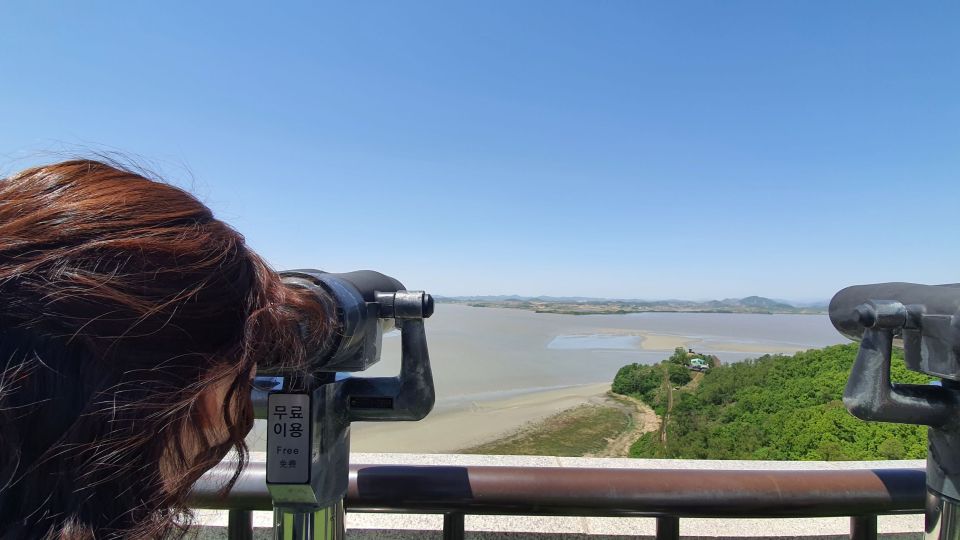
In some departures, you may also have binocular access at the viewing platform area. If that’s offered on your date, use it. Binoculars turn a distant scene into something you can actually analyze.
Photography can come with restrictions depending on location and escort instructions. Don’t argue. Ask what’s allowed, then shoot what you can and accept that the experience isn’t about collecting everything.
Going Inside a South Korean Military Outpost: The Part That Changes Your Perspective
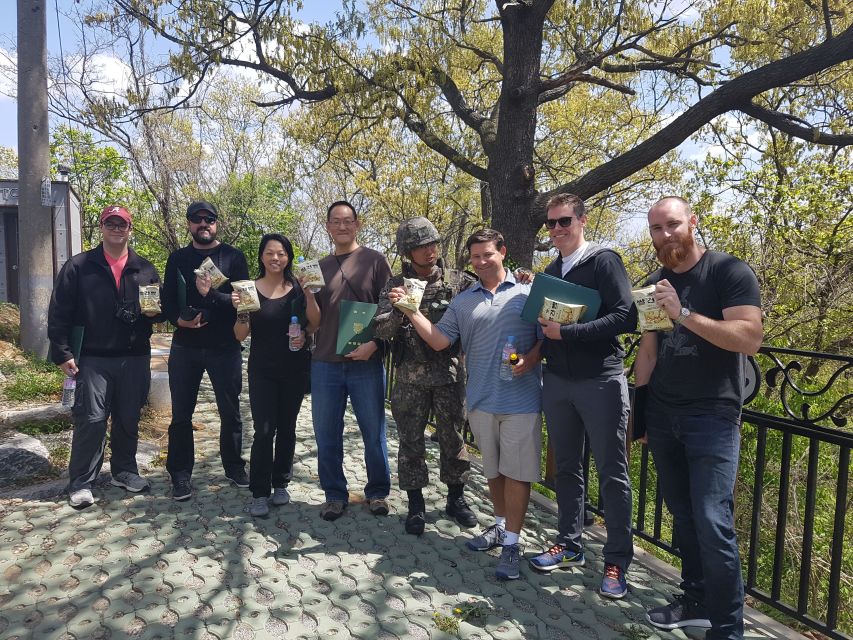
This tour’s headline is the chance to go into a real South Korean military outpost. That’s not a gimmick; it’s the experience’s core meaning.
Being inside changes the tone. From the outside, the DMZ feels like a line on a map. Inside, it feels like a system—controlled access, guarded movement, and people doing jobs that keep the standoff from becoming something else.
Your escort arrangements matter too. Several bookings highlight the escort element as central to how confronting—but still comfortable—this day feels. You’ll be close enough to understand how seriously everyone treats proximity.
This is also where a strong guide earns their fee. People often praise guides like Shrek and Jimmy for their communication and for being able to answer questions with nuance instead of bouncing you back to talking points. If you’re curious about daily realities rather than just big headlines, this outpost visit is where you’ll feel the difference.
You can also read our reviews of more tours and experiences in Seoul

Odusan Observatory and the 2 km Farming Village View

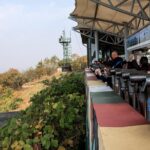
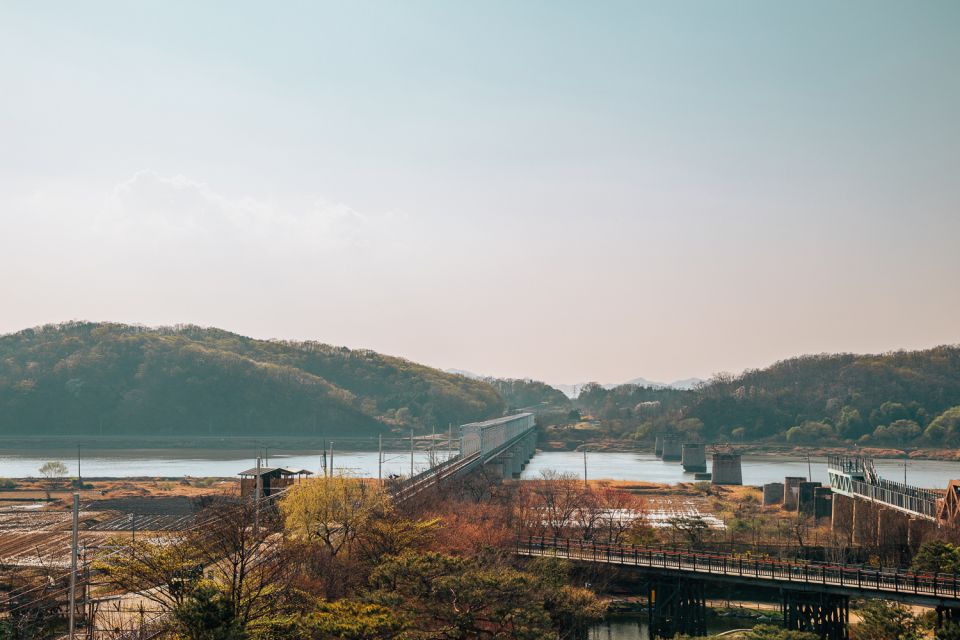
Odusan Observatory is where the border becomes oddly practical. From this point, you can see a real North Korean farming village just 2 kilometers across the river border.
That distance is short in human terms, which is exactly why it hits. You’re not looking at a distant border in theory—you’re looking at daily life patterns that exist behind restrictions.
This stop is a great fit if you like visual learning. Observation points do something lectures can’t: they force you to interpret what you see without a lot of extra context. Then your guide supplies the context so you leave with both an image and an explanation.
One more thing: the farming village view is a reminder that the DMZ is not only about weapons. It’s also about people, land use, and how two systems coexist under strict separation.
Lunch: BBQ Duck and the Unexpected Satisfaction of a Real Meal

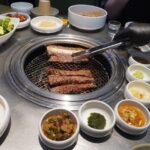
Lunch is included, and it’s not a generic set menu. You’re looking at North Korean specialty-style BBQ duck, plus vegetarian options.
I love this part because it keeps the day from turning into pure tension. You get a warm break, real flavors, and time to reset your mind before you head back to Seoul.
Some guests specifically mention the condiment selection and fermented soybean paste made at the restaurant, which suggests the meal isn’t simplified for Western tastes. If you eat with curiosity, you’ll likely enjoy it even if you’re not chasing food tourism.
Vegetarian needs can often be handled with advance notice. In at least one case, a guide helped organize a vegetarian meal, so if you have dietary constraints, mention them early and confirm the plan.
Price and Logistics: The Real Value Checklist
Here’s how I’d judge whether this tour is worth it for you at $200 per person.
It’s a good value if you want:
- Private guiding (not a crowd pushing you toward photos)
- DMZ access that includes a military outpost stop
- A full structured day with entrance fees and a planned lunch
- A guide who can explain what you’re seeing in a balanced way
It may feel pricey if you only want:
- a quick overview from standard viewpoints
- zero waiting, zero walking, and zero passport-based friction
- a purely relaxing day with minimal protocol
Also, transport quality matters on a 10-hour day. This tour is described as having highly rated transport, with most reviewers giving a perfect score for comfort—so you can expect the ride to be part of the experience, not a chore.
Who Should Book This Private DMZ Spy Tour
This is best for people who want more than postcard border views. You should book if you’re genuinely curious about how the DMZ works on the ground and you like asking questions of a guide who can connect history to what’s happening right now.
It’s also a good fit if you value privacy. The private vehicle and dedicated guide make it easier to manage pacing, including adjustments for different needs during the day.
It’s not ideal if you have mobility impairments or use a wheelchair, since the tour involves a moderate amount of walking and it’s not listed as suitable for wheelchair users.
And if you’re traveling with kids, note that at least one family report credits the guide for handling a baby-seat need. Still, don’t assume. Ask ahead so everyone is set.
Should You Book This Tour or Skip It?
If you’re coming to Seoul and you want one DMZ experience that’s structured, explained, and includes meaningful access, I think this private tour is a strong choice. The value isn’t just the destinations. It’s the way the day ties those destinations together with a guide who can answer the real questions: why the fence matters, what the outpost visit changes, and what it means to look across the border at daily life.
I’d skip it only if you’re uncomfortable with passport requirements, walking/standing, and the reality that this is a controlled security zone with rules for what you can photograph and where you can go.
If you do book, come with good shoes, a passport ready to go, and a few questions you actually care about. The day moves fast, but it gives you enough structure to make it land.
FAQ
How long is the Private DMZ and Odusan Observatory full-day tour?
The tour lasts 10 hours.
Where does the tour start and is pickup included?
Pickup is included from your accommodation in Seoul, and you’re also dropped off back in Seoul at the end of the day.
What’s included in the price?
Entrance fees for all visiting places, lunch (BBQ Duck or equivalent), an English-speaking local guide, and a private vehicle are included.
Do I need a passport for this tour?
Yes. A current valid passport is required on the day of travel.
What languages are available for the live guide?
The live guide is available in English, Japanese, and Korean.
What will I see besides the DMZ?
You’ll stop at Imjingak Peace Park and Odusan observation point, plus you’ll also visit a South Korean military outpost during the DMZ portion.
What is lunch like?
Lunch includes North Korean specialty-style BBQ duck, with vegetarian options also available.
Is the tour private, and what is the cancellation policy?
It’s a private group tour. Free cancellation is available up to 24 hours in advance for a full refund.