REVIEW · SEOUL
DMZ Tour from Seoul – Optional Suspension Bridge Experience
Book on Viator →Operated by I Love Seoul Tour · Bookable on Viator
A border you can see with your own eyes. This half-day DMZ tour from Seoul gives you a practical, guided look at how the Korean War still shapes daily reality on the peninsula, with Dora Observatory telescope viewing on clear days and a real look inside the Third Tunnel. My one caution: the military controls access, so stops like Dorasan Station can be closed and the schedule can shift.
You’ll start in central Seoul with round-trip transport (pickup for many central hotels) and return the same day to City Hall or Myeongdong. The day runs about 7 hours and moves at a group pace, which keeps it efficient, but also means you’re mostly there to see, listen, and absorb rather than roam freely.
In This Review
- Quick picks before you go
- Why the DMZ tour from Seoul feels different in person
- Price and what you get for $27.50
- Pickup, group size, and the timing reality check
- Imjingak Pyeonghoa-Nuri Park: unification monuments before the border
- The Third Tunnel: what 2 meters really means
- Dorasan Station can be closed: how to think about the missing stop
- Dora Observatory: the telescope view and what’s actually in range
- Optional suspension bridge add-on: scenic, but confirm what’s included
- Pistol shooting option: only for those who want the extra thrill
- When the day changes: weather, military orders, and the backup route
- Guides you might meet: what excellent interpreting looks like
- Who this DMZ tour suits best
- Should you book this DMZ tour from Seoul
- FAQ
- How long is the DMZ tour from Seoul?
- What stops are included on the half-day itinerary?
- Will I be able to see North Korea through a telescope?
- Do I need a passport?
- Is lunch included?
- Is pickup available from my hotel?
- Can I cancel and get a full refund?
Quick picks before you go
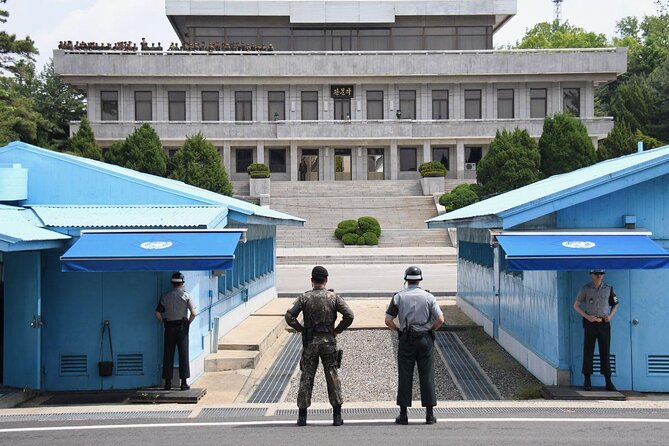
- Telescope time at Dora Observatory: clear-weather conditions can determine what you can actually view across the border.
- Third Tunnel is a scale lesson: long, narrow, and built for speed, so it hits harder than photos.
- Imjingak Park sets the tone: unification monuments and the North Korea Center help frame what follows.
- Group size stays reasonable: capped at 40 travelers, so it’s not chaos on the bus or at stops.
- No “pushy shop stops”: the tour doesn’t stop at places like ginseng or amethyst shops.
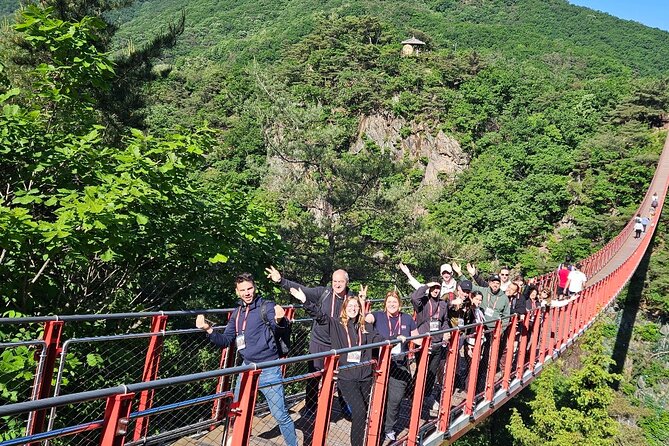
- There’s an optional suspension bridge add-on: if it’s offered during your booking window, it can add a more scenic break.
Why the DMZ tour from Seoul feels different in person
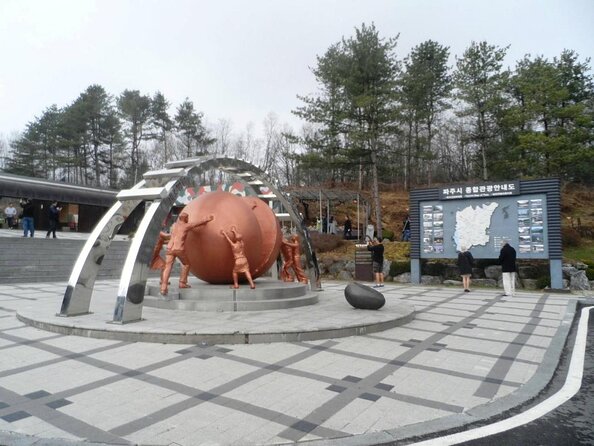
The DMZ is often explained like a concept. Up close, it behaves like a set of hard rules. You see the physical separation, you hear the reasons behind it, and you watch how visitors are managed under military control.
That’s the main value of a guided DMZ day. You’re not just sightseeing. You’re learning how the Korean War created an unfinished outcome, and how that “in-between” still affects movement, access, and what’s visible from specific vantage points.
Also, this tour is designed for one thing: hitting the key DMZ touchpoints in a half-day window. That makes it a strong fit if you have only a short time in Seoul but still want the real thing.
You can also read our reviews of more tours and experiences in Seoul.
Price and what you get for $27.50
At $27.50 per person, this DMZ half-day tour is priced for value. And it’s not just cheap because it cuts corners. The itinerary includes transport plus major paid elements:
- Imjingak Pyeonghoa-Nuri Park: admission is free.
- The Third Tunnel: admission is included.
- Dora Observatory: admission is included.
On top of that, you’re paying for guided interpretation, and the tour keeps the route focused on the border story rather than detours for sales stops. You’ll also get a professional local guide and air-conditioned group transport.
One small note on comparison: DMZ tours often cost more because they’re longer or include additional sites. If you want the maximum number of locations, you might consider a full-day option. But if your priority is the classic “DMZ essentials,” this one makes a lot of sense.
Pickup, group size, and the timing reality check
Plan for a full, structured day. The tour runs about 7 hours and can run longer depending on the number of tourists and traffic. The end time isn’t fixed to the minute, and that’s normal for DMZ operations.
Pickup works like this in practice: you can usually choose a pickup service for centrally-located Seoul hotels (examples include Gangnam, Myeongdong, Gwanghwamun, Itaewon, Dongdaemun). If you’re staying outside Seoul (like Incheon), you’ll decide on your own route to Seoul or pay extra based on the distance traveled.
If your hotel is behind alleys, don’t expect someone to find your exact front door. Staff meet you in front of the nearest central hotel or the nearest subway station. It’s smart to confirm your pickup point when the time comes.
Finally, with a maximum of 40 travelers, it stays manageable. You still need patience for any on-the-ground waiting, because the DMZ is a controlled area and timing is not fully in your hands.
Imjingak Pyeonghoa-Nuri Park: unification monuments before the border
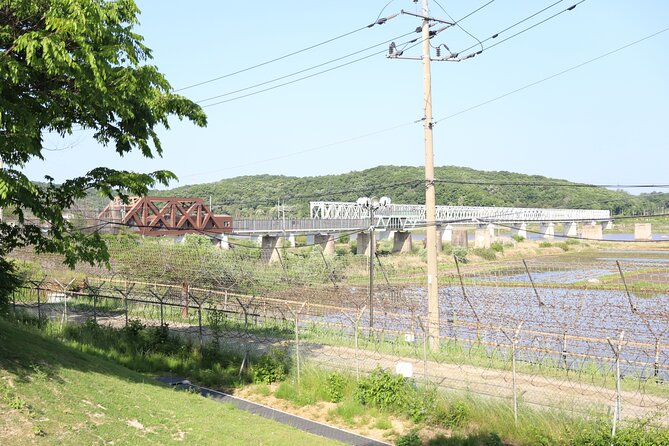
Imjingak Park is the warm-up stop that makes the rest of the day click. It sits 7 km from the Military Demarcation Line, and it’s built to symbolize the idea that the division might someday end.
You’ll walk through a setting full of monuments and learning spaces, including the Unification Park and the North Korea Center. The park was built in 1972, and it was designed around the hope of future unification. That context matters because, at DMZ sites, it’s easy to focus only on military seriousness. Imjingak reminds you there’s also a human story and a political dream tied to the same geography.
Admission is free, and the visit window is about 40 minutes. The most important thing you can do here is slow down for the interpretive parts. If you rush, the later tunnel and observatory feel like separate attractions instead of one connected story.
The Third Tunnel: what 2 meters really means
The Third Tunnel is one of the best stops on a DMZ day because it’s physical. Numbers become real when you’re there.
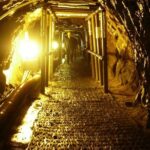
This tunnel was discovered by South Korea in 1978. It stretches about 1,635 meters in length, and the opening is narrow: roughly 2 meters wide and 2 meters high. The scale is the point. Even without crawling, you get a mental picture of how engineered and urgent this kind of infiltration effort was.
The tour also frames the tunnel’s capacity: it’s estimated that around 30,000 soldiers could move through per hour. That kind of figure doesn’t feel real until you see the constrained dimensions. It’s one of those facts that makes the conflict feel immediate, not abstract.
You’ll spend about 40 minutes at the Third Tunnel, and admission is included. If you’re claustrophobic or not comfortable with tight spaces, take note: even though you’re not spending hours moving inside it, the tunnel environment itself can feel constrained. Bring calm expectations and take it step by step.
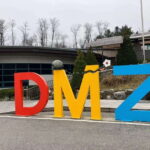

Dorasan Station can be closed: how to think about the missing stop
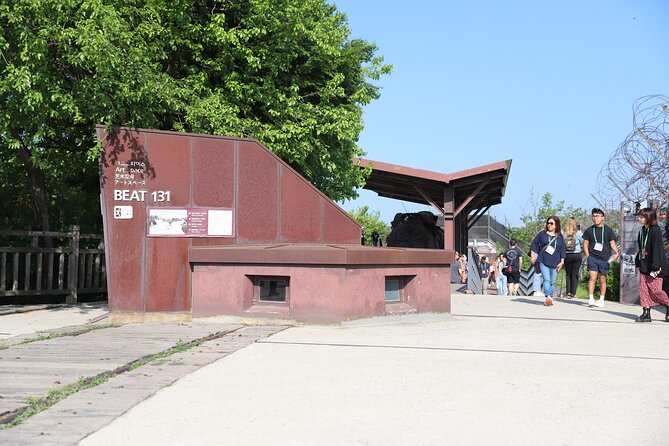
One of the trickiest parts of DMZ planning is that access can change for military reasons. In your case, Dorasan Station is listed as closed due to military reasons.
Dorasan is described as the northernmost stop on South Korea’s railway line. It’s 56 km from Seoul and 205 km from Pyeongyang. That’s the kind of detail that makes you want to see the station just to understand its geography. But since it’s closed, don’t build your day around it.
The upside: your day still has two major anchors (Imjingak Park, the Third Tunnel) plus Dora Observatory. The missing railway stop is disappointing if you were counting on it. But it doesn’t wipe out the value of the tour.
Dora Observatory: the telescope view and what’s actually in range
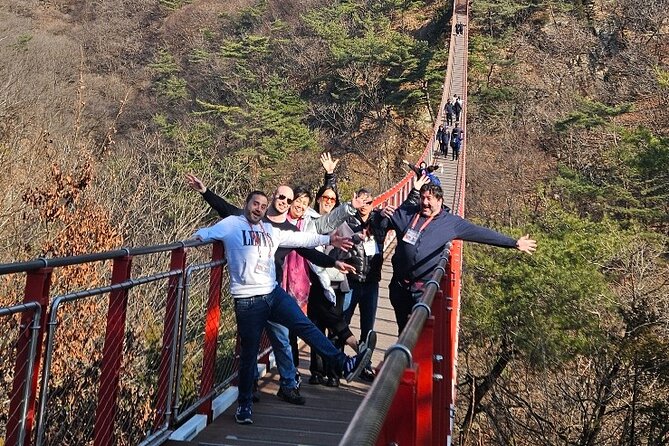
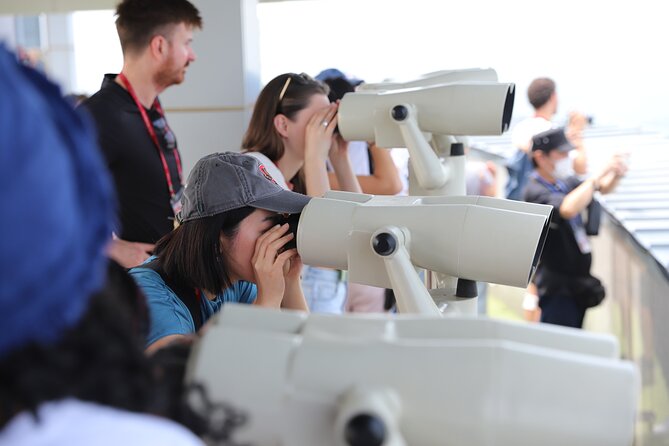
If you get only one “wow” moment, it’s usually Dora Observatory. This is where you look toward North Korea, and where weather determines what you can truly make out.
The observatory lets you overlook key locations such as Gaeseong, Songaksan, the Kim Il-Sung Statue, and the Cooperation Farm (Geumamgol). The tour notes that on a clear day, you can look through a telescope toward North Korea.
That clear-day detail matters. If visibility is poor, you may still learn the geography and see the viewpoints, but the “telescope into another world” effect can be muted. The best approach is to treat the telescope as a bonus, not a promise.
Your time here is about 30 minutes, and admission is included. Use that window efficiently: listen closely to the guide’s orientation, then look long enough to connect the names you hear with what’s in front of you.
Also, bring the right mindset. Dora isn’t a theme park view. It’s a political vantage point with real tension in the history of the view.
Optional suspension bridge add-on: scenic, but confirm what’s included
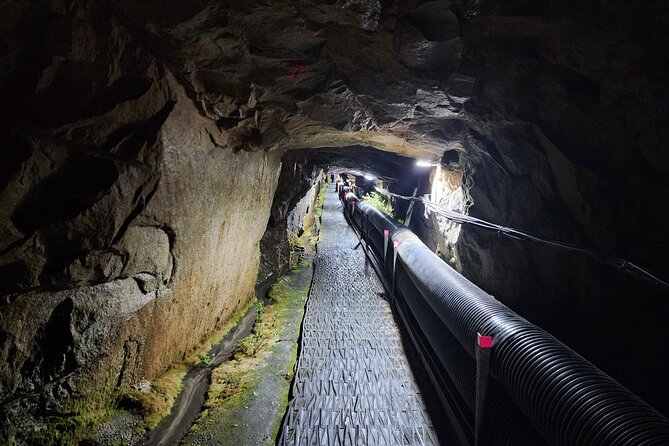
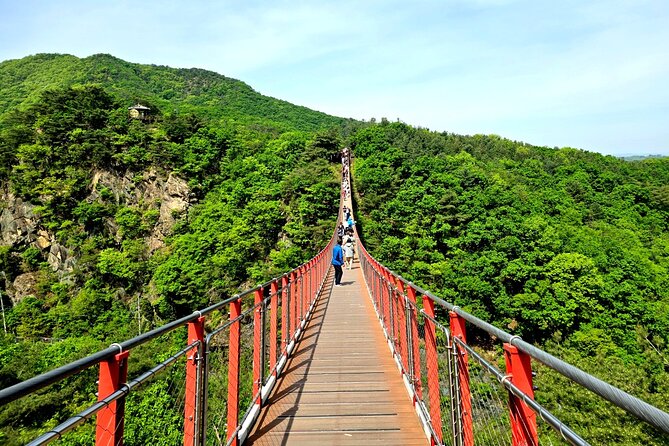
The tour is titled as including an optional suspension bridge experience. The exact timing and how it fits into your day isn’t spelled out in the provided itinerary details.
So here’s the practical move: if you want it, confirm during booking or with your operator so you know whether it’s added to your route that day and how it affects the schedule. Optional add-ons can be worth it if you want a visual break from the heavy history sites. But they can also add time pressure to a day already shaped by military operations.
If you’d rather prioritize certainty, you can skip it and treat your half-day as strictly DMZ-focused.
Pistol shooting option: only for those who want the extra thrill
There’s also an optional pistol shooting component. It’s included only if you select that option, and the tour notes participants must be over age 14.
If you’re curious, it can add variety to a day that otherwise moves between monuments, tunnels, and observation points. If you’re not into firearms, skip it. This is not required for the core DMZ experience.
When the day changes: weather, military orders, and the backup route
The DMZ doesn’t run like a museum. Road conditions, weather (including dense fog and heavy snow), and government or military orders can shift the itinerary.
You should expect that the schedule might change, and the tour may be canceled without prior notice because the DMZ is operated by the military. In those cases, you might not see everything as originally listed. The operator also states it reserves the right to cancel or alter parts of the itinerary, and refunds are not available when cancellations happen due to those factors.
Still, there’s a described alternative plan if certain areas aren’t accessible. The backup route can include stops like Art Space BEAT 131, Odusan Unification Observatory, and the War memorial of Korea, with dismissal at City Hall or Myeongdong after.
The takeaway for you: don’t pack your whole Seoul plan around exact arrival times at DMZ stops. Build in buffer time the rest of the day.
Guides you might meet: what excellent interpreting looks like
A DMZ tour lives or dies by the guide. The best guides don’t just list facts. They connect geography to meaning and keep the group moving when the schedule tightens.
This operator has run with guides such as Jung, Stella, Kenny, Chloe, Leo, Jun, and Chong. Names come and go by date, but the pattern is clear: strong communication and clear explanations matter a lot here. Several guides are praised for being friendly, patient with questions, and for giving each stop context so you don’t leave with a pile of disconnected sights.
If your English comprehension matters, this is one place where a good guide really shows up. Pay attention in the first stop. If the guide is setting up the storyline well, the rest of the day becomes easier to follow.
Who this DMZ tour suits best
This half-day DMZ experience is a great match if:
- you’re short on time in Seoul but want the core border sites
- you like structured sightseeing with interpretation
- you’re comfortable with a moderate physical effort level
- you want transport from central locations and a guided day instead of DIY planning
It’s less ideal if:
- you want maximum flexibility and free roaming
- you’re sensitive to tight, constrained environments like tunnels
- you need guaranteed access to every single listed stop (military closures happen)
Also, if you’re a history fan who wants more than the standard highlights, the operator points you toward Monday options like a full-day DMZ tour with the 2nd Tunnel & a cliffside path. That’s a helpful signpost if you want more time and more sites.
Should you book this DMZ tour from Seoul
I’d book it if your goal is simple: see the DMZ’s most important, education-heavy landmarks in one day, with included admissions and round-trip transport from central Seoul. The value at $27.50 is real when you factor in transport plus included ticket entries at the tunnel and observatory. And the lack of forced shopping stops keeps the day focused.
I would hesitate only if Dorasan Station is the one stop you’re fixated on. It’s listed as closed, so you could arrive hoping for one thing and get another. Also, if weather is a big deal for your telescope expectations, keep your expectations flexible.
If you want a practical rule: book this tour as your DMZ “foundation.” Then let the optional suspension bridge (if it fits your day) or a fuller DMZ option for another day be the bonus, not the main plan.
FAQ
How long is the DMZ tour from Seoul?
The tour lasts about 7 hours on average, though the end time can vary depending on group size and traffic.
What stops are included on the half-day itinerary?
You’ll visit Imjingak Pyeonghoa-Nuri Park, the Third Tunnel, and Dora Observatory. Dorasan Station is listed as closed due to military reasons.
Will I be able to see North Korea through a telescope?
Dora Observatory offers telescope viewing, and the tour notes that on a clear day you can look through the telescope into North Korea.
Do I need a passport?
Yes. A current valid passport is required on the day of travel.
Is lunch included?
No, lunch is not included.
Is pickup available from my hotel?
Pickup is available for centrally-located Seoul hotels like Gangnam, Myeongdong, Gwanghwamun, Itaewon, and Dongdaemun. If your accommodation isn’t in Seoul, you may need to make your own way to Seoul or pay an extra distance charge. If you’re in an alley area, staff meet you at the nearest central hotel or subway station.
Can I cancel and get a full refund?
Yes. You can cancel up to 24 hours in advance of the experience start time for a full refund. Canceling within 24 hours does not include a refund.