REVIEW · SEOUL
Small Group (7pax) Seoul Tour with Pickup/Dropoff (No Shopping)
Book on Viator →Operated by Awesome Tour · Bookable on Viator
Seoul in a day, no shopping traps. This small-group tour (max 7) strings together the big-name sights in a smart route, and it’s built for sightseeing time, not store stops. I especially like the pickup/drop-off convenience and the fact that you get guided history at each major stop, including palace details and photo pointers.
Two things I really enjoy: first, the itinerary keeps moving, so you’re not stuck waiting around for a large bus crowd. Second, the guide brings the places to life with practical context, like why Gwanghwamun and Gyeongbokgung matter, and what to look for when the changing guard ceremony starts. One possible drawback: it’s a full 8 to 9 hours of walking and transitions, so it may feel like a lot if your pace is slow or you don’t love crowds, even with a small group.
In This Review
- Key things to know before you go
- Why this Seoul small-group tour feels efficient
- Price and value: what you’re really paying for
- Pickup and day-of logistics that reduce stress
- Stop-by-stop: how each part of the day works
- Gwanghwamun Square and the palace start point
- Gyeongbokgung Palace and the changing guard moment
- Bukchon Hanok Village: traditional houses with stories
- N Seoul Tower: iconic views without wasting time
- Gwangjang Market: local food culture and a guided stroll
- Jogyesa Temple: a calm pause with big cultural context
- Insadong: where the tour ends and optional wandering begins
- Guide quality: what makes this tour work in real life
- What a typical day feels like (and who it suits)
- Small things to plan for so the day runs smoothly
- Quick FAQ
- FAQ
- How long is the tour?
- What time does the tour start?
- What’s the group size limit?
- Is hotel pickup and drop-off included?
- Is there any shopping during the tour?
- Are entrance tickets included?
- What happens on Tuesdays when the main palace is closed?
- Is N Seoul Tower cable car included?
- Are meals included?
- Is the tour good for people with limited mobility?
- Should you book this Seoul tour?
Key things to know before you go
- Max 7 people means less waiting and more face-to-face time for questions.
- No shopping pressure keeps the day focused on Seoul sights, not forced detours.
- Tickets handled for key sites helps you save time and avoid ticket-line stress.
- Gyeongbokgung + changing guard gives you a classic palace experience with timing moments.
- Gwangjang Market + Jogyesa Temple adds local food energy and spiritual atmosphere in one day.
- N Seoul Tower views round it out, with the cable car ticket sold separately.
Why this Seoul small-group tour feels efficient
Seoul is one of those cities where a single day can either feel like a blur or feel like you actually learned something. This tour is set up to avoid the blur. With a 7-person cap, you move as a tight group and you don’t lose time to stragglers or big-bus logistics.
The other efficiency win is the shopping rule. No Jinseng store detours, no hard sell. That matters because store stops quietly eat your day. Here, that time goes back to palaces, neighborhoods, markets, and viewpoints—stuff you’ll remember after the photos fade.
You can also read our reviews of more shopping tours in Seoul


Price and value: what you’re really paying for
At $100 per person, this isn’t a “cheap and cheerful” tour. What justifies it is what’s included: a professional guide, entrance tickets for the scheduled paid sites, and hotel pickup/drop-off within Seoul (with extra fees only mentioned for areas like Gangnam or farther out).
You’re also getting real pacing control. The tour is described as having no unnecessary free time, with walking together unless you want to pause. That structure can be worth real money if you know you’ll otherwise waste time figuring out transit, ticket steps, and meeting points.
One note to keep the math honest: meals aren’t included, and the N cable car ticket is extra (listed as $11 per person). If you skip the cable car and just enjoy the tower experience as provided, you can keep costs closer to the base price.
Pickup and day-of logistics that reduce stress
Starting at 9:00 am, the big practical perk is pickup. The tour includes hotel pickup/drop-off in Seoul, and it also mentions help with a taxi if you’re too far from the middle of Seoul. That’s useful because Seoul’s transit system is great, but getting from point to point with palace stops and a market stop can turn into a time tax.
You also get a mobile ticket, and the meeting point is described as near public transportation. In plain terms: even if pickup isn’t your jam, you’re not walking into a mystery.
Cold or rainy weather isn’t ignored either. One of the guides in recent outings, mentioned as Han, was noted as having warmers ready for the group. That’s not flashy, but it’s the kind of detail that keeps a long day enjoyable.
Stop-by-stop: how each part of the day works
Gwanghwamun Square and the palace start point
You kick off at Gwanghwamun Square, with the tour framing this area as the main landmark gateway to the palace experience. There’s a real advantage to starting here: you get your bearings fast, then you transition into Joseon-era history with less confusion about where you are and what matters.
Admission is included for this first palace-related step. The tour keeps the morning organized, with about 10 minutes at this start point before moving on.


Gyeongbokgung Palace and the changing guard moment
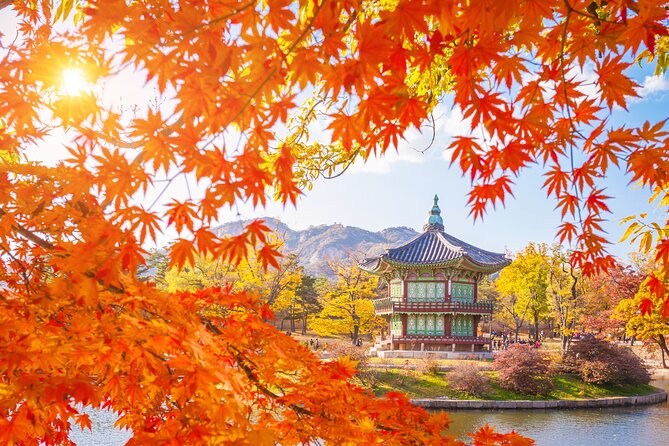
Next is Gyeongbokgung Palace, labeled as the main Joseon dynasty palace, and you’ll get full guiding here. The changing guard ceremony is part of the plan, and the guide is ready to help you with both history and practical photo spots.
The day runs smoothly because tickets are included, and you’re not juggling purchases mid-tour. One potential wrinkle: the tour states the main palace is closed on Tuesday, so they visit a secondary palace instead. If you’re choosing your travel dates, check your day of week so you know what to expect from the palace segment.
Bukchon Hanok Village: traditional houses with stories
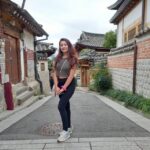
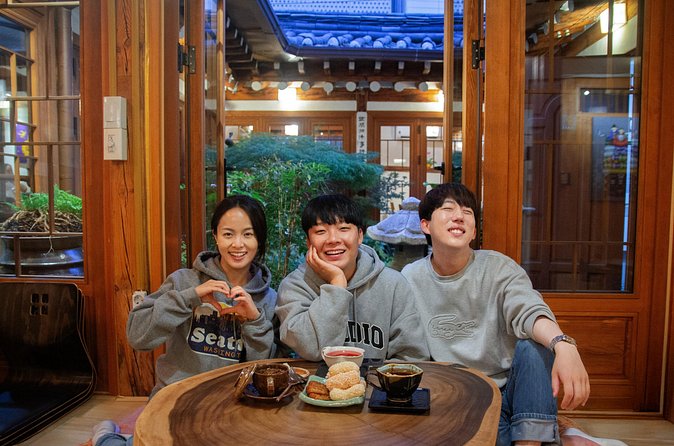
Then you walk into Bukchon Hanok Village, famous for traditional Korean houses (hanok). The emphasis here is not just the view. You get the stories connected to the area, which is what turns a pretty neighborhood into something you understand.
Time on this stop is listed as about 2 hours, which is a lot of walking for photos and story moments. This stop also aligns well with the tour’s fitness requirement: it’s described as moderate physical fitness. If you’re comfortable with uneven paths and some uphill walking, you’ll be fine.
N Seoul Tower: iconic views without wasting time
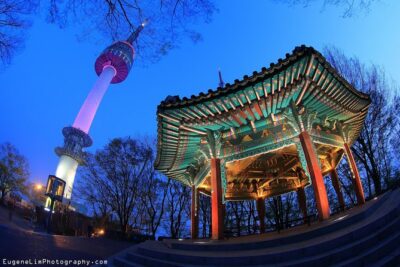
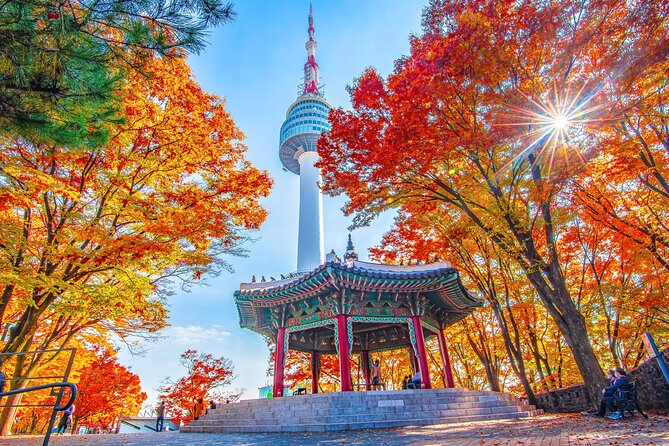
At N Seoul Tower, the tour experience is timed at about 1 hour, and entry is listed as free. The value here is the panoramic Seoul outlook, especially near the end of the day when your brain already has context from the palaces and neighborhoods.
The tour also explains a historical angle: during the period when Koreans couldn’t travel overseas until 1988, the tower became a major attraction. Even if you’re not studying that era, it’s a helpful piece of why this place became such a fixture.
One extra cost: the N cable car ticket is not included and is listed as $11 per person. If you want the full experience and prefer cable car access, budget for it. If not, you can still plan around the tower time without assuming that segment is covered.
Gwangjang Market: local food culture and a guided stroll
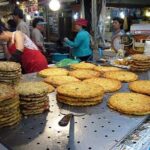
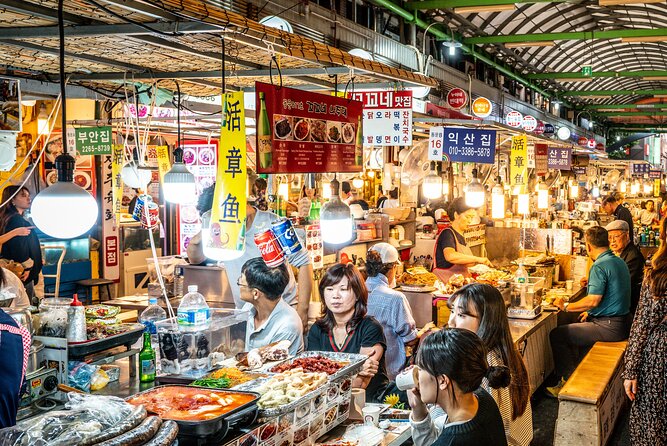
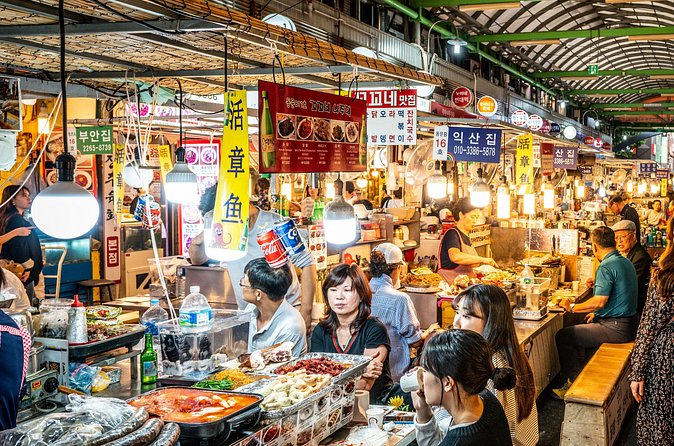
After the viewpoint, you head to Gwangjang Market for about 1 hour. The tour frames it as a lively place where you can discover authentic Korean food and culture. Your guide explains the history and introduces local specialties.
Meals aren’t included, so you’ll pay for what you choose to eat. The smartest approach here is to let your guide point you toward a few reliable items, then try small portions so you don’t commit your whole hunger budget to one dish.
A market stop also helps balance the day. After palaces and historical neighborhoods, you get a sensory change—sounds, smells, quick bites—while your guide keeps you from getting lost in the food maze.
Jogyesa Temple: a calm pause with big cultural context
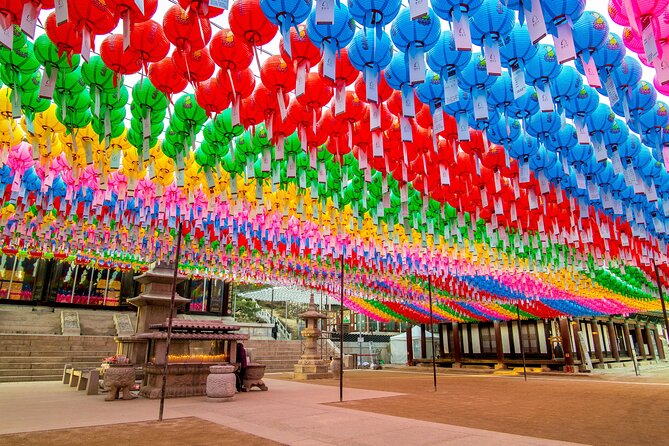
Jogyesa Temple is a shorter stop at around 30 minutes, but it’s placed well in the afternoon rhythm when you might appreciate a slower pace. The tour explains Buddhism’s deep presence in Korea, including that it was the national religion for about 1,000 years and that around 18% of Koreans are Buddhist today.
If you’re tired, this stop is still manageable. You’re not stuck for long, but you get meaningful context and a visual contrast to the more tourist-heavy areas.
Insadong: where the tour ends and optional wandering begins
The final scheduled stop is Insadong, about 20 minutes. It’s described as a traditional street with pottery, artwork, antiques, and cozy cafés. The tour even notes that you can finish here, and if you want shopping, you can stay longer.
This is a nice setup for you if you’re torn between two styles of travel. If you want a clean finish, you’re done. If you want souvenirs, you have a place to extend time without being shoved into a shopping program earlier in the day.
Guide quality: what makes this tour work in real life
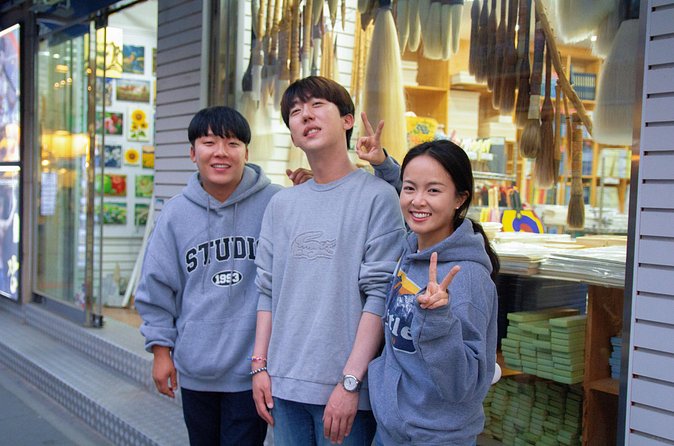
The guides show up with a consistent pattern: friendliness, politeness, and strong storytelling. Names like Sean, Han, Hun, and Jeewon have been mentioned with praise for being courteous and knowledgeable, and for making the day feel less like a checklist and more like a guided walk with someone local.
A practical detail I take seriously from these notes: guides often help with photos and timing. That’s not just fluff. In palaces, viewpoints, and the tighter corners of Bukchon, knowing where to stand can turn a mediocre picture into one you actually like.
Also, the guides seem to handle the day’s small problems early. One mention included picking up on time in a clean, tidy van and arriving prepared for cold weather. Those bits matter when the tour runs 8 to 9 hours.
What a typical day feels like (and who it suits)
This is not a sit-and-watch tour. You’ll be walking and moving from one major Seoul area to the next, with guidance in between. The structure is described as no unnecessary free time, so you’re not left alone wandering unless you choose to pause.
That makes it a great fit if you:
- Want the highlights in one day without shopping traps
- Like history explained in a way that helps you spot what’s important
- Prefer a smaller group for questions and pacing
- Enjoy a guided market stop and a temple pause
It’s less ideal if you want lots of unscheduled downtime. The tour is designed for you to keep going, not to spread out the day at your own pace.
Small things to plan for so the day runs smoothly
Because the tour includes multiple outdoor stops and walking stretches, wear shoes that are comfortable for uneven streets and palace paths. Bring a light layer if you’re traveling in cooler months, and consider something for sun in hot weather.
If you’re planning to buy snacks at Gwangjang Market, keep your appetite flexible. It’s listed as free admission for the market stop, but you’ll still be paying for food. Budget a bit so you can taste a few specialties without financial stress.
Also, decide in advance whether you want the N cable car. Since it’s extra ($11 per person), you can treat it as an optional splurge instead of an unexpected expense.
Quick FAQ
FAQ
How long is the tour?
The duration is listed as about 8 to 9 hours.
What time does the tour start?
The start time is 9:00 am.
What’s the group size limit?
The maximum group size is 7 travelers.
Is hotel pickup and drop-off included?
Yes, pickup/drop-off in Seoul is included, with extra fee mentioned for Gangnam and areas outside of Seoul.
Is there any shopping during the tour?
No shopping is part of the tour concept, and the day is planned around sightseeing instead.
Are entrance tickets included?
Entrance tickets are included for the scheduled paid stops. N Seoul Tower entry is listed as free, but the N cable car ticket is not included.
What happens on Tuesdays when the main palace is closed?
The tour states that the main palace is closed on Tuesday, and a secondary palace is visited instead.
Is N Seoul Tower cable car included?
No. The N cable car ticket is listed as $11.00 per person and is not included.
Are meals included?
Meals and gratuities are not included.
Is the tour good for people with limited mobility?
The tour asks for a moderate physical fitness level. If you need very low walking, this may not be a good fit.
Should you book this Seoul tour?
Book it if you want a high-efficiency Seoul highlights day with pickup, a small group, and a guide who stays focused on sightseeing instead of shopping. At $100, the best value here is the mix of included tickets, structured pacing, and a route that hits palaces, Bukchon, a major market, a temple, and a top viewpoint.
Skip it if you dislike long days, walking, or you want lots of independent free time. The itinerary keeps moving, and the day is designed to be active.
If you’re choosing between a shopping-heavy tour and a no-shopping sightseeing day, this one is built for the second option. And if you’re the kind of traveler who cares about timing—like catching the changing guard ceremony—this setup gives you a strong chance to get it right.