REVIEW · SEOUL
Seoul: Paju DMZ Private Tour with Former US Military Base
Book on GetYourGuide →Operated by KTOURSTORY · Bookable on GetYourGuide
Your ticket to the DMZ is a full day. You’ll go from peace memorials to Cold War scars, with real access points along the way.
I love how this tour strings together the key DMZ stories in one outing: Imjingak Park for the human side, then Camp Greaves for the Cold War leftovers that still feel close. The best part is the range, from memorial views to helmeted time in the tunnel.
One consideration: parts of the day depend on weather and visibility, and the tunnel is tight and dark. If you get claustrophobic, think twice before you step inside.
In This Review
- Key Highlights That Matter on This DMZ Day Trip
- A DMZ Day That Feels Structured, Not Random
- Morning Pickup: The Real Convenience Factor
- Imjingak Park: Where the War Story Turns Human
- Camp Greaves: Former U.S. Base Relics with Peace-Focused Context
- The Third Infiltration Tunnel: Tight, Dark, and Unforgettable
- Dora Observatory: Telescopes and a Clear-Day Reality Check
- What You Get for $483: Value Beyond the DMZ Checkmark
- Guides Make the Difference on Border History
- Best Fit: Who This Tour Suits
- Should You Book This Private DMZ Tour?
- FAQ
- What do I need to bring for the DMZ tour?
- How long is the tour?
- Are meals included?
- Is the Peace Gondola ride included?
- Is this tour accessible for strollers or wheelchairs?
- What if traffic or weather changes the itinerary?
Key Highlights That Matter on This DMZ Day Trip
- Small private-group pacing with an English or Chinese guide, including memorable Q&A from guides like John, Jenny, Jonathan, Julie, Chuck Park, Nammin, and Stella.
- Imjingak Park + optional Peace Gondola for that first emotional hit and views across the Imjin River area.
- Camp Greaves former U.S. base with preserved barracks and Cold War facilities plus peace-focused exhibitions and interactive programs.
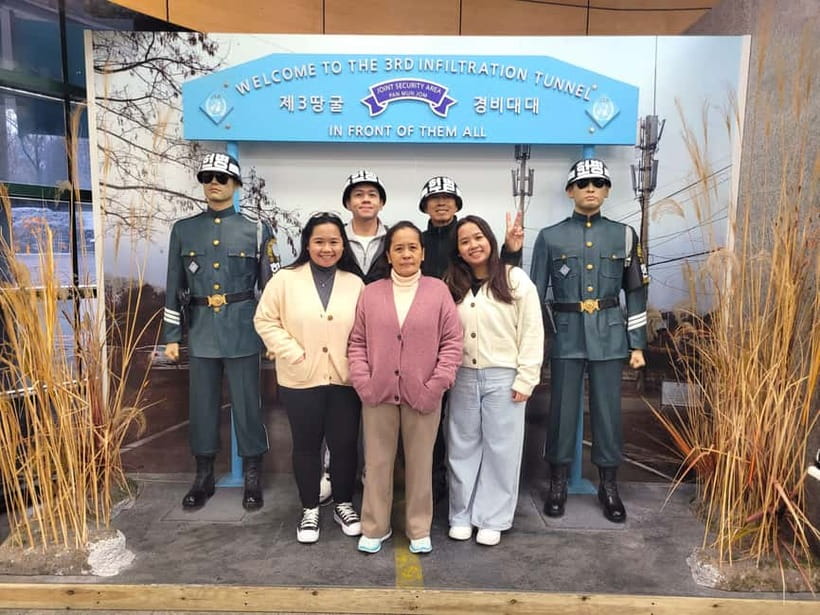
- Third Infiltration Tunnel walk with a helmet and a cramped, dim descent that makes the DMZ feel physical.
- Dora Observatory telescopes for one of the rare chances to look into North Korea from a public site, when the day is clear.
- Hotel pickup and drop-off in central Seoul, so you’re not spending your morning figuring out transport.
A DMZ Day That Feels Structured, Not Random
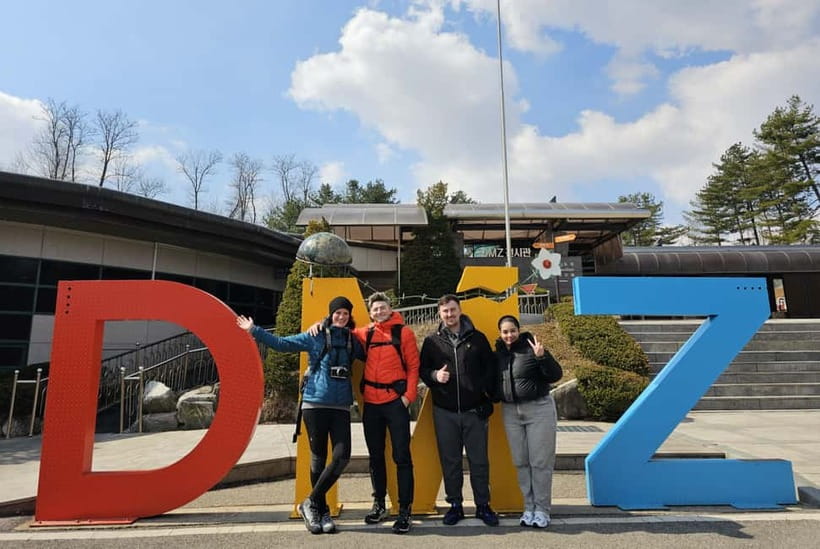
A DMZ trip can be overwhelming. You arrive expecting border drama, then you realize it’s more about history you can see and places that force you to pause.
This experience works because it’s organized around emotional beats and physical access points. You start at Imjingak, then move through former military infrastructure, then into the Third Tunnel, and finish with telescopes at Dora Observatory.
You’re also not left guessing. The tour is guided in English or Chinese, and several guides stood out in the feedback for clear explanations and for making time to answer questions. That matters on a topic like this, where people naturally want context, not just facts.
You can also read our reviews of more private tours in Seoul

Morning Pickup: The Real Convenience Factor
The biggest practical win is the hassle-free start. Your day begins with hotel pickup from central Seoul, and you’re asked to be ready at the lobby about 10 minutes early.
Transportation between stops is built into the schedule, with a coach ride to the border area and another ride back toward Seoul. You’re also given multiple drop-off points when you return, which makes it easier to connect to your evening plans.
The trade-off is obvious: it’s a long day, and you’re riding during portions that you can’t fully control. If you’re the type who likes to wander and linger on your own, you’ll need to accept a more guided pace.
Imjingak Park: Where the War Story Turns Human
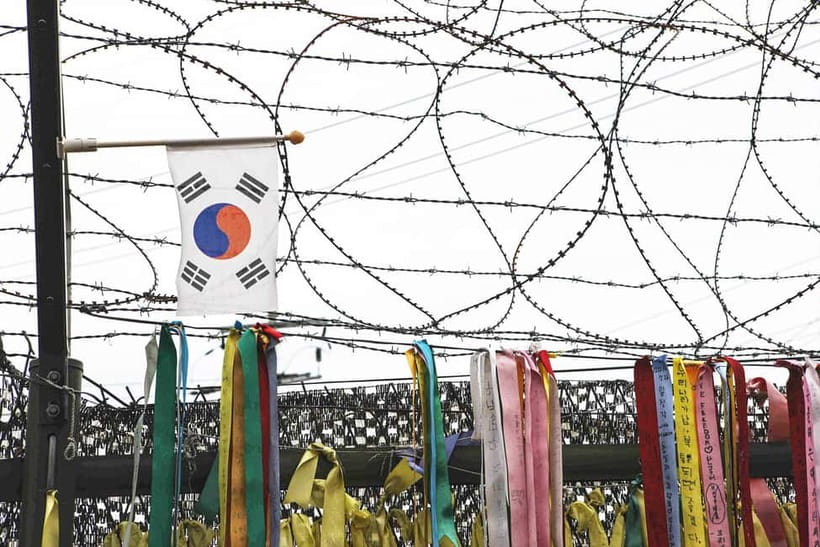
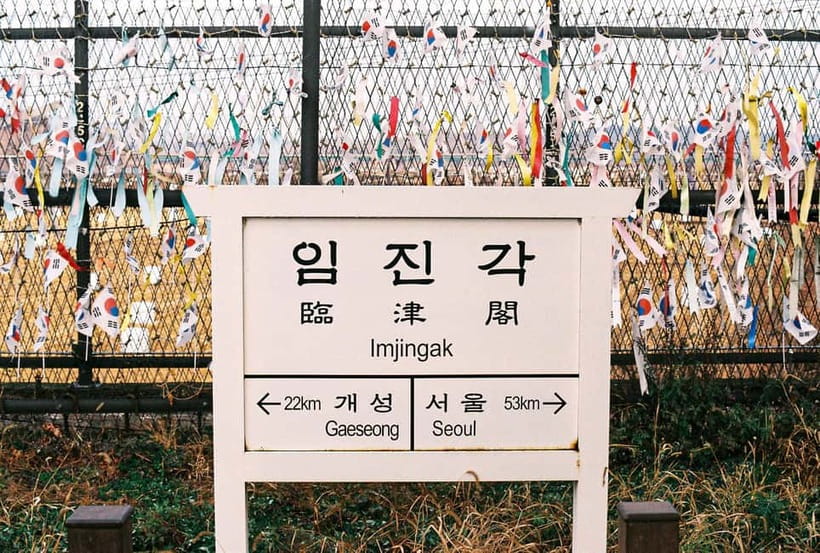
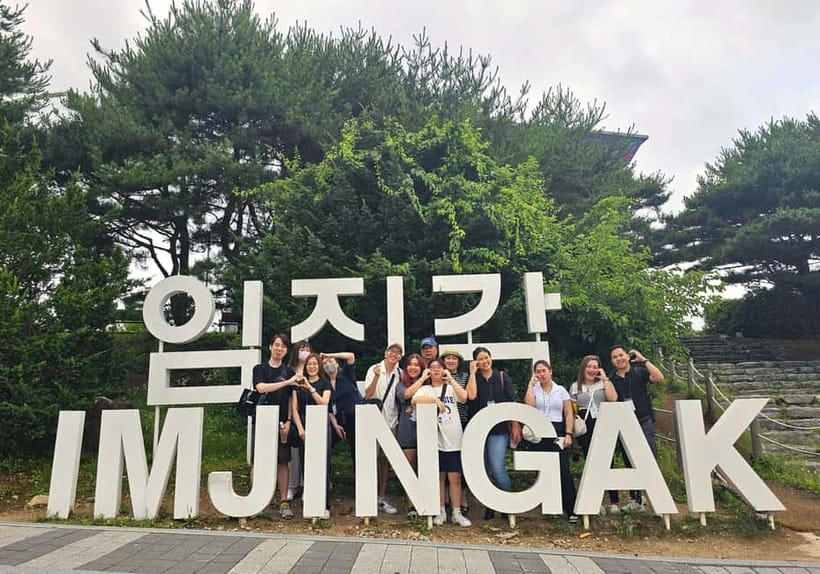
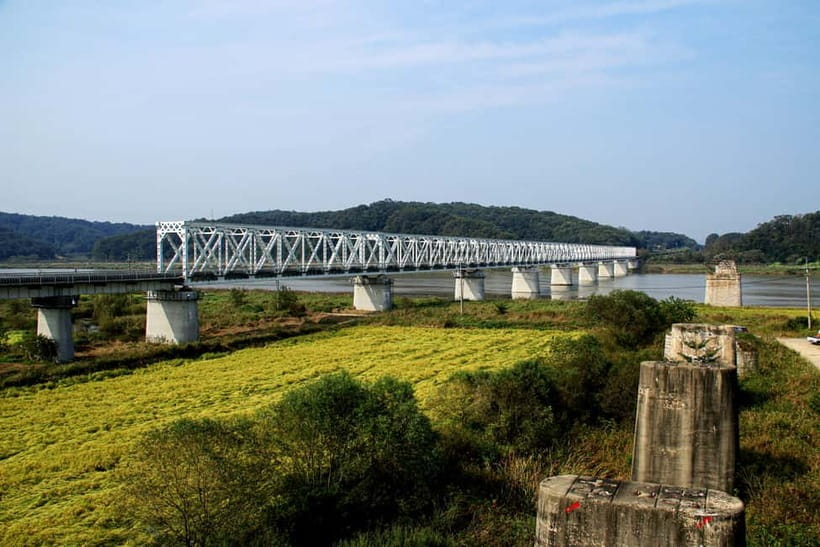
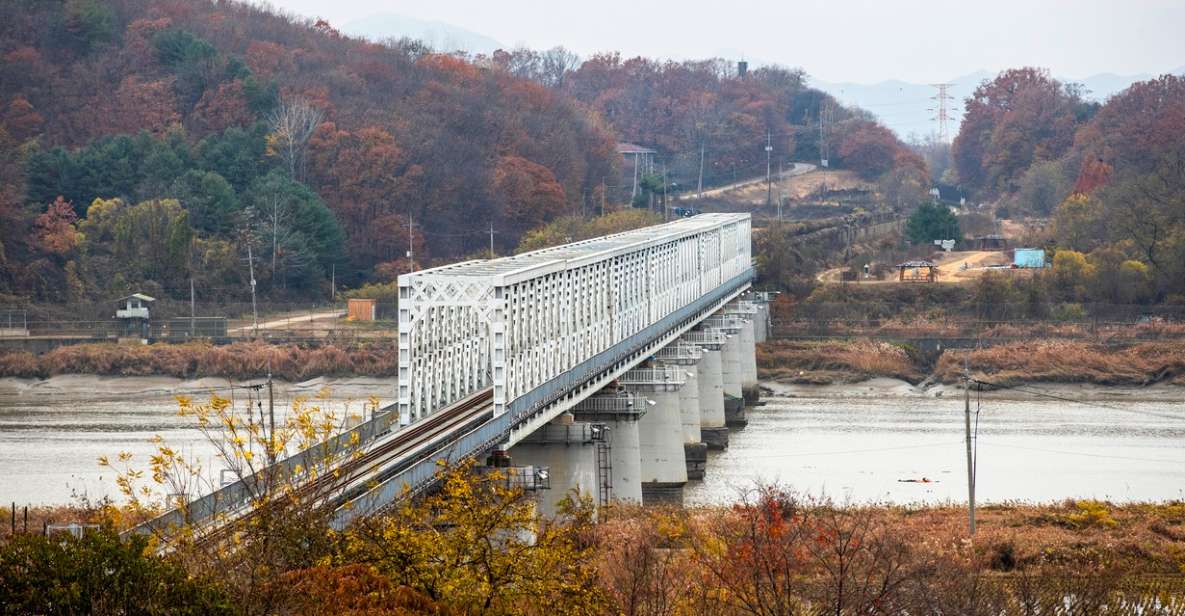
Imjingak Park is the kind of place that hits before you even think about the logistics. It’s dedicated to the Korean War history and the idea of hope for reunification, and you get a view over the Imjin River and the surrounding border-region scenery.
This first stop matters because it sets the emotional tone. Later you’ll see tunnels, bases, and border visuals. Here, you’re reminded that the DMZ isn’t just geography. It’s a living memory system for families, loss, and the uneasy pause after the cease-fire in 1953.
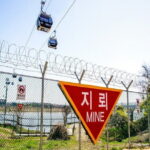
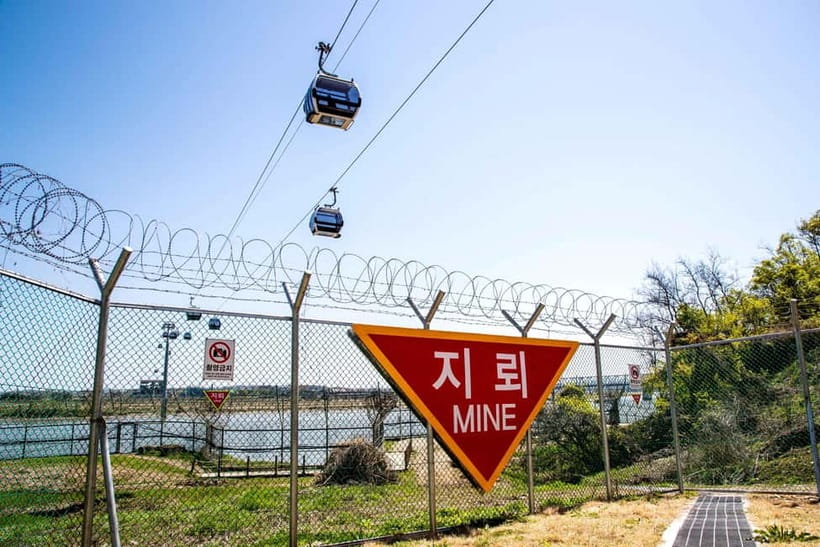
You’ll have time on your own in the park. If you want to add extra motion and a different perspective, there’s an optional Peace Gondola ride across the Imjin River area, but the gondola ticket is not included in the base price.
Possible drawback: this is also one of the places where weather can affect how much you enjoy the views. If the day is hazy, it can blunt that border-region feeling.
Camp Greaves: Former U.S. Base Relics with Peace-Focused Context
Next you head to Camp Greaves, a former U.S. military base with preserved Cold War-era facilities. Think old barracks and ammunition-depot-style areas, plus reserved relics that help you understand what this part of the DMZ looked like during the Korean War and the tense decades that followed.
The value here is contrast. You saw memorial symbolism at Imjingak, then you switch to the physical reality of military occupation and planning. Camp Greaves today is also turned into a peace-culture experience site, with exhibitions and interactive programs that aim to reframe the military past.
It’s also a popular filming location for Korean dramas, which can make the place feel oddly familiar if you watch Korean TV. Still, the guide’s interpretation is what turns it from scenery into meaning.
One practical note: time is limited, so if you’re the kind of person who loves reading every plaque, you may need to pick what to focus on. The guide can help you prioritize without rushing you like a conveyor belt.
The Third Infiltration Tunnel: Tight, Dark, and Unforgettable
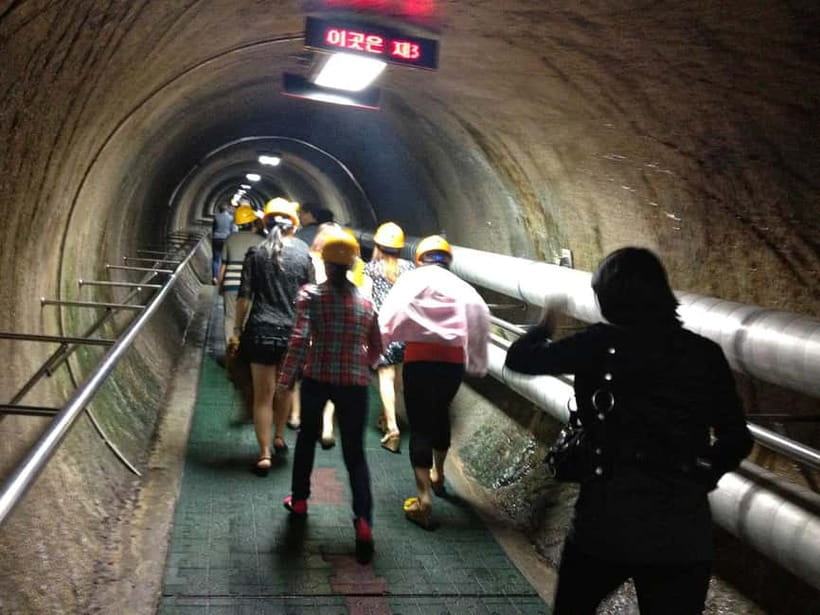
Then comes the hardest stop to describe without sounding dramatic, because it’s dramatic in a physical way. The Third Infiltration Tunnel was discovered in the 1970s and is over 1.6 km long, dug by North Korea during the Cold War.
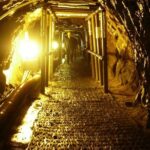
You’ll put on a safety helmet and descend into the tunnel. The conditions are cramped and dimly lit, which is exactly why it’s so memorable. On a map, it’s a line on the ground. Inside it, it’s space that closes in on you.
This is also where you should be honest with yourself. If you dislike enclosed spaces or have mobility limitations, this portion can be uncomfortable. The tour also isn’t set up for strollers or wheelchairs, so you’ll want to plan for the physical nature of the tunnel walk.
The best part is that the tunnel gives you a first-hand sense of the extreme effort behind infiltration plans. It makes later stops, like Dora Observatory, feel less abstract. You start connecting the dots between what was built, what was watched, and what was feared.

Dora Observatory: Telescopes and a Clear-Day Reality Check
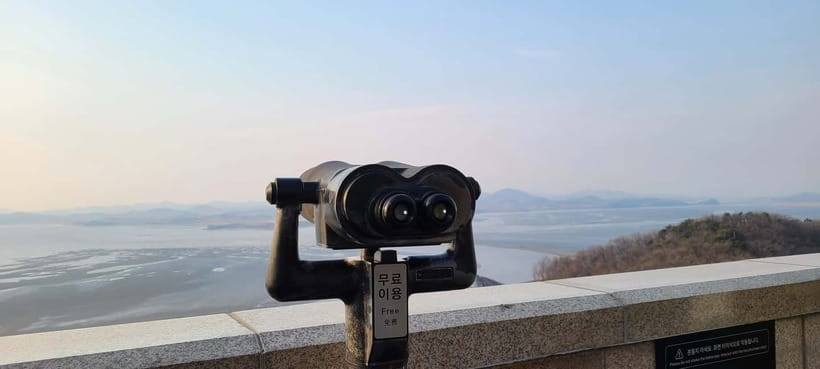
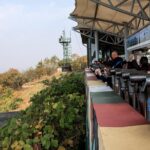
For the final major site, you head to Dora Observatory. This sits at the highest point along the DMZ northern line and is one of the rare public places where you can peer into North Korea using telescopes.
On clear days, you can see border towns including Kaesong. The day can also allow you to spot statues associated with Kim Il-sung, depending on visibility.
This stop is fascinating because it forces you to think about distance. You’re not crossing lines. You’re observing from the outside, using optics, with the weight of politics behind every view.
Possible drawback: visibility really matters. If the air is hazy or visibility is poor, the telescopes still help, but your ability to identify details can drop.
If you’re a photo person, bring patience. Expect to adjust, wait for the view to clear, and ask the guide for help using the telescopes effectively. This is also a great time for questions, since border-view questions are where guides tend to shine.
What You Get for $483: Value Beyond the DMZ Checkmark
Price is a big question on this kind of tour. At $483 per person for a 10-hour private-group day, you’re paying for a lot more than a bus ride.
Here’s what’s included that you’d otherwise have to organize yourself:
- hotel pickup and drop-off
- round-trip transportation
- an English or Chinese guide
- DMZ admission fees
- a Camp Greaves experiences fee
Not included:
- meals
- the gondola ticket (if you choose to add it)
- traveler’s insurance
- other personal expenses
So the value is in reducing friction. You save time, you get access to multiple DMZ sites in one go, and you get interpretation that helps the stops connect. Guides in the feedback were repeatedly praised for being friendly, thorough, and responsive to questions, with guides like Julie and Jenny noted for clear historical narration.
One smart move: plan for lunch costs and keep some cash or a card handy. Meals aren’t included, so you’ll want to eat without stress during the lunch/free-time window.
Guides Make the Difference on Border History
Even a perfect route can feel flat without good explanation. This is where the guide quality shows up.
I saw strong notes about guides who were:
- friendly and easy to talk to (John, Jonathan, Jenny)
- strong on historical narrative and answering questions (Julie, Chuck Park, Stella)
- attentive to small details and pacing, especially when the group size is smaller (people noted around six in English group on at least one departure)
If you want a more personal tone, this is a private-group format. Reviews also described a near one-on-one feel on smaller departures, which is rare on DMZ days.
My advice: come with at least a couple of questions. Whether it’s about the cease-fire realities, the tunnel history, or how public viewing works at Dora, asking early helps the guide shape the day around your interests.
Best Fit: Who This Tour Suits
This DMZ tour is ideal if you want one day that covers the major DMZ touchpoints with expert guidance. It’s also great for people who feel more connected to history when it’s physical: barracks, tunnels, and telescope viewpoints.
You’ll enjoy it most if you:
- like structured sightseeing with time to ask questions
- want a balanced mix of memorials and military remnants
- are comfortable with a long day and some walking
- can handle a cramped tunnel segment
If you’re traveling with small kids, note that children aged 0+ are charged the same as adults, and you’ll still need the right documents for entry.
Should You Book This Private DMZ Tour?
Yes, if you want a DMZ experience that’s organized, guided, and packed with access points that actually teach you something. The combination of Imjingak, Camp Greaves, the Third Tunnel, and Dora Observatory is the strongest reason to book: it turns a scary headline into a coherent day.
Skip it or think carefully if you’re sensitive to confined spaces, because the tunnel walk is genuinely cramped. Also, if you’re hoping for maximum telescopic clarity, keep a weather-aware mindset.
If you book, I’d plan your energy around the tunnel and bring a calm attitude. This isn’t a thrill ride. It’s one of those days that leaves you quiet on the ride back.
FAQ
What do I need to bring for the DMZ tour?
You’ll need a passport, and you should also bring a valid ID for all guests on the tour day, including children. Make sure the information matches what’s on your passport, since incorrect details can lead to denial of entry into the DMZ area.
How long is the tour?
The tour runs for 10 hours. The exact start time depends on availability.
Are meals included?
No. Meals are not included, so plan to buy lunch during the free time.
Is the Peace Gondola ride included?
The Peace Gondola ticket is not included. The gondola ride is optional and can be added for extra fees.
Is this tour accessible for strollers or wheelchairs?
No. The tour is not stroller and wheelchair-accessible.
What if traffic or weather changes the itinerary?
The itinerary is subject to traffic & weather conditions. The tour can also be canceled due to security reasons. If you’re booking close to your travel dates, it’s smart to stay flexible.