REVIEW · SEOUL
Seoul: DMZ Tour with Japanese-Speaking Guide
Book on GetYourGuide →Operated by I LOVE SEOUL TOUR Co., Ltd. · Bookable on GetYourGuide
A South Korea border walk, with receipts. This DMZ day gives you a close-up look at the forces that split the peninsula, led in Japanese by a licensed DMZ guide who keeps the story clear from the bus onward. You’ll also visit the Freedom Bridge and Imjingak, where war details turn into something you can actually stand beside.
I especially love two hands-on parts: walking into the 3rd Infiltration Tunnel under the DMZ, and then climbing up toward Dora Observatory for views across the border area. One catch: the tunnel involves a steep slope and a longer round trip on foot, so it can feel tough if you’re not comfortable with that kind of walking.
In This Review
- Key things I’d circle in your planning
- Getting to the DMZ: Seoul Starting Points and the Shared-Transfer Flow
- Imjingak Park and Freedom Bridge: Seeing the Korean War on the Ground
- The Third Infiltration Tunnel: A Real Walk Under the DMZ
- Dora Observatory on Mountain Dora: Views Across the DMZ Stretch
- Unification Village: Peace-Themed Souvenirs Close to the Border
- Japanese Guide Experience: How Communication Works in Real Life
- Price and Value: What Your $50 Covers (and What It Doesn’t)
- Rules, Passport, and the “DMZ Can Change” Reality
- Who This DMZ Tour Fits Best (and Who Should Skip It)
- Should You Book This Seoul DMZ Tour?
- FAQ
- FAQ
- Do I need a passport for this tour?
- Is the JSA (Joint Security Area / Panmunjom) included?
- How long is the tour?
- What language is the guide?
- What should I wear or bring for the tunnel?
- What happens if the DMZ schedule changes or the trip is canceled?
- Where will the tour end in Seoul?
Key things I’d circle in your planning
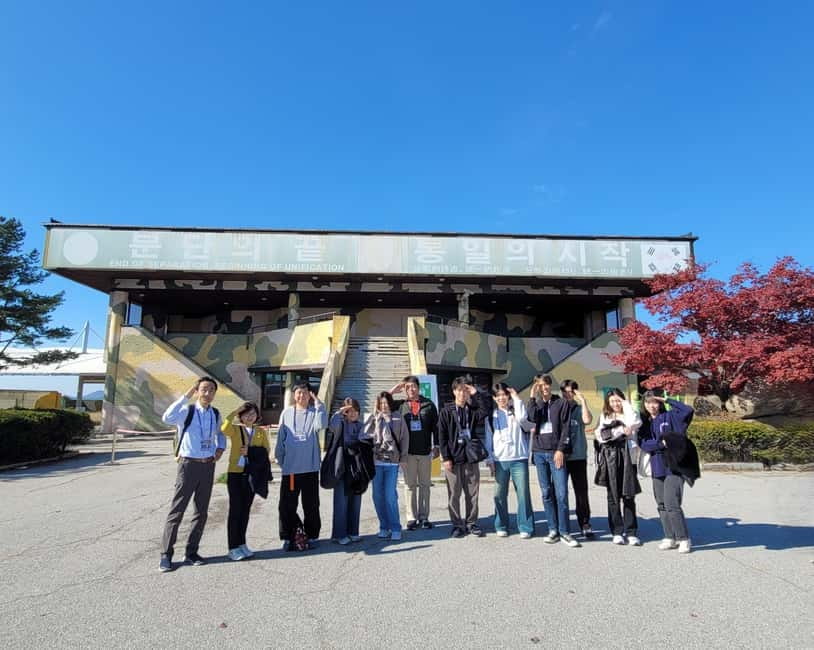
- Japanese-speaking, licensed guide explanations that start on the bus
- Imjingak Park and Freedom Bridge context around POW repatriation
- The 3rd Tunnel is a real walk inside, not just a photo stop
- Dora Observatory from Mountain Dora, with visibility that can reach far in good weather
- Unification Village peace-themed souvenirs, sometimes including North Korea goods
- A 7–8 hour format with shared transfer and end drop-off at Myeongdong or City Hall
Getting to the DMZ: Seoul Starting Points and the Shared-Transfer Flow
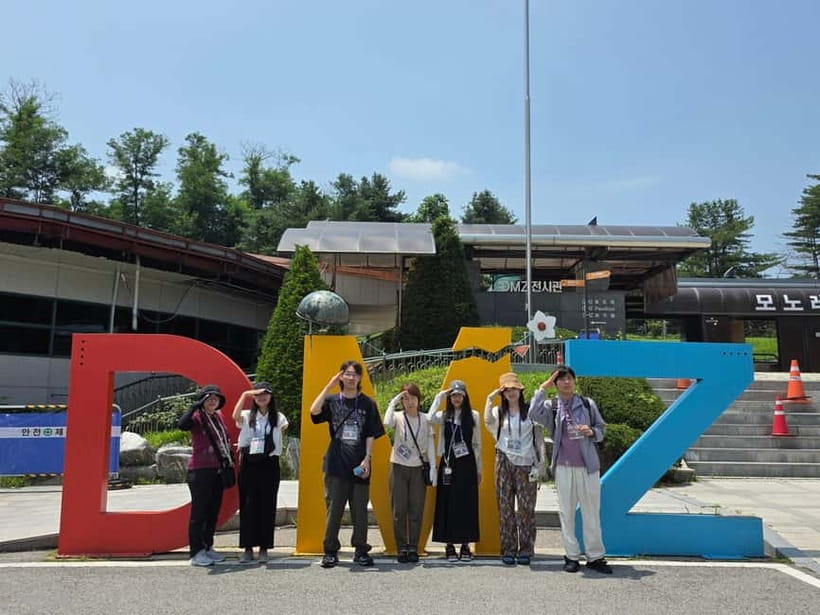
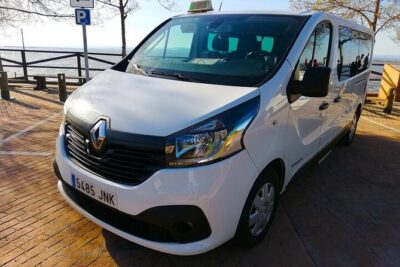
Your DMZ day starts with one of three meeting options around central Seoul: 159-1, 20-16, or Myeongdong Station Exit 10. You’re then on an air-conditioned bus or minivan for about an hour, heading toward the border area in Gyeonggi Province.
This “shared transfer” part matters more than people expect. In a normal day you’ll be fine, but on busy travel days you may feel the schedule pressure. One practical heads-up: arrival to Seoul can vary depending on how many people are on the tour and traffic that day.
At the end, you get dropped off at either Myeongdong or City Hall station, based on your preference. That’s helpful if you want to continue sightseeing without fighting transit.
There’s also a note on the way to the DMZ shuttle bus. If there are fewer than 30 people in the car due to government policy, a DMZ shuttle bus transfer is required. Plan for a bit of “wait, board, move” rhythm.
You can also read our reviews of more guided tours in Seoul


Imjingak Park and Freedom Bridge: Seeing the Korean War on the Ground
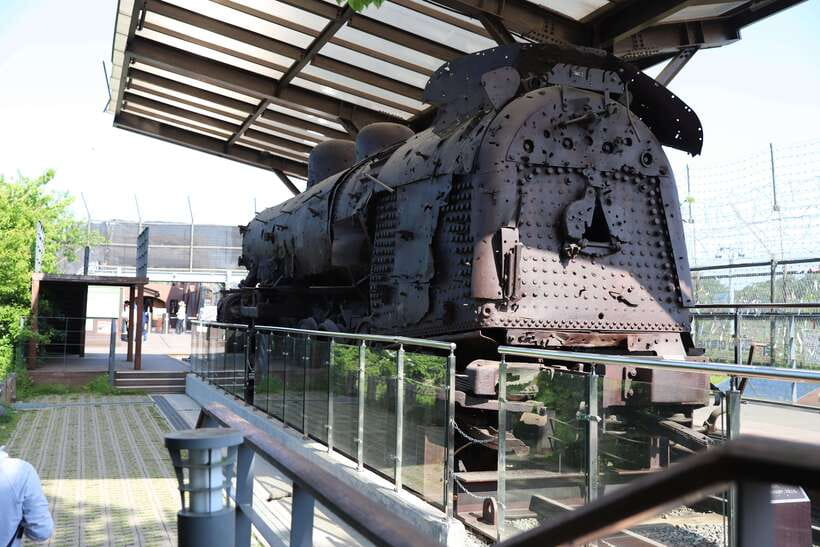
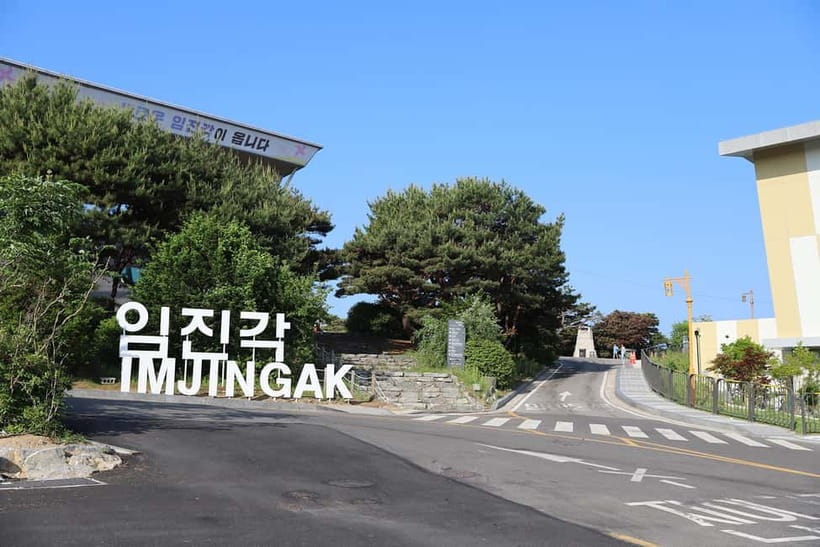
Imjingak is where the DMZ story becomes personal. You’ll spend about an hour here with a guided visit, then continue to the Freedom Bridge for around 30 minutes.
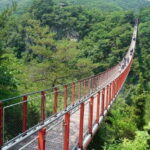
Imjingak Park is more than a pretty buffer zone. It’s a place built around the reality of separation—especially the aftermath of the Korean War. The Freedom Bridge, in particular, is a standout because it’s connected to repatriation: it was used by prisoners of war who were sent back from the North.
What I like about these stops is that they’re not just “look at the border” tourism. The guide uses the sites to explain how the conflict shaped daily life, families, and later negotiations. That’s where the Japanese-language commentary can be a big plus even if your Japanese isn’t perfect—because the physical setting helps your brain map the story.
A small timing caution: this is one of the most information-dense stretches of the day. If you tend to get mentally tired fast, bring water (food and drinks aren’t included) and pace yourself with photos and short pauses.
The Third Infiltration Tunnel: A Real Walk Under the DMZ
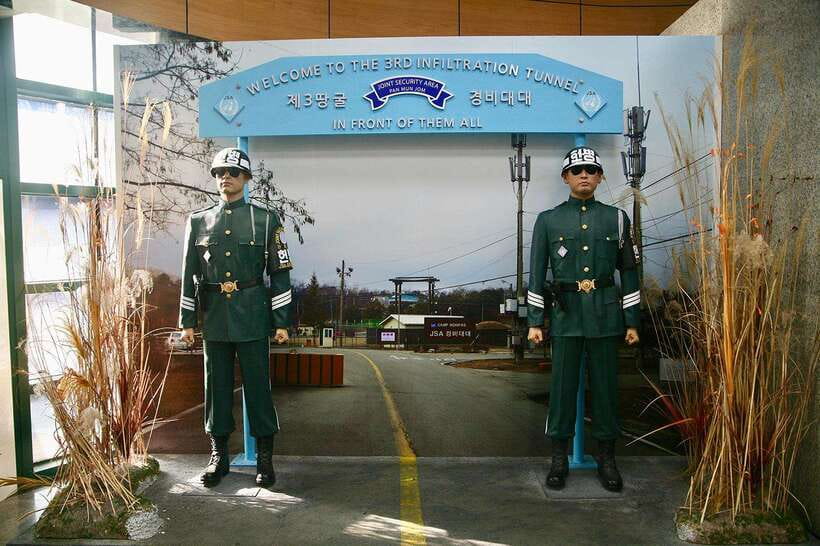
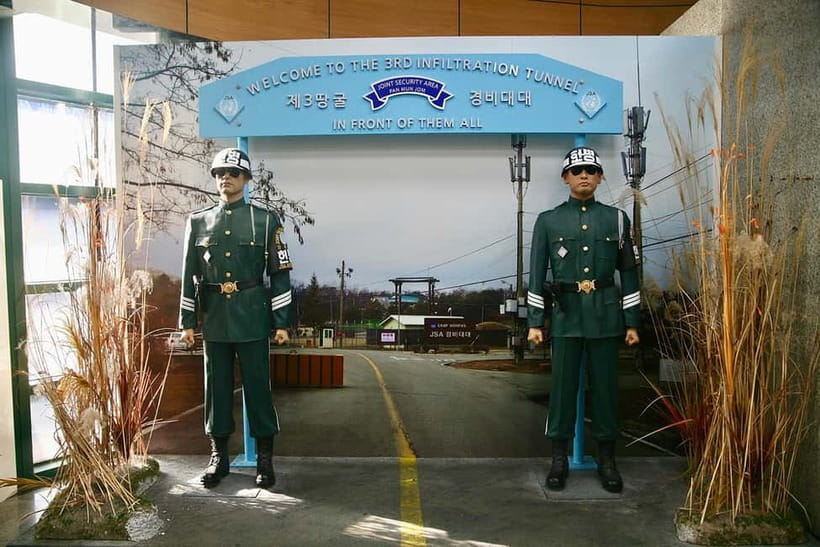
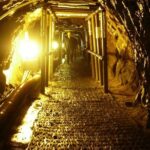
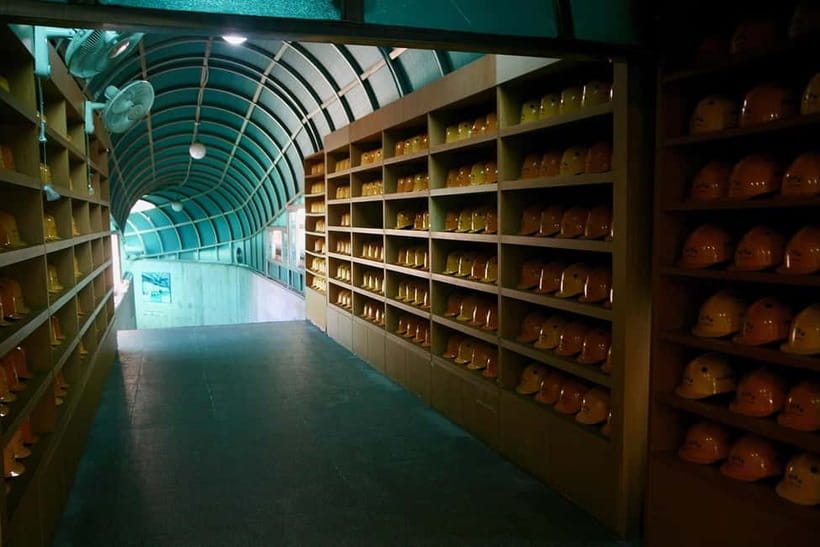
The 3rd Infiltration Tunnel is the part many people remember most, because you actually go inside. You’ll have a guided stop here (about 40 minutes), and then you’ll walk in on foot.
The key practical detail: the tunnel has a steep slope. The round trip on foot is typically 30–40 minutes, and it can feel challenging if you’re traveling with children, or if you have mobility limitations. The good news is you can wait in front of the tunnel if needed—this isn’t an all-or-nothing situation.
In hot weather, the tunnel becomes a welcome break from the surface. One participant specifically noted that it was hot outside but cooler inside the tunnel—so even on summer days, you’ll likely appreciate having the indoor air.
This stop also carries the emotional weight of the DMZ itself. You’re not looking at history in a museum case. You’re walking through an incomplete passage built under the Demilitarized Zone, and it hits differently because your body is part of the experience.
One more “plan for reality” tip: wear shoes with solid grip. The tour strongly recommends you avoid flip-flops, slippers, or shoes with heels. If you show up in the wrong footwear, the day can get unnecessarily annoying.
Dora Observatory on Mountain Dora: Views Across the DMZ Stretch
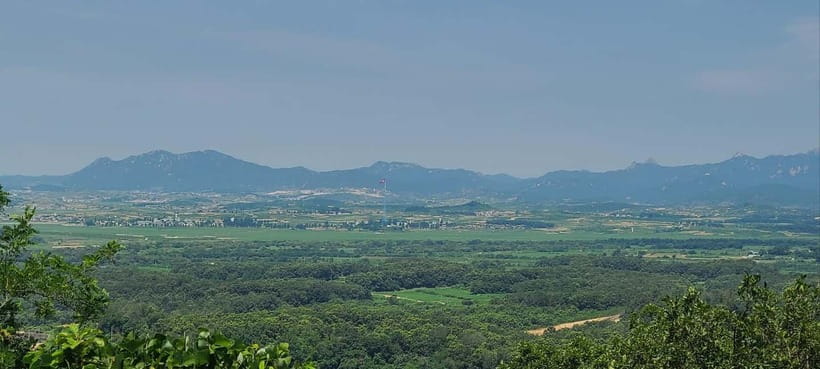
After the tunnel, the day shifts upward—literally. You’ll go up the slopes of Mountain Dora toward Dora Observatory for about an hour of guided time.
Dora Observatory is where you get the rare visual connection to the divided landscape. From a viewpoint like this, you can see the 4 km (2.4-mile) stretch of the DMZ that has divided Korea since 1953. In good weather, you can see far toward North Korea even without using the telescope.
What I love here is how the guide frames the viewing. You’re not just taking a single postcard shot. You’re learning where the DMZ line sits in relation to what you can see from the mountain, and that makes your photos more meaningful later when you remember the orientation.
A weather note you should take seriously: visibility depends on conditions. On clear days, the view can feel almost unreal. On hazier days, you’ll still get the site and explanation, but your line of sight may be limited.
Unification Village: Peace-Themed Souvenirs Close to the Border
Next up is Unification Village, near the DMZ area. You’ll have about 30 minutes here, guided, with time to browse.
This is your hands-on moment to process what the whole day is about through everyday objects. The souvenir stalls focus on peace and reconciliation themes, and many shops often carry goods connected to North Korea as well.
I like this stop because it’s not only “collect stuff.” It gives you a chance to pick something small that matches your values—like a symbol, a snack, or a practical souvenir you’ll actually use at home.
Bring a little flexibility in your budget. The Unification Village browsing time is short, and the items are easy to overthink in the moment. Decide what you want quickly: a couple of meaningful souvenirs beats a cart full of maybes.

Japanese Guide Experience: How Communication Works in Real Life
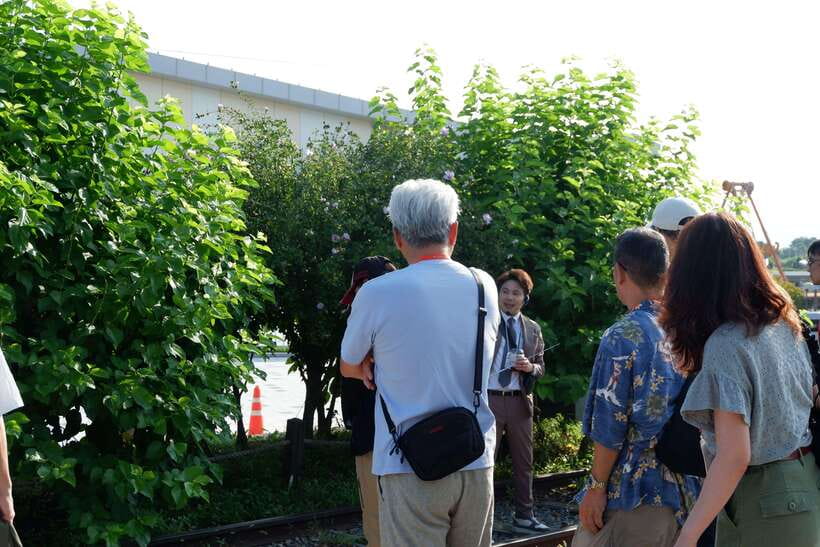
This tour runs with a Japanese live guide, and the expectation is that the flow of information is in Japanese throughout.
In the feedback I saw, people were happy with how clear and interesting the explanations were. Names mentioned include Hong Yu-seon (홍유선), Hon Yuson (ホン・ユソン), Yoon (ユン), and Park (パク), with many comments praising understandable language and strong focus.
One helpful human detail: at least one person noted that the guide made an extra effort when there was a Korean participant in the group, speaking Korean when they had a moment. That’s not something you should count on as a guarantee, but it tells you the guides care about keeping people included.
My practical advice if you’re not fluent: don’t try to translate every sentence in your head. Let the photos and the physical stops anchor the meaning. If you use an offline translation app for key words like tunnel or observatory, you’ll catch the big points without burning out.
Price and Value: What Your $50 Covers (and What It Doesn’t)
At $50 per person for a 7–8 hour day, this is priced as a straightforward group tour with several “included value” components. Included are entrance fees, a roundtrip shared transfer, a licensed professional DMZ guide, and transportation by air-conditioned bus or minivan.
What’s not included: food and drinks, hotel pick-up/drop-off, and the JSA (Joint Security Area / Panmunjom). Travel insurance is also not included.
That JSA detail is a big one. If seeing the Joint Security Area is your main goal, you should know this option doesn’t include it. You’ll still see some of the most striking DMZ sites that are commonly accessible, but the experience won’t be the same as a full JSA visit.
On the value side, the included transportation and guide time are the payoff. The DMZ is heavily managed, so having someone licensed and organized around the rules makes the difference between a smooth day and a stressful one.
Rules, Passport, and the “DMZ Can Change” Reality
This is a military-run area, and that affects everything. You’ll need a passport. You should also be ready for rules that are stricter than regular sightseeing.
You must not bring or use: alcohol and drugs, and you can’t smoke in the vehicle. Intoxication also disqualifies you; you won’t be permitted and you won’t be entitled to a refund.
There are also clear limits on who can join. The tour isn’t suitable for people with heart problems, and it isn’t suitable for wheelchair users. Unaccompanied minors aren’t allowed, and infants under 24 months are free but without a seat.
Timing and cancellation matter too. The trip may be canceled without prior notice because the DMZ is operated by the military. If that happens, the information says a refund won’t be offered. The itinerary is also subject to weather, military, and government regulation factors.
When things shift, you might end up visiting alternatives such as Art Space BEAT 131, Odusan Unification Observatory, War Memorial of Korea, and stops back in City Hall or Myeongdong. So even if the plan changes, you won’t automatically get “nothing”—you’ll still move through the wider unification-related route that day.
Who This DMZ Tour Fits Best (and Who Should Skip It)
This is a strong match if you want a structured, guided day focused on how the peninsula split is understood on the ground: Imjingak, the Freedom Bridge, the tunnel walk, Dora Observatory, and Unification Village.
It’s also a good fit if you appreciate explanations in Japanese and you like learning while you’re walking through meaningful places. The guide-led format means you’re not stuck reading signs alone.
Skip this tour if you can’t handle steep slopes and moderate walking. The 3rd tunnel’s steep slope and 30–40 minute round trip inside on foot can be a dealbreaker. The tour also isn’t suited for wheelchair users, and it isn’t recommended for people with heart problems.
And one more “fit” note: if you’re dreaming of Panmunjom/JSA specifically, this option won’t satisfy that requirement.
Should You Book This Seoul DMZ Tour?
If you want an organized day that mixes border history with real physical stops, I’d book it. The price-to-access ratio is solid because you’re paying for guide expertise, transportation, and entrance fees, not just a bus ride.
But book with your eyes open. The tunnel walk can be tough, and the day’s plan can change because the DMZ runs on military and government decisions. If you’re okay with that reality—and you want the kind of experience that makes the Korean division feel concrete—this tour delivers.
FAQ
FAQ
Do I need a passport for this tour?
Yes. A passport is required for the DMZ experience.
Is the JSA (Joint Security Area / Panmunjom) included?
No. The tour does not include a visit to JSA.
How long is the tour?
Plan for about 7–8 hours.
What language is the guide?
The live tour guide speaks Japanese.
What should I wear or bring for the tunnel?
Wear comfortable, secure shoes. The tour strongly recommends you do not wear flip-flops, slippers, or shoes with heels. Bring your passport.
What happens if the DMZ schedule changes or the trip is canceled?
The trip may be canceled without prior notice, and a refund will not be offered. If the itinerary is adjusted due to weather or government or military rules, you may visit alternative sites such as Art Space BEAT 131, Odusan Unification Observatory, War Memorial of Korea, and/or return stops near City Hall or Myeongdong.
Where will the tour end in Seoul?
You’ll finish with a drop-off at Myeongdong or City Hall station, depending on your preference. The exact meeting point can vary by the starting option you book.


![EVERLAND "From Hotel to Hotel" [Premium Private Tour: Only One Group for You] - Building your 8 hours inside the park (without rushing)](https://m.discoveringseoul.com/wp-content/uploads/everland-from-hotel-to-hotel-premium-private-tour-only-one-group-for-you-400x267.jpg)