REVIEW · SEOUL
Seoul: DMZ & Live Talk with North Korean Defector
Book on GetYourGuide →Operated by Seoul City Tour · Bookable on GetYourGuide
Border jokes fall flat fast, and this tour gets real quickly. I like how the North Korean defector meet-up turns the day into a live Q&A, not just photos and plaques, and I also love the physical impact of the Third Infiltration Tunnel. One practical drawback: lunch and drinks are not included, so plan to buy food during free time or bring snacks.
What makes this outing work is the pace and the human factor. Guides like Katie and AJ (and others you might get) are praised for staying energetic, explaining clearly, and keeping the schedule moving so you get time at each stop without feeling rushed.
At $50 for a full 7-hour border day from Seoul, this is one of the more value-heavy ways to see the DMZ highlights in a single trip—especially if you care about hearing direct perspectives on what life behind the border can mean.
In This Review
- Key Takeaways Before You Go
- Why the Defector Q&A Changes This DMZ Day
- From Seoul to the DMZ: The Morning Ride and Imjingak Setup
- Imjingak to the Freedom Bridge: Mangbaedan and the Border Signals
- The North Korea Experience Hall: Short Film, Real Interview Energy
- Entering the Third Infiltration Tunnel: What 1 Hour Feels Like
- Dora Observatory and Unification Village: Seeing North Korea From the South
- Price and Value: What $50 Includes (and What Doesn’t)
- The Logistics That Actually Matter: Passport, Timing, and Optional Add-Ons
- Who This DMZ Tour Suits Best (And Who Might Not)
- Should You Book This Seoul DMZ Experience?
- FAQ
- How long is the Seoul DMZ tour?
- What’s included in the price?
- Do I need to bring a passport?
- Is lunch provided?
- Can I add the suspension bridge?
- What language is the tour guide?
- What happens if the tour is cancelled due to a military issue or unexpected problem?
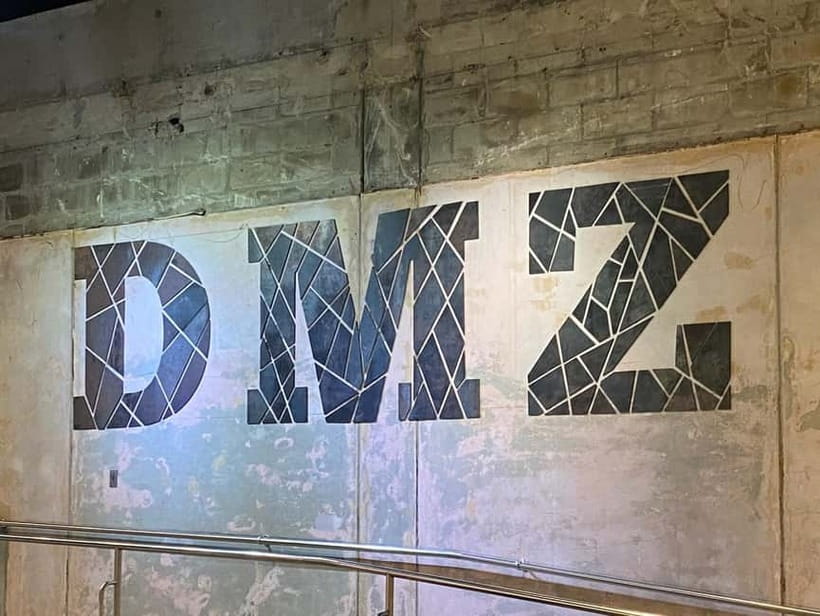
Key Takeaways Before You Go
- Defector Q&A is the emotional core, giving the experience weight beyond the usual sightseeing.
- Third Infiltration Tunnel adds a rare, hands-on element to a DMZ day.
- Multiple DMZ checkpoints and viewpoints mean you’re not just staring across a line—you’re learning to read it.
- North Korea Experience Hall compresses key context into a short film and guided discussion.
- Photo rules may limit pictures, so expect to focus on listening and observing.
- Food isn’t included, so budget for meals during stops.
Why the Defector Q&A Changes This DMZ Day
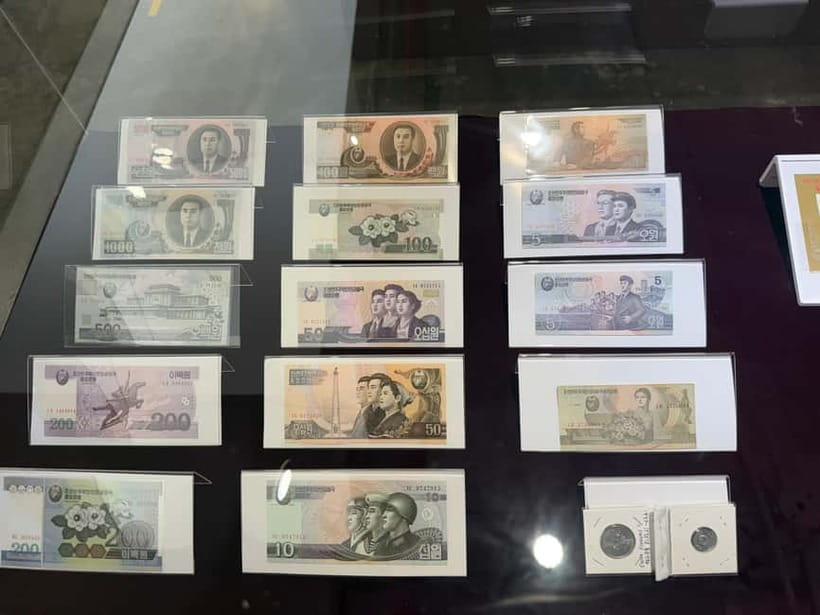
Most DMZ tours stay at the safe, surface level: angles, distances, and history lessons. This one adds the part that people remember long after the bus ride—an encounter with a North Korean defector and a structured Q&A that can get unexpectedly personal.
In practice, the value isn’t just the fact that a defector shows up. It’s that you can ask follow-up questions in real time. That turns abstract politics into something you can ask about directly: motivations, escape realities, and the gap between what the border looks like on maps versus how it changes lives.
There is one thing to calibrate first: you’re not guaranteed a full life-story lecture at the start. If you’re hoping for a carefully ordered overview of life in North Korea before questions begin, you might be disappointed. The format is still powerful, but it’s more like conversation than a documentary.
Also, keep expectations respectful and practical. You’ll get more out of the Q&A if you come with a few clear question themes, like education, everyday life, family separation, or how people navigate information under tight control. The better your questions, the more you’ll get from the limited time you’re given.
You can also read our reviews of more tours and experiences in Seoul.
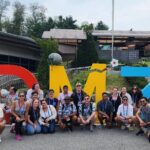
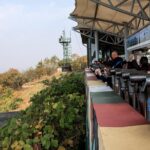
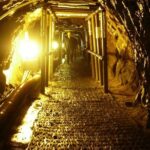
From Seoul to the DMZ: The Morning Ride and Imjingak Setup
The day runs about 7 hours, and it starts with bus/coach travel—roughly an hour out of Seoul before you get to the DMZ area. That matters because timing on border tours is tight. The good news is the route is designed so you can see several sites without spending the whole day in transit.
Once you arrive, you move into the first guided moments at Imjingak Peace Park. This stop is important as an orientation point. It helps you understand what this area represents symbolically, and it also sets you up to better process what you’ll see later at the tunnel and observatories.
Imjingak is also where many visitors feel the emotional shift. You go from a city mindset to a border mindset fast. The guided format helps you make sense of what you’re looking at right away, instead of trying to decode things on your own while everyone waits for the bus schedule.
After Imjingak, the day continues with other stops that keep building the story. If you’re the type who gets impatient at history content, don’t worry—this tour keeps moving, and each site adds a different kind of information.
Imjingak to the Freedom Bridge: Mangbaedan and the Border Signals
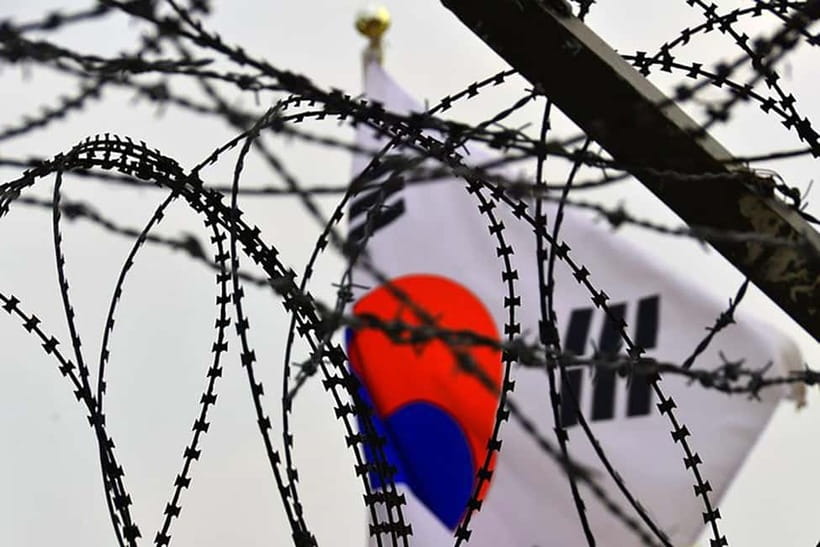
After Imjingak, you’ll get guided visits at Mangbaedan and Freedom Bridge. Even if you don’t know much about the Korean DMZ going in, you’ll start noticing how this area is set up like a set of border “signals.”
Mangbaedan is a name you’ll hear again in DMZ conversation, and the guided portion helps connect it to what the border means in practice—separation, tension, and the human consequences of a ceasefire that never turned into true peace.
Then comes Freedom Bridge, another emotionally loaded reference point. The value here is not just the view. It’s understanding why certain locations exist in the way they do, and why people treat this area like a living reminder rather than a museum display.
The practical tip: stay mentally flexible. The schedule is built to fit several guided stops into a single day, and you’ll want your brain in learning mode for most of it. If you tend to “check out” during tours, this is one where you’ll miss details that later connect to the tunnel and Dora Observatory.
The North Korea Experience Hall: Short Film, Real Interview Energy
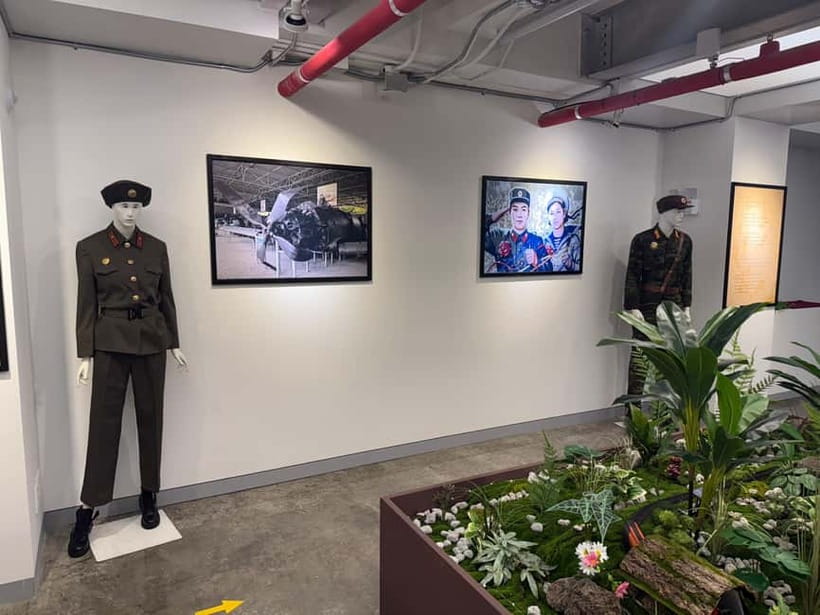
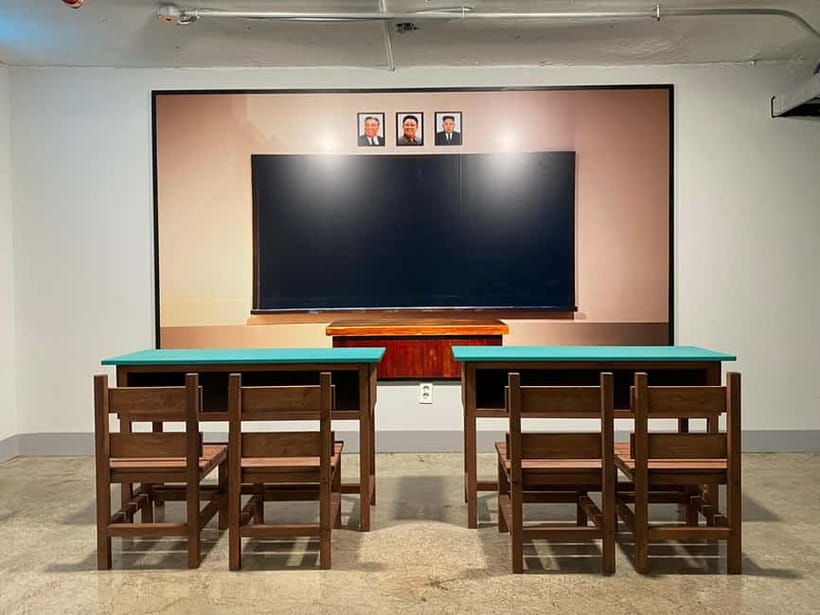
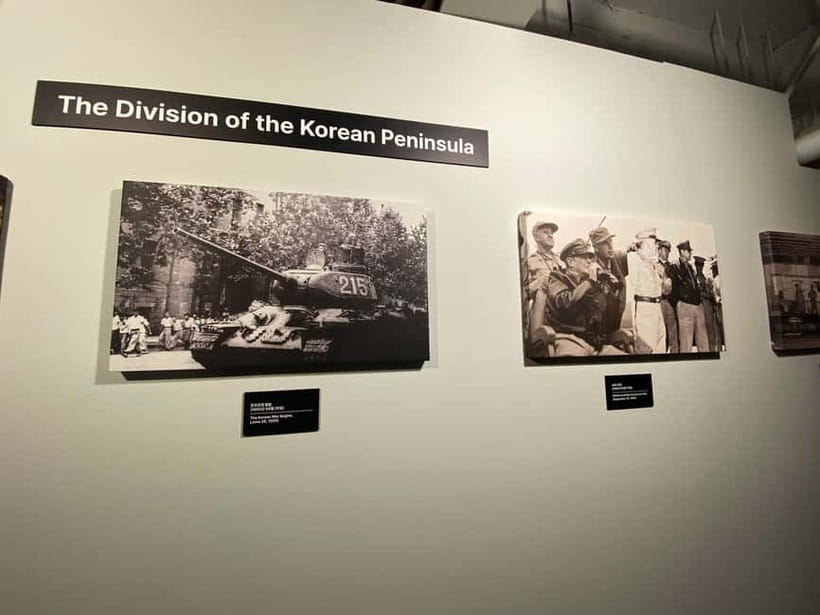
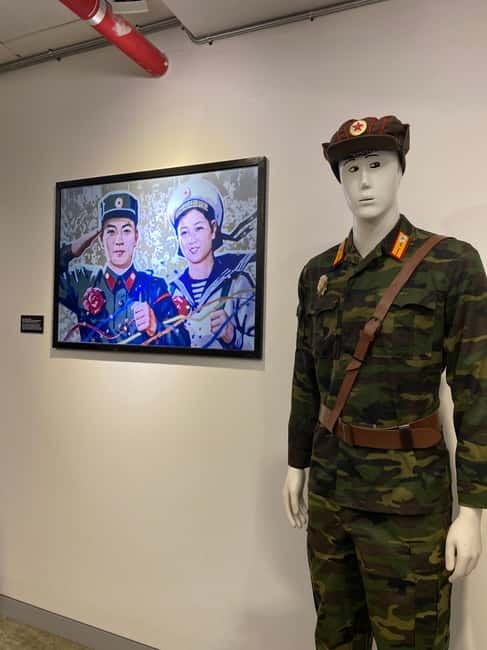
One of the most distinctive parts of this tour is the North Korea Experience Hall. You’ll watch a 10-minute film focused on defectors, and then you’ll get an interview segment tied to that same theme.
This stop works well because it doesn’t try to teach everything in one go. It gives you a quick, structured baseline so that the defector Q&A and the DMZ sites afterward hit harder. In other words, the film isn’t just filler—it’s a shortcut to context.
You can think of it like pre-reading before a test. Without it, some questions you might want to ask the defector could feel too broad. With it, you’re better prepared to ask sharper, more grounded questions during the meet-up portion.
A small drawback to plan for: this is still a controlled, guided environment. You’ll likely get rules around what you can film or photograph, and your attention needs to stay with your guide’s explanations. That can be a plus for focus if you prefer organized learning over wandering.
Entering the Third Infiltration Tunnel: What 1 Hour Feels Like
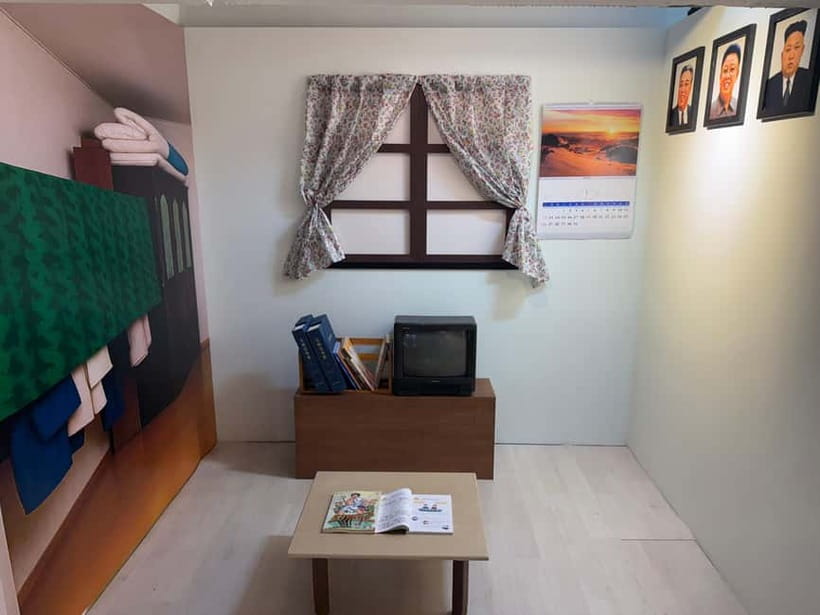
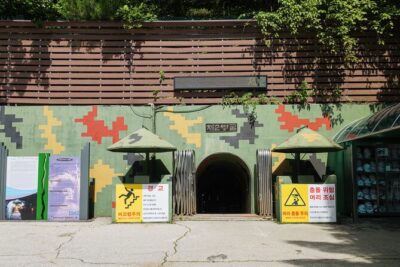
The headline physical experience is the Third Tunnel of Aggression. You’ll enter and tour it with guided instruction, and the tunnel stop runs about 1 hour.
This is the part where the DMZ becomes literal. Seeing barriers on a screen is one thing. Walking through a tunnel concept designed for infiltration is another. It’s not comfortable in the way a normal attraction is comfortable, and that’s exactly why it sticks.
The guided pacing matters. Tunnels are sensory spaces, and the guide’s job is to help you understand what you’re looking at while keeping the group moving at a safe, controlled tempo. If you’re prone to claustrophobia, you should think carefully before booking—but the tour data strongly suggests this is a core, must-do component for the full experience.
One more practical note: photo rules may apply in multiple locations, including tunnel or observatory environments. So bring your attention, not just your camera. The best value comes from listening to how the tunnel relates to the border strategy it represents.


Dora Observatory and Unification Village: Seeing North Korea From the South
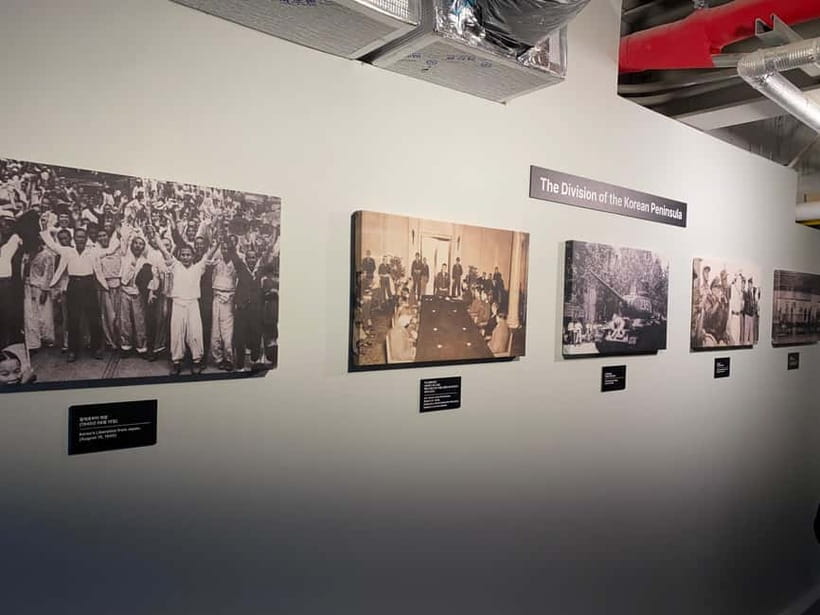
After the tunnel, the itinerary shifts to big-picture viewing and shorter, targeted stops. First up is Dora Observatory, where you’ll have about 50 minutes.
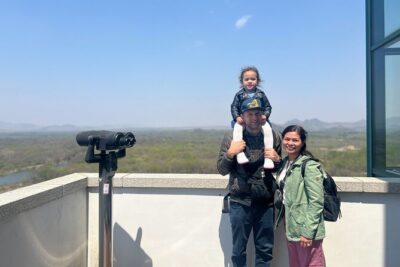
This is the moment you look out and realize the border isn’t an idea—it’s terrain, distance, and sight lines. Your guide will explain what you’re seeing from the observatory and how it connects back to the tunnel and earlier stops.
From the practical side: observatories can be tricky if you’re short or the crowd blocks your view. Several guides are praised for working around that by repeating explanations or re-walking key points so you don’t miss the meaning of what’s in front of you.
Next is Unification Village, with only about 15 minutes for the guided visit. That short time can feel fast, but it’s long enough if you’ve already built context earlier in the day. It’s not meant to be a slow museum-style stop; it’s a final “wrap-back” point to connect what you saw to the broader idea of unification.
If you want extra time to absorb views or ask clarifying questions, go in expecting that your guide will run the clock. The win is that you’ll leave with a coherent story, not a collection of random photos.
Price and Value: What $50 Includes (and What Doesn’t)
This tour costs $50 per person and runs about 7 hours. For that price, you’re getting guided visits plus DMZ admission fees and air-conditioned transportation.
That matters because DMZ sites don’t operate like typical attractions where you can easily mix and match between independent tickets. Bundling transportation and admissions into one guided day saves time and reduces decision fatigue. It’s also how you keep the schedule tight enough to fit the tunnel, observatory, and experience hall in one go.
What’s not included: food and drinks, travel insurance, and hotel drop-off. Lunch is not provided, but you typically have free time at stops to get something to eat. Plan for it. Bring snacks if you’re the kind of person who starts getting grumpy when hungry.
Also, you’ll finish back in Seoul around Seoul City Hall. That’s useful for planning your evening, especially if you want to eat somewhere central afterward.
The Logistics That Actually Matter: Passport, Timing, and Optional Add-Ons
Before you go, do the boring part right: bring your passport. The tour data says military ID or ARC is fine too, but the passport requirement is strict.
Also pay attention to the suspension bridge option. It’s optional, but only available on the earlier time tour. One guide note from the experience side suggests it can add about 90 minutes, so if you’re choosing between doing everything versus preserving energy, this is where you decide.
Expect the tour to be structured. It’s not a pick-your-own-adventure border day. You’re guided through checkpoints, and the timing is designed around what’s permitted and available.
Finally, photo access may be limited. Some places may restrict pictures, and you’ll get more from the day if you’re ready to treat it like an education session with occasional dramatic views.
Who This DMZ Tour Suits Best (And Who Might Not)
I’d point this tour toward two types of people.
First, book it if you want the whole DMZ story in one day, including the tunnel and the Dora viewpoint, plus the one element that most standard tours skip: the defector meet-up. If you care about human context, this is the format that gives it.
Second, it fits you if you like guides who actively explain, keep the group moving, and answer questions during the stops. The repeated praise for guides like Katie, AJ, and others points to a pattern: the day works when the guide is energetic and organized.
It may not be ideal if you mainly want a relaxing photography day. The schedule is full, the content can be heavy, and food isn’t included. Also, if you dislike Q&A formats, the defector segment could feel like a forced emotional moment rather than a traditional attraction stop.
Should You Book This Seoul DMZ Experience?
If your goal is a DMZ day that goes beyond the usual lookout points, I think you should book it—especially because the itinerary includes the Third Infiltration Tunnel plus the North Korea Experience Hall, and those pair well with the live defector Q&A.
Just come prepared. Bring snacks or budget for food on the way. Bring your passport. And don’t expect the defector segment to be a scripted life biography; treat it like a chance to ask focused questions and learn what you can in the time available.
FAQ
How long is the Seoul DMZ tour?
The duration is 7 hours.
What’s included in the price?
The price includes air-conditioned transportation, a guide, admission fees (DMZ), and hotel pickup only if you select the private option.
Do I need to bring a passport?
Yes. All guests must bring their passport. A military ID or ARC is also accepted.
Is lunch provided?
Food and drinks are not included. You’ll need to bring your own or buy something at stops during free time.
Can I add the suspension bridge?
Yes, it’s optional, but only the earlier time tour is available for adding it.
What language is the tour guide?
The tour is offered with an English live tour guide.
What happens if the tour is cancelled due to a military issue or unexpected problem?
If the tour is cancelled due to military or unexpected issues, the provider will provide an alternative course related with DMZ, and there is no refund.
If you tell me your travel dates and whether you prefer the earlier or later departure, I can help you decide if the suspension bridge add-on is worth it for your schedule.