REVIEW · SEOUL
Half day Morning Seoul City Tour(Temple & Gyeongbok Palace)
Book on Viator →Operated by Cosmojin Agency · Bookable on Viator
Seoul in half a morning? This tour is a tight route through palace drama and living temple life, with a guide who explains what you’re actually looking at. You’ll start with a calm religious stop, then shift into royal Joseon-era spectacle at Gyeongbokgung, and finish in Insadong where you can keep wandering without a plan.
Two things I really like: the hotel pickup and the focus on major “first-time Seoul” sights without making you figure out transport between neighborhoods. I also like that admission fees are included, so you’re not scrambling for tickets mid-morning.
One thing to consider: the schedule is fast. If it’s raining, the Royal Guard Changing Ceremony can be canceled, and the tour may feel rushed for people who want extra time inside each site.
In This Review
- Key points to consider
- A 4-hour morning that helps you get oriented fast
- Hotel pickup and transport: less stress, more sightseeing time
- Jogyesa Temple: real Buddhist life in the middle of downtown
- Gyeongbokgung Palace: the main event and the guard ceremony moment
- National Folk Museum of Korea: using artifacts to understand daily life
- Cheongwadae Sarangchae (Blue House) pass-by: worth it, but not always accessible
- Cheongha Korea Ginseng Museum: the shopping stop you should manage
- Insadong drop-off: turning the tour into your own afternoon
- Price and value: why $32 can work (and when it might not)
- Who this tour suits best
- Should you book this half-day Seoul City Tour?
- FAQ
- What’s the duration of the Half Day Morning Seoul City Tour?
- What time does the tour start?
- Does it include hotel pickup and where do I get dropped off?
- Are admission fees included?
- What happens if it’s raining?
- What happens if Gyeongbok Palace is closed on Tuesdays?
- Is lunch included?
Key points to consider
- Hotel pickup and Insadong drop-off so you spend less time moving and more time seeing
- Jogyesa Temple (free entry, 30 minutes) for a real-life look at Buddhism in central Seoul
- Gyeongbokgung Palace + Royal Guard Changing Ceremony as the main showpiece
- National Folk Museum of Korea inside the palace grounds with time for everyday-life artifacts
- Cheongwadae Sarangchae and ginseng museum stop that may depend on access and your interests
- Rain and Tuesday closures can change the exact plan
A 4-hour morning that helps you get oriented fast
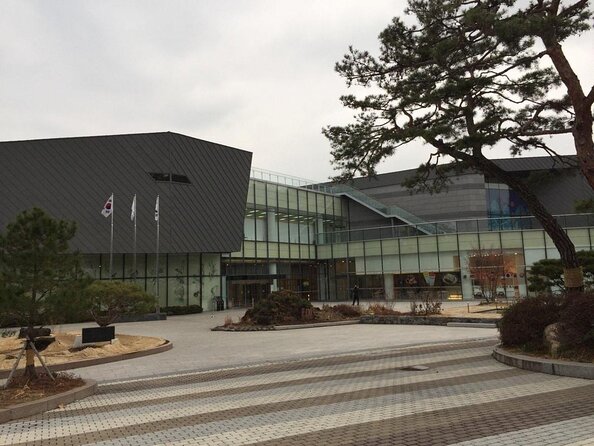
This is the kind of half-day tour that works when you’re short on time or still jet-lagged. It’s scheduled for 8:30 am, and the timing matters: you’ll hit the big sights in a window when you can still enjoy them before the day turns into full-on sightseeing mode.
The value is not just that it’s “half-day.” It’s that the route is built around Seoul’s easiest cultural arc: temple → palace → museum → central city drop-off. If you like to understand what you see (instead of just taking photos), the guided explanation is the whole point.
Also, the pace is designed for a small-group experience (maximum 44). That’s big enough to feel comfortable, but small enough to keep things moving—especially at places where lines and photo bottlenecks happen.
You can also read our reviews of more city tours in Seoul
Hotel pickup and transport: less stress, more sightseeing time
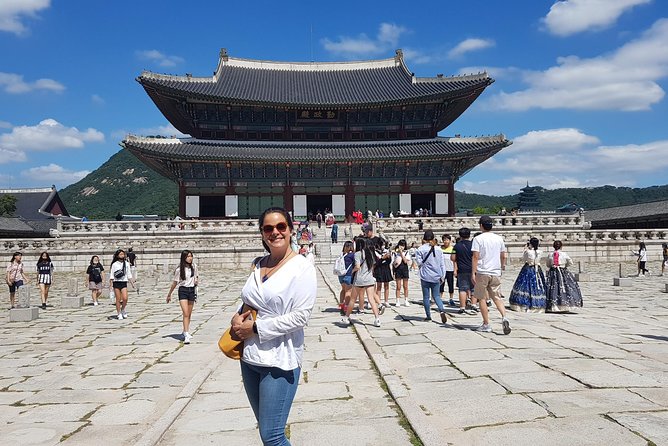
You’re picked up from your Seoul hotel, and you’re dropped off in Insadong at the end. That matters more than it sounds. Seoul can be confusing on the first day, especially when you’re trying to connect buses/subways while also remembering where Gyeongbokgung sits relative to everything else.
The tour includes transportation, and it also includes a professional English-speaking guide. In past groups, guides such as Molly, Cathy, Rose, JJ, Moon, Lee, KC, June, and SP have been singled out for being friendly, fun, and good at explaining what you’re seeing—especially palace architecture and Joseon-era context.
Practical tip: wear comfortable shoes. Even if the tour is “only” four hours, palace grounds and museum paths still add up.
Jogyesa Temple: real Buddhist life in the middle of downtown
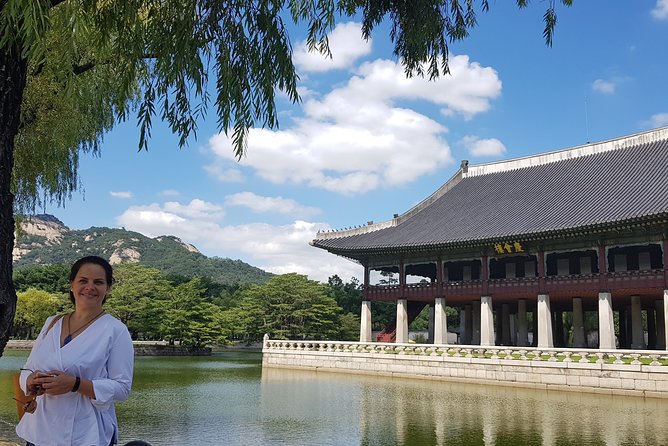
The first major stop is Jogyesa Temple, in the heart of Seoul’s busy core—exactly why it’s a good opener. This isn’t a theme-park temple. It’s a living one, founded in 1935, and it gives you a calmer counterpoint before the palace and crowds.
You’ll have about 30 minutes, with admission free. In that short window, you won’t “finish” the temple complex like you would on your own. Instead, you’ll get a guided orientation: where to look, what rituals and spaces mean, and how this kind of Buddhist presence fits into modern Seoul.
Why it’s worth your time: arriving here first makes the day make sense. When you later see the palace’s ceremonial order and hierarchy, you’ll have already felt how strongly tradition shapes everyday places here—even in a city of skyscrapers.
Potential drawback: 30 minutes is tight. If you’re the type who wants quiet time and unhurried photos, you might want a longer self-guided stop after the tour.
Gyeongbokgung Palace: the main event and the guard ceremony moment
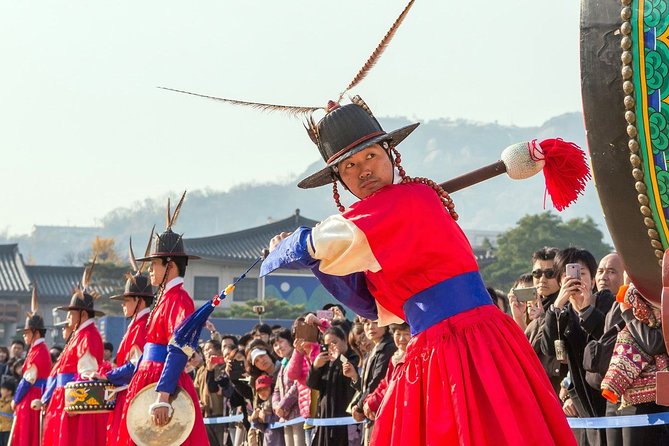
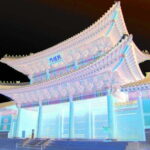
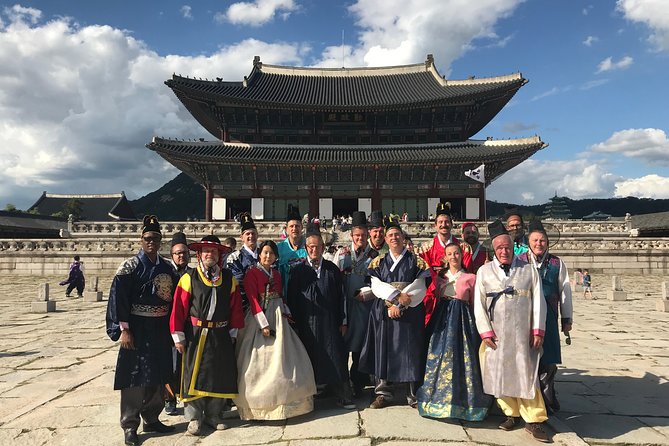
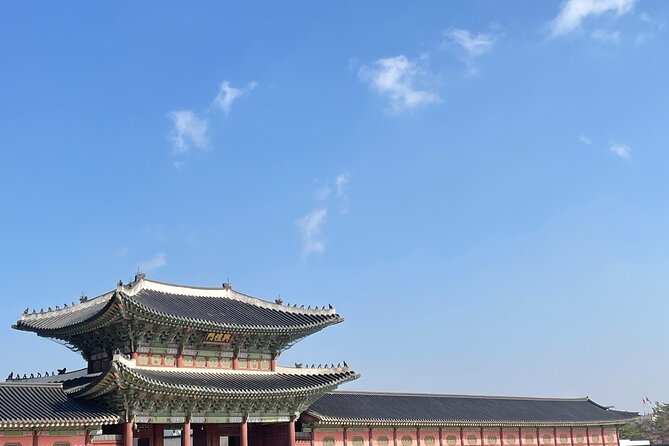
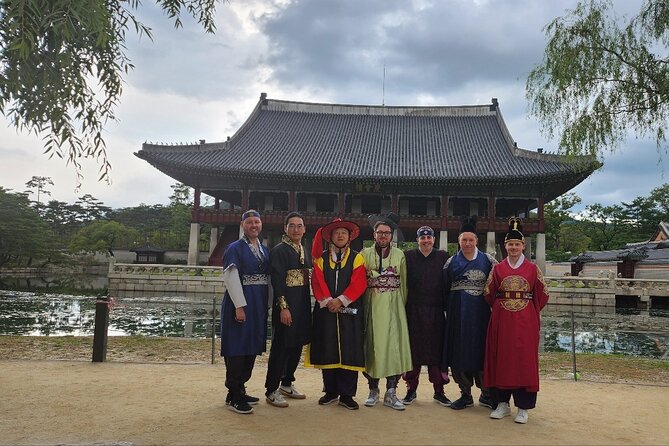
Next is Gyeongbokgung Palace (often written Gyeongbok Palace/Gyeongbokgung), with about 1 hour on-site and admission included.
This stop is built around the Royal Guard action near Gwanghwamun—the Royal Guard Changing Ceremony. That’s the part most people come for, and it’s also where timing and weather matter.
Here’s what to know before you go:
- The ceremony can be canceled when it rains.
- If Gyeongbok Palace is closed on Tuesdays, the palace visit is replaced by another attraction.
In other words, don’t treat this as a guaranteed “see it no matter what” moment. It’s likely you’ll see a lot of palace life, but the ceremonial peak depends on conditions.
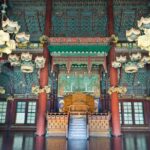
What makes this palace stop special for first-timers: Gyeongbokgung is visually dramatic, yes—but the real payoff is understanding the “why” behind the design and order. Good guides (like the ones named earlier) tend to explain Joseon-era architecture and how to read the space, so you’re not just standing in front of buildings.
Photo tip: if your guide gives you positioning advice, follow it. One earlier guide (Cathy) was praised for getting the group into position early enough to grab photos and a good spot for the changing guard moment.
National Folk Museum of Korea: using artifacts to understand daily life
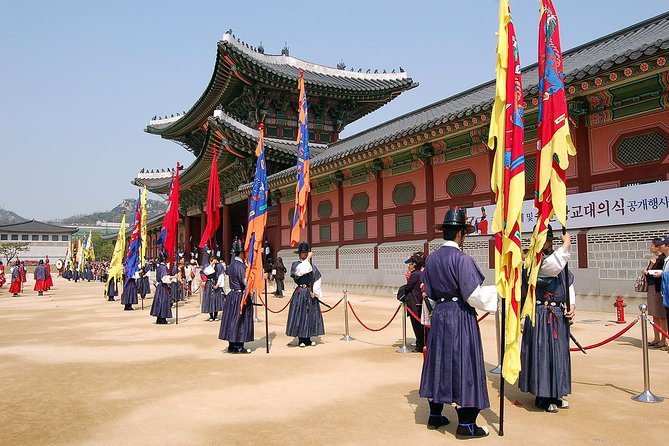
Right after the palace focus, you’ll step into the National Folk Museum of Korea, located within the palace grounds. You’ll have about 45 minutes, with admission included.
This museum is a smart pairing with Gyeongbokgung because it shifts the question from royal power to ordinary people. Instead of treating history as only kings, you get artifacts and stories about everyday life across Korean history—the stuff that shaped meals, tools, clothing, and home culture.
What I like about this add-on: it helps you connect the grand scale of the palace to real human routines. Without it, many palace visits feel like a single big spectacle. With it, the day turns into a fuller picture of what “Joseon culture” looked like in practice.
Potential drawback: it’s not a slow museum experience. 45 minutes means you’ll cover highlights, not every gallery. If you’re a museum person who hates rushing, you may want to plan a return visit later on your own.
You can also read our reviews of more tours and experiences in Seoul
Cheongwadae Sarangchae (Blue House) pass-by: worth it, but not always accessible
The tour includes a pass-by of Cheongwadae Sarangchae, connected to the Presidential Blue House. Expect around 15 minutes, with no admission fee (since it’s a pass-by).
This is one of those “can be cool, can be limited” parts of the day. You might not be allowed to pass by the Blue House due to security. That doesn’t mean the stop is wasted—your guide can still help frame why this area matters in modern Korea—but you should go in with flexible expectations.
How to make it satisfying anyway: ask your guide what you’re seeing and why it’s treated as significant. Even a short pass-by can land well if you understand the symbolism and modern-government context.
Cheongha Korea Ginseng Museum: the shopping stop you should manage
After the palace-and-museum core, you’ll have a stop at the Cheongha Korea Ginseng Museum. Plan around 20 minutes, and admission is free.
Ginseng is a huge part of Korea’s “health and tradition” story, and this is the tour version: brief explanations, a bit of viewing, and then time that can feel like shopping adjacent.
Some people don’t mind this kind of stop. Others prefer to keep the morning strictly cultural. Since you only have a half-day, this segment is the one that can feel like the trade-off—especially if you wished you had more time back at the palace or museum.
My practical advice: if you want to buy something, set a quick budget before you enter. If you’re not buying, treat it like a short cultural lesson and keep moving—don’t let the pace decide how you feel about the day.
Insadong drop-off: turning the tour into your own afternoon
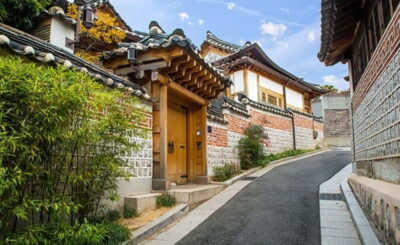
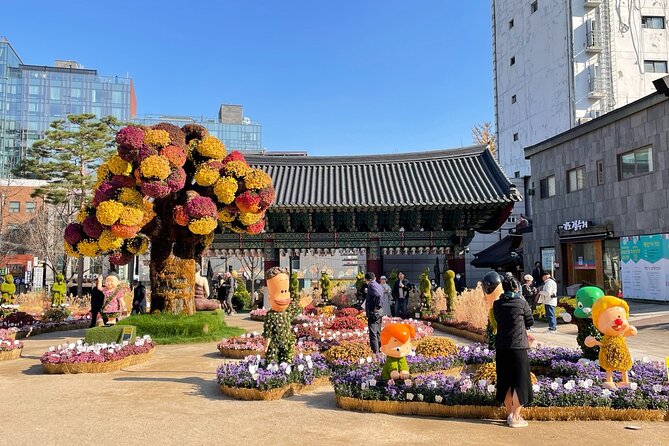
At the end, you’re dropped off in Insadong. That’s a strong finish. Insadong is perfect for continuing without thinking too hard: you can shop, snack, and stroll through neighborhoods filled with craft shops and traditional-style streets.
Also, remember you do not get lunch included. The tour includes the morning sites, and then it leaves you to choose food afterward. A good strategy: use your guide’s recommendation for lunch right after you’re dropped off. One past group noted that their guide helped with lunch and shopping ideas, which is exactly what you want at the end of a structured morning.
If you’re the type who plans tightly, Insadong is still a practical base. You can branch out toward nearby historic areas from there instead of being stuck far away from everything.
Price and value: why $32 can work (and when it might not)
At $32 per person, this tour can be good value because several costs are wrapped in:
- Hotel pickup and transportation
- Professional English-speaking guide
- Admission fees for the palace and museum
- A structured route that avoids the mental load of connecting multiple neighborhoods yourself
In other words, you’re paying for convenience and guided interpretation more than just “access.” If you’d otherwise spend money on palace/museum tickets and taxis/subway transfers plus time figuring it out, this starts to make sense.
When it might not feel like a bargain:
- If you want long stops and slow time, the half-day format may feel rushed.
- If you don’t care about the ginseng museum at all, you might wish that time went elsewhere (some feedback has pointed out that the “later” parts can eat more minutes than expected).
Who this tour suits best
This tour fits best if you:
- Want a first-day orientation to Seoul
- Prefer guided context for palaces and temples
- Like packing several key stops into one efficient morning
- Need transportation + admission handled for you
It might be less ideal if you:
- Plan to spend all day at one place and want slow pacing
- Get cranky when ceremonies get canceled by weather
- Strongly dislike shopping-focused stops (the ginseng museum segment is brief, but it’s part of the route)
Should you book this half-day Seoul City Tour?
If you’re trying to make the most of limited time in Seoul, I’d book it. The mix of Jogyesa Temple, Gyeongbokgung, and the National Folk Museum of Korea gives you more than one kind of cultural experience in a short window. Add the hotel pickup and included admissions, and it becomes a low-stress way to see real highlights.
Just be realistic about two things: it’s a tight schedule, and the ceremony depends on conditions. If you’re flexible, you’ll come away with a strong sense of how Seoul’s traditions still shape the city—and you’ll start your next neighborhood walk (Insadong) with momentum instead of confusion.
FAQ
What’s the duration of the Half Day Morning Seoul City Tour?
The tour lasts about 4 hours.
What time does the tour start?
The start time is 8:30 am.
Does it include hotel pickup and where do I get dropped off?
Yes, hotel pickup is included, and you’ll be dropped off in Insadong at the end.
Are admission fees included?
Yes. Admission fees are included, including for Gyeongbokgung Palace and the National Folk Museum of Korea.
What happens if it’s raining?
The Royal Guard Changing Ceremony can be canceled when it’s rainy.
What happens if Gyeongbok Palace is closed on Tuesdays?
If Gyeongbok Palace is closed on Tuesdays, it will be replaced by another tourist attraction.
Is lunch included?
No. Lunch is not included.