REVIEW · SEOUL
Walking Tour with Gyeongbokgung Palace, Bukchon, Insadong
Book on Viator →Operated by This is KOREA! · Bookable on Viator
Seoul’s old heart shows up fast. This tour strings together Gyeongbokgung Palace, Bukchon Hanok Village, and Insadong so you get a clear sense of how Seoul grew from Joseon-era power to modern-day street life, all with a local guide. I especially like the small group setup, which keeps the pace human, and the history explanations that make the palace grounds and backstreets easier to understand.
One thing to plan around: some site entry costs may not be included, especially at the palace-area museums, so bring a card and be ready to choose on the spot.
In This Review
- Key highlights I’d watch for
- Why This Gyeongbokgung–Bukchon–Insadong Walk Works
- Getting Started at Gyeongbokgung Station (Exit 5, 9:30 am)
- Gyeongbokgung Palace: A Photo Tour With Real Context
- Museum Tickets: What You Should Expect (and How to Choose)
- Bukchon Hanok Village: Winding Lanes and Hanok-Style Streets
- Insadong: Shopping Street Energy With a Straightforward Plan
- The Pace, Earphones, and Group Size That Make It Comfortable
- Price and Value: Is $65 a Good Deal?
- Who Should Book This (and Who Should Rethink It)
- Should You Book This Walking Tour?
- FAQ
- How long is the tour?
- Where do I meet the guide?
- What stops are included?
- Is lunch included in the price?
- Are entrance fees included?
- How large is the group?
- Do I need a passport number?
Key highlights I’d watch for
- Small group size (max 15) means fewer bottlenecks and more time to ask questions.
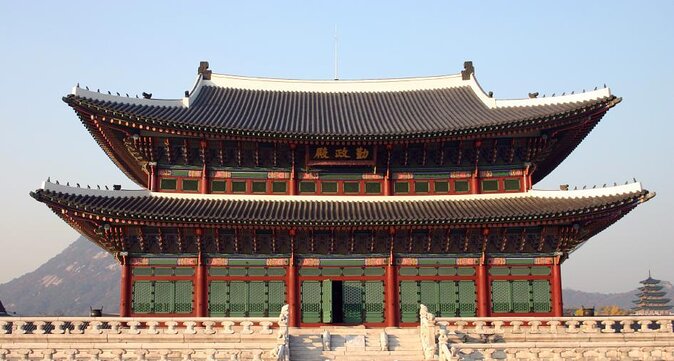
- Gyeongbokgung Palace with a photo-focused plan plus a guide who explains what you’re seeing.
- Bukchon Hanok Village wandering time on foot, where the hanok-style streets are the point.
- Insadong shopping and lunch with translation help, useful if you want something off-menu.
- Personal audio earphones so the guide stays clear even in crowds.
Why This Gyeongbokgung–Bukchon–Insadong Walk Works
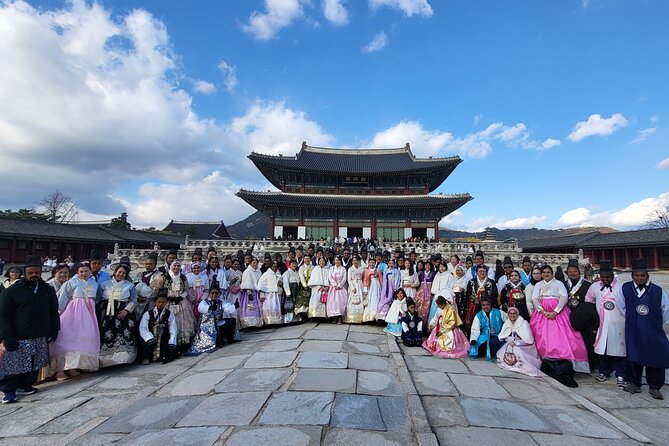
This is one of those Seoul routes that makes sense. You start at the center of Joseon authority, then move into a preserved neighborhood style, and end in a street made for browsing and eating. The best part is the order. You’re not bouncing randomly across the city. You’re moving forward through themes: power, daily life, and culture-shopping.
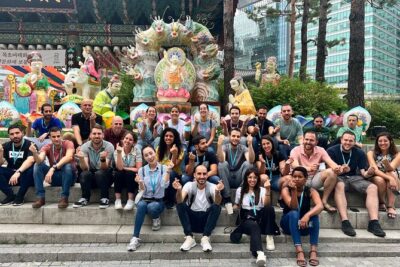
The group stays small, with a maximum of 15 people, and you get personal audio earphones. That matters more than it sounds. When a guide is trying to explain palace structure, street layout, or everyday details in a historic district, you’ll want to actually hear the words, not just stand near them.
Timing also helps. You begin at 9:30 am at Gyeongbokgung Station, so you’re doing the most visually demanding stop earlier in the day. Insadong comes later, when you can slow down for shops and lunch.
You can also read our reviews of more walking tours in Seoul
Getting Started at Gyeongbokgung Station (Exit 5, 9:30 am)
You meet at Subway Line 3, Gyeongbokgung Station, Exit 5, at 9:30 am. It’s a big station area, but the good news is that Line 3 is easy to reach from a lot of central Seoul.
A couple practical notes. Wear shoes you can walk in for several hours, because this is a walking-heavy itinerary across palace grounds and old-city streets. The tour lists a moderate physical fitness level, which usually means you should be comfortable with frequent walking and standing, not marathon stamina.
Also, bring a light layer. Seoul mornings can feel cooler early on, and you’ll spend time outside at the palace and in Bukchon’s narrow lanes.
Gyeongbokgung Palace: A Photo Tour With Real Context
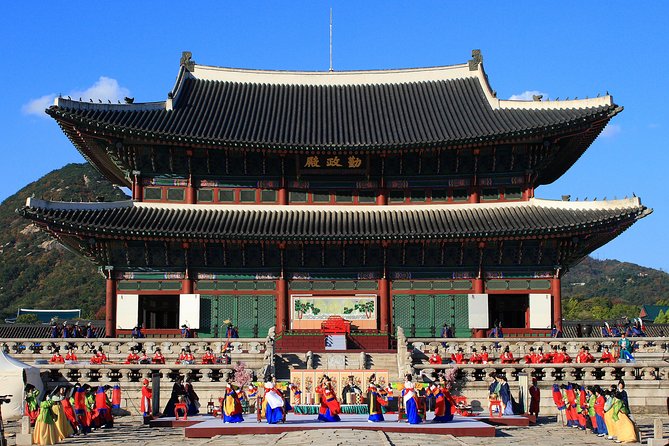
The first stop is built around a Gyeongbokgung Palace photoshoot tour. That’s a helpful way to think about it. You’re not just following a guide from gate to gate. You’re learning where to look, what’s significant, and how the palace works as the symbol of Joseon Dynasty grandeur.
This is where the guide makes the biggest difference. Gyeongbokgung can look like impressive buildings and open courtyards at first glance. With clear explanation, it starts to feel like a functioning system—where power, ceremony, and daily governance connect.
You’ll also hear about the palace-area museum options. The tour notes that the National Folk Museum and National Palace Museum are located in the palace complex. Here’s the catch: your itinerary indicates admission tickets may not be included for the palace stop. In plain terms, you might be able to see and learn your way through the palace grounds, but any museum entry could require extra payment on-site.
If you want maximum value, decide early how much indoor time you can handle. If you’re more into streets and atmosphere, you can spend more time outdoors. If you love artifacts and indoor learning, you’ll likely want to add one of the museum visits if the group schedule allows.
Museum Tickets: What You Should Expect (and How to Choose)
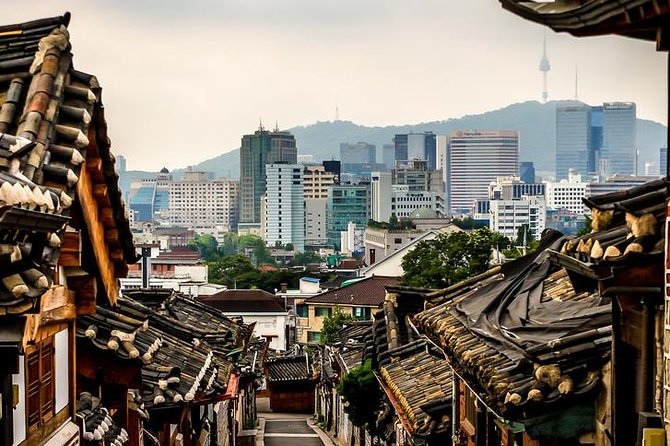
At the palace stop, the key detail is that you should assume you may need to buy museum admission yourself. The experience lists admission tickets as not included for the palace portion, even though it also lists an entrance fee as included for the overall tour.
That means you shouldn’t assume every single entry is covered. Instead, treat it as: the guide brings you to the right places, explains what matters, and then you decide on museum entry based on what you care about and what’s affordable for you that day.
My advice: pick one indoor option rather than trying to do everything. Palace areas can be visually overwhelming. If you go too hard on museums, you may lose the flow of the walk. On the other hand, if you only stay outdoors, you might miss the deeper context those museum spaces are designed to provide.
This is where having a patient guide matters. The tour’s tone in the feedback you shared is very question-friendly. If you’re unsure which ticket to buy, ask. A good guide will help you match your interests to the right choice.
Bukchon Hanok Village: Winding Lanes and Hanok-Style Streets
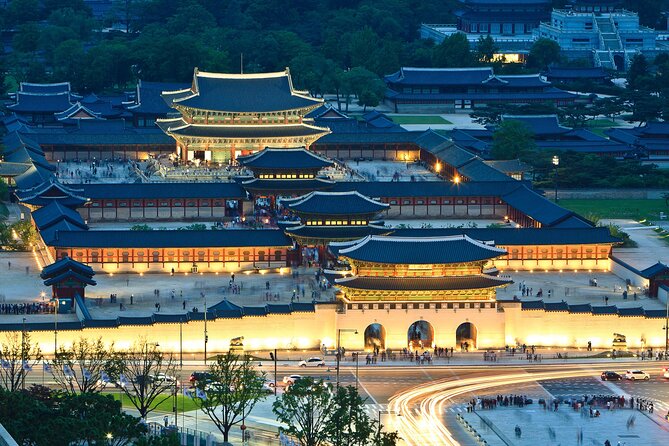
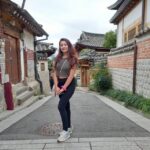
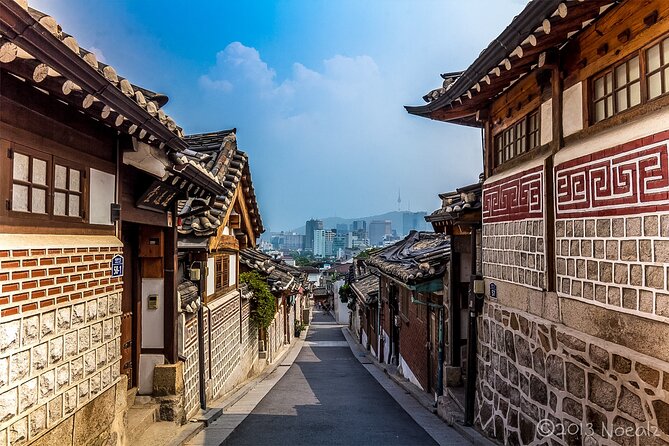
After the palace, you shift to Bukchon Hanok Village around 11:20 am. The emphasis here is on the streets—what you can see as you walk, and what it means when homes and shops are built in traditional hanok style.
You’ll get time in the village in two segments: a shorter arrival window and then a longer exploration stretch. The itinerary shows admission free for the village walk, which is great value. You’re paying for guidance and pacing, not for access fees.
Here’s why I like Bukchon as a part of this tour. It’s not a museum you pass through. It’s an active street neighborhood. Narrow lanes force you to slow down. You notice details you’d miss if you were rushing on your own—how the village layout works, how the buildings meet the street, and how shops fit into a historic setting.
One practical consideration: streets can get busy. This is a famous area, and there may be people around. The small group helps you keep your place and stay together without turning it into a bottleneck experience.


Insadong: Shopping Street Energy With a Straightforward Plan
Next you head to Insadong, arriving around 1:00 pm for the Insadong Street and lunch portion. Insadong is where Seoul feels hands-on: craft shops, traditional goods, and places to eat that are used to tourists and locals alike.
The tour is structured so you can browse without spending your whole day figuring things out. The shopping time is essentially free-form, but you’re not totally on your own—your guide helps set you up, then you move through the street at your pace.
Lunch is listed as own expense. That sounds like a drawback until you realize it gives you flexibility. You can choose what fits your tastes and budget, and you’re not trapped in a preselected meal.
And this is a detail worth calling out: the tour includes help with ordering and translation in Insadong. In the feedback you shared, that support came up as a standout benefit. When you’re staring at a menu you can’t read, translation help can be the difference between a stressful lunch and a smooth one.
Also, you end up with a guided farewell around 1:30 pm, with the tour departing from the Insa-dong Culture Street area. That means you can extend your day in the same neighborhood instead of traveling again immediately.
The Pace, Earphones, and Group Size That Make It Comfortable
This tour sounds like a lot on paper—palace grounds, palace-area context, Bukchon lanes, then Insadong shopping and lunch. But the length is reasonable: about 3 hours 20 minutes to 4 hours.
The pacing is built around small group flow, with breaks handled by timing rather than scheduled sit-down stops. If you like walking tours but hate feeling rushed, this one tends to fit. The earphones are a quiet advantage. They prevent the classic walking-tour problem where you keep turning your head to chase the guide’s voice.
The guide is also a key part of the experience’s value. In the feedback you shared, people specifically praised guides for patience and for answering history questions clearly. If you’re the type who keeps asking why this building looks like that, you’re in the right place.
Price and Value: Is $65 a Good Deal?
At $65 per person, you’re paying for three things: a local guide, personal audio earphones, and some entrance fees. But the details matter, because palace-area admission can be tricky. Your itinerary indicates that admission tickets for the palace portion aren’t included.
So here’s how I’d judge the value, realistically. You’re getting:
- guided learning across three major landmarks and neighborhoods
- a small group size (max 15), which keeps the experience focused
- audio support so you’re not guessing what the guide said
- some entrance costs potentially handled as part of the overall tour package
If you’re the kind of traveler who would otherwise spend time researching what to see and where, a guided route like this can actually save money and stress. You’re also getting practical help in Insadong for ordering lunch, which is worth real value if your Korean language skills are limited.
The only “watch this” part is ticket planning. If you decide to add museum entry, your final out-of-pocket cost could rise. Still, that’s not a dealbreaker. It just means you should budget a bit extra so you can choose what you want.
One more note: the tour is described as being booked about 24 days in advance on average. That suggests it’s popular enough that you shouldn’t wait until the last minute if your schedule is tight.
Who Should Book This (and Who Should Rethink It)
This is a smart pick for:
- first-timers who want a clear Seoul “old city” route
- travelers who like history explanations while walking
- people who want help with ordering during lunch in Insadong
- anyone who dislikes large group tours and prefers questions answered calmly
It may be less ideal if:
- you’re not comfortable with several hours of walking
- you want a completely unguided day with full control over museum choices
- you strongly prefer museum-heavy time and don’t want to make on-the-spot ticket decisions
If you’re traveling with kids, the tour requires children to be accompanied by an adult. Beyond that, the walking pace is listed as moderate, so it’s best to match your family’s stamina to the day’s plan.
Should You Book This Walking Tour?
I’d book it if you want your time in Seoul’s historic center to feel organized and meaningful, without turning the day into a checklist. The best reason is the combination: palace context + hanok streets + Insadong culture shopping, all guided by someone local and supported by earphones.
The other reason is practical support. Guides who help with ordering and keep the walk on pace make a difference in real life, not just in theory. If you’re hoping for an easy lunch in Insadong and a tour that answers your questions instead of shutting them down, this one fits that mood.
Book it if you like walking tours with a strong guide. Pass if you only want museum time or if you hate any chance of extra ticket costs. Either way, with $65 and a max 15-person group, you’re paying for guidance and flow, not just entry to a single site.
FAQ
How long is the tour?
It runs about 3 hours 20 minutes to 4 hours (approx.).
Where do I meet the guide?
Meet at Subway Line 3, Gyeongbokgung Station, Exit 5 at 9:30 am.
What stops are included?
You’ll visit Gyeongbokgung Palace, Bukchon Hanok Village, and Insadong (including time for Street & Lunch).
Is lunch included in the price?
Lunch is listed as not included. The guide can help with meal ordering, and you pay the bill yourself.
Are entrance fees included?
Entrance fee is listed as included, but the palace portion notes that admission tickets are not included. You may need to pay on-site for some museum entry.
How large is the group?
The tour has a maximum of 15 travelers.
Do I need a passport number?
Yes. One passport number from the group is required to confirm the booking.