REVIEW · SEOUL
Seoul: Namdaemun Market Food Tour
Book on GetYourGuide →Operated by Korea Guide Tour · Bookable on GetYourGuide
Namdaemun Market feeds you fast, and explains itself. I like the small-group pace and the way you get a real taste of Korean market life, not just a food photo stop. My other big win: the English live guide turns what looks like random stalls into clear food-and-culture context. The only drawback to consider is that this tour may not run if the group is too small.
In 150 minutes, you’ll walk key sections of Namdaemun and sample four specific street foods—then sit down for lunch with snacks plus coffee or tea. You’ll also get a look at Korean traditional crafts, which gives the market a human side beyond eating. If you’re visiting on a weekend or holiday, double-check confirmation details since reservations can’t be confirmed then.
In This Review
- Key Highlights You’ll Actually Feel
- Namdaemun Market Is Big, So Go With a Plan
- Meeting at Haehyeon Station: Easy Start, Good Timing
- The Four Tastings: What You’ll Try and What It Means
- Noodle Soup
- Dumplings
- Twisted Bread Stick
- Skewered Fish Cake
- Food Alley and Accessory Alley: Two Different Sides of Namdaemun
- Kalguksu Alley and Galchi Jorim: Food With Local Origin Stories
- Lunch, Snacks, and Coffee or Tea: Built-In Fuel for the Walk
- Traditional Crafts Viewing: Why It’s Not Just a Detour
- Guides Matter: The English Experience and the Market Confidence
- Price and Value: Why $71 Feels Reasonable Here
- Who Should Book This Tour, and Who Might Skip It
- Should You Book This Namdaemun Market Food Tour?
- FAQ
- How long is the Namdaemun Market food tour?
- Where is the meeting point?
- What food will I taste during the tour?
- What’s included in the price?
- Is there mandatory shopping or tipping?
- How big is the group?
- Can I get a full refund if my plans change?
- What if the tour doesn’t have enough people?
- Is travel insurance included?
Key Highlights You’ll Actually Feel
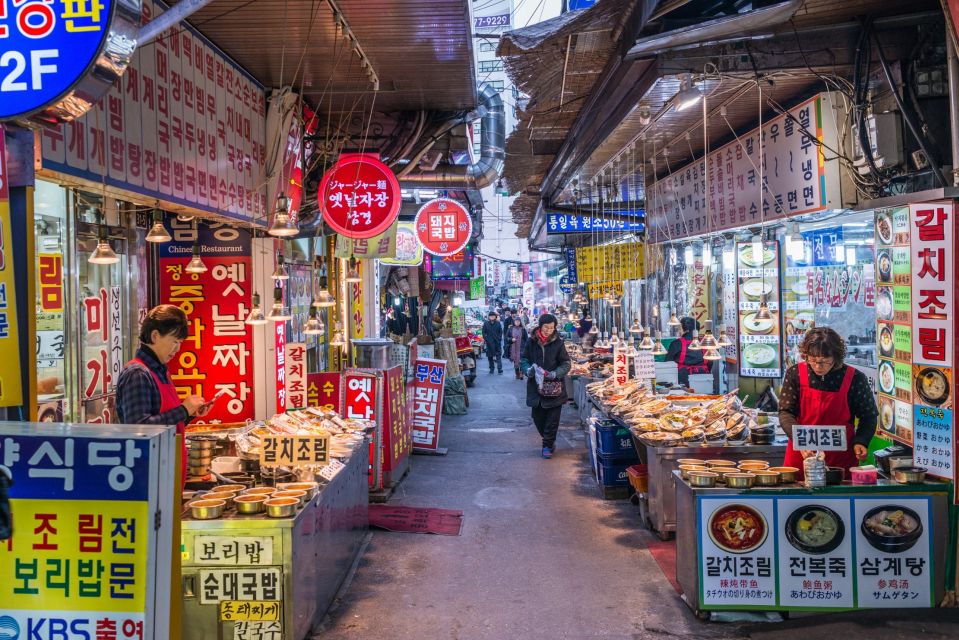
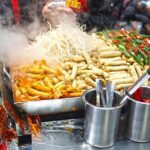
- Four street-food tastings with a mix of hot noodles, dumplings, bread, and skewered fish cake
- Food Alley + Accessory Alley so you see how the market is organized, not just where to eat
- Local Namdaemun market exploration focused on what matters inside the maze of stalls
- Korean traditional crafts viewing to connect food with culture
- Small group (up to 10) for less waiting and more interaction with your guide
Namdaemun Market Is Big, So Go With a Plan
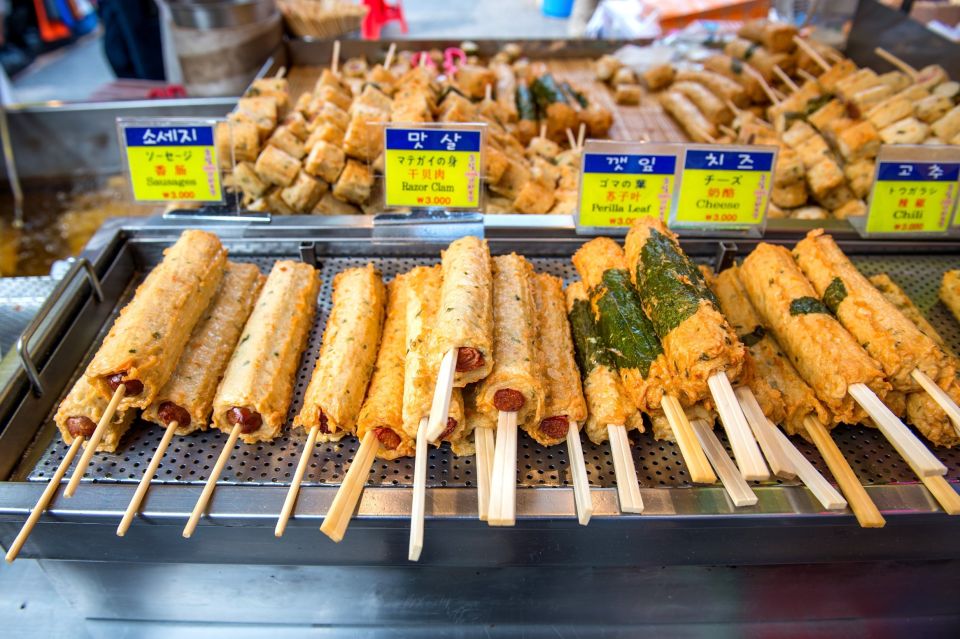
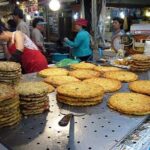
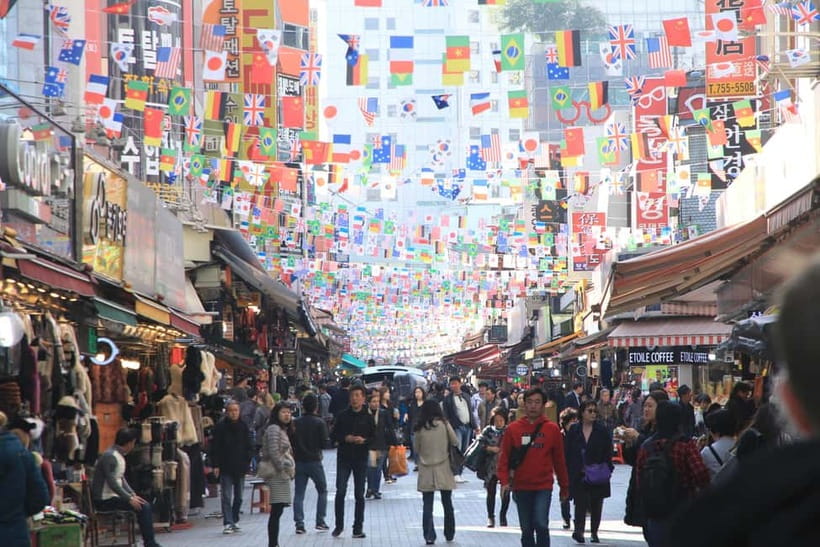
Namdaemun Market is Seoul’s largest traditional market, which is exactly why a guide helps. Left to your own devices, you can spend a lot of time walking in circles. With a structured route, you get pointed to the areas that make sense for food, and you learn what to order and why those foods are associated with the market.
What I like most is that the focus stays on street-food staples and the alley system. You’re not sent into a shopping sprint. Instead, you move through sections like Foodie Alley for classic Korean street foods and Kalguksu Alley for noodle-focused stops, where you can understand the appeal in the first place.
You can also read our reviews of more food & drink experiences in Seoul
Meeting at Haehyeon Station: Easy Start, Good Timing
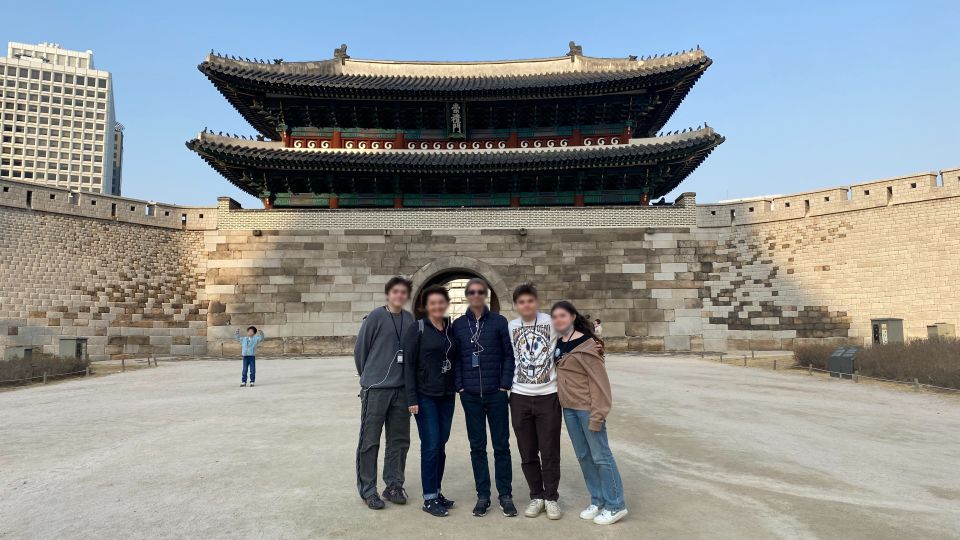
You meet at Exit 5 of Hoehyun St. Plan to arrive about 10 minutes before the start. That buffer matters in a market area where directions can get messy fast, especially when you’re trying to locate the group at a station entrance.
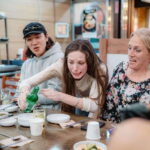
This is a small group tour capped at 10 participants, and it’s led by an English live guide. That combination is practical. In a larger group, you often end up watching other people eat. In a small group, your guide can slow down when you have questions, and you can adjust what you want to taste.
The tour also says there’s no mandatory shopping and no tipping required. That’s a big deal in a market like Namdaemun, where it’s easy to feel pressure just by walking past counters. Here, the route is built around eating and cultural stops.
The Four Tastings: What You’ll Try and What It Means
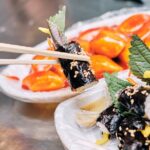
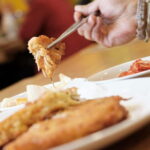
The tour’s food tastings aren’t random. They’re four items that cover different Korean street-food styles, so you get variety without needing a full day of wandering.
Noodle Soup
The tasting includes noodle soup. In Seoul markets, noodles often act like a quick comfort food and a warm reset from cold subway rides or humid days. The guide helps you connect the dish to the market’s noodle alley culture, where hand-cut noodles are a key theme.
Dumplings
Next up: dumplings. Dumplings in Korea are more than a snack; they’re a street-food answer to cravings that hit fast. Expect flavors that feel straightforward but satisfying, and use this stop to observe how stalls around you differ in seasoning and portion styles.
You can also read our reviews of more tours and experiences in Seoul
Twisted Bread Stick
You’ll also try a twisted bread stick. This is the kind of snack that’s easy to miss if you’re only focused on hot food. It adds a chewy, simple texture and a break from soup-and-steam meals, which matters because the route keeps moving.
Skewered Fish Cake
Finally, you’ll get skewered fish cake. It’s a classic market item for a reason: it’s portable, quick to eat, and usually served hot. This tasting slot also helps you understand why the market has specialized lanes rather than one single food strip.
And yes, the tour also highlights specialties tied to market alleys such as noodle-focused lanes and braised fish dishes. Even if your four tastings are the main set pieces, the context your guide gives makes the rest of Namdaemun easier to read as you walk.
Food Alley and Accessory Alley: Two Different Sides of Namdaemun
Namdaemun isn’t only about food. The route is built so you see how everyday life and commerce blend together.
Food Alley is where vendors focus on classic Korean staples and street-food favorites. You’ll walk through the parts that make sense for eating, and the guide explains what you’re seeing so it doesn’t feel like you’re just passing stalls.
Then there’s Accessory Alley, which changes the mood. Instead of only food smells, you’re surrounded by products—easy to browse, easy to compare, and usually interesting even if you’re not shopping. The key detail for me is the “no pressure” approach: you’re there to explore, not to buy.
Practical tip: if accessories catch your eye, ask your guide what’s worth looking for. The tour description signals that guidance is there to help you navigate and understand what you’re seeing, and that’s useful when you don’t speak Korean.
Kalguksu Alley and Galchi Jorim: Food With Local Origin Stories
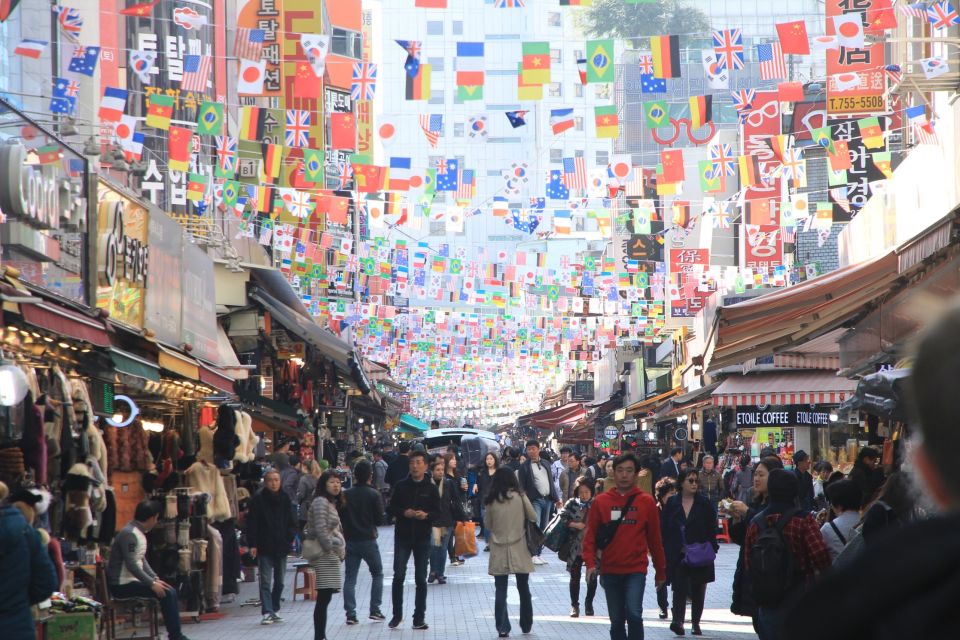
Two market themes come up repeatedly: hand-cut noodles and braised hairtail fish stew.
Kalguksu Alley is described as a lane where restaurants specialize in hand-cut noodles. That matters because the cut is part of the experience. Hand-cut noodles can change how broth clings, how chewy the bite feels, and why this type of noodle culture developed where it did. Even if you’re just tasting, your guide’s explanation helps you notice details instead of treating everything as interchangeable.
Then there’s Galchi Jorim, a road dedicated to braised hairtail fish stew. The key point is that this dish is said to have been invented at the market. That origin story gives the alley something more than a label on a street sign. It helps you understand why people come here for specific foods, not just for the “market vibe.”
If you’re someone who likes understanding how dishes became famous, these stops add weight. If you only care about eating quickly, you might move past the story bits without much impact. The tour tries to balance both.
Lunch, Snacks, and Coffee or Tea: Built-In Fuel for the Walk
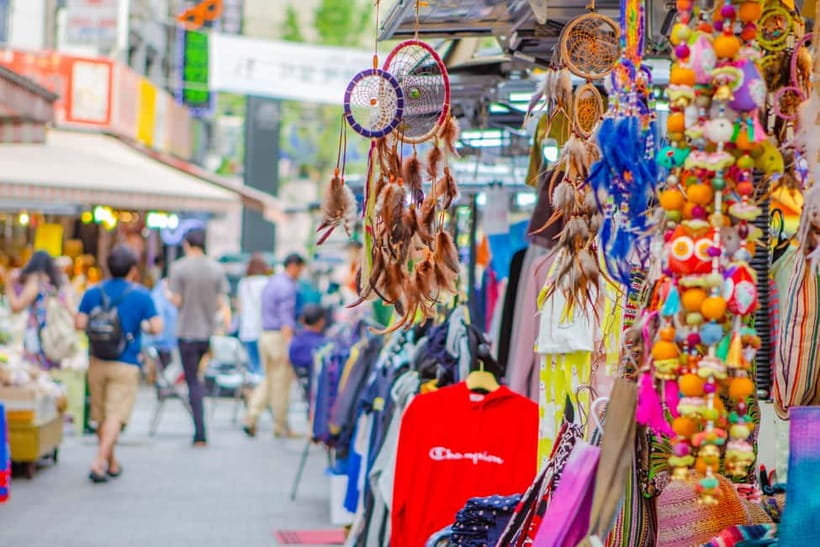
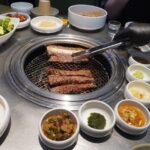
This tour includes lunch, plus snacks and coffee or tea. That’s a smart setup for a 150-minute market visit because it prevents the usual problem: you start snacking, then get hungry later, but everything is harder to find once you’re tired.
In practice, the included meal means you’re not forced to choose between “trying more street food” and “finding a real sit-down stop.” You get both. That pacing also makes the walking part feel easier. If you’re sensitive to hunger during travel (many people are), this inclusion is a real quality-of-life win.
I also like that the tour doesn’t frame coffee or tea as an afterthought. It’s included, which makes it easier to plan hydration and comfort in a busy market environment.
Traditional Crafts Viewing: Why It’s Not Just a Detour
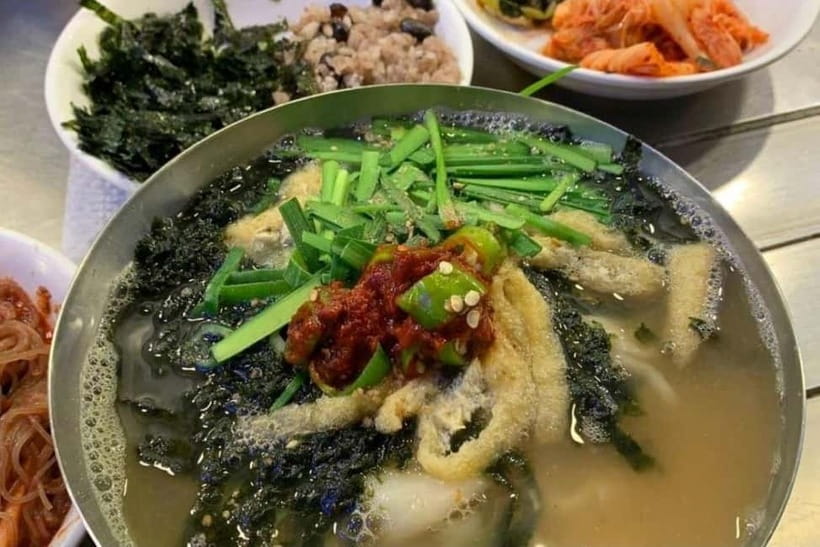
Not every food tour offers a culture stop that feels like more than a photo opportunity. Here, you’ll view Korean traditional crafts, and the market explanation helps connect that to everyday life.
When you’re in Namdaemun, it’s easy to treat everything like a store. Crafts viewing adds context: you can see that the market isn’t only about today’s bargains. It’s also part of how skills and aesthetics have lived in Korea for a long time.
What should you do during this part? Ask your guide simple questions like what the materials are used for or what makes the style traditional. Even if you don’t know the Korean terms, a good English guide can translate the logic behind the craft.
Guides Matter: The English Experience and the Market Confidence
The tour leans heavily on the guide experience. The names that show up often—Sheen, Joy, Sophie, Soojin, Alan, Sally—share a pattern: they help you understand what to look for, what to order, and how the market sections connect.
If you want a practical example of what that means for you: when you’re staring at options in a food lane, your guide can steer you toward the items that match the tour’s plan and your comfort level. Some guides also help guests navigate market purchases if you decide you want something, without making shopping the point.
I’d treat this as a “confidence boost” tour. Markets can be intimidating even when you like food. A clear route and good English interpretation helps you walk through Namdaemun without feeling lost.
Price and Value: Why $71 Feels Reasonable Here
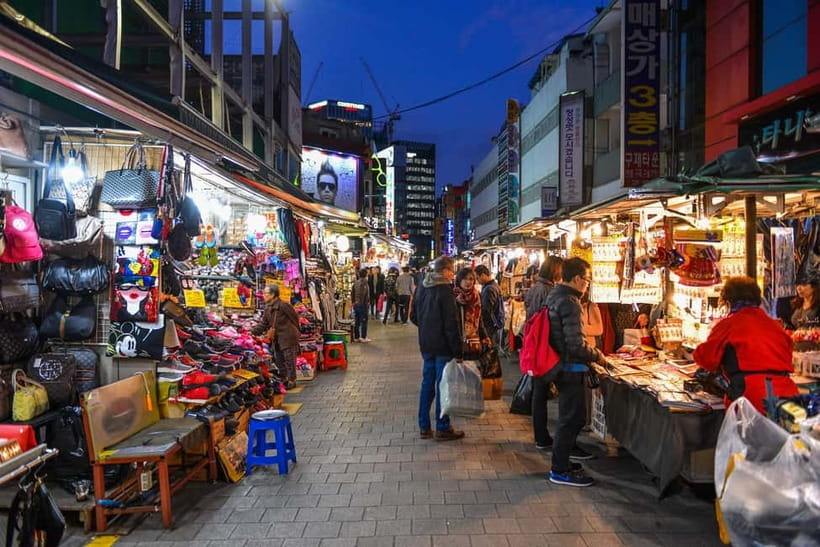
The price is $71 per person for 150 minutes. On its face, that’s not the cheapest lunch you’ll find. But it’s also not just a walk.
You’re paying for:
- a local English live guide
- lunch plus snacks
- coffee or tea
- four street-food tastings
- structured exploration through market sections like Food Alley and Accessory Alley
- a traditional crafts viewing stop
In other words, you’re not only buying food. You’re buying time saved (less wandering), food selection help (what to try), and context (what you’re seeing). For a first-time Namdaemun visit, that can easily be the difference between a “random market lunch” and a coherent Seoul experience.
Who Should Book This Tour, and Who Might Skip It
This works best if:
- you want to eat well in a market without spending your whole day decoding it
- you like Korean street food and want a focused tasting list
- you enjoy food plus culture context, including crafts
- you want an up-to-10 group so you can ask questions without shouting over crowds
You might consider skipping if:
- you hate walking (150 minutes is still a decent amount of steps in a market)
- you prefer totally self-guided travel with no structure at all
- you only want to sample one type of food and nothing else (this route is designed for variety: noodles, dumplings, bread, fish cake, plus lunch and snacks)
Should You Book This Namdaemun Market Food Tour?
If you’re going to Namdaemun anyway, this is one of the more sensible ways to do it. You’ll get the main food tastings, a guided tour through key alleys, and that crafts stop that gives the whole outing meaning. The included lunch and drinks also make it easier to stay comfortable.
My advice is simple: book it if you want a clear first visit. Skip it if you’re already confident navigating Namdaemun on your own and you’re perfectly happy ordering without explanations. Either way, arriving on time and coming hungry helps you get the most out of the tastings.
FAQ
How long is the Namdaemun Market food tour?
It lasts 150 minutes.
Where is the meeting point?
You meet at Exit 5 of Hoehyun St. Arrive about 10 minutes early.
What food will I taste during the tour?
The tour includes tasting of four types of street food: noodle soup, dumplings, twisted bread stick, and skewered fish cake.
What’s included in the price?
The tour includes a local tour guide (English), lunch, snacks, and coffee or tea.
Is there mandatory shopping or tipping?
There is no mandatory shopping, and tipping is not required.
How big is the group?
It’s a small group limited to 10 participants.
Can I get a full refund if my plans change?
You can cancel up to 24 hours in advance for a full refund, with free cancellation available.
What if the tour doesn’t have enough people?
If there are under 4 participants, the tour will be canceled, and you’ll receive a notice via WhatsApp.
Is travel insurance included?
No. Traveler’s insurance is not included.