REVIEW · SEOUL
Seoul Food Tours, Eat Like a Local : 100% Personalized & Private
Book on Viator →Operated by City Unscripted · Bookable on Viator
Food tours are best when they stop guessing.
This one is private and personalized, so you’re not stuck with a rigid checklist of tourist bites. I like the clear structure: you’ll sample 6–8 Korean specialties plus 2 soft drinks, and the stops are chosen to help you eat like you actually live in Seoul. The possible downside: at around 3 hours and a set number of tastings, it’s more about variety than a full feast, and you’ll do a fair amount of walking.
If this is your first serious foray into Korean food, I also love that the tour steers you toward neighborhood favorites and classic local formats like sikdang (small eateries) and street-food culture, not just the loud, obvious places. The route can shift based on your tastes, and your guide can work with you if you prefer public transport or a taxi for part of the day.
In This Review
- Key things I’d circle before booking
- How the private food crawl works in Seoul (and why it matters)
- A note on what “half-day” really means
- Start at Starbucks Anguk, then aim for the local layers
- Why this meeting point works
- Sikdang and Korean BBQ: your first taste of Seoul’s everyday dining
- What to watch for
- Ikseondong and hanok cafés: the scenic break that still stays food-focused
- The practical takeaway
- Yago Mandoo and mandu: dumplings as a Seoul skill test
- Why I like this structure
- Gwangjang Market and street food culture: the moment you’ll remember
- A tip for this kind of market stop
- The dessert and tea option: where the tour softens into Seoul calm
- Price and value: $221.45 per person for a private 3-hour plan
- Guides that shape the day: Andrew, Ben, and the “cheerful professor” vibe
- Who this tour suits best (and who should pick something else)
- Quick practical advice before you go
- Should you book Seoul Food Tours: Eat Like a Local?
- FAQ
- How long is the Seoul Food Tours private food-tasting experience?
- How many food specialties are included?
- Is this tour private or shared?
- Where does the tour start and end?
- Are hotel pickups available?
- What kind of transportation is used?
- What kinds of places are included in the tour?
- How far in advance should I book?
Key things I’d circle before booking
- Personal route, not a fixed script based on what you like to eat
- 6–8 tastings + 2 soft drinks per person, so you know what you’re paying for
- Local formats like sikdang and market street food, not just sit-down restaurants
- Neighborhood mix from Ikseondong hanok-café streets to Gwangjang Market
- Dumplings and BBQ options (Yago Mandoo for mandu; Korean BBQ via a sikdang stop)
- Central meet point at Starbucks Anguk, then you end right where you started
How the private food crawl works in Seoul (and why it matters)
Think of this tour as a working plan for your stomach. You get a host for about 3 hours, and that host builds a route around what you like, not what’s easiest for a group to herd. That one change is the difference between eating “Korean food” and eating Seoul-style food you can actually recognize later.
The tour is private, meaning it’s just your group. That matters because small choices become possible: if you’re curious about dumplings but not as interested in one style of stew, the route can flex. It also helps with pacing. Seoul foot traffic can be intense, so having a guide who can slow down, step aside, or reroute makes your day feel calmer.
The other practical win: the experience is designed around specific tastings (6–8 specialties and 2 soft drinks). You’re not stuck wondering whether you’ll get real food or mostly “snacks that are mostly symbolic.” The tastings are the product here.
You can also read our reviews of more food & drink experiences in Seoul
A note on what “half-day” really means
Three hours sounds short, and it is. But in Seoul, short can still feel like a lot because walking is part of the plan. You should go in hungry, but also expect portions that add up over several stops rather than one huge meal. If you prefer long sit-down dining, you may find the structure a bit snacky.
Start at Starbucks Anguk, then aim for the local layers
Your tour begins at Starbucks Anguk (5-1 Bukchon-ro, Jongno District) and ends back at the meeting point. That setup is more convenient than people expect. It means you can plan the rest of your day around a predictable start and finish, and you don’t need to worry about getting across the city after dinner.
From there, your host leads you through food areas that connect to Seoul’s daily rhythms. The itinerary may vary, but the overall recipe is consistent: a neighborhood stroll, an iconic market stop, and a couple of “how locals actually eat” moments.
Why this meeting point works
Bukchon-ro / Anguk-area access is useful because it puts you close to older Seoul neighborhoods and easy-to-navigate lanes. Even if you later decide to explore on your own, you’ll likely feel more oriented after walking through the same corridors your guide uses.
Sikdang and Korean BBQ: your first taste of Seoul’s everyday dining
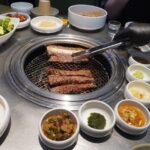
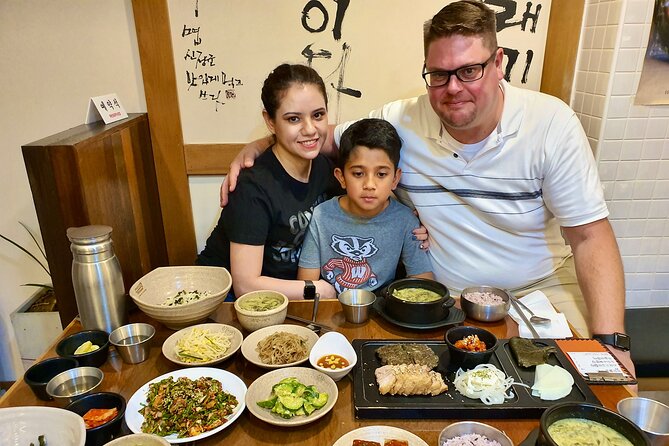
One of the tour’s first ideas is to get you into sikdang territory—small local eateries where people go for comfort, not performance. The example route includes a Korean BBQ stop at Pumpkin Korean BBQ, which signals the intent: you’re not just eating an item, you’re learning the setting.
Why that’s valuable: sikdang meals are usually built for regular life. You’ll notice familiar flavors, simple ordering patterns, and how the food fits the neighborhood. Even if you can’t read every menu item, a host can guide you to what to try and what it’s supposed to taste like.
You can also read our reviews of more tours and experiences in Seoul
What to watch for
If you’re the type who wants only famous “name-brand” restaurants, sikdang may feel humble. But that’s exactly the point of this style of tour. You’re training your palate to recognize what locals actually return to.
Ikseondong and hanok cafés: the scenic break that still stays food-focused
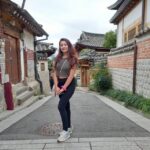
After that first bite, the route often moves toward Ikseondong, known for its hanok-style café street. This part can feel like sightseeing, but it’s still connected to eating and local atmosphere.
Here’s what I think works for most people: you get a change of pace. Markets and tight street-food alleys can be energetic; hanok cafés give your brain a breather while you focus on drinks and dessert-style moments. And since the tour is personalized, your host can steer this segment toward what you actually want—sweet stops, tea, or a calmer pause before the market push.
The practical takeaway
Ikseondong is a good place to slow down. If you get tired easily, ask your guide to keep this segment comfortable. The tour can adapt, and your guide can also suggest public transport or taxi options if you want to reduce walking strain.
Yago Mandoo and mandu: dumplings as a Seoul skill test
The route includes Yago Mandoo for mandu (dumplings). Dumplings are a smart choice for a tour because they’re portable, fast, and deeply regional in how they’re made and served. You’re not just tasting; you’re learning how one ingredient pattern (dumplings) can show up in different textures and seasonings.
The broader menu goals also include warm Korean comfort foods like noodle soup and garlic chicken stew, depending on your route. That’s important because it balances the tour: crisp street bites plus something warm and saucy rounds out the experience.
Why I like this structure
Korean food can range from street snacks to hearty bowls. By splitting those modes across stops, you’re less likely to feel like you’re eating the same flavor family repeatedly. Your body also appreciates the contrast.
Gwangjang Market and street food culture: the moment you’ll remember
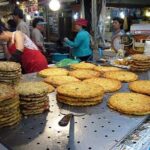
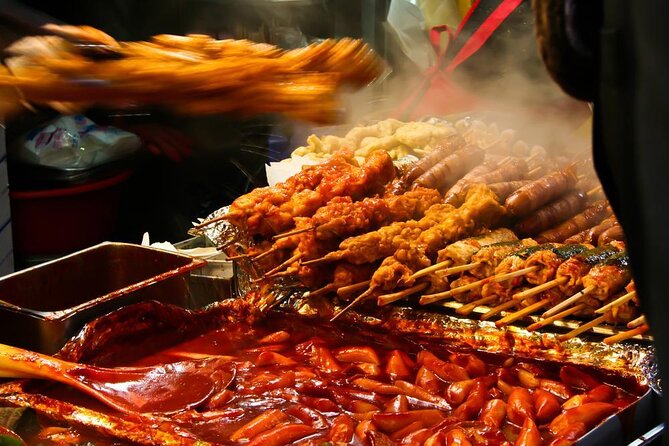
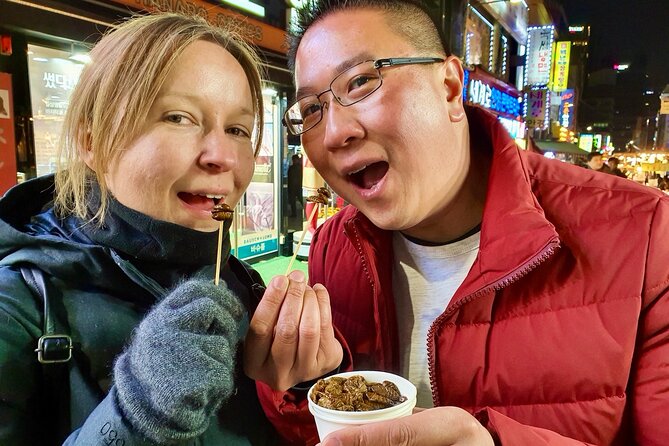
The tour’s street-food segment often heads to Gwangjang Market, where you’ll walk through local food culture and pick up classic items. The tour highlights the idea that it would be rude not to grab something like a rice cake or pancake along the way.
This is one of the best moments in a food tour because markets show you how people actually move: small purchases, frequent tasting, and quick decision-making. With a guide, you can avoid the guesswork and focus on what you want to try next, instead of trying to decode everything alone.
A tip for this kind of market stop
Don’t treat market eating like a single meal. Think of it as sampling. Let your guide order or point you toward items that match the rest of your plan so you don’t end up overloading on one category (like too many sweets or too many fried bites).
The dessert and tea option: where the tour softens into Seoul calm
At least some routes end with a small tea-house-style dessert moment, which fits the theme of hanok cafés earlier in the day. One route experience also included medicinal tea, which adds a cultural layer without turning the tour into a lecture.
Even if your specific menu differs, the idea matters: you’re finishing with something that feels distinctly Korean and not just another sweet souvenir. Tea in Korea can be a practical ending to a warm-and-spicy food run, and it’s also an easy way to slow your appetite down.
Price and value: $221.45 per person for a private 3-hour plan
At $221.45 per person, this is not a budget tour. So you should judge it on what you actually get:
- A private, personalized host (not a group guide reading script lines)
- About 3 hours of guided time
- 6–8 Korean specialties and 2 soft drinks included
- A plan built to avoid common tourist traps
- Flexibility for walking vs public transport/taxi options
- An optional central hotel meet-up (when requested)
If you compare this to the cost of doing several paid meals plus the time cost of figuring out where to go, the “value math” can work—especially if you’re a newcomer to Seoul who wants to get your bearings fast, or if you want a food experience that doesn’t feel like a scavenger hunt.
The consideration is simple: if you’re okay exploring on your own and you already know the neighborhoods you want, you may find cheaper ways to eat well. But if you want the guide to choose, translate, and pace the whole day, the price starts to look more reasonable.
Guides that shape the day: Andrew, Ben, and the “cheerful professor” vibe
The reviews attached to this experience strongly focus on the guides. Names like Andrew and Ben show up in standout feedback, and the common thread is clear: guides combine food choices with helpful context.
One guide example is described as knowledgeable and cheerful, with historic insights mixed into the route. Another guide example focused on helping the group try specific dishes they requested, while still keeping the stops in more traditional neighborhoods away from the loudest tourist corridors.
That matters because food tours aren’t only about eating. They’re also about learning how to order, where to stand, and what to look for so you can repeat the wins later.
Who this tour suits best (and who should pick something else)
This tour is ideal if you want:
- A first food tour in Seoul and a strong foundation for eating afterward
- A private plan that can adjust to your tastes
- A mix of neighborhood walking, market street food, and hanok-area café culture
- Enough included food to make the experience feel complete (6–8 specialties)
It might not be the best fit if you:
- Expect a long, sit-down dining experience with minimal walking
- Want unlimited food beyond the tasting count
- Are traveling with strict dietary needs that you haven’t discussed with the host during booking (the route is personalized, but the number of tastings is still capped)
Quick practical advice before you go
- Come hungry but not frantic. The tour is timed at about 3 hours, and you’ll eat across stops.
- Use the personalization option. If you have 1–2 foods you really want (dumplings, BBQ, noodles, stew), tell your host early.
- Wear shoes you can walk in for a half-day. The tour includes a walking experience, with transport/taxi options offered if needed.
- Try to be flexible on exact restaurants. Some stops can change while keeping the overall food goals intact.
Should you book Seoul Food Tours: Eat Like a Local?
I’d book this if you like your travel food to come with direction—especially in a city where great options are everywhere but sorting out the “worth your time” places takes real effort. The private format, the included tastings, and the mix of sikdang, Ikseondong hanok cafés, Yago Mandoo mandu, and Gwangjang Market street food create a strong, varied half-day.
I’d skip it (or at least compare alternatives) if you’re chasing the cheapest meal route or you hate walking. At this price, you’ll want to feel confident that you’ll use the guide for both food choices and pacing.
FAQ
How long is the Seoul Food Tours private food-tasting experience?
It’s about 3 hours.
How many food specialties are included?
You’ll taste between 6 and 8 Korean specialties, plus 2 soft drinks per person.
Is this tour private or shared?
It’s private and personalized. Only your group participates.
Where does the tour start and end?
It starts at Starbucks Anguk (5-1 Bukchon-ro, Jongno District, Seoul) and ends back at the meeting point.
Are hotel pickups available?
Hotel meet-up is available on request for central locations.
What kind of transportation is used?
The experience includes walking. Your host can suggest public transport or private taxis if required.
What kinds of places are included in the tour?
The route may include sikdang-style local eateries, Ikseondong hanok cafés, Yago Mandoo for mandu, and street-food culture at Gwangjang Market.
How far in advance should I book?
On average, this is booked about 35 days in advance.