REVIEW · SEOUL
DMZ 2nd Tunnel and Cheorwon Peace Observatory with Admission
Book on Viator →Operated by Korea Season Tour · Bookable on Viator
The DMZ is closer than you think. This private day trip links DMZ registration with a real look inside the 2nd Tunnel, plus views from the Cheorwon Peace Observatory and a Korean War relic at Woljeongri Station. You get a clear, guided path through places that feel frozen in time.
I like two things a lot. First, you don’t do the usual awkward switch into a group bus; you follow a lead vehicle in single file and enter with your own vehicle. Second, the 2nd Tunnel visit is tightly framed: you can go into the tunnel up to the ending point about 300 meters from the military demarcation line, with the story of how it was discovered and why it mattered.
One consideration: you should plan for a long day, about 8 hours, with lunch not included (15,000 KRW per person). If you’re someone who gets tired easily in cool, low-light places, the monorail helps at the observatory, but the overall schedule is still a full one.
In This Review
- Key highlights you’ll feel fast
- Entering the DMZ the low-drama way: single-file vehicles and registration
- Cheorwon Peace Center registration: the step that sets the tone
- 2nd Tunnel: why the story starts with soldiers’ ears (not maps)
- Cheorwon Peace Observatory: monorail views plus specific wartime references
- Woljeongri Station: the train wreck that makes history tangible
- Price and value: what $245.29 covers (and why it can be fair)
- Comfort, timing, and what to plan for during the 8 hours
- Guides and the “no wasted moments” approach
- Who this DMZ day trip suits best (and who might reconsider)
- Should you book the DMZ 2nd Tunnel and Cheorwon tour?
- FAQ
- How long is the DMZ 2nd Tunnel and Cheorwon tour?
- Is pickup offered?
- Do I need to transfer into a group bus at the DMZ?
- How far can you go inside the 2nd Tunnel?
- What’s included with admission?
- Is lunch included in the price?
- What’s the cancellation policy for a full refund?
Key highlights you’ll feel fast
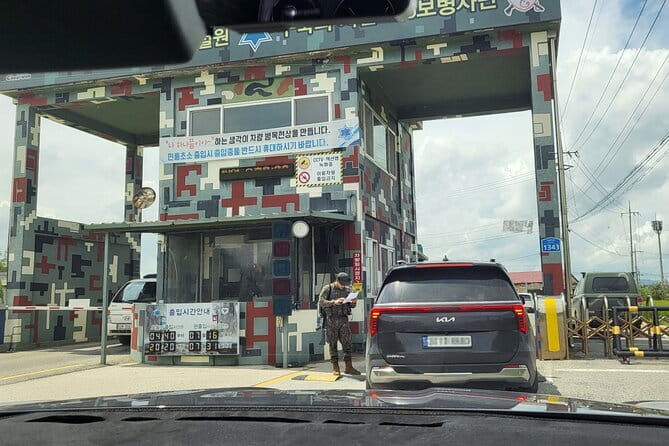
- No bus switch at the DMZ: you register and move in with your own vehicle in a single-file setup
- A tunnel visit with a hard boundary: you explore to about 300 meters from the demarcation line
- Cheorwon Peace Observatory by monorail: you save energy while still getting the big views
- Specific war references, not vague talking points: like Battle of blood ridge casualty numbers
- A grounded last stop: Woljeongri Station’s train wreck connects the tunnel story to the war itself
Entering the DMZ the low-drama way: single-file vehicles and registration
Most DMZ tours feel like a logistical puzzle. This one keeps it more straightforward. You register ahead of time, then you enter the civilian-controlled area by following a lead vehicle, in single file, instead of needing to transfer into a different bus with other groups.
That matters because it changes the vibe. When you’re not dealing with constant regrouping, you can focus on what the guide is saying—and on what you’re seeing. At the DMZ, the details hit harder when the day stays calm and organized.
You can also read our reviews of more tours and experiences in Seoul.
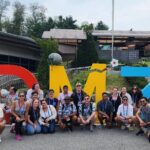
Cheorwon Peace Center registration: the step that sets the tone
Before you head into the DMZ area, you stop at the DMZ Cheorwon Peace Center (often referred to alongside the crane peace center concept). Your job at this stage is simple but important: you provide the vehicle license number and the visitors’ names so they can register you before entry.
It sounds administrative. It isn’t. That registration step is your first reminder that this isn’t a casual sightseeing loop. You’re entering a tightly controlled zone, and the process reflects that reality.
Practical tip: double-check the names and vehicle license info you use during booking/registration. If anything is off, it’s the kind of hiccup you do not want on a day where entry depends on paperwork.
2nd Tunnel: why the story starts with soldiers’ ears (not maps)
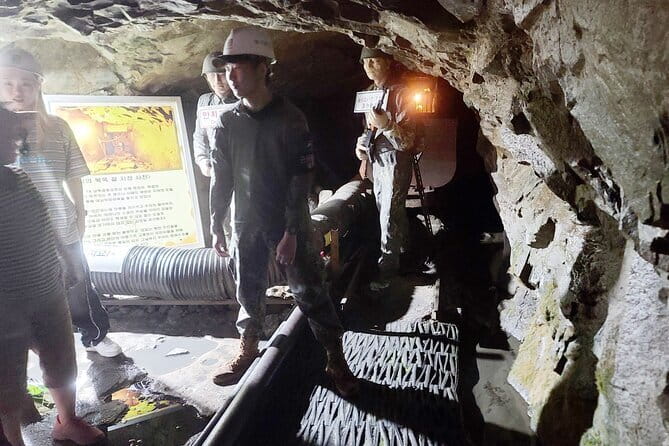
Then comes the main event: the 2nd Tunnel. It was discovered on March 24, 1975, and the background is a big part of what makes the visit click. Excavation began after two soldiers reported hearing explosions during their sentry duty back on November 20, 1973. In other words, the tunnel wasn’t found because someone noticed it from afar. It was found because people on the ground detected something wrong.
From there, the guide ties the physical tunnel facts to the tension of the Cold War era. The 2nd Tunnel is described as twice longer and deeper than the 3rd Tunnel, which helps you understand why this wasn’t just a small breach plan. It was built with serious intent and investment.
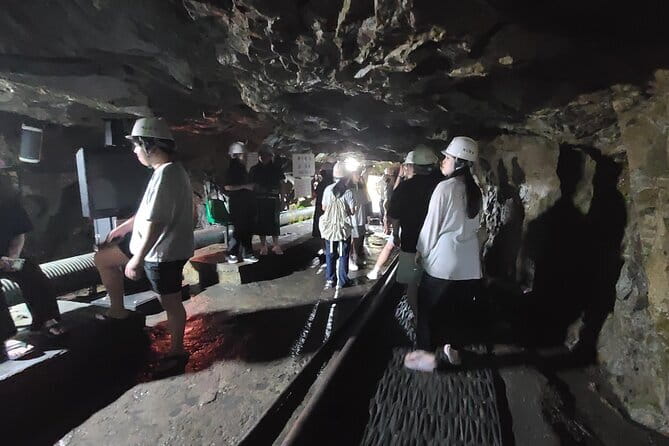
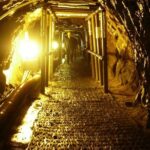
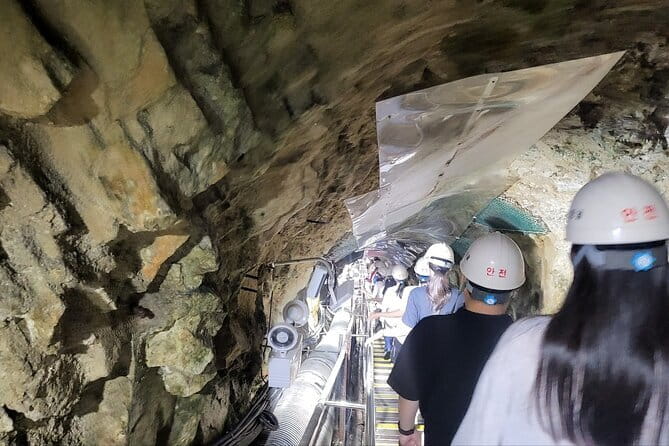
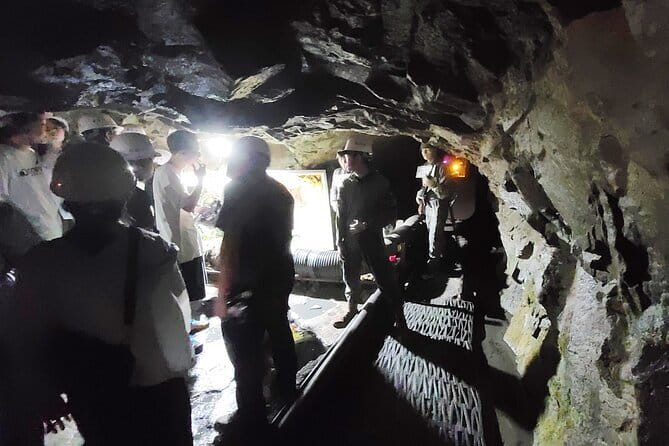
What you’ll be able to experience is also clearly defined. You can explore inside the tunnel up to the ending point about 300 meters from the military demarcation line. You’re not just walking through a historical corridor; you’re walking through a limited portion of a restricted, engineered space. That hard cutoff adds weight to the whole thing.
A note on how it feels: being underground changes your sense of time. Sound carries differently, and the lighting (plus the tunnel’s confined nature) makes the explanations land better than they would on a bright overlook. If you’re claustrophobic, this might not be your favorite segment, but the route is controlled and guided.
Cheorwon Peace Observatory: monorail views plus specific wartime references
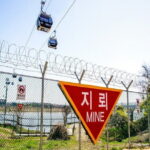
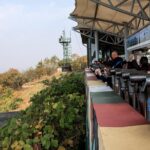
After the tunnel, the Cheorwon Peace Observatory gives your brain a chance to breathe—then hits you again with perspective from above. Here, you can take the monorail up to the top of the mountain, which is a genuine comfort upgrade. It’s built for people who don’t want to spend the day climbing while also getting the historical and ecological context.
From the top, you’re set up to observe both the environment and the DMZ story written into the land. The observatory points you toward the ecosystem, including migratory birds and cranes—one reason this part of the DMZ is described as wonderfully preserved. The idea is simple but powerful: an area left untouched for more than 70 years becomes a kind of accidental refuge for wildlife, even while humans remain separated by conflict.
You also get a tour of how the area connects to major war moments and propaganda-era thinking. The guide covers the Battle of blood ridge, noting casualty numbers—1,250 North Korean soldiers and 1,030 South Korean soldiers. It’s one of those facts that sticks because it turns an abstract “battle” into people and losses.
You’ll also hear about Kim Ilsung’s highland reaction after losing Cheorwon land—he cried for three days, according to the tour’s historical framing. The observatory also brings in locations like the fortress of Gung-Ye Castle town, Pyeonggang tableland, and the propaganda town of North Korea visible within the DMZ context.
Is it intense? Yes. But it’s also practical for your understanding. Seeing the shapes of the land helps you grasp why war plans focused on specific ridges and vantage points. And it’s easier to connect the dots between underground strategy (the tunnel) and above-ground observation (the observatory).
Woljeongri Station: the train wreck that makes history tangible

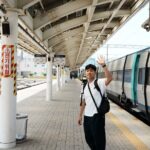
The final stop is Woljeongri Station, where history stops being a lecture and starts being a physical reminder. Behind the station building, there’s a wreck of a train that was bombed during the Korean War. The train was used by the North Korean army, and it was bombed by UN forces.
That’s a brutal detail, but it fits the day perfectly. The 2nd Tunnel asks you to imagine covert movement and fear of intrusion. Woljeongri Station shows you the aftermath—what conflict looks like when it turns equipment and plans into wreckage.
I like ending here because the story becomes concrete. Even if you remember every date and number, the image of a war-damaged rail wreck gives your memory a handle. It’s the kind of closing stop that makes the day feel complete.

Price and value: what $245.29 covers (and why it can be fair)
At $245.29 per person for an about 8-hour private experience, the price can look steep at first glance. But you should judge it by what’s actually included, especially for the DMZ where access isn’t casual.
Included features you’re paying for:
- Air-conditioned vehicle and private transportation
- Bottled water
- DMZ admission fee
- Cheorwon observatory monorail ticket (round trip)
Add in the structure of the day: no bus swap at the DMZ and a single group in your vehicle setup, which can mean less wasted time shuffling and waiting around.
Where costs show up outside the package:
- Lunch isn’t included, at 15,000 KRW per person
To me, the value logic is this: DMZ access plus observatory transport and admission can eat up money fast, and those are non-trivial costs. If you’re traveling as a group and want a smoother, more controlled route than large bus-style tours, this price often makes sense. It’s not a bargain deal. It is, however, a coherent day plan built around access.
Comfort, timing, and what to plan for during the 8 hours

This is an all-day outing at about 8 hours. That’s exactly enough time to see the key DMZ sites without turning the day into a marathon of constant stops.
Comfort basics that matter:
- The vehicle is air-conditioned, which helps when weather shifts.
- You’ll have bottled water.
- The observatory monorail lets you conserve energy on the uphill segment.
The one gap you need to handle yourself is lunch. Since it’s 15,000 KRW per person, you should plan to budget that on top of the tour price rather than hoping something is covered.
Also, expect the day to feel serious. Even when you’re smiling at a wildlife view, you’ll be surrounded by reminders of division and loss. If you bring that mindset, the experience lands in a healthier way.
Guides and the “no wasted moments” approach
The tour’s standout ingredient is the way it’s taught. In feedback from past groups, guides such as Jun and Moon are credited with sharing clear history and conveying the heartache and suffering connected to reunification hopes. Other groups specifically highlight Wendy as personable and effective, with a sense that no time is wasted at the DMZ.
You can use that as a decision filter. If you care about more than check-the-box sights—and you want the background tied directly to what you’re seeing—this format is set up for that. The DMZ is the kind of place where random facts float away fast. A strong guide helps them stick.
Who this DMZ day trip suits best (and who might reconsider)
I think this tour fits best if you:
- Want a guided, emotionally grounded DMZ experience
- Prefer private group pacing over constant mixing with strangers
- Enjoy history that connects dates and places to real geography
- Don’t want to handle the observatory climb by foot thanks to the monorail
It might be less ideal if you:
- Are very sensitive to underground spaces (the tunnel is a confined visit)
- Want a shorter trip or a more relaxed pace with longer downtime between stops
- Need lunch included in the price rather than planning 15,000 KRW
If you’re traveling with teens or curious kids, the tour’s educational focus can work well. It’s built around lessons that many South Korean students visit DMZ to learn—especially the way the story is tied to specific locations.
Should you book the DMZ 2nd Tunnel and Cheorwon tour?
If you’re deciding whether to spend money on DMZ access, I’d lean yes for this one—especially if you care about getting it right logistically and learning from a guide who connects the dots.
Book it if you want:
- The practical advantage of entering without a bus switch
- A tunnel experience with a clear, meaningful boundary at about 300 meters from the demarcation line
- Observatory time where the monorail reduces effort and the views support the history
- A final stop at Woljeongri Station that makes the war feel real
Skip it if your top priority is comfort above all else, or if you know tunnel spaces are a no-go for you. Otherwise, this is the kind of DMZ day that feels structured, educational, and emotionally honest without turning into chaos.
FAQ
How long is the DMZ 2nd Tunnel and Cheorwon tour?
It runs about 8 hours.
Is pickup offered?
Yes, pickup is offered.
Do I need to transfer into a group bus at the DMZ?
No. You register and then enter with your own vehicle, following a lead vehicle in single file.
How far can you go inside the 2nd Tunnel?
You can explore inside up to about 300 meters away from the military demarcation line.
What’s included with admission?
DMZ admission is included, and the monorail ticket for round trip at the Cheorwon Peace Observatory is also included. Bottled water and an air-conditioned vehicle are included too.
Is lunch included in the price?
No. Lunch is not included, and it costs 15,000 KRW per person.
What’s the cancellation policy for a full refund?
You can cancel up to 24 hours in advance for a full refund.
If you want, tell me your group size and travel month, and I’ll suggest a simple day-planning checklist for comfort and timing.