REVIEW · SEOUL
Small Group DMZ Tour from Seoul Korea with North Korean Defector
Book on Viator →Operated by Sunny Seoul Korea Tour · Bookable on Viator
Red Suspension Bridge day starts before sunrise. This is a DMZ trip built around North–South perspective and a human guide story, with the option to meet a North Korean defector for added context.
I really like two things about how this day is run. First, you get an intimate small-group feel with time to ask questions and talk through what you’re seeing, not just snap photos and move on. Second, it’s handled with air-conditioned transport plus admission tickets that are included, so you spend the money on the experience—not on logistics.
One possible drawback to keep in mind: the defector portion is option-based, and English/translation quality can affect how much you get out of that specific stop. Also, you’ll want to plan for an early start and bring your passport the day of travel.
In This Review
- Key highlights worth planning for
- Before You Go: Early pickup and what $65 really buys
- Imjingak Pyeonghwa Nuri Park: the peace-site that sets the tone
- North Korea Experience Hall: seeing the division through daily-life storytelling
- Entering the DMZ: the MDL, views, and what you can control
- The Third Tunnel: walking through a plan, not a rumor
- Dora Observatory: a viewpoint with real-world limits
- Red Suspension Bridge and Gamaksan options: choose your thrill level
- The defector option: what it adds, and how to protect your experience
- Price and Logistics: why this day works at $65
- Who this DMZ tour from Seoul fits best
- Should you book this DMZ tour? My call
- FAQ
- What time does the tour start?
- How long is the DMZ tour?
- Is pickup included?
- Do I need a passport?
- Is lunch included?
- How many people are on the tour?
- Is meeting a North Korean defector included?
- Are any parts of the itinerary optional?
Key highlights worth planning for
- Former North Korean elite guide perspective: a different lens on division and relations
- Small-group pace: more chances to ask questions than big-bus tours
- Included admission tickets at each core site
- The Third Tunnel stop: history you can literally walk through
- Dora Observatory: viewpoints timed for a rare sighting of North Korea when conditions allow
- Optional bridges: Red Suspension Bridge in the main offering, plus Gamaksan if you choose it
Before You Go: Early pickup and what $65 really buys
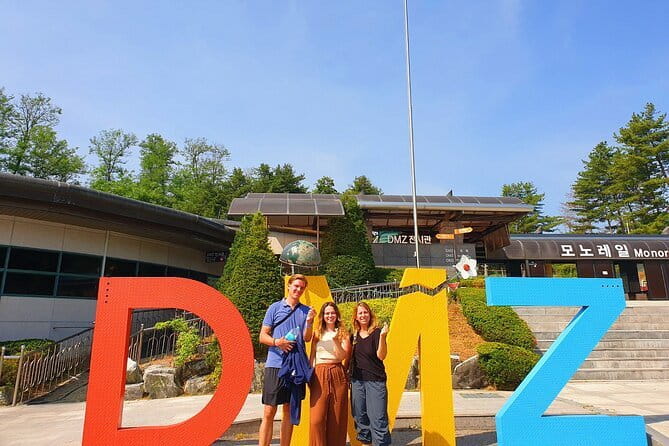
The day starts at 6:40 am and runs about 7 to 8 hours, with pickup offered but no hotel drop-off. You’re covering several stops, so “tour day” means full focus from morning onward.
Pricing is $65 per person, and what makes it feel like value is that it’s not just a bus ride. The tour includes an English-speaking licensed professional guide, air-conditioned transportation, photo opportunities, all fees and taxes, and admission tickets for the listed stops.
One more planning detail that matters: it’s capped at a maximum of 45 travelers. That cap helps, but it’s still not a private experience. If you prefer a very quiet, slow pace, you may feel more crowded than on ultra-small tours.
You can also read our reviews of more tours and experiences in Seoul.
Imjingak Pyeonghwa Nuri Park: the peace-site that sets the tone
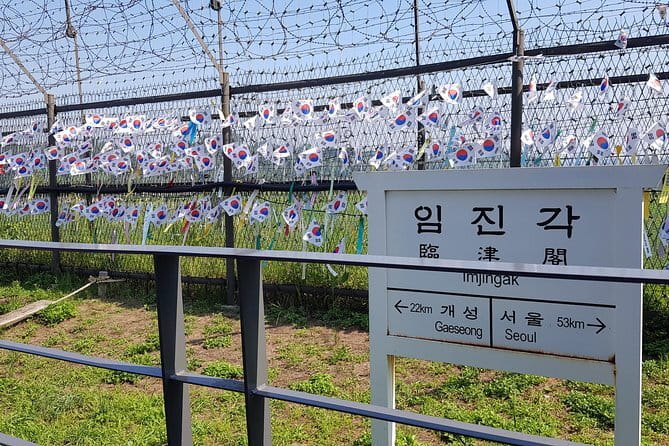
Your first stop is Imjingak Pyeonghwa Nuri Park, located in Paju. This is one of those places where the setting does part of the teaching—peace symbolism, division memories, and the emotional weight of what’s nearby.
The practical advantage here is timing. Getting perspective early helps you later when you reach the DMZ sites and the exhibits. You’ll be better able to connect the dots between what a line on a map means in real life.
The only consideration: since you’re starting early and moving fast, this is a stop to use efficiently. If you tend to need long breaks to fully settle, consider that your next moves come soon after.
North Korea Experience Hall: seeing the division through daily-life storytelling
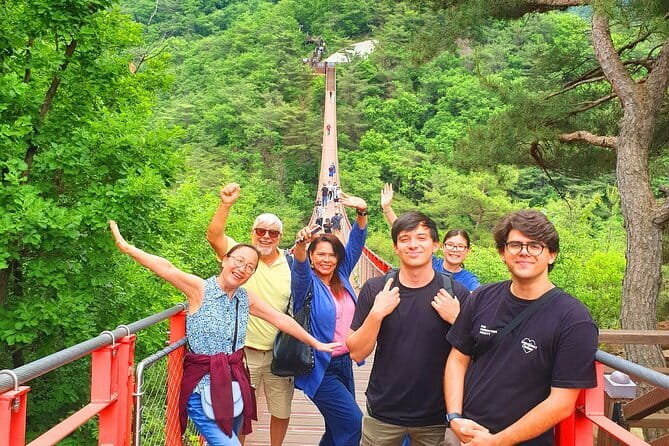
Next comes the North Korea Experience Hall, an exhibition and experiential space focused on understanding daily life in North Korea. The key value is how it explains the division as something people live inside—not just politics from a distance.
This stop works well in a DMZ day plan because it slows you down for one hour. You can ask questions about what you’re seeing, and your guide can connect the exhibit context to the rest of the route.
A potential snag is language. This tour uses an English-speaking guide, but if your visit includes extra translation support later (for the defector option), your ability to absorb details may depend on how your group conversation runs that morning.
Entering the DMZ: the MDL, views, and what you can control
The core DMZ segment is where the day becomes real. You go to the DMZ, and the tour frames it around the Military Demarcation Line (MDL)—the line created after truce talks beginning in 1951.
This stop is about perspective and scale. You’re not just seeing a border—you’re seeing why the world built protocols, why families were separated, and why “distance” is never only distance on the peninsula.
Here’s what you can control as a visitor: keep your expectations grounded. You might get clear views, you might get less-than-ideal weather, and either way you’ll still come away with a better understanding of how the DMZ works visually and politically. Your guide’s interpretation matters just as much as the scenery.
The Third Tunnel: walking through a plan, not a rumor
Then you move to the Third Tunnel, a passage dug by North Korea with the intent of launching a surprise attack on the South. It was discovered in 1978, and visiting it is different from reading about it—it turns strategy into something you can physically imagine.
This stop is often a highlight because it’s concrete. Tunnels explain why border security, surveillance, and fear shaped the decades after division.
The drawback is physical comfort. Even with a one-hour time block, tunnels and site layouts can involve walking and standing. The tour lists moderate physical fitness as a requirement, so come prepared to move through a structured environment.

Dora Observatory: a viewpoint with real-world limits
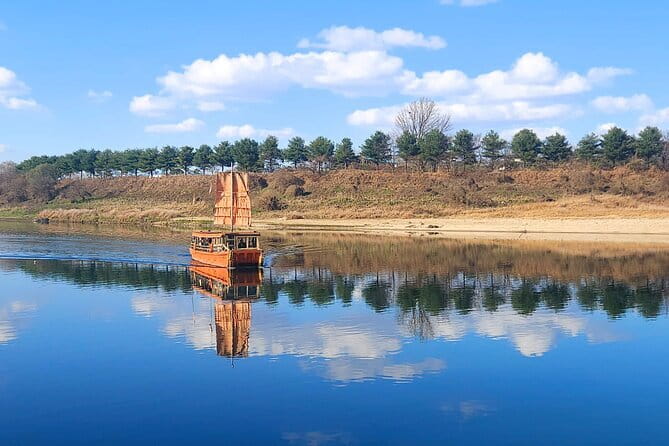
After the tunnel, you head to Dora Observatory, described as your window to North Korea. The big promise here is the view—sometimes visitors may catch a rare glimpse of North Korea, and timing and conditions can influence what you see.
Even when visibility isn’t perfect, I like this stop because it ties the day together. You’ve seen division from exhibits and from the tunnel’s military context; now you see what the border looks like from a specific vantage point.
Plan for a slower rhythm here. The Dora Observatory stop is two hours, so you have time to watch, listen to your guide’s framing, and ask questions without feeling rushed.
Red Suspension Bridge and Gamaksan options: choose your thrill level
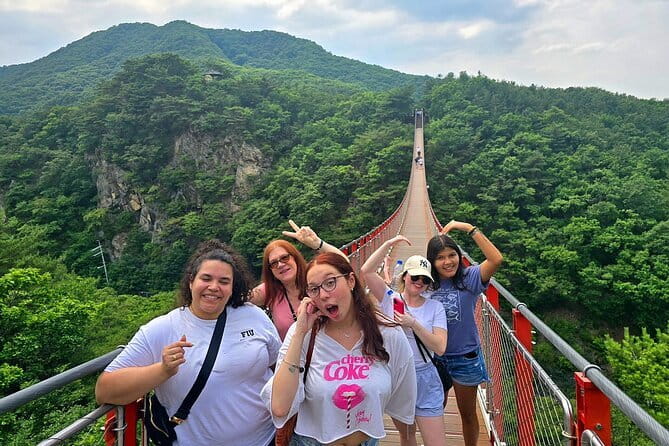
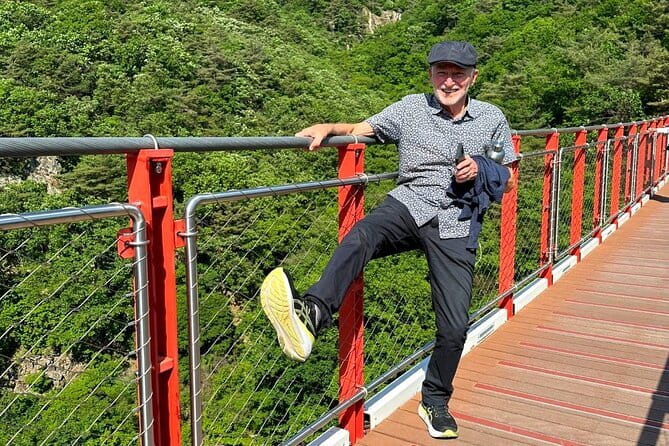
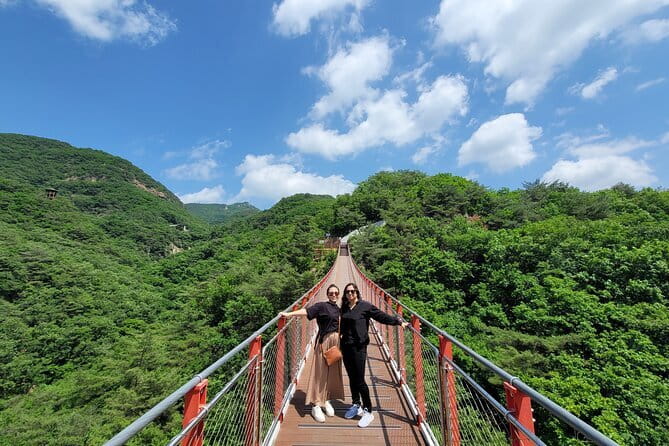
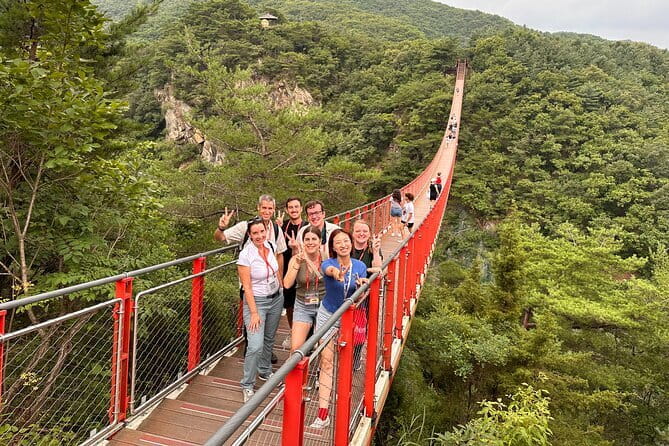
The tour includes a Red Suspension Bridge option, described as a thrilling highlight with natural views. If you select it, this is the moment where the DMZ day shifts gears slightly from history and security to scenery and adrenaline.
There’s also an additional optional stop: Gamaksan Chulleong Bridge. It’s described as once being Korea’s longest suspension bridge spanning 220 meters, and it’s listed as optional.
How to choose: if you want a more active, fun payoff after intense stops, prioritize the bridge options. If your priority is staying mentally on the historical thread, you may prefer to skip the extra height-based segment and keep the day moving smoothly.
The defector option: what it adds, and how to protect your experience
This tour offers meeting-up with a North Korean defector if that option is selected. That human element is the whole point: you’re not only learning about division through structures and displays—you’re hearing how someone’s story intersects with the peninsula’s larger narrative.
This is also where you should be most intentional. If you’re booking for the defector portion, ask your questions early in the day and pay attention to how translation is handled. In some cases, even with a guide present, the defector’s English level and the translator’s pacing can change how comfortable you feel asking follow-ups.
A balanced way to think about it: even if the defector portion feels limited on language, you can still use the day’s other stops to get the big picture. But if you specifically want a conversational, Q&A-heavy defector session, you’ll want to maximize every minute you get.
Price and Logistics: why this day works at $65
For $65, you’re paying for a guided route that bundles a lot together: licensed English guidance, air-conditioned transport, admission tickets, and multiple DMZ-area stops. In practical terms, that beats cobbling together separate tickets, timed transport, and a guide who can explain what you’re looking at.
The value also comes from the format. The tour emphasizes small-group interaction, and that matters on a day where people usually ask the same hard questions. Having time to talk through what you’re seeing turns the DMZ from a checklist into something you understand.
Two logistics points you’ll want to plan around:
- The morning start at 6:40 am means you’ll want an early-night and a simple breakfast plan.
- Pickup is included, but hotel drop-off isn’t, so confirm your return plan before you show up.
Who this DMZ tour from Seoul fits best
This is a good fit if you want structured education plus the reality of border-site landmarks, all in one day. I think it works especially well for:
- First-time DMZ visitors who want a guide to interpret sites
- People who prefer small-group pacing and question time
- Travelers who value a human perspective, especially with the North Korean defector option
It may be less ideal if you’re sensitive to long days with early starts, or if you’re expecting a fully private experience. Also, if your main goal is a specific bridge thrill moment, confirm which bridge options are included with your booking.
Should you book this DMZ tour? My call
Book it if you want a guided DMZ day that includes key sites and admissions, keeps you moving at a manageable pace, and offers optional add-ons like the defector meeting and suspension bridges. The $65 price feels fair because the guide work and included entry make the day friction-free.
Hold off or ask more questions before booking if the defector portion is your top priority. Translation and timing can shape your experience, so you’ll want clarity on how that stop will run on your date.
If you go in with a realistic mindset—curious, ready to walk, and prepared for an early start—you’ll leave with a clearer understanding of the peninsula than you’d get from looking at these places alone.
FAQ
What time does the tour start?
The start time is 6:40 am.
How long is the DMZ tour?
It runs about 7 to 8 hours.
Is pickup included?
Yes, pickup is offered. Hotel drop-off is not included.
Do I need a passport?
Yes. You need a current valid passport on the day of travel.
Is lunch included?
No. Lunch is not included, but restaurant recommendations can be provided on request.
How many people are on the tour?
The tour has a maximum of 45 travelers.
Is meeting a North Korean defector included?
It’s included only if you select the option for meeting a North Korean defector.
Are any parts of the itinerary optional?
Yes. Gamaksan Chulleong Bridge is optional, and the Red Suspension Bridge is included only if selected.