REVIEW · SEOUL
Gyeongbokgung Palace, Jogyesa Temple and Bukchon village
Book on GetYourGuide →Operated by Honey Trail · Bookable on GetYourGuide
Seoul’s main icons feel human on foot. This walking tour ties together Jogyesa Temple in Insadong, the Joseon-era Gyeongbokgung Palace, and Bukchon’s old lanes with clear explanations and real moments of calm. I especially like how it’s built for first-time visitors, yet still leaves room to look, pause, and take photos. The one drawback to plan around: it’s a walking route, so comfy shoes matter, and there’s no hotel pickup.
The flow is smart, too. You start near Anguk Station, head to Gwanghwamun Square for the King Sejong statue, then move through palace courtyards and on to Bukchon for architecture and views. If you get an English guide who keeps things organized, the route feels smooth and you’ll get more than a checklist. Just be aware that food isn’t included, so you may want to save room for a snack before or after.
In This Review
- Key things to look forward to
- Start at Anguk Station Exit 6: Jogyesa and Insadong’s tea-house vibe
- Gwanghwamun Square and King Sejong: your quick Seoul orientation
- Gyeongbokgung Palace courtyards: Joseon power you can actually feel
- Traditional herbal tea at the palace: a real break, not a sales stop
- Bukchon traditional village: old-house architecture and a moderate walking pace
- What the English guide adds: culture, language, and a calm pace
- What $82 gets you: value in tickets, tea, and guided context
- Who should book this Seoul walking tour
- Should you book this tour?
- FAQ
- What are the start and end points?
- What’s included in the price?
- Is food included during the tour?
- Where do the main stops happen?
- Are there any rules about what I can bring?
- What should I wear or bring?
- Can I cancel for a refund?
- Is the tour offered in English?
Key things to look forward to
- Jogyesa Temple tranquility at the heart of Korean Buddhism (the Jogye Order)
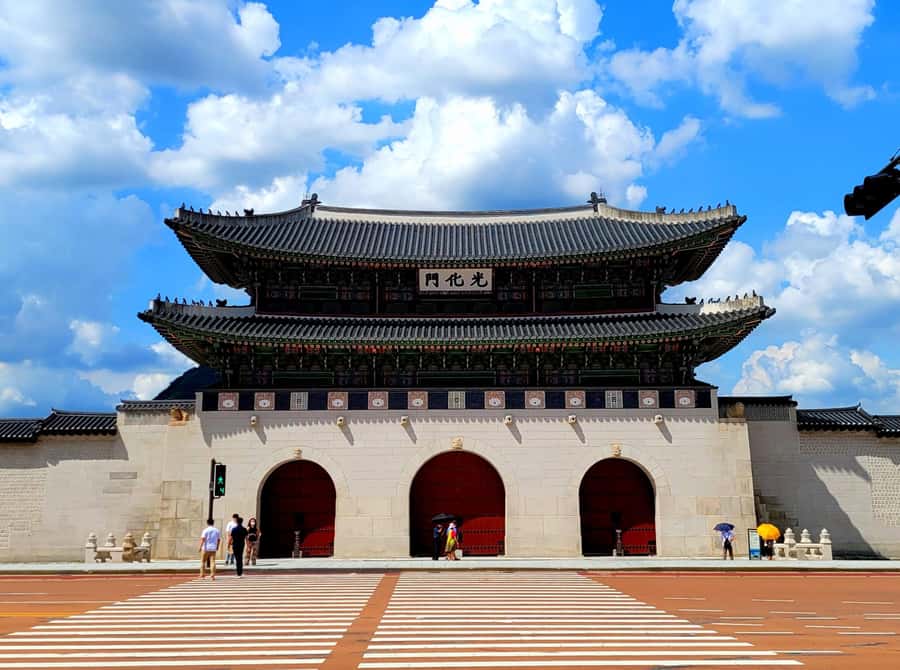
- Gyeongbokgung Palace entry plus time to stroll and understand what you’re seeing
- Gwanghwamun Square orientation with King Sejong as your city compass
- Bukchon village lanes and old-house angles on a moderate walk
- Herbal tea included to cool down and reset during the visit
- A guide-led language and culture layer that makes the sites easier to remember
Start at Anguk Station Exit 6: Jogyesa and Insadong’s tea-house vibe
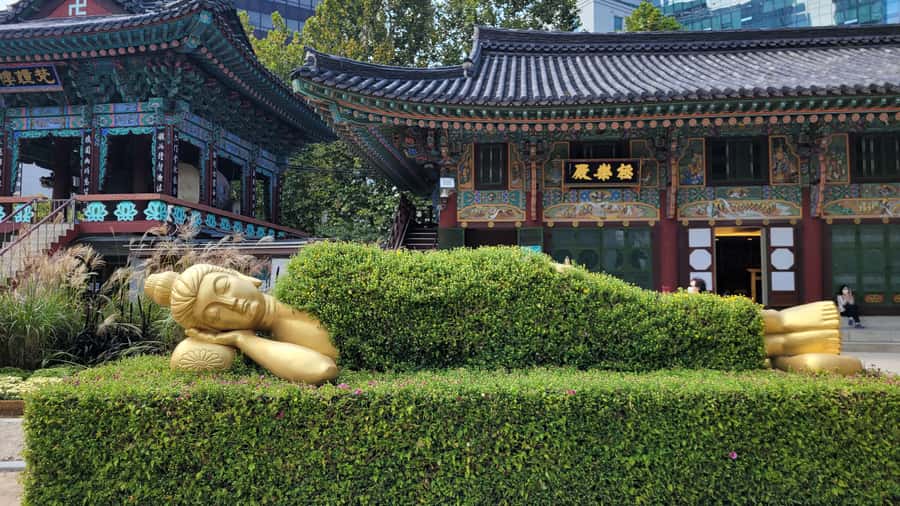
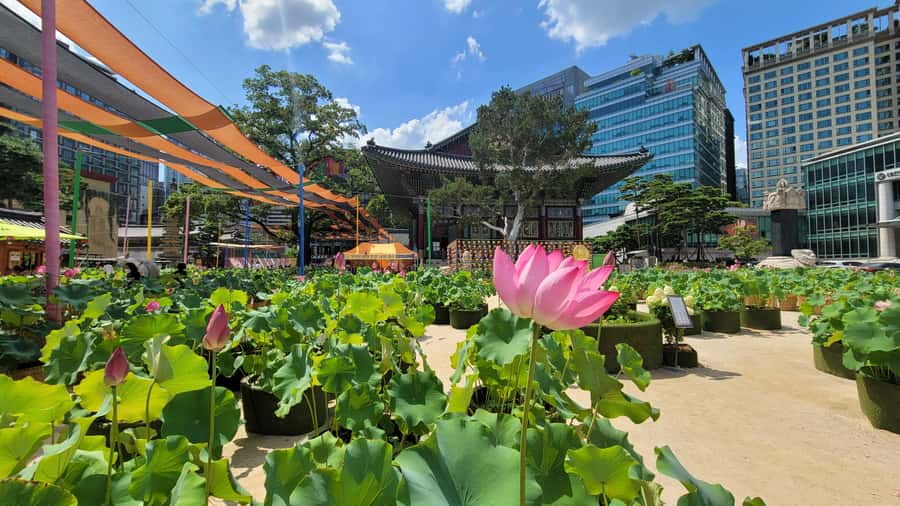
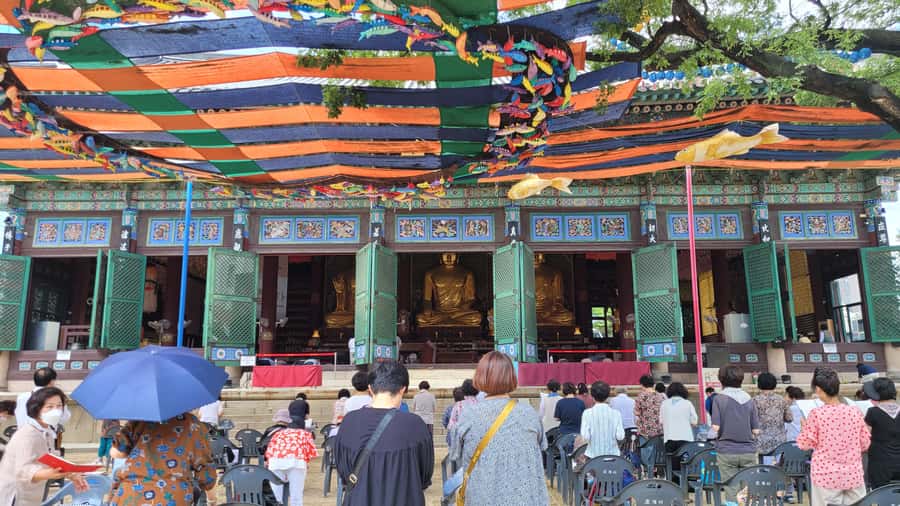
I like walking tours most when they start where you can already feel the city. You meet at Anguk Station Exit 6, then the tour begins in the Insadong area, where the pace slows down fast once you reach Jogyesa. This temple isn’t one of those distant, hard-to-find “photo-only” stops. It’s active, peaceful, and famous for being the head temple of the Jogye Order of Korean Buddhism.
Jogyesa is also a great Seoul intro because it puts religion, daily life, and neighborhood culture in the same frame. Around it, you’ll notice the classic Insadong pattern: traditional tea houses and small spots that feel made for stopping. Even if you’re not religious, you’ll get a different kind of perspective than you’d get from a palace alone. The message is simple: Korea’s history isn’t just royal buildings. It’s also meditation halls, ceremonies, and the quiet routines that keep communities centered.
One practical tip: if you’re sensitive to crowds, arrive with your expectation set. This area draws plenty of visitors, so give yourself the mindset of a slow stroll. Wear shoes you can walk in for a few hours without hating your feet by the second half.
You can also read our reviews of more tours and experiences in Seoul.
Gwanghwamun Square and King Sejong: your quick Seoul orientation
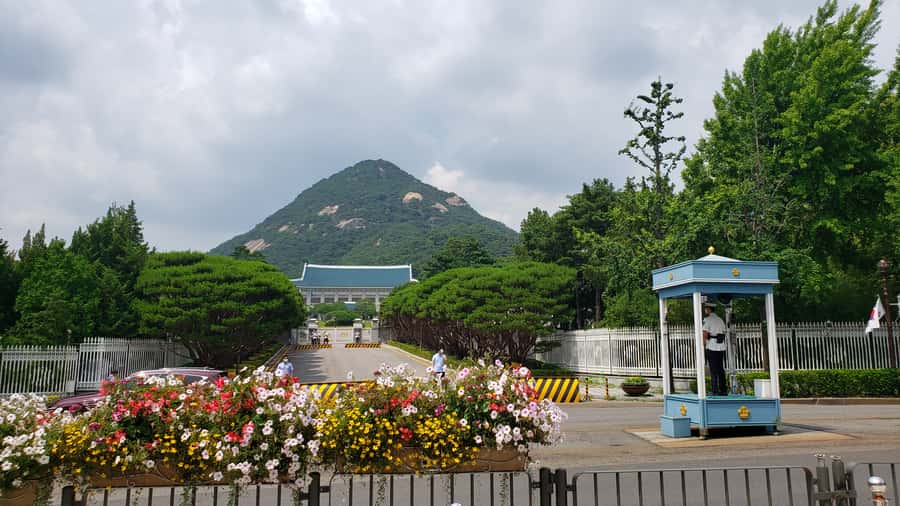
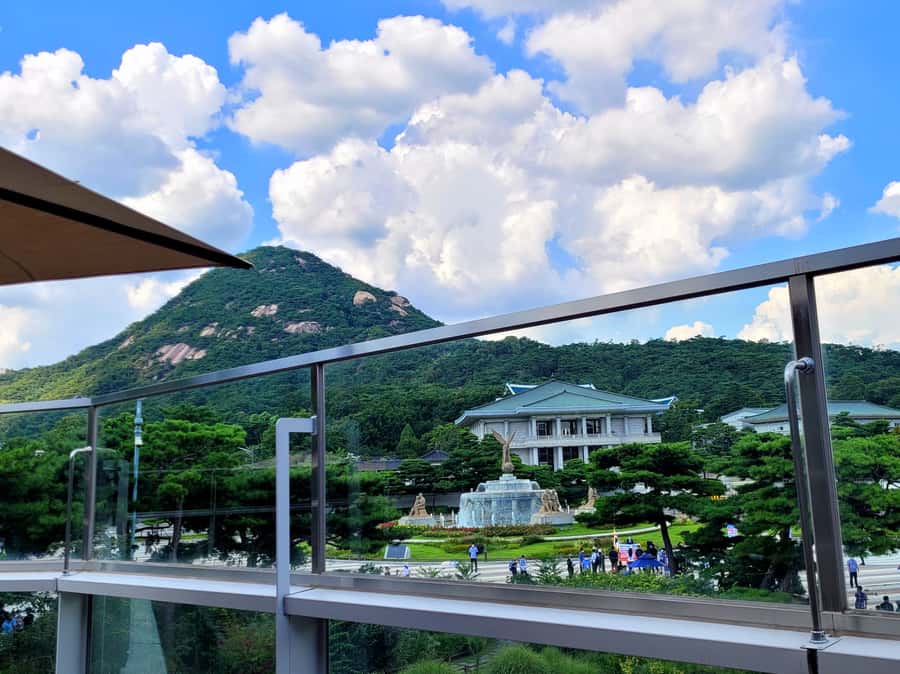
After Jogyesa, you’ll head to Gwanghwamun Square, one of the best places in Seoul to understand the city’s modern pulse. The highlight here is seeing the King Sejong statue. It might sound like just a monument, but it works as orientation. Sejong’s name is tied to Korean letters and learning, so the stop becomes more meaningful than a quick “look and move on.”
This part of the tour also helps you connect physical space with story. Gwanghwamun is where Seoul feels official and “designed,” and that matters when you later walk into the palace grounds. Standing in that open square gives your brain a baseline: you understand where power shows up in the city layout before you enter where power was practiced.
The tour is careful about pacing here. You’re not sprinting between stops. You’ll have time to gather your bearings, ask questions, and reset. That matters for first-timers, because Seoul can feel big and complicated fast. This route gives you structure without turning it into a rushed bus ride.
Gyeongbokgung Palace courtyards: Joseon power you can actually feel
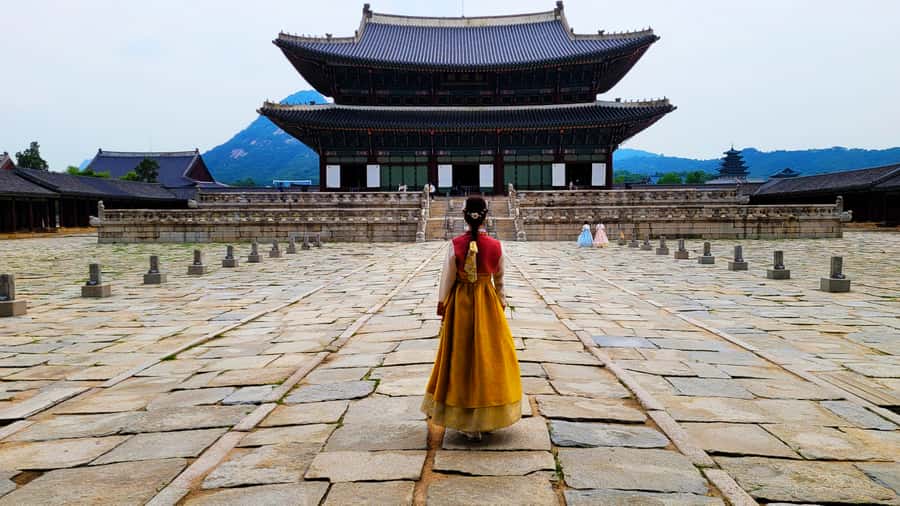
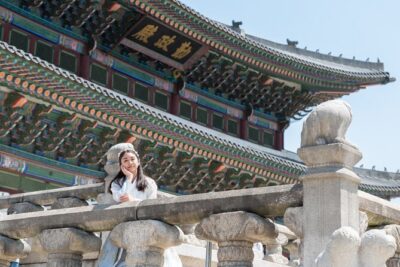
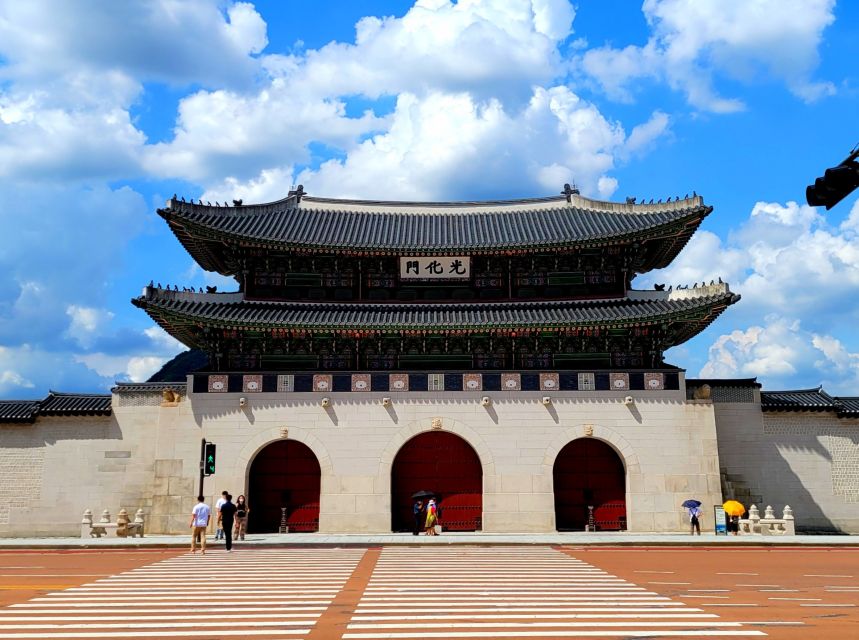
Now comes the big one: Gyeongbokgung Palace. The palace is tied to the Joseon Dynasty and was established in 1395, when it became the main royal palace. This is the kind of site where details reward you the more you slow down. And with your palace entrance ticket included, you avoid the most annoying part of planning your own day.
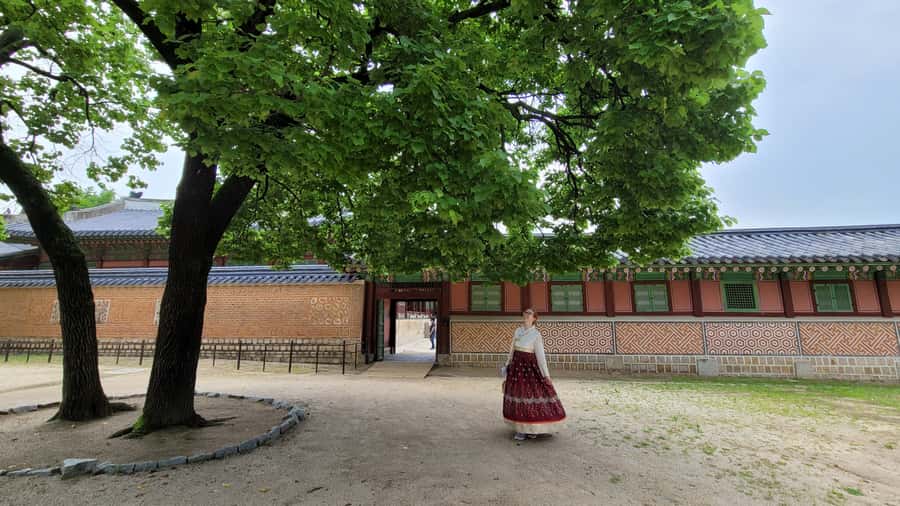
What I like about the way the tour handles Gyeongbokgung is that you’re not just collecting buildings. You’re walking through a place that was built to project order. As you move through courtyards and paths, you start to see how the layout communicates rank, ritual, and control. Even if some of the story stays new at first, your guide’s explanations give you hooks you can hang memories on.
Two things that make Gyeongbokgung especially worth your attention:
- It’s one of Seoul’s most iconic historic sites, so you’ll see the main palace vibe with minimal guesswork.
- You get enough time to stroll rather than treating it as a quick stamp-and-go stop.
The main drawback here is also simple: it can be busy. The solution isn’t magic. It’s shoes, hydration, and using your guide’s timing so you’re not stuck in the heaviest crowds for every corner.
If you want practical value, this stop is where the tour earns it. You get entrance included, guided context while you’re still standing there, and time to look. That combination is hard to replicate if you’re wandering alone.
Traditional herbal tea at the palace: a real break, not a sales stop
Right in the middle of the experience, the tour includes traditional herbal tea. That might sound small, but breaks are where good tours become great ones. Walking in Seoul in changing weather can wear you down quickly, and tea gives you a clean reset without turning your day into a restaurant hunt.
The tour also frames this as part of Korean culture, not just caffeine. You’re learning as you stop. That’s helpful because the palace can feel like information overload if you’re trying to read everything yourself at speed. A tea break gives your brain time to connect what you just heard with what you just saw.
In past groups, there’s also been mention of a short cultural interlude during a café break at the palace area, including a chance to learn a Korean board game. I can’t promise it’s always part of every departure, but it matches the tour’s overall style: make the history tactile, not just lecture.
Bottom line: if you’re the type who gets tired when a tour is all walking and no breathing, this inclusion is one of the best value features.
Bukchon traditional village: old-house architecture and a moderate walking pace
After Gyeongbokgung, you transition into Bukchon traditional village, where the atmosphere shifts from royal grounds to residential history. Bukchon’s power comes from scale and texture. Instead of one huge landmark, you get many angles of old architecture in a compact area, with streets that encourage slow looking.
I like Bukchon for first-timers because it shows a different side of Korea’s past. Palaces tell you about the state and ceremony. Bukchon shows you how everyday life shaped neighborhoods—how homes, courtyards, and street patterns fit together.
The walk here is described as moderate, which is exactly the right word. You’re not facing a steep hike, but you are on uneven surfaces and moving through lanes where your pace naturally slows for views and photos. Bring patience, not speed. The reward is that you can actually experience the village rather than power-walking it.
A small but helpful planning thought: Bukchon is very photogenic. That’s great, but it also means you’ll want to keep your camera ready without stopping in the middle of busy paths. Let your guide manage the flow, then step aside for your shot.

What the English guide adds: culture, language, and a calm pace
The biggest reason this tour works is the guide. An English-speaking guide leads the group and focuses on more than just dates and names. The experience is designed to teach Korean language and culture as you go, so you’re not only hearing history. You’re picking up small cultural bridges that help you interpret what you’re seeing.
I’ve found that the best guides have two skills: they can explain with clarity, and they can adjust to real people. In earlier groups, guides have been praised for being patient and professional, and for handling families’ needs with care. That kind of flexibility matters because Seoul sites can be tiring for kids, older adults, or anyone simply carrying jet lag.
There’s also a playful side. In past departures, the guide has used cultural extras outside the usual script, like introducing a Korean board game. That approach keeps the tour from becoming too serious and helps the day feel like learning through small moments rather than through constant lectures.
So if you’re deciding between doing this on your own versus booking a guided walk: the guide is the difference. Without one, you’ll still see beautiful places. With one, you’ll understand the why while you’re standing in front of it.
What $82 gets you: value in tickets, tea, and guided context
This tour costs $82 per person, and the value depends on what’s included versus what you’d otherwise have to plan yourself.
Included:
- Gyeongbokgung Palace entrance ticket
- Traditional herbal tea
- Guide
Not included:
- Food
- Hotel pickup and drop-off
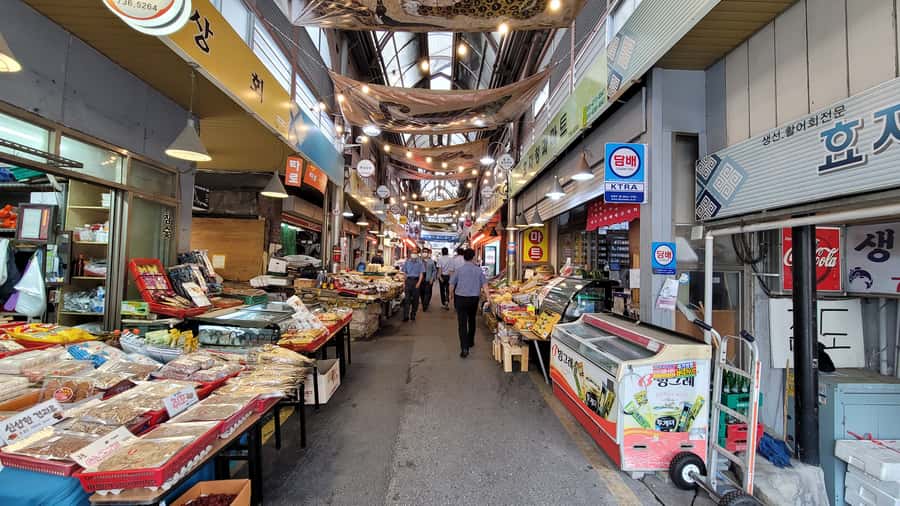
Here’s the honest way to judge the price. You’re paying for a guided route that strings together major sites without making you solve logistics all day. That’s worth it if you’re short on time, new to Seoul, or you want history explained while you’re in the right spot.
The palace entrance ticket is a real chunk of what you’d pay on your own. The tea is smaller money-wise, but it adds comfort and rhythm. And the guide is the main value driver: time is expensive on a first trip, and a good guide helps you spend that time looking at the right things.
Also consider savings of stress. If you tried to plan this as a DIY day, you’d still spend time figuring out routes and timing across Insadong, Gwanghwamun, the palace area, and Bukchon. This tour makes that sequence intentional.
If you like structure, $82 is reasonable. If you only want a photo walk with no explanation, you could probably do it cheaper on your own. But if you want context and a smooth flow, this price feels fair.
Who should book this Seoul walking tour
This is a strong match for:
- First-time visitors who want the most important stops in a single walking loop
- People who prefer a guided pace with time to look
- Families and mixed-age groups who appreciate patient, flexible guidance
- Anyone interested in Korean culture, including a bit of language along the way
You might want a different plan if:
- You’re trying to avoid walking for several hours, since the route is a true walking experience
- You depend on accessibility tools like mobility scooters, since those aren’t allowed
- You’re looking for a food-focused tour, because food isn’t included
And one easy planning point: this tour is English. If you don’t need English explanation, you may find DIY works. But if you want help understanding what you see, the language layer is a real perk.
Should you book this tour?
I’d book it if you want a day that feels organized but not rigid: calm temple time at Jogyesa, city orientation at Gwanghwamun, the main Joseon palace experience at Gyeongbokgung, then the old-house atmosphere of Bukchon. With entrance to Gyeongbokgung and herbal tea included, the tour avoids the most common first-trip hassles.
Skip it only if you’re trying to minimize walking or you don’t care about historical context. Otherwise, this is the kind of Seoul overview you’ll be glad you did early, because it gives you mental landmarks for the rest of your trip.
FAQ
What are the start and end points?
You meet your guide at Anguk Station Exit 6, and the tour ends back at the same meeting point.
What’s included in the price?
The price includes Gyeongbokgung Palace entrance, traditional herbal tea, and a guide.
Is food included during the tour?
No. Food isn’t included, so you’ll want to plan meals or snacks on your own.
Where do the main stops happen?
The tour includes Jogyesa Temple in the Insadong area, Gwanghwamun Square to see the King Sejong statue, Gyeongbokgung Palace, and then Bukchon traditional village.
Are there any rules about what I can bring?
Pets are not allowed, mobility scooters are not allowed, and alcohol and drugs aren’t allowed.
What should I wear or bring?
Bring comfortable shoes. The tour is a walking route, so your footwear matters.
Can I cancel for a refund?
You can cancel up to 24 hours in advance for a full refund.
Is the tour offered in English?
Yes, the tour language is English.