REVIEW · SEOUL
Getting a good feel of local Seoul through food (itseoulgood)
Book on Viator →Operated by itseoulgood · Bookable on Viator
Food is the easiest way to read Seoul. This 3-hour, small-group tour helps you actually taste local life, moving from Insadong into Kwangjang Market and then through quiet back alleys toward a traditional teahouse finish near Anguk. I like the practical plan: you don’t just wander, you taste a lot of different items while learning what they are and how locals think about them. Another big plus is the tea angle, including real tea in Insadong, not the powder-tea shortcut you’ll see at many spots.
One thing to consider: the market streets can feel busy and loud, and the day still includes walking. It’s doable if you’ve got moderate stamina and comfortable shoes, since about an hour is on your feet even though the tastings do a lot of the heavy lifting.
In This Review
- Key highlights you’ll care about
- Why this Seoul food walk works for first-timers
- Meet on Dongho-ro, then get oriented fast
- Insadong: dumplings and real tea, not the powder shortcut
- Kwangjang Market: how to survive the noise and pick the best bites
- Hidden alleys and a traditional teahouse finish near Anguk
- What you get taste-wise (and how much extra cash to bring)
- Guide style: why Mike’s background makes the tastings better
- Price and value: is $94 fair for 3 hours of food?
- Who should book this tour (and who might not)
- Should you book this Insadong and Kwangjang food tour?
- FAQ
- How long is the Seoul food tour?
- What is included in the $94 price?
- Where does the tour start and end?
- What neighborhoods or stops are included?
- What group size is this tour?
- What is the cancellation policy?
Key highlights you’ll care about
- Real tea in Insadong alongside classic dumplings
- Kwangjang Market tastings that remove decision stress in a crowded place
- Back-alleys + old-meets-new Seoul in one smooth flow
- Traditional teahouse finish near Anguk Station
- Small group of up to 6 with time for questions and recommendations
Why this Seoul food walk works for first-timers
Seoul can be overwhelming if you’re trying to decide what to eat while also reading menus, signage, and lines. This kind of tour works because the guide handles the hard part—figuring out what to try—and you get the fun part: tasting and noticing details.
I also like the pacing. Even in markets, you’re not stuck doing one long queue after another. The route is designed to keep you moving through different vibes, from older neighborhoods to newer, more modernized streets.
This is also a good way to get a feel for local Seoul through food without turning it into a checklist. You’re eating your way through neighborhoods, which means you’ll come away with better context for what you’ll see later on your own.
You can also read our reviews of more food & drink experiences in Seoul
Meet on Dongho-ro, then get oriented fast
You start in Jongno District at 407 Dongho-ro. That’s a smart spot for beginners because it puts you close to a lot of Seoul’s historic areas, and you can usually reach it easily with public transit.
The tour runs about 3 hours total, with walking time kept reasonable (around an hour). That matters because food tours can turn into marathon walking days if the plan isn’t realistic. Here, you get plenty of stops for tastings and conversation, not just step-count stress.
You’ll finish near Anguk Station, at Toto’s Nostalgia Museum area (169-2 Gwanhun-dong). Ending near transit is underrated. It means you can keep exploring after the tour without needing a long commute just to get back to your hotel.
Insadong: dumplings and real tea, not the powder shortcut
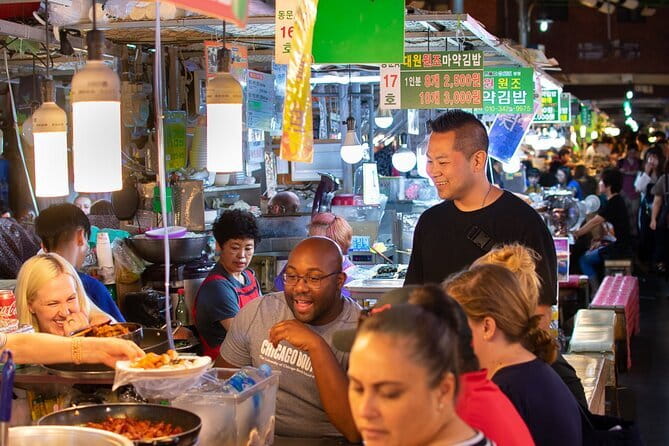
Insadong is where you go when you want traditional Seoul energy—shops, tea culture, and lots of people strolling for snacks and souvenirs. This stop focuses on food that anchors the neighborhood in something real, not just tourism.
Here, you’ll sample local dumplings and real tea—specifically called out as tea that isn’t the powdered stuff many places serve. That detail matters because it changes the whole experience. Powder tea tends to taste flatter and more generic, while proper tea gives you something with actual aroma and a clearer flavor profile.
Practical tip: Insadong can attract crowds, especially mid-day. You’ll do better if you go with the mindset of tasting slowly and asking questions. If you’re the type who wants to know what you’re eating before you eat it, this stop is built for you.
Kwangjang Market: how to survive the noise and pick the best bites
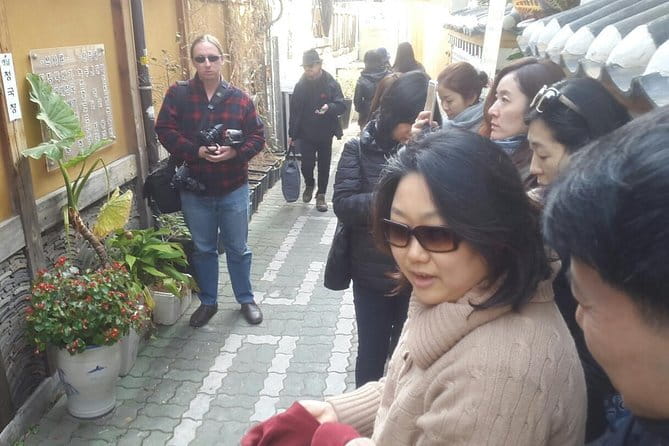
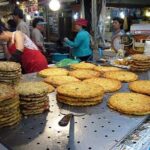
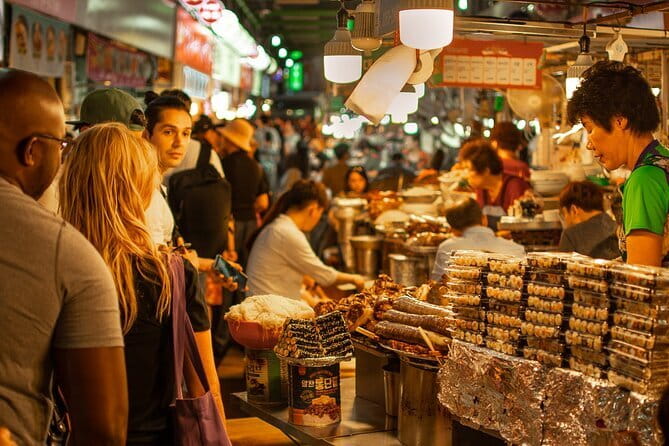
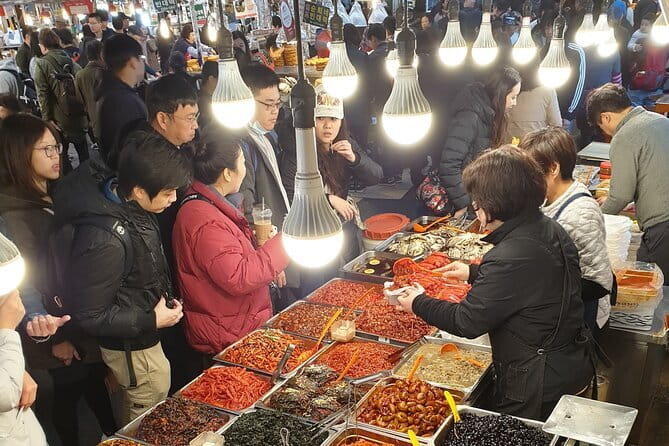
Kwangjang Market is the kind of place that can make even confident eaters pause. It’s one of Seoul’s oldest and biggest food markets, and it has that familiar market chaos: lots of stalls, constant activity, and too many choices at once.
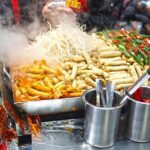
This tour helps because the guide doesn’t treat Kwangjang like a wander-and-guess situation. You sample a large variety of the best foods here, guided through what to try and where to go. That takes away the intimidation factor—especially useful if you don’t read Korean street-food menus quickly.
You’ll also pick up the kind of context that makes future eating easier. Markets are more than food; they’re local habits. When you learn what a dish is and why it’s loved, you’ll recognize similar items elsewhere in Seoul and you won’t feel lost.
What I’d do on your end: wear shoes you can walk in for a while, and don’t plan a big dinner immediately after. Kwangjang can fill you up in stages.
Hidden alleys and a traditional teahouse finish near Anguk
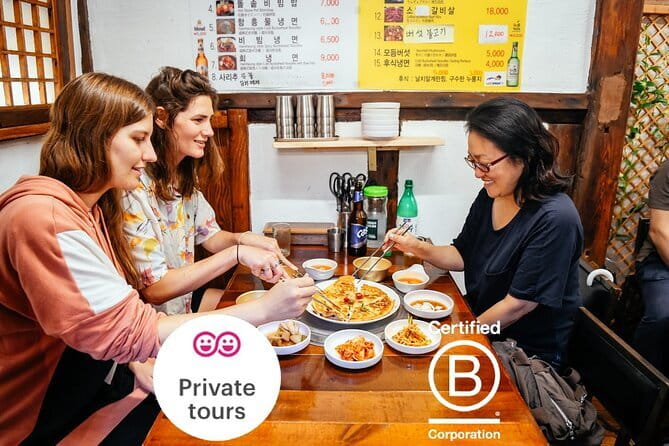
Between major stops, the route works in layers. You’ll walk through small hidden alleys and lesser-known spots, plus areas that feel modernized but still grounded in culture. That old-and-new mix is one of the reasons the tour feels like a story instead of just a series of food photos.
The ending is the calm part of the day: a traditional hidden teahouse in a traditional area. If you’ve been moving through loud markets, this kind of stop gives you time to slow down and reset. It’s also a nice contrast to the market energy because tea culture fits naturally with the rest of the tastings.
Ending near Anguk Station is a big deal for convenience. Once you’re done, you can keep going through nearby historic streets or head back toward your next plan without feeling like your whole day is stuck behind one location.
You can also read our reviews of more tours and experiences in Seoul
What you get taste-wise (and how much extra cash to bring)
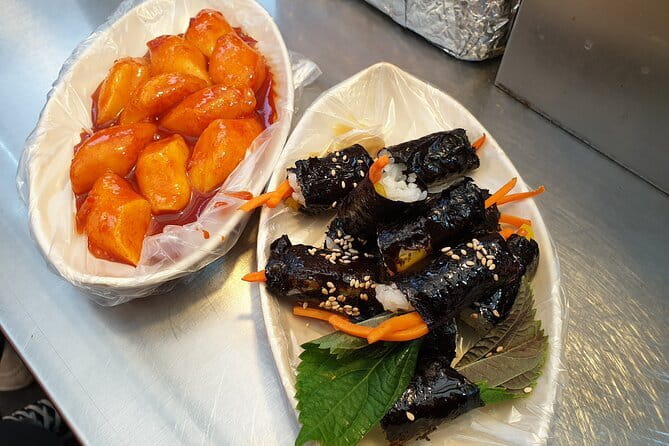
Food is the core of this experience, and the tour fee includes all the tastings. Expect a lot of variety rather than one or two big meals.
The specific items you can count on from the plan include:
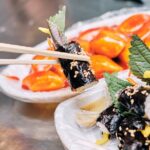
- dumplings at Insadong
- real tea at Insadong
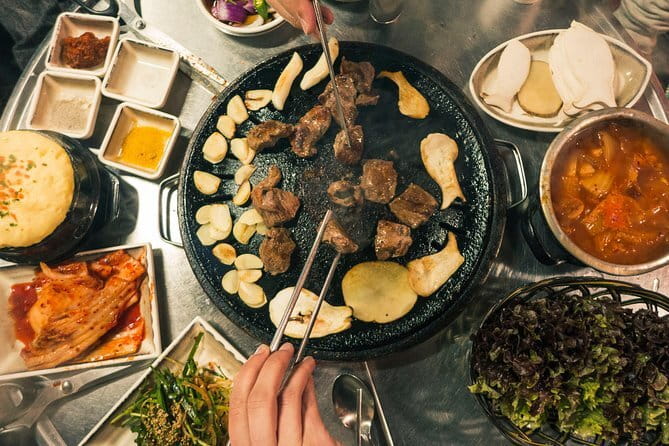
- a wide range of Korean market foods at Kwangjang
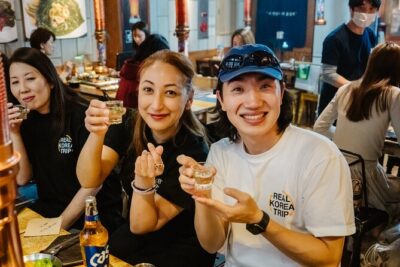
Beyond that, you’ll likely encounter additional local favorites along the way as the guide selects what makes sense for your group and the flow of the market day. One review detail worth noting: rice wine tasting showed up as part of a tour experience, so there’s a decent chance tea and alcohol-style tastings may appear depending on timing and what the guide has planned.
Bring extra cash if you want to buy more food or items on top of what’s included. That’s especially useful in Insadong, where it’s common to see small treats and snacks you’ll want to try again, or souvenirs that aren’t tied to the tour.
Guide style: why Mike’s background makes the tastings better
The biggest difference between a good food tour and a great one is what happens between bites. Here, the guide brings more than a route—they bring explanations, stories, and smart ordering.
In reviews, Mike comes up often, and not just for friendliness. People mention his English is strong, his background includes chef experience, and his stories make the food feel connected to daily life rather than random samples. That chef perspective matters because it often translates into better advice on texture, ingredients, and how to compare versions of the same dish.
You’ll also get help with the parts that trip up many visitors: knowing which stall to trust, what to start with, and how to taste thoughtfully instead of grabbing the first thing in reach. One review point that really resonates: the guide helps people who find Kwangjang intimidating feel confident quickly.
Small group size helps here. With a maximum of 6 travelers, it’s easier to ask questions and get individual recommendations rather than feeling like you’re competing with the crowd.
Price and value: is $94 fair for 3 hours of food?
At $94 per person for about 3 hours, the value comes down to one question: does the included food justify the guided time and planning?
In this case, yes—mainly because food is included across multiple neighborhood settings, not just one market snack stop. You’re sampling in Insadong and then hitting Kwangjang for a broad variety. You’re also getting tea as part of the experience, plus time with a guide who helps you navigate the overwhelming parts.
Also, you’re paying for convenience and confidence. Korean food markets can be a puzzle if you’re going in cold. Paying to have someone else handle the ordering and selection is often cheaper than you think once you factor in wasted purchases and the risk of ending up with the wrong dish at the wrong place.
So, if you’re the type who likes trying lots of things and you hate the guesswork, this price tends to make sense.
Who should book this tour (and who might not)
This is a strong fit if:
- you want a Seoul intro through food instead of a pure sightseeing route
- you’re curious about local flavors and tea culture
- you’d rather ask questions than struggle through market choices alone
- you like smaller groups and a more personal pace
It may be less ideal if:
- you prefer long, quiet, sit-down meals with minimal walking
- you get stressed in crowded places and don’t like market noise
- you’re on a super tight schedule and can’t afford 3 hours plus transit to get there
Given the walking is limited to about an hour, the physical demand is manageable for most people with moderate fitness.
Should you book this Insadong and Kwangjang food tour?
If you’re trying to get a real sense of Seoul without making food decisions feel like homework, I’d say yes. The route connects two major eating zones—Insadong for tea-and-dumplings culture and Kwangjang for market variety—in a way that keeps you moving but not exhausted. The focus on real tea and a traditional teahouse finish makes it more than street snacks on repeat.
Book it if you want guidance, want value from included food, and like the idea of learning as you eat. Skip it only if you strongly prefer to choose everything yourself with no structure, or if you know you hate crowded markets.
FAQ
How long is the Seoul food tour?
It’s approximately 3 hours, including about 1 hour of walking time.
What is included in the $94 price?
All food tastings are included in the tour fee. You can bring extra cash if you want to purchase additional items.
Where does the tour start and end?
It starts at 407 Dongho-ro, Jongno District, Seoul. It ends near Anguk Station, around Toto’s Nostalgia Museum at 169-2 Gwanhun-dong, Jongno District.
What neighborhoods or stops are included?
You’ll spend time in Insadong and Kwangjang Market, plus additional walking through small alleys and areas along the way, ending at a traditional teahouse.
What group size is this tour?
The tour has a maximum of 6 travelers.
What is the cancellation policy?
You can cancel for a full refund up to 24 hours before the experience’s start time.