REVIEW · SEOUL
DMZTour from Seoul:3rd Tunnel,North Korea View&UNESCO Valley
Book on GetYourGuide →Operated by Lecirt · Bookable on GetYourGuide
A day at the DMZ hits harder than you expect. This tour links Korea’s division to real places you can walk through, with stops like Imjingak and the Third Tunnel, then adds a UNESCO nature break at Hantan Geopark.
What I like most is the mix: you get the history-heavy DMZ portion and then a calmer, outdoor reset at Jaein Waterfall. I also like how the experience is shaped by practical reality, like security limits and the need for passport details in advance.
One consideration: it’s a long day with an early start, and the DMZ part is more about learning and observation than casual sightseeing.
In This Review
- Key things that make this tour worth your time
- Why the DMZ feels different on a guided day from Seoul
- Getting There: early mornings, limited DMZ entry, and passport prep
- Imjingak: monuments of peace and unification with real photo power
- Third Tunnel: walking inside the underground story
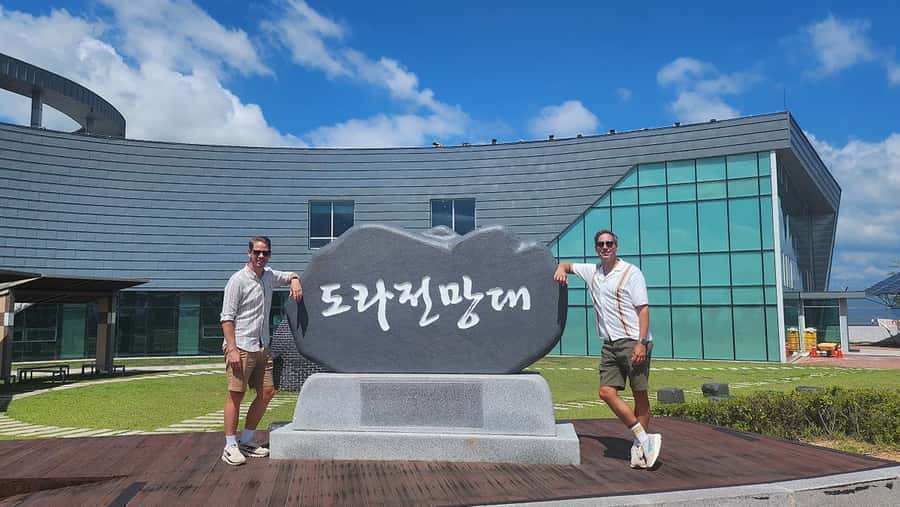
- Dora Observatory: looking toward North Korea and staying grounded
- Tongilchon: a small-town reminder that division shapes daily life
- UNESCO Hantan Geopark and Jaein Waterfall: the nature reset you’ll need
- The guide makes the difference: names to watch for and why it matters
- Price and value: is $125 a fair deal?
- Who this tour is best for (and who might want a different plan)
- Should you book this DMZTour from Seoul?
- FAQ
- What passport information do I need to enter the DMZ?
- Where does the tour start and end?
- What are the main stops on this tour?
- Is lunch included in the price?
- What’s included in the tour price?
- Are there multiple languages available?
- Can I change my plans after booking?
- Does the tour offer pay later?
Key things that make this tour worth your time
- DMZ security timing matters: you’ll want to be ready for the early queue that helps prevent delays
- Third Tunnel walk-through: a hands-on way to understand what North Korea dug and why it mattered
- Dora Observatory viewing: you’ll look into North Korea from a formal observation point while reflecting on division
- Imjingak monuments for peace and unification: strong photo spots with meaning behind them
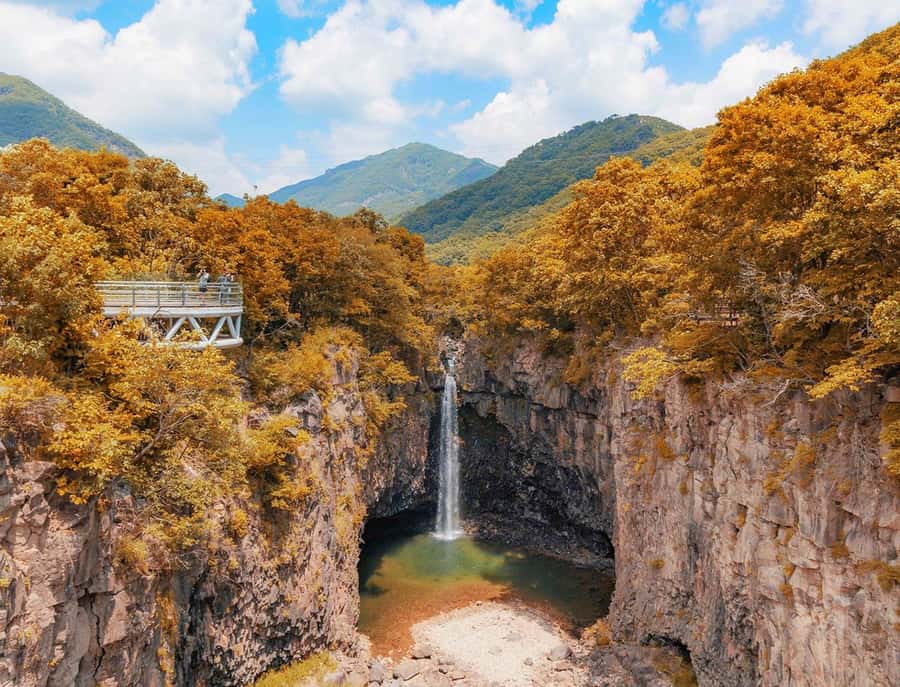
- Hantan Geopark + Jaein Waterfall: a UNESCO-coded nature stop with trails and a suspension-bridge thrill
Why the DMZ feels different on a guided day from Seoul
The DMZ isn’t a museum. It’s an active border with rules, limits, and a lot of symbolism packed into small spaces. On this day tour, your guide’s job is to connect what you see to what you understand—why these locations exist, what happened around them, and how the area became what it is today.
I also like that the tour doesn’t treat the DMZ like a checklist. It pairs the big viewing points with places built for remembrance and reflection. You’ll spend time at Imjingak, where the mood shifts from observation to message—peace and unification—then you’ll head to formal sites like Dora Observatory and Third Tunnel where the story is tied to concrete structures.
That balance matters for your day. If you only visit the “dramatic” viewpoints, the whole region can feel abstract. If you only focus on nature, it can feel random. Here, you get both, so the history has context and the end-of-day scenery has meaning.
You can also read our reviews of more tours and experiences in Seoul.
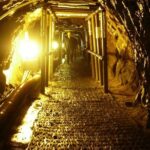
Getting There: early mornings, limited DMZ entry, and passport prep
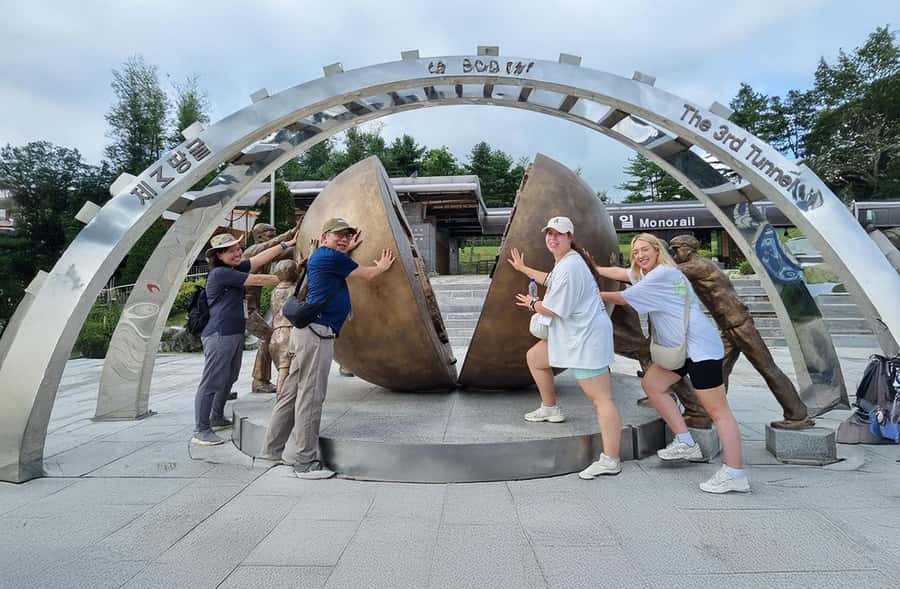
The DMZ part of the day is built around access rules. To enter, you’ll need to provide all participants’ passport information: name, passport number, date of birth, and gender. This isn’t optional paperwork trivia—your submission affects whether your group can be cleared in time.
Also expect the day to start extremely early. One departure described a start around 6am, and the reason wasn’t convenience—it was queue management. The DMZ limits how many people can enter at a time, with about 1,000 people permitted per security window. That’s why your tour timing feels intense at first, then makes total sense once you’re in line.
Practical tip: keep your passport info accurate and double-check names and numbers. If you’re traveling with friends who use different spellings or nicknames, fix that before the tour company needs it. The DMZ is strict, and your day runs on clean details.
Imjingak: monuments of peace and unification with real photo power

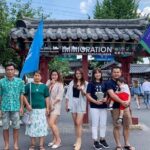
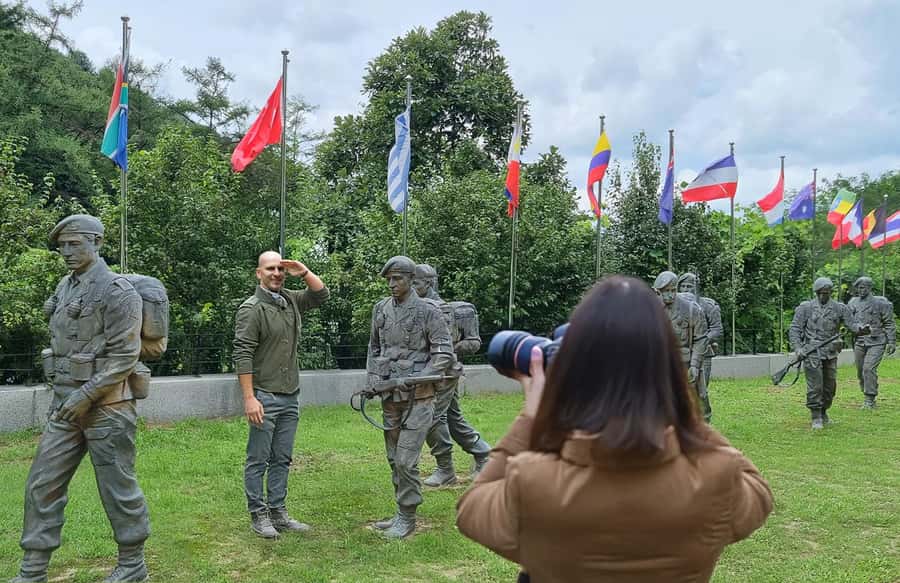
Imjingak is where the emotional tone of the day takes over. You’re not just standing in an outdoor spot taking pictures. You’ll be in a space designed around themes of peace and unification, which changes how you look at everything else that day.
This is the best kind of photo stop: you can capture yourself with the monuments, but you’ll also get a sense of what the area is trying to say. The guide also helps you frame what you’re seeing so it doesn’t feel like random structures scattered across a plaza.
Drawback-wise, Imjingak can be a bit more about meaning than spectacle. If you’re expecting fireworks or a big “wow” view, manage expectations. The payoff is how the message sticks with you later when you reach Dora Observatory and the Third Tunnel, where the reality of division turns into something you can almost measure.
Third Tunnel: walking inside the underground story
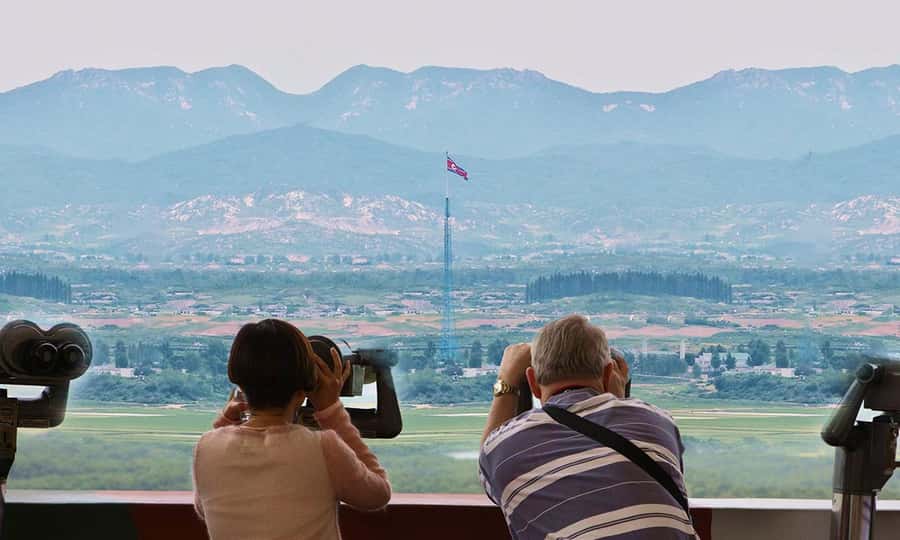
Then comes one of the most intense parts: the third tunnel. This is an underground passage dug by North Korea, and the experience is built to make the history physical. Instead of only hearing about engineering or strategy, you walk where the effort was made.
This is the stop you’re most likely to remember because it changes your sense of scale. Above ground, the DMZ can look like “just land between two countries.” Underground, the story becomes specific—work, planning, secrecy, and a very direct attempt to move across territory.
A big plus here is the guide’s interpretation. You’ll get the significance explained in a way that helps you connect the tunnel to the broader realities of division. If you care about how events become infrastructure, this is the moment that turns the day from interesting to unforgettable.
Dora Observatory: looking toward North Korea and staying grounded
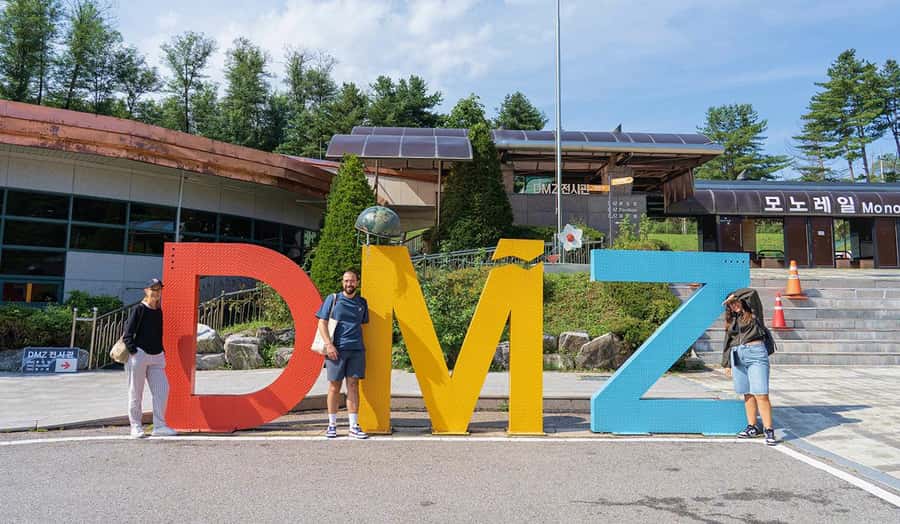
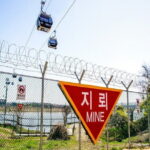
Dora Observatory is the “viewpoint” stop, but it’s not a casual scenic overlook. You’ll gaze toward North Korea from a formal observation setting. The landscape in front of you is wide, but the point is narrow: this is where the political reality becomes visible.
I like this stop because it works for both kinds of travelers. If you love history, you’ll get guided context. If you’re here more for perspective, you’ll still come away with a clearer sense of what separation means in practical terms.
One consideration: because this is an observation and security-controlled area, it’s not about wandering freely. Go with a mindset of standing, listening, and absorbing. If you’re the type who needs constant movement, you may feel the pace a bit slower here.


Tongilchon: a small-town reminder that division shapes daily life
You’ll also visit Tongilchon. The value of this stop is the way it expands the day beyond “high-impact” structures. You get a chance to understand how the DMZ isn’t only about battles or politics—it’s tied to communities and to the ongoing reality of separation.
Even without you roaming far on your own, a guided explanation can make the area feel more human. You move from big, symbolic places into a setting that helps you understand how the DMZ’s presence reaches beyond the border line.
If you prefer your travel to focus on dramatic architecture or famous ruins, Tongilchon might feel more subtle. Still, it adds texture, and that texture helps the day feel less like a one-note experience.
UNESCO Hantan Geopark and Jaein Waterfall: the nature reset you’ll need
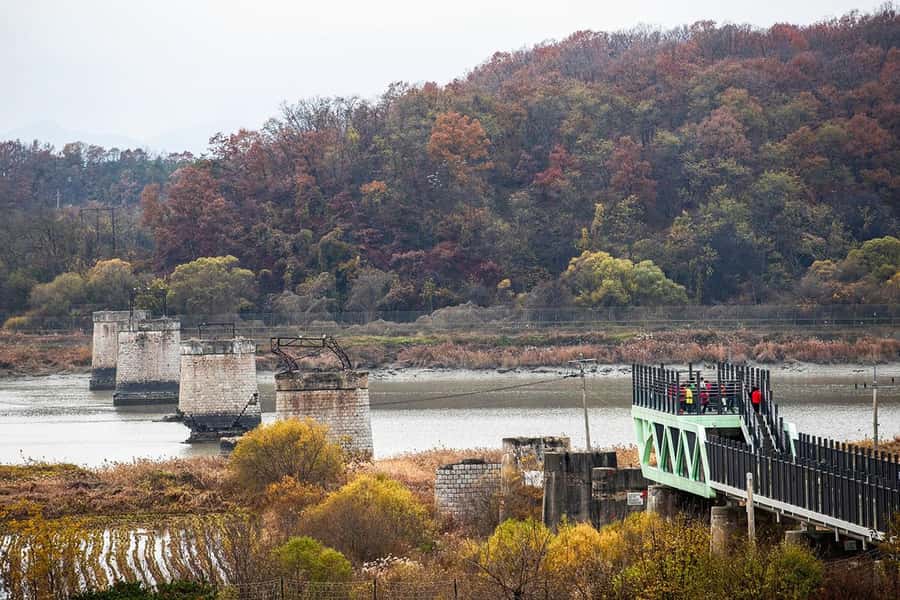
After the DMZ portion, you’ll shift gears at Hantan Geopark, a UNESCO site area. This is where the day stops being purely about borders and becomes about landscape, trails, and water.
At Jaein Waterfall, the experience is both photo-friendly and physically pleasant. You’ll enjoy outdoor time among forests, then look for the best viewpoints for pictures. The tour also includes a thrill element: you can walk on a suspension bridge, which breaks the day into a more active stretch after hours of structured stops.
What I like about the way this tour balances DMZ with geopark nature is simple: it gives your brain somewhere to land. History days can feel heavy. Ending with a waterfall and walking a bridge helps the day stay memorable instead of exhausting.
A minor consideration: since it’s an outdoor stop, your comfort depends on weather. If conditions are rainy or very hot, you’ll want proper shoes and a light layer. Bring what you’d bring for a forest walk, not what you’d bring for a city stroll.
The guide makes the difference: names to watch for and why it matters
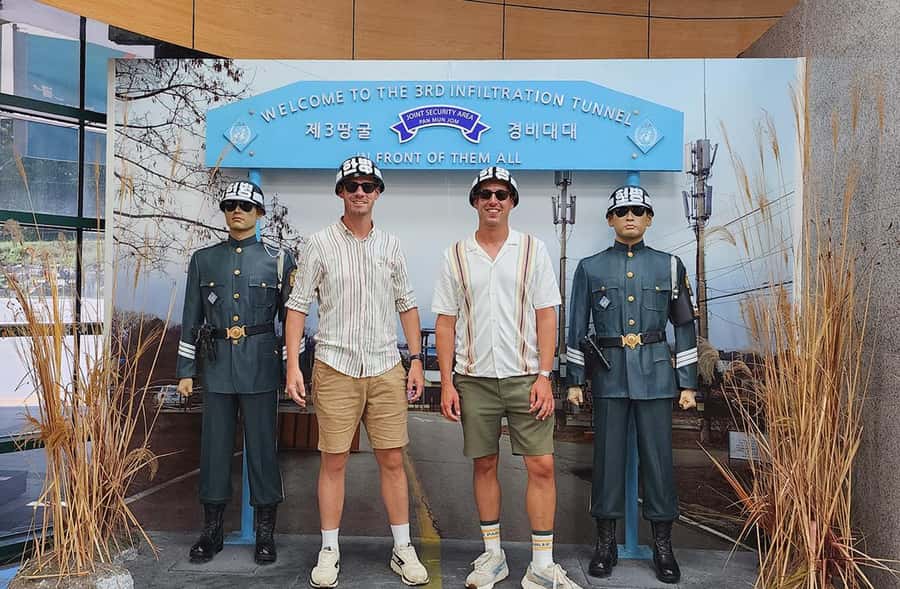
Two guide names from past participants stand out: Alex Kim and Apollo. Both are praised for turning the day into something more than standard facts—learning feels sharper and places feel more connected when your guide has energy and clarity.
Here’s why that matters for your experience: DMZ sites can turn into a blur if you only get surface-level explanations. A good guide gives you a thread. You start to recognize how stops relate: where you stand changes what you can understand, and each monument or structure becomes a clue instead of a random landmark.
If your guide brings that sort of momentum, you’ll likely feel like the long travel time was part of the payoff, not just the cost.
Price and value: is $125 a fair deal?
This tour is listed at $125 per person, and the value comes from what’s included. You get round-trip transportation, admission to attractions, and a professional tour guide. Lunch isn’t included, so you’ll need to plan a meal of your own later (or bring snacks, depending on how the day flows).
So is $125 worth it? For most people doing the DMZ from Seoul, yes, because the DMZ isn’t a “drive over and wander” destination. Security requirements and access limits shape everything, and the tour wraps those realities into a managed day. Add the UNESCO stop at Hantan Geopark and Jaein Waterfall, and you’re buying a structured two-in-one outing: border history plus a guided nature break.
Where you should watch your budget: you’ll pay for lunch and any personal spending. If you’re the type who buys drinks at stops, add a small buffer. If you prefer packing your own water and snacks, you’ll stretch the day more comfortably.
Who this tour is best for (and who might want a different plan)
This tour fits you if:
- you want a guided DMZ day with stops that connect to Korea’s division
- you care about photography with meaning (especially around Imjingak monuments)
- you enjoy history but still want a nature outlet at the end
- you can handle an early start and a long day
You might want to reconsider if:
- you dislike structured, security-controlled schedules
- you want lots of free time to roam independently
- you’re not interested in history explanation and prefer pure scenery-only trips
Think of it as a “learn and observe” day that ends with outdoor movement and waterfall views.
Should you book this DMZTour from Seoul?
Book it if you want one day that covers both the emotional weight of the DMZ and a UNESCO nature payoff afterward. The tour’s biggest strength is how it makes the DMZ understandable through guided context—especially with key stops like Third Tunnel and Dora Observatory—then gives you Jaein Waterfall and a suspension bridge to reset your mood.
If you’re on the fence, here’s the deciding question: do you want history that you can connect to specific places you can stand in? If yes, this is a strong choice. If you only want light sightseeing with no border-history focus, you may find parts of the day feel structured and serious.
FAQ
What passport information do I need to enter the DMZ?
The tour requires each participant’s passport details: name, passport number, date of birth, and gender.
Where does the tour start and end?
The meeting point can vary depending on the option booked, and the tour ends back at the meeting point.
What are the main stops on this tour?
You’ll visit the DMZ region including Imjingak, the third tunnel, Dora Observatory, and Tongilchon, plus Hantan Geopark for the Jaein Waterfall.
Is lunch included in the price?
No. Lunch expenses are not included.
What’s included in the tour price?
The tour includes round-trip transportation, admission to attractions, and a professional tour guide.
Are there multiple languages available?
Yes. The tour is offered in English, Chinese, and Korean.
Can I change my plans after booking?
You can cancel up to 24 hours in advance for a full refund.
Does the tour offer pay later?
Yes. You can reserve and pay later, with no payment required today.