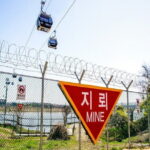
REVIEW · SEOUL
DMZ & NLL Combination Tour
Book on Viator →Operated by Cosmojin Agency · Bookable on Viator
A line of tension runs through this day trip. It’s a guided route to parts of the North Korean border that are usually off limits, plus a second stop that shifts your view from land to sea. I like that the tour includes hotel pickup so you can skip the morning maze, and I also like the pairing of the DMZ with the NLL, so you get more than one angle on the divide. One possible drawback: the day runs close to 10 hours and involves ID checks and rules you’ll need to follow without slowing the group.
You start with a smooth morning pickup, then move from public Korean War–era sites into the controlled border experience where you really need an expert guide. If you’ve ever tried to figure out DMZ access on your own, you’ll appreciate how this setup handles the logistics for you, including the air-conditioned ride between dispersed stops. Still, plan for a military-area vibe: you must follow internal photozone and group rules, and military activity can cause short-notice changes.
I’m also glad they build in comfort and structure with lunch and live entertainment, since waiting around is the enemy of a good day. And based on guide names shared in reviews, you’re likely to be in capable hands, including guides like Han for the DMZ portion and Minsu for the NLL segment. That said, DMZ closures (Mondays and national holidays, with exceptions) mean you’ll want to check your travel dates before you get emotionally attached to this plan.
In This Review
- Key points worth knowing
- Why the DMZ needs a guide, and why the NLL pairing matters
- Price and logistics: what the $142 buys you
- Seoul pickup and your first checkpoint: start smart for an early day
- Imjingak Park: the Korean War era made visitable
- The Unification Bridge (and why locals call it Cow Bridge)
- The DMZ moment: following rules so you don’t slow the group
- A small consideration: photo freedom is not your style
- NLL time: getting the sea-side view of the divide
- Lunch, live entertainment, and how the 10 hours actually feel
- Who this tour is for (and who should reconsider)
- Should you book the DMZ & NLL Combination Tour?
- FAQ
- How long is the DMZ & NLL Combination Tour?
- What documents do I need for the tour?
- Is hotel pickup included?
- Are there days when the DMZ is closed?
- What should I wear?
- What is included in the price?
Key points worth knowing
- Hotel pickup in Seoul reduces stress and gets you to the border faster
- DMZ + NLL in one day gives a land-and-sea perspective of the divide
- Passport/ID checks are part of the process, so pack documents early
- Snug rules at a military site mean you’ll move as a group and follow instructions
- A max group size of 99 keeps the day from feeling like total chaos
- Admission ticket is free for this 10-hour experience, which improves value
Why the DMZ needs a guide, and why the NLL pairing matters
Let’s be direct: without a guide, the DMZ is hard or impossible to access for most people. This tour is built around that reality. You’re not just buying a ticket to see a fence; you’re getting guided access to border-area viewpoints that the general public can’t freely reach.
The smart twist is adding the NLL portion. One review describes it as getting a land and sea view of the gap, and that’s the value. Seeing only the DMZ can leave you with a very landlocked mental picture. Adding the Northern Limit Line segment helps you understand the divide as something that runs from coastlines into inland territory. In practical terms, it means your brain gets two different “settings” for the same tense story.
You can also read our reviews of more tours and experiences in Seoul.
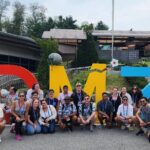
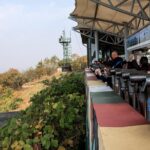
Price and logistics: what the $142 buys you
At $142 per person, this is not a cheap outing, but it’s also not a random add-on. The value comes from the ingredients that usually cost time, money, or both if you DIY them.
What you’re getting that raises the value:
- Professional guide (the key to border-area access)
- Hotel pickup (no hunting for a meeting point)
- Air-conditioned vehicle (important in summer, and also just helpful in winter mornings)
- Lunch and live entertainment (they’re planning to keep the day moving)
- Admission ticket is listed as free for the experience
Could you do parts of this on your own? Maybe you can see “around” the theme. But the DMZ itself is controlled, and that’s where you’ll feel the difference. Paying for the guide and the structured movement between sites is the whole point.
Seoul pickup and your first checkpoint: start smart for an early day
The tour starts early. Your pickup time varies by hotel, with pickup beginning around 7:30 am to 8:10 am. Either way, set an alarm and plan for a little buffer, since traffic can occasionally delay pickup and sending.
The day is designed around group timing, so think of your morning as a “documents first” operation:
- You’ll need a current valid passport if you’re a foreigner.
- Korean participants use identification cards.
- Confirmation happens at booking time, so keep your details handy.
You’ll also want to wear sneakers. The tour notes this requirement, and honestly, border-area movement can mean standing, walking, and moving to photo positions.
One more practical point: you’re not guaranteed a free-flowing itinerary. There are ID checks and military rules. The tour format keeps it moving, but you should expect some waiting and brief instruction moments.
Imjingak Park: the Korean War era made visitable
Your first named stop is Imjingak Park, about 7 km from the Military Demarcation Line. This is one of those places that turns big, abstract history into something you can actually stand in front of.
What I’d focus on here:
- It’s described as being built in 1972 with hopes for unification.
- The park is now at the forefront of tourism tied to the Korean War.
Even if you’re not a history buff, you’ll likely feel the emotional weight. It’s not just scenery; it’s a dedicated space tied to how the war shaped everyday life and still shapes policy today.
The Unification Bridge (and why locals call it Cow Bridge)
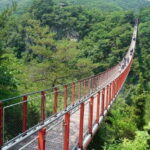
Next comes the Unification Bridge, built in 1998. It’s symbolic, spanning the Imjingang river, and it has the nickname Cow Bridge.
That nickname matters because it signals something real: people build their own language around serious places. It’s not a sterile monument. You’re seeing how locals frame unification hopes in a way that sticks.
If you’re the type who likes details, watch how the bridge is used as a visual reference point. It’s the kind of spot where your photos will actually tell a story, not just capture a border-themed sign.

The DMZ moment: following rules so you don’t slow the group
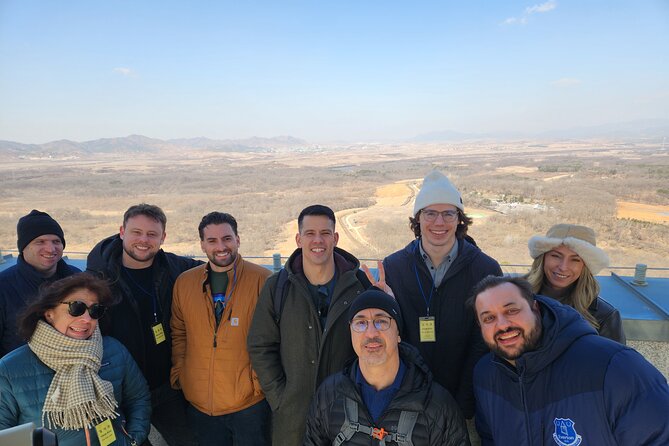
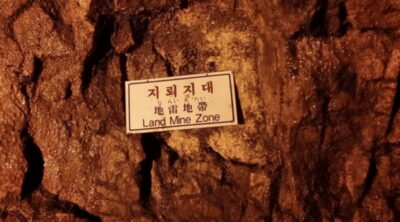
Once you move from the earlier public sites into the DMZ experience, the tone changes. This is a military area, and the tour explicitly warns that visitors must follow internal rules.
That means:
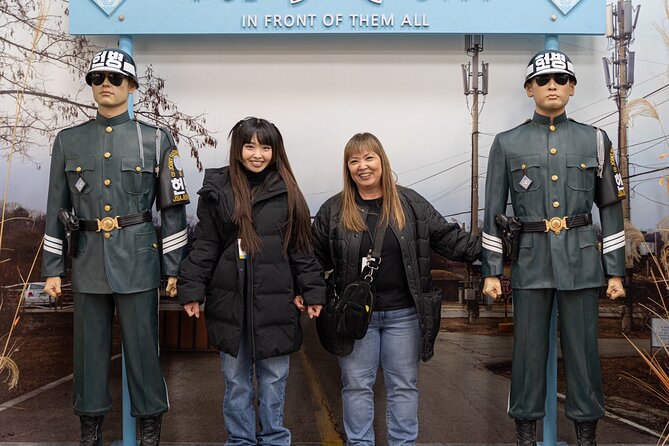
- You’ll have a photozone structure.
- You must avoid acting outside of the group.
- You may use military shuttle buses as part of the movement plan.
One review reference (and the tour rules themselves) point to soldiers visible through the window during the ID check. Whether you find that striking or just informative, it’s part of what makes the experience feel real. This isn’t a museum diorama. It’s a working, managed border zone.
A small consideration: photo freedom is not your style
If your ideal travel day includes lots of wandering off on your own, this might frustrate you. The tour format is controlled for a reason. You’ll get the viewpoints you’re allowed to see, but you shouldn’t expect to improvise your path.
On the plus side, you won’t waste time trying to figure out what you’re allowed to do. A good guide keeps you aligned with the rules while still making it interesting.
NLL time: getting the sea-side view of the divide
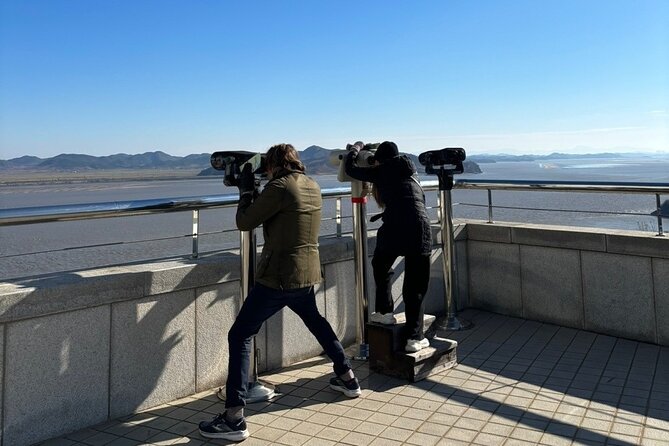
The tour pairs the DMZ portion with the NLL segment, and the value is in that shift from land to sea. One of the highest-rated notes describes it as having a land and sea view of the gap in Korea.
You can think of this as a chance to correct a common mental shortcut: borders don’t exist in one direction. They exist in terrain, logistics, and surveillance—both inland and along coastlines.
Guides in reviews are mentioned by name for this part as well, including Minsu. That matters because the NLL segment isn’t just a quick photo stop. With a guide, you’re more likely to understand what you’re seeing and why it’s set where it is.
I recommend approaching the NLL portion with patience. If you treat it like a scenery bus stop, you’ll miss the point. If you treat it like a second chapter in the same story, it clicks.
Lunch, live entertainment, and how the 10 hours actually feel
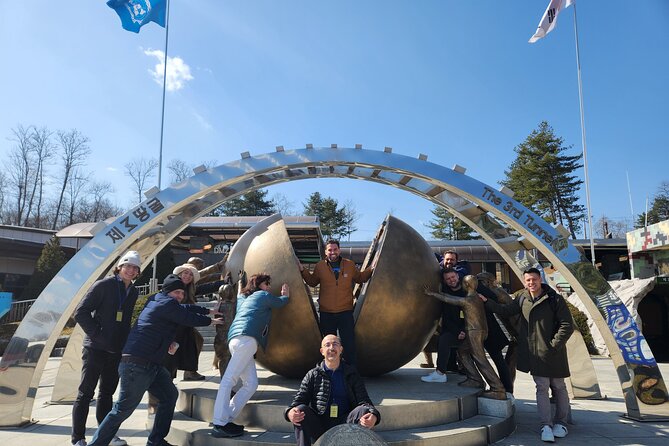
This experience runs about 10 hours. That’s long enough to get value, but not long enough to lose the day to bloat. The plan includes lunch and live entertainment, which is useful in a day where the main activities can involve waiting for instructions, checks, and group movement.
The likely benefit for you is simple: you won’t have to guess where to eat or how to keep energy steady between the DMZ and the NLL portion. You’ll also be less stuck doing the travel-time math alone, since the day is structured around a climate-controlled vehicle.
Still, treat it as a full-day commitment:
- you’ll start early
- you’ll follow a group rhythm
- and you’ll want comfortable footwear since the experience is not all sitting
Who this tour is for (and who should reconsider)
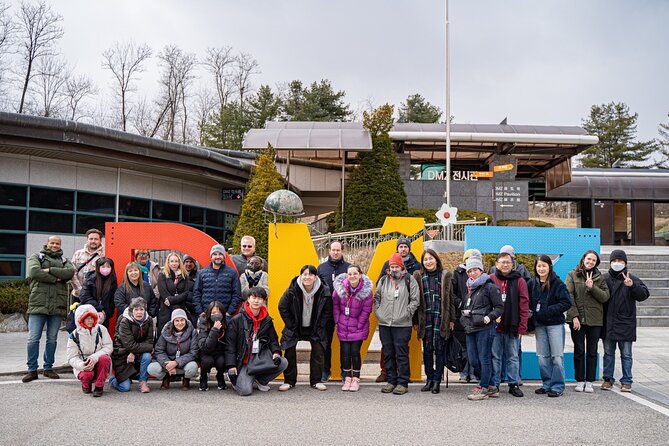
This is a strong fit if you:
- want a DMZ day trip from Seoul without wrestling with access details
- prefer guided explanations over reading signs for hours
- like structure when the site itself is strict and rule-based
- want more than one perspective by pairing DMZ with the NLL
It’s a less perfect fit if you:
- want maximum freedom to roam independently at the border
- dislike long, structured days with checkpoints
- travel without the right documents (you’ll need a passport, or an ID if Korean)
Also worth noting: DMZ is closed every Monday and on national holidays, with exceptions listed for Seollal and Chuseok. If your dates land on one of those closures, you may need to adjust plans.
And in a military area, tours can be canceled on short notice due to military activities. That’s not a reason to avoid booking, but it’s a reason to keep your schedule flexible if you can.
Should you book the DMZ & NLL Combination Tour?
If your goal is a high-value DMZ day from Seoul with less friction, this is an easy yes to consider. The biggest reason is not the price alone—it’s the guided access and the fact that you’re getting a second chapter via the NLL, which turns the day into a fuller understanding of the divide.
Book it if:
- you want DMZ access that actually works
- you value hotel pickup and a timed route
- you’re curious about the border from both land and sea angles
Skip or postpone it if:
- your travel dates hit a DMZ closure day (Mondays and national holidays, with the noted exceptions)
- you can’t meet document requirements (passport for foreigners)
- you strongly prefer independent exploring in uncontrolled spaces
FAQ
How long is the DMZ & NLL Combination Tour?
It runs for about 10 hours.
What documents do I need for the tour?
A current valid passport is required on the day of travel for foreigners. Koreans need a valid identification card.
Is hotel pickup included?
Yes, hotel pickup is included. Hotel drop-off is not included.
Are there days when the DMZ is closed?
Yes. The DMZ is closed every Monday and on national holidays, except for Seollal and Chuseok.
What should I wear?
Sneakers are required.
What is included in the price?
The tour includes a professional guide, lunch, live entertainment, hotel pickup, and an air-conditioned vehicle. The admission ticket is listed as free for this experience.