Korea’s hard history is written into the streets. This tour moves through two different routes—independence and later democracy—so you can see how one fight bled into the next. I like that it’s organized around real places, not just broad speeches, and it’s guided in English with admissions and transport handled for you.
What I love most is the two-package structure: you can take the independence half, the democracy half, or do both for the full arc. I also really appreciate the strength of the stops—Seodaemun Prison History Hall and Namsan’s KCIA sites hit hard, and the context helps you understand why these locations matter. One possible drawback: the themes are heavy, and if you go expecting a lighter “history walk,” you may feel worn out by the end.
In This Review
- Key Highlights You’ll Notice Right Away
- A Seoul Tour That Connects Independence to Democracy
- Seodaemun Prison History Hall: Where Freedom Cost Real Bodies
- Dongnimmun Gate: A Monument That First Promised Freedom
- Dilkusha (Albert W. Taylor House): The American Journalist Thread
- Tapgol Park and the March 1st Movement
- National Museum of Korean Contemporary History: The Timeline Piece
- Tongin Traditional Market Lunch: History at Street Level
- Namsan KCIA Headquarters: Surveillance and Fear, in Physical Form
- Korea Democracy Foundation: From Former Police Building to Public Memory
- How Long It Really Takes in Your Day
- Price and Value: Getting Admissions and Transport for About $57
- Group Size, Guide Style, and English Support
- Practical Tips That Make the Tour Easier
- Who Should Book This Tour (and Who Might Skip It)
- Should You Book Blood & Tears in Seoul?
- FAQ
- What are the two tour options?
- How long does the tour take?
- How much does the tour cost?
- What’s included in the price?
- Are meals included?
- Do I need to remove my shoes at any stop?
- Is the Korea Democracy Foundation visit always the same length?
- How big are the groups, and is the guide in English?
- Is free cancellation available?
Key Highlights You’ll Notice Right Away
- Two routes, one story: Then: Fight for Independence and Now: Road to Democracy, either separately or together.
- A guide that makes the setting click: In past groups, guides like Joseph and Jonathan were praised for being friendly and well prepared.
- Major sites with admission included: Seodaemun Prison History Hall is ticketed, and the tour covers those entry fees.
- Symbol places, not just museums: Dongnimmun Gate and Tapgol Park connect key events to physical landmarks.
- Lunch time built in on the democracy route: Tongin Traditional Market is included, so you’re not scrambling for food.
- Small groups: Maximum of 10 travelers, so you’re more likely to hear details clearly and ask questions.
A Seoul Tour That Connects Independence to Democracy
This isn’t a “pick a couple photos and go” kind of history stop. The Blood & Tears idea is that Korea’s fight for freedom didn’t arrive all at once—it moved through different eras, with different targets and different tactics. You’ll walk away with a clearer chain of cause and effect.
You also get a real choice. If you want the colonial-era struggle, you pick the independence track. If you’re more focused on postwar political conflict, you choose the democracy track. And if you want the whole story, you can do both and let the earlier resistance inform what comes later.
You can also read our reviews of more historical tours in Seoul
Seodaemun Prison History Hall: Where Freedom Cost Real Bodies
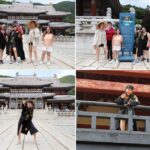
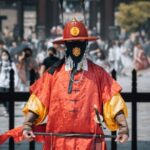
If there’s one stop that sets the emotional temperature for the whole tour, it’s Seodaemun Prison History Hall. You’re stepping into a former prison used under Japanese rule, known for brutal torture, imprisonment, and executions of Korean freedom fighters. Even if you’ve read the headline version of this era, this place forces you to see it as lived suffering.
The value here is the framing. A tour guide can explain why a prison like this became part of a larger system of control, not just a single bad building. This is the kind of site where details help you pay attention, instead of just feeling overwhelmed and moving on too fast.
Dongnimmun Gate: A Monument That First Promised Freedom
Next comes Dongnimmun Gate (the Dongnimmun Arch in the tour wording). It’s presented as a symbol tied to lost sovereignty—first built to celebrate Korea’s independence, later becoming a witness to colonization. That shift is the point.
You’ll likely find it easier to understand the story arc when the tour toggles between physical symbols and brutal reality. A gate can sound simple until a guide explains what changed around it. Then you start reading the city differently.
Dilkusha (Albert W. Taylor House): The American Journalist Thread
Dilkusha—listed as the Albert W. Taylor House on the tour—adds another angle: the role of outside attention in exposing atrocities. The house is described as home to an American journalist who helped put Japan’s atrocities on the world’s radar.
One practical note: you may need to remove your shoes here. The tour says slippers are provided on-site, so you don’t need to bring anything fancy. Still, it’s smart to plan for this with socks that feel okay for a museum-style visit.
Tapgol Park and the March 1st Movement
Tapgol Park is where the tour anchors the March 1st Movement. It’s described as the birthplace of that movement in 1919, when Korea’s early calls for independence sparked a nationwide revolution.
The reason this stop matters for your understanding is timing. If Seodaemun gives you the punishment side of resistance, Tapgol Park gives you the organizing side—collective action that spread beyond one location. Together, the two stops help you see resistance as both danger and momentum.


National Museum of Korean Contemporary History: The Timeline Piece
If you choose the Road to Democracy option, your foundation starts at the National Museum of Korean Contemporary History. The tour frames this museum as a way to understand Korea’s transformation—from colonization through postwar struggle and rapid growth—leading into the political conflict that follows.
Museums can be hit or miss on guided tours, but this one earns its place because it’s meant to give you the big picture. When you later visit sites tied to interrogation, surveillance, and resistance, you’ll have a timeline in your head instead of just isolated facts.
Tongin Traditional Market Lunch: History at Street Level
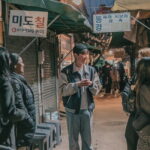
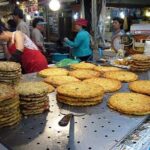
On the democracy track, Tongin Traditional Market is not just a stop to walk. It’s where lunch fits into the plan, with time to wander the alleys and eat among everyday stalls.
What I like about this kind of pause is that it keeps the day from turning into nonstop solemnity. You get a break without losing the connection to ordinary life in difficult times. The tour positions the market as a gathering place for people under extraordinary pressure—so lunch feels like part of the story, not a random detour.
Tip: if you care about lunch timing, keep an eye on the group schedule. Markets move fast, and you don’t want to rush your food because you’re late back with the guide.
Namsan KCIA Headquarters: Surveillance and Fear, in Physical Form
Namsan is where the tone shifts again, from colonial-era imprisonment to postwar repression. The tour describes the KCIA headquarters as a place where dissidents were interrogated and tortured during military rule.
This is heavy material, but it’s also unusually specific compared with generic “political history” tours. Because the tour connects these events to particular sites, you’re not just learning that oppression happened—you’re learning where, and why that geography matters. When you understand how a system works, you can better understand how opposition had to take form.
Also, Namsan is a hill area, so expect that walking time can feel a bit more demanding depending on weather and how the group sets its pace.
Korea Democracy Foundation: From Former Police Building to Public Memory
The Korea Democracy Foundation rounds out the democracy route. The tour notes it’s housed in a former police building and is used to honor Korea’s hard-won democracy. The exhibits cover protests, uprisings, and reforms, with attention to the citizens who fought for change.
This stop is valuable because it shows how the story transitions from suppression to organized civic action. It’s not only about what was done to people—it also explains what they did in response, and how reform became possible.
One practical consideration: the tour says the visit may be adjusted depending on on-site conditions. That means the exact timing might shift, so it’s smart not to plan any tight commitments right after your tour.
How Long It Really Takes in Your Day
The tour is listed as 4 to 7 hours, but real life matters. One past group shared a full day that stretched from about 9:50AM to 3PM, with the tour running longer than expected. That doesn’t mean it’s poorly planned—it usually means the guide took time for context at each stop, and the day stayed packed.
So I’d plan for a longer day than the bare minimum. Give yourself buffer time for transit and for bathroom breaks at major stops. If you stack dinner reservations right after, you might feel rushed.
Price and Value: Getting Admissions and Transport for About $57
At $57.14 per person, the tour sits in the “serious history without going private” range. The big value is that admission fees are included, plus public transportation fees during the tour. English speaking guidance is also included.
That matters because you’re not just paying for a walking guide. You’re paying for access to specific sites and for the time spent moving through them efficiently. It’s often cheaper to pay for a guided itinerary than to pay individual museum tickets and then still figure out the logistics.
If you choose to do both tracks in one go, you’re getting more stops and a fuller arc for the same day effort. If you’re tight on time, picking one track still gives you a coherent experience.
Group Size, Guide Style, and English Support
This tour caps out at 10 travelers, which is a sweet spot. With a smaller group, the guide can explain details without losing everyone to the back of the line. In the past, guides such as Joseph and Jonathan were specifically praised for being superb, knowledgeable, friendly, and professional, with lots of behind-the-scenes stories.
Even if you know some Korean history already, a good guide helps you connect the dots. The strongest tours don’t just report facts—they explain why a place was chosen, what it meant to people at the time, and how the next era grew out of the previous one.
Practical Tips That Make the Tour Easier
A few things can make your day smoother.
First, wear shoes you can handle for multiple stops. Even when some stops are short, you’ll likely do plenty of walking across Seoul neighborhoods and in hillier areas like Namsan.
Second, prepare for shoe removal at Dilkusha. Slippers are provided, but you’ll feel better if your socks are comfortable enough for that.
Third, bring a layer. Weather can swing in Seoul, and you don’t want to be stuck cold or too hot while standing still for explanations.
Finally, keep your expectations aligned with the theme. This is a resistance-and-oppression tour, so the subject matter is going to get emotional. If you go in with respect for that, you’ll get more out of the explanations.
Who Should Book This Tour (and Who Might Skip It)
You should book this if you want history that links eras together. If you’re curious about how Korean independence resistance and later democratic movements connect, the two-package format is built for that.
You’ll also enjoy it if you like guided storytelling. The tour format is designed for you to hear the context as you stand in front of the places where events unfolded.
Skip it if you want a light day or you dislike topics involving torture, imprisonment, and political repression. You can still learn a lot, but the emotional weight is part of the experience.
Should You Book Blood & Tears in Seoul?
Yes—if you want a structured, English-guided route through Korea’s most consequential freedom struggles. The price is reasonable for a tour that includes admission fees and public transportation, and the small group size helps you actually hear the guide instead of tuning out.
If you’re short on time, pick the track that matches your interest. Independence gives you the colonial resistance backbone through sites like Seodaemun and Tapgol Park. The democracy route gives you postwar context through the contemporary history museum and then focuses on KCIA-era repression and later civic reform.
Either way, go in with patience for a longer day than you might expect. This tour earns that time.
FAQ
What are the two tour options?
The tour offers two package options. Package 1 focuses on Then: Fight for Independence, with stops including Seodaemun Prison History Hall, Dongnimmun Gate, Dilkusha, and Tapgol Park. Package 2 focuses on Now: Road to Democracy, with stops including the National Museum of Korean Contemporary History, Tongin Traditional Market, Namsan KCIA headquarters, and the Korea Democracy Foundation.
How long does the tour take?
The duration is listed as 4 to 7 hours (approx.).
How much does the tour cost?
The price is $57.14 per person.
What’s included in the price?
Included items are public transportation fees during the tour, an English speaking guide, and admission fees.
Are meals included?
Meals are not included.
Do I need to remove my shoes at any stop?
For Package 1, you may need to remove your shoes when visiting Dilkusha. Slippers are provided on-site.
Is the Korea Democracy Foundation visit always the same length?
The tour notes the visit may be adjusted depending on on-site conditions.
How big are the groups, and is the guide in English?
The tour has a maximum of 10 travelers, and it includes an English speaking guide.
Is free cancellation available?
Yes. You can cancel up to 24 hours in advance for a full refund.