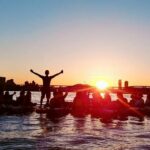
Two wheels, Joseon palaces, and street-food stories. This bike tour threads together Joseon Dynasty sites with the neighborhoods locals actually use, while your guide connects the past to the way Koreans live today.
I love how the stories go beyond dates, landing on the why and how behind palace power and daily life. I also like the practical mix: major landmarks plus local alleys and a street snack along the way.
One thing to consider: this is a 3-hour ride with a light snack, not a full meal—so plan dinner afterward.
In This Review
- Key highlights you should know
- Why a Joseon-Era Bike Tour Works Better Than Another History Walk
- Meeting at Euljiro 2(i)-ga: What You’ll Actually Do First
- Cheonggyecheon Stream: Feng Shui Water and the City’s Big Change After 1960
- Seoul City Hall: From Central Power to the Way Seoul Thinks Now
- Deoksugung and Doldam-gil: Palace Endings and Stone-Wall Atmosphere
- Jung-dong’s Church Streets: Western Faith at the End of Joseon
- Gyeonghuigung and Gwanghwamun Square: Kings, Insecurity, and Two Big Figures
- Gyeongbokgung Palace Gates: Feeling the 600-Year-Old Architecture
- Samcheongdong-gil Road and Jongno 3 Stalls Alley: Where the Local Day Hangs Out
- Snacks, Water, and How Much Food You Should Expect
- Pace and Fitness: Gentle Riding, Real Seoul Traffic Energy
- Price and Value: What You’re Paying For at $76.99
- Who This Tour Suits Best (and Who Might Prefer Something Else)
- Should You Book This Joseon-Era Bike Tour?
- FAQ
- How long is the bike tour?
- What does the tour cost?
- Where do you meet, and when does it start?
- What’s included in the price?
- Is dinner included?
- What if the weather is bad?
Key highlights you should know
- Small-group feel (up to 8 riders) means more time for questions and calmer pacing
- Helmets and lights included, so you’re not figuring safety out mid-tour
- Joseon-era palaces in central Seoul without the stress of hopping lines and walking everywhere
- Cheonggyecheon Stream plus modern streets shows how Seoul changed after 1960
- A snack stop with local favorites like hotteok and fish-shaped pastries, plus water
- Gentle, non-strenuous riding, praised in guides like Sangwoo and Hyun
Why a Joseon-Era Bike Tour Works Better Than Another History Walk
Seoul history can feel big and wordy when you’re only reading signs. On a bike, it feels more like a story you’re physically moving through. This tour is built around the Joseon Dynasty and the palace-centered layout of central Seoul, and it does something smart: it doesn’t treat palaces like museum pieces. You see the architecture at human speed, then move into nearby streets where everyday life still plays out.
The ride is also timed with cooler evening air in mind—at least in spirit. Even if your exact departure time is daytime (the tour lists a 10:00 am start), the route is still designed for comfortable exploring and better outdoor conditions. And if you catch one of the later departures, you’ll likely get that softer light that makes palace walls and gates look extra real.
I also like that you’re not stuck with only “palace and more palace.” The route keeps swinging back toward city texture—cafes, boutiques, church streets, and snack alleys. In other words, you get the political power side and the everyday Seoul side in the same afternoon.
You can also read our reviews of more cycling tours in Seoul
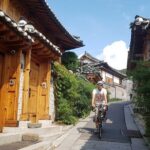
Meeting at Euljiro 2(i)-ga: What You’ll Actually Do First
Your start point is 123 Euljiro 2(i)-ga, Jung District, and you finish back at the same place. That matters more than it sounds. It cuts down on transit hassle and helps you keep the day’s momentum.
Right at the beginning, you get the equipment you need:
- a bicycle
- helmets and lights
- bottled water
- a street snack stop later
The guide is English-speaking and the group size tops out at 8 people, which helps keep the pace relaxed. Reviews specifically call out guides such as Sangwoo and Hyun for making the ride feel safe and easygoing. If you’ve ever tried to keep up on a “history marathon” walking tour, this format is a relief.
Also, you’ll have a mobile ticket, which is one less thing to manage while you’re moving through Seoul’s streets.
Cheonggyecheon Stream: Feng Shui Water and the City’s Big Change After 1960
The ride starts with Cheonggyecheon Stream, and the explanation has a strong “why this place mattered” focus. The guide ties in the idea of feng shui, noting that ancestors treated this stream as key water for the capital. That kind of framing helps you look at the stream as more than pretty views—you start seeing it as part of how the city was planned and understood.
Then there’s the modern contrast. The tour highlights that until 1960, Cheonggyecheon looked surprisingly different from what you see today, including how people lived around it. Even without getting lost in heavy details, this stop gives you a clean before-and-after mental model: Seoul’s historic choices, then Seoul’s redevelopment.
Practical note: this is a short stop (about 15 minutes), so come ready to listen and move on. It’s not a long sit-and-stare moment.
Seoul City Hall: From Central Power to the Way Seoul Thinks Now
Next up is Seoul City Hall, framed as a question: where do rich and powerful people live today? Then the guide flips it—how did central Seoul work in the Joseon era?
Even though City Hall isn’t a palace, it’s a useful pivot point. It helps you understand that power and administration have shifted locations and systems over time, but the “central” idea keeps showing up. The short stop (about 5 minutes) is more about direction than deep study.
If you like tours that teach you how to read the city—where authority sits, where it used to sit—this part helps you get your bearings fast, without turning into a lecture.
Deoksugung and Doldam-gil: Palace Endings and Stone-Wall Atmosphere
Deoksugung is the next major stop, and the tone changes. The guide connects it to the end phase of Joseon, describing it as tied to the last king’s residence and to the uneasy fading of the kingdom. That’s a powerful way to set context before you move into smaller streets.
Then you roll into Deoksugung Doldam-gil, a stone-wall street that’s presented in a seasonal way. You’ll hear how the street feels different across spring blossoms, summer greenery, and fall leaves—plus a local legend tied to the place. This is one of those stops where you can almost see why people love Seoul at street level: walls, narrow lanes, and small visual rhythm.
One consideration: these street sections are short, but they’re also where you’ll want to pay attention to directions and keep your balance on the bike. If you’re uncomfortable in tight spaces, tell the guide early.

Jung-dong’s Church Streets: Western Faith at the End of Joseon
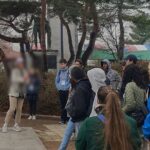
From palace surroundings, you shift to Jung-dong, where the vibe is described as peaceful. The tour points out that Korea has many churches and cathedrals, and then it narrows in on this area because it includes some of the earliest western churches associated with the enlightenment movement at the end of Joseon.
This is a great contrast stop because it’s not palace politics—it’s the arrival of outside ideas in a time of change. You get to think about the Joseon era not only as courts and kings, but as a society exposed to new influences.
This stop is only about 5 minutes, so it’s best treated as a “here’s the thread” moment. You’re setting up questions you can follow later on your own.
Gyeonghuigung and Gwanghwamun Square: Kings, Insecurity, and Two Big Figures
At Gyeonghuigung Palace, the guide uses a human story frame. There’s a focus on Gwanghae, who’s described as having done well during the Japanese invasion in the late 16th century before becoming king. The tour also hints at internal insecurity tied to his origin, and the guide uses that to explain how leaders navigate legitimacy and trust.
Then you bike into Gwanghwamun Square, the power center connection. You’ll hear a guided look at who you’re looking at when you pass through this space, including mention of two of Korea’s most respected historical figures. The stop lasts about 20 minutes, so it’s more than a quick photo break.
If you’re the type who wants the “bigger picture” (how leadership, ideology, and public spaces connect), these two stops are where the tour starts to feel like a focused narrative rather than a list of monuments.
Gyeongbokgung Palace Gates: Feeling the 600-Year-Old Architecture
Gyeongbokgung Palace is the big palace finale in the central stretch, and the tour approach is simple: pause at the entrances, look closely, and take in the architecture. The guide emphasizes that you’re seeing design that still carries a sense of the era, and the stop is about 10 minutes.
For me, this is one of the smartest ways to do a palace stop when you’re on a bike. Full palace wandering can take hours and you can end up exhausted or missing the story. Here, you get the key visual anchors fast—gates, structure, and scale—then you move on while you still have energy.
If you want more time inside the palace grounds afterward, this stop gives you enough context to choose your next step intelligently.
Samcheongdong-gil Road and Jongno 3 Stalls Alley: Where the Local Day Hangs Out
After palaces and squares, you switch into a more everyday Seoul mood with Samcheongdong-gil Road. The tour describes it as a place to see local hangouts: cafes, boutiques, and restaurants, with small alleyways that make the area feel lived-in rather than staged.
Then comes Jongno 3 Stalls Alley, where the guide slows down for conversation and time to rest and admire the location. This is also where the tour can pivot in bad weather: the experience notes that if conditions aren’t good, this cycling time can be replaced by walking.
This is a good moment for you to remember the tour’s real promise: it’s not just about seeing palaces. It’s about seeing how people eat, wander, and linger in the same city that used to run on royal power.
Snacks, Water, and How Much Food You Should Expect
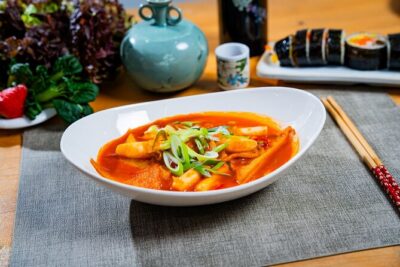
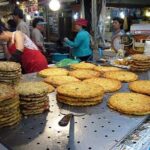
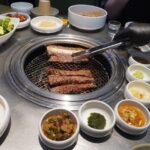
You get bottled water, and you’ll also receive one street snack featuring local favorites. Examples given include hotteok (sweet pancake) and a fish-shaped red bean pastry, and the tour format also includes similar street bites.
Here’s the balanced truth from how the experience is described and how it’s been reviewed: it’s a snack, not a meal. One review feedback point called out that the snack was not too filling and that they were expecting more food and more time in the market. That’s a fair consideration if you’re the type who plans your day around food time.
My practical advice: treat the snack as a taste test. If you want dinner later, keep that slot open. And if you want to eat more during the tour, you can usually do it right after the cycle stops—especially if you want to continue exploring with the same neighborhood vibe.
One helpful detail: a review mentions that bike drop-off was close to the market and the guide provided pin locations so the guest could find their way back later the same day. That’s the kind of small “future you” help that makes an area feel easier to navigate.
Pace and Fitness: Gentle Riding, Real Seoul Traffic Energy
The tour is described as having a moderate physical fitness level, and reviews repeatedly describe it as easy and not strenuous. That fits the overall design: short distances between landmarks, conversational pace at each stop, and plenty of time for photos and listening.
Still, you’re on a bike in a real city. You’ll want to:
- wear closed-toe shoes you trust
- dress for the weather (good weather is required for the ride)
- hold your spot when the group waits—don’t wander and try to catch up
Helmets and lights are provided, which reduces one of the biggest stress points for visitors. Guides like Hyun and Sangwoo are praised for making safety and comfort feel natural from the start.
If you hate the idea of biking altogether, keep in mind that this experience can be swapped for walking if weather is poor. But you still need to be ready to walk enough to keep the tour rhythm.
Price and Value: What You’re Paying For at $76.99
At $76.99 per person for about 3 hours, you’re paying for more than “a bike.” You’re paying for:
- an English-speaking guide
- bike use plus safety gear (helmets and lights)
- bottled water
- a street snack
- access to major central Seoul spots without paid admission fees at those stops
- a route that combines palaces, churches, and food streets without needing separate planning days
You also get a small-group cap at 8 people, which usually means you’re not just herded along. And since this is a mobile-ticket experience, you avoid the hassle of printed paperwork while traveling.
One more practical note: the tour is often booked about 26 days in advance. That suggests it’s popular and can sell out for certain days. If your schedule is fixed, it’s worth booking earlier rather than waiting for the last minute.
Who This Tour Suits Best (and Who Might Prefer Something Else)
This is a strong fit for:
- first-timers who want a Joseon-focused view of central Seoul
- travelers who like history explained through places, not just facts
- people who want to cover several landmark areas without long, exhausting walking
- food-minded visitors who want one real street snack rather than a full restaurant dinner
It may be less ideal for you if you:
- want a long market hangout or a full meal included
- expect a strenuous workout (the ride is described as gentle)
- don’t enjoy bike riding even at an easy pace—because even “gentle” still means you’re cycling in traffic conditions
Should You Book This Joseon-Era Bike Tour?
If you want a “two wheels” way to see old Seoul without turning the day into chaotic subway hopping, I think this is an easy yes. The combination of palace gates, story-driven stops like Gyeonghuigung and Gwanghwamun, plus neighborhood streets around Samcheongdong-gil and Jongno 3 Stalls Alley makes it feel like Seoul’s layers—not just a single theme.
Book it if you value:
- a relaxed pace with a small group
- safety gear included
- an English guide who makes connections
- a quick street-food taste to anchor the cultural stops
Skip it (or pair it differently) if you need a bigger food experience or a longer on-foot exploration of markets. In that case, plan a separate meal after the tour and use the snack as your sampler.
FAQ
How long is the bike tour?
It runs for about 3 hours.
What does the tour cost?
The price is $76.99 per person.
Where do you meet, and when does it start?
The meeting point is 123 Euljiro 2(i)-ga, Jung District, Seoul, South Korea, and the start time listed is 10:00 am. The tour ends back at the meeting point.
What’s included in the price?
You get a bicycle, helmets and lights, an English-speaking guide, bottled water, and a street snack. Admission at the stops is free.
Is dinner included?
No. Dinner is not included.
What if the weather is bad?
The experience requires good weather. If it’s canceled due to poor weather, you’ll be offered a different date or a full refund. The tour also notes that in case of bad weather, biking can be replaced by a walking tour.