REVIEW · SEOUL
Seoul: UNESCO Sites tour: Palace, Shrine & Bukchon Village
Book on GetYourGuide →Operated by I LOVE SEOUL TOUR Co., Ltd. · Bookable on GetYourGuide
Unfolding royal Seoul takes a full day. This tour strings together UNESCO sights in Central Seoul plus the UNESCO-listed fortress at Suwon, with a guide who helps you connect palace layouts, shrine rituals, and old neighborhoods to real Korean life. You’ll start in Myeongdong, walk Bukchon Hanok Village streets, then move through Jongmyo and Changdeokgung, with smart switch-ups when certain days or sites are closed.
I especially like the human side: guides such as Park, Leo, KyungAh Park (Chloe), Stella, and Orota bring clear English and a friendly pace, and they keep the group moving with enough time to look closely. I also like the hands-on photo help and practical advice, including pointing you toward Hanbok shopping and giving you culture and food tips you can use the rest of your trip.
One consideration: it’s a long day with lunch not included, and it runs rain or shine, so you’ll want comfortable shoes and a plan for weather. Also, the tour is not suitable for wheelchair users, so it may not work if accessibility is a must.
In This Review
- Key moments that make this tour worth your time
- Getting oriented at Myeongdong before the UNESCO sprint
- Bukchon Hanok Village: hanok streets, cafés, and quick photo wins
- If Bukchon is closed, you still get the hanok experience
- Jongmyo Royal Shrine: what an ancestor shrine teaches you
- What to look for during your stop
- Tuesdays change everything: Insa-dong Culture Street instead of Jongmyo
- Changdeokgung Palace: UNESCO royal residence and garden design lessons
- If it’s Monday, the palace swap still gets you royal Seoul
- The Cheongha Korea Ginseng stop: ancient medicine, with modern context
- Suwon arrives: Hwaseong Fortress and late-18th-century engineering
- Hwaseong Haenggung Palace: a temporary royal base
- Lunch timing: included as a break, paid as a meal
- Transport, pace, and rain-or-shine reality
- Price and value: why $36 can work for this many sites
- Who should book this tour, and who might not
- Should you book the Seoul: UNESCO Sites tour with I LOVE SEOUL TOUR?
- FAQ
- What time and where does the tour start?
- Is lunch included in the price?
- Which UNESCO sites are visited?
- What happens if Jongmyo is closed?
- What happens on Mondays at Changdeokgung?
- What if Bukchon Hanok Village is closed?
- Is the tour suitable for wheelchair users?
Key moments that make this tour worth your time
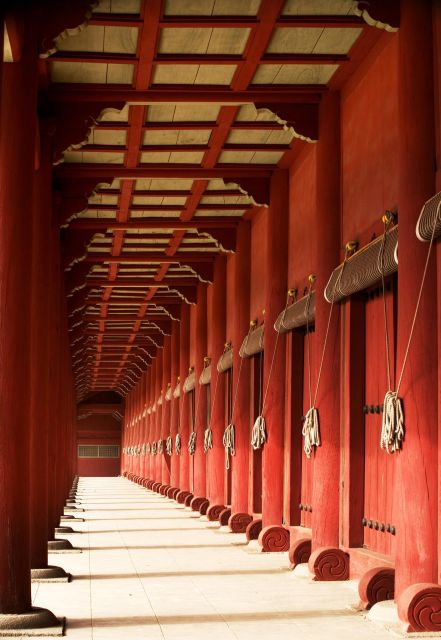
- Bukchon Hanok Village: traditional hanok streets that double as cafés and cultural stops, perfect for seeing how old Seoul fits modern routines.
- Jongmyo Royal Shrine: a deeper look at ancestor rites and the way Korean kings honored their predecessors.
- Changdeokgung Palace: palace design plus landscaped gardens that teach you how royals shaped everyday aesthetics.
- Day-of-week swaps: Tuesday goes to Insa-dong, and Monday shifts you to Gyeongbokgung, so you still get a royal Seoul hit.
- Suwon Hwaseong Fortress: UNESCO walls and late-18th-century military engineering, plus a temporary royal residence at Hwaseong Haenggung Palace.
Getting oriented at Myeongdong before the UNESCO sprint
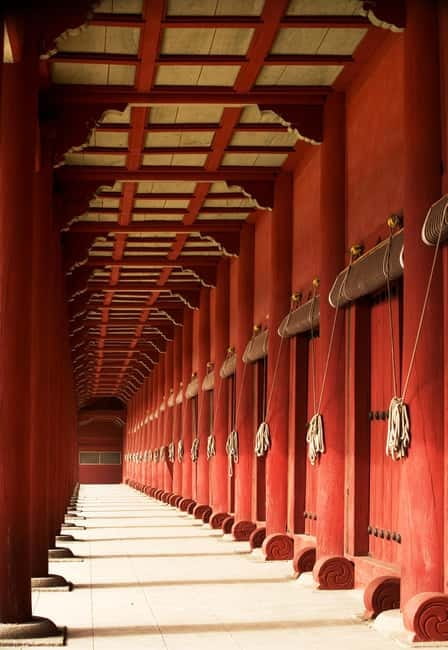
Meet outside exit #10 of Myeong-dong subway station at 08:30 am, then you’re off by van with a driver. The morning start matters because you’ll be walking in multiple neighborhoods where timing can get tight, especially once you factor in travel between Seoul and Suwon.
This is a guided day with entrance fees included and a professional English-speaking guide. If you like understanding what you’re looking at while you’re looking at it, you’ll appreciate that the tour doesn’t treat the sites like checkboxes.
You can also read our reviews of more tours and experiences in Seoul.
Bukchon Hanok Village: hanok streets, cafés, and quick photo wins
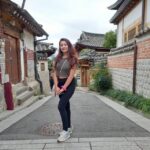
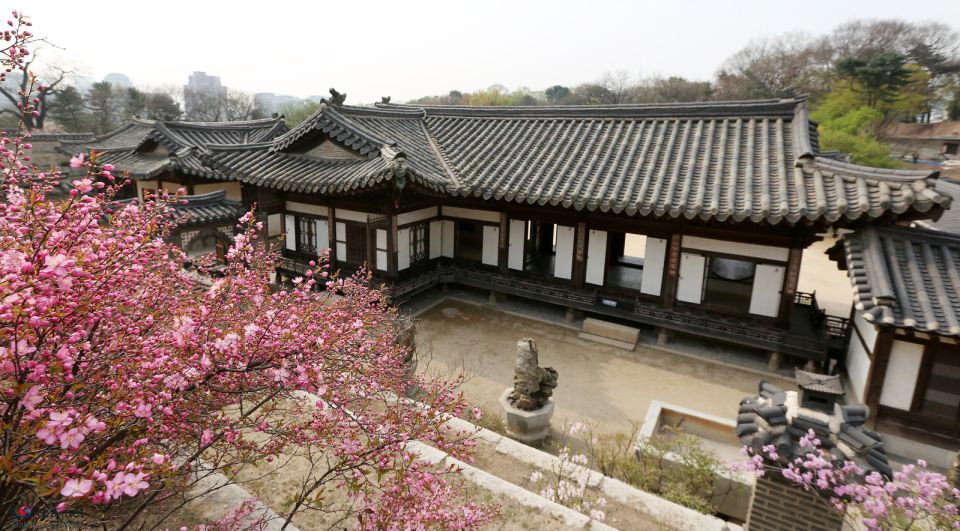
Bukchon Hanok Village is the kind of place where you slow down without realizing it. You’ll stroll past preserved traditional houses, the hanok, with architecture that’s built for daily living, not just sightseeing.
Many houses have been adapted into cafés and cultural centers, so you get that real mix of old forms and current Korean habits. This is also where your guide helps you see details quickly, which makes your photos look more like you knew the place on day one.
If Bukchon is closed, you still get the hanok experience
If Bukchon Hanok Village is closed, the visit is replaced with Namsangol Hanok Village. That keeps the theme intact, so you don’t lose the traditional neighborhood time even if the original location isn’t available.
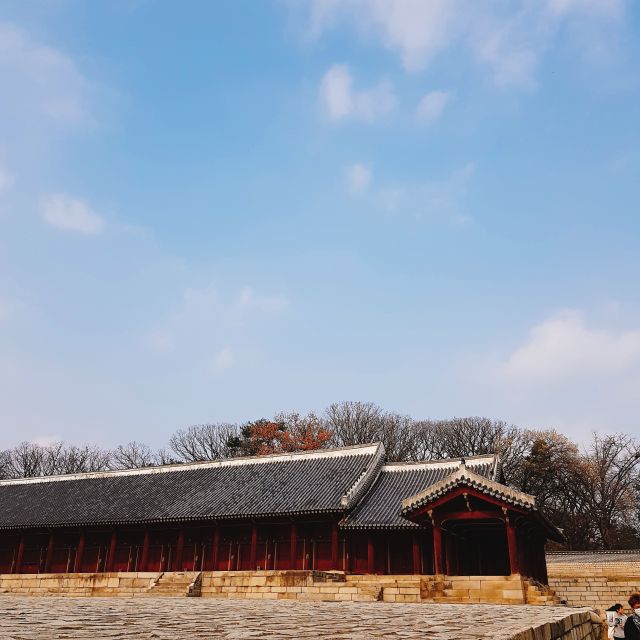
Jongmyo Royal Shrine: what an ancestor shrine teaches you
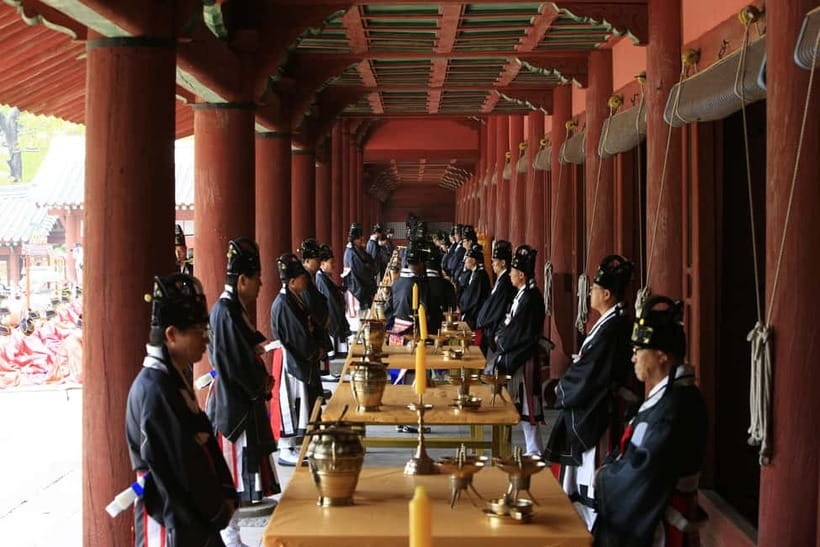
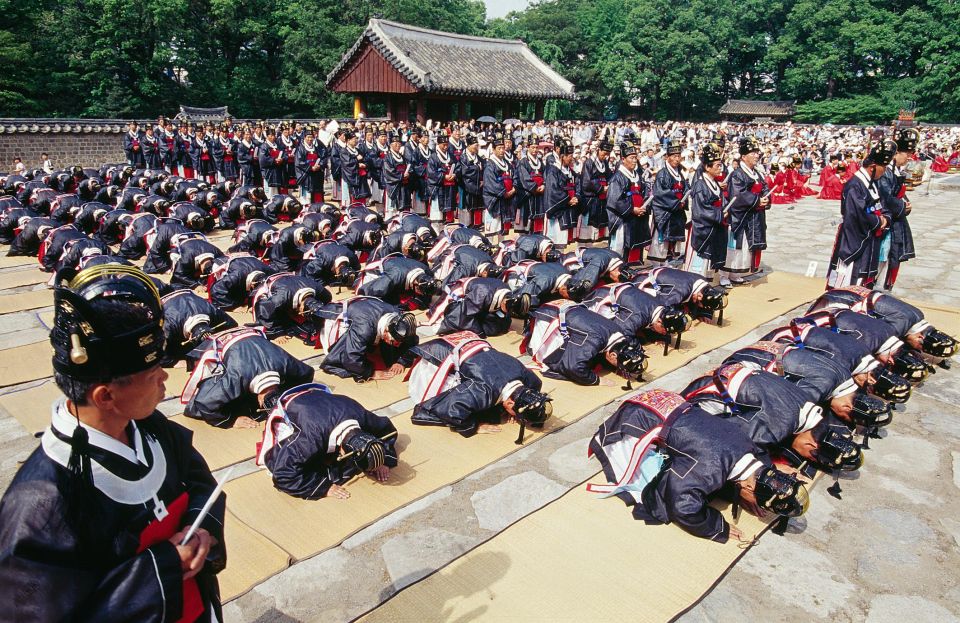
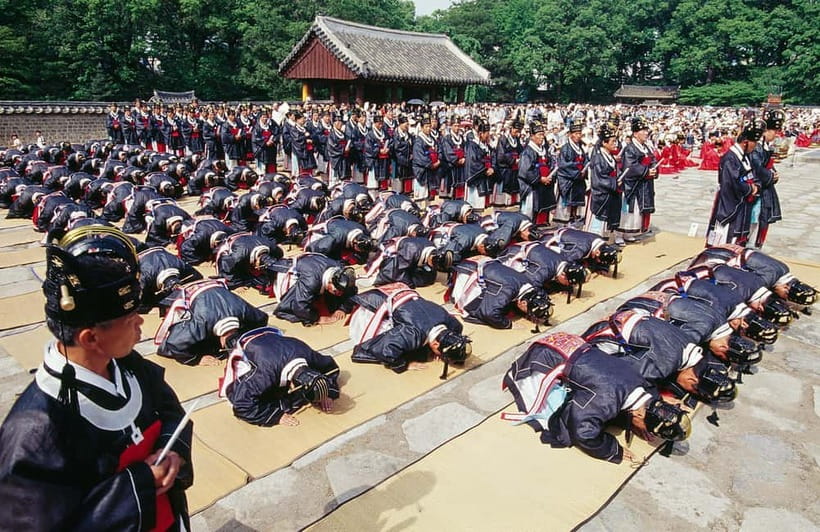
Next comes Jongmyo Royal Shrine, built for royal ancestral rites and recognized as a UNESCO World Heritage Site. Kings historically came here to pay respects to past monarchs, so this isn’t just an old building. It’s a statement about how power, family lineage, and ritual connected in Korean history.
The shrine is also described as a sacred space where ancient spirits are said to reside, and it occasionally hosts traditional memorial ceremonies and court music performances. Even when there’s no ceremony on your day, your guide can help you understand why the atmosphere is meant to feel formal and grounded.
What to look for during your stop
You’ll get more out of Jongmyo if you focus less on guessing details and more on how the space is organized. A good guide turns this into a story about remembrance and continuity, not just stone and gates.

Tuesdays change everything: Insa-dong Culture Street instead of Jongmyo
Jongmyo Royal Shrine is closed on Tuesdays, so the tour replaces it with a visit to Insa-dong Culture Street. This old-town area is known for antique shops, galleries, and traditional tea houses, so you shift from royal ancestor ritual to a more everyday cultural scene.
This swap is useful because it still keeps you in a traditional Seoul lane. You trade a formal shrine experience for browsing, tea stops, and a chance to see crafts and objects that reflect local taste.
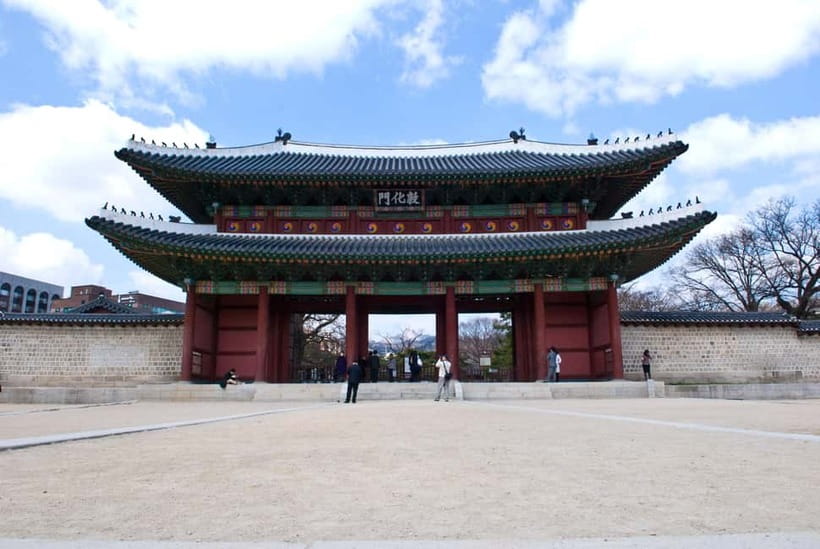
Changdeokgung Palace: UNESCO royal residence and garden design lessons
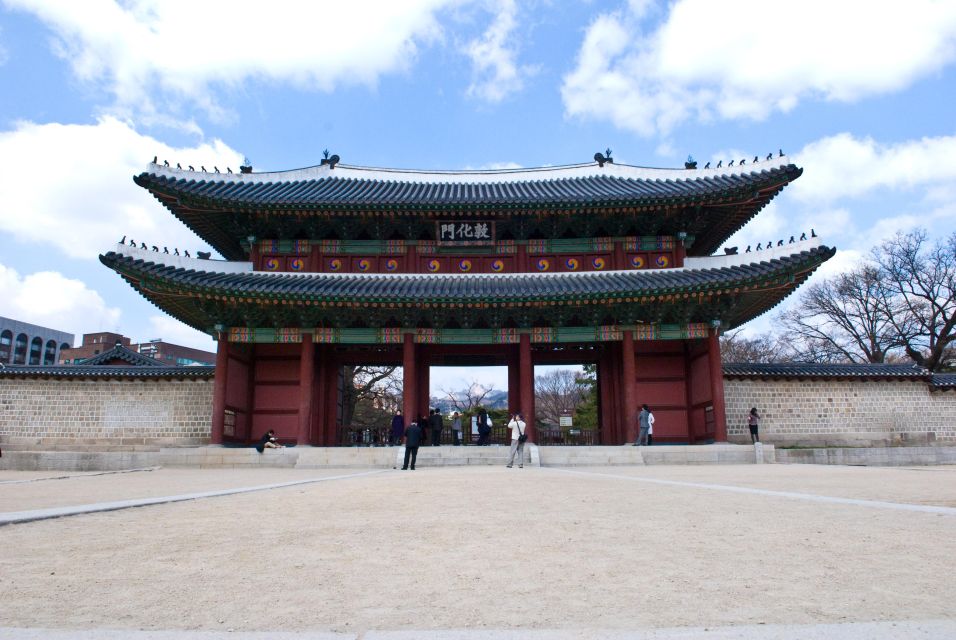
After the shrine segment, you head to Changdeokgung Palace, another UNESCO-listed site. It was once a royal residence, and what you’ll notice is the pairing of elegant architecture with landscaped gardens that reflect traditional Korean design.
This is a palace you can enjoy even if you do not love museums. A guide helps you read the design logic: where people moved, how the space supported ceremony, and how the gardens weren’t decorative afterthoughts. You’re basically learning how the royals liked the world to feel.
If it’s Monday, the palace swap still gets you royal Seoul
On Mondays, Changdeokgung Palace is replaced by Gyeongbokgung Palace. So you still get a major royal palace experience even when Changdeokgung isn’t the working choice that day.
The Cheongha Korea Ginseng stop: ancient medicine, with modern context
After palace time, there’s a stop at Cheongha Korea Ginseng. You’ll learn about Korean ginseng’s place in East Asian medicine, including that it dates back to records during China’s Han Dynasty in a classic medical text.
The tour frames Korean ginseng as highly valued for adaptogenic properties—supporting your body’s response to stress and general health. You do not have to buy anything to get value from this stop. It’s more like a cultural and historical checkpoint that adds context to what you might see in markets and pharmacies around Korea.
Suwon arrives: Hwaseong Fortress and late-18th-century engineering
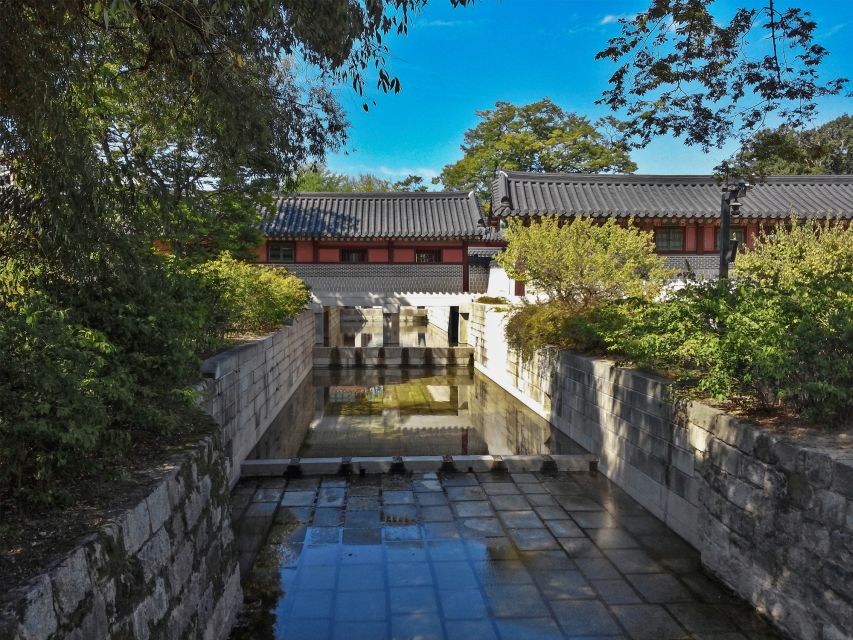
In the afternoon you continue to Suwon, in Gyeonggi-do Province, to explore Suwon Hwaseong Fortress, a UNESCO World Heritage Site. This is one of those places where history feels technical in a good way.
The fortress is described as well-preserved and known for advanced military engineering from the late 18th century. If you like walls, structure, and the logic behind defenses, you’ll likely enjoy this portion more than you expect.
Hwaseong Haenggung Palace: a temporary royal base
You also visit Hwaseong Haenggung Palace, a temporary residence used when kings traveled outside the capital. This pairs well with Hwaseong because it shows the fortress wasn’t only about war. It was also about governance, movement, and keeping royal routines going while away from Seoul.
Lunch timing: included as a break, paid as a meal
The tour provides a lunch break, but the cost of the meal is not included. That’s normal for many guided days, but it’s important for planning your day budget.
My advice: treat lunch as your recharge time. You’ll be walking and transferring between neighborhoods, so pick something simple and easy to eat without slowing the group too much.
Transport, pace, and rain-or-shine reality
You’ll ride in a van with a driver between stops. Entrance fees are included, and you’re traveling with a professional guide, which reduces the guesswork that can slow you down on your own.
The day runs rain or shine, so you’ll want shoes that handle wet streets and a light layer. The tour isn’t designed as a slow stroll. It’s a structured day with enough time to look, plus enough momentum to see several major sites.
Also note: alcohol and drugs are not allowed. That’s a straightforward rule, but it helps the day stay orderly.
Price and value: why $36 can work for this many sites
At $36 per person, the value comes from the combination, not from any single stop. You’re covering multiple major cultural anchors in Seoul and then adding UNESCO fortress time in Suwon—without paying separate entry fees thanks to what’s included.
You also get something that’s hard to replicate cheaply: an English-speaking guide who can connect palace design, shrine meaning, and neighborhood context. If you’ve ever visited UNESCO sites without knowing what you’re looking at, you’ll recognize the difference right away.
You might also appreciate the central logistics: you start near a major subway hub and end back in Myeongdong near the subway station, which makes it easier to continue your trip without hunting for rides.
Who should book this tour, and who might not
This fits best if you want a first-day or early-trip foundation for Seoul. The guided explanations, plus tips about Korean culture and where to eat, can help you plan the rest of your days with less trial and error.
It’s also a strong choice for history-minded visitors, since the day centers on palaces and royal ritual. One review-style highlight from actual experiences: guides like Park and Leo are praised for being funny, personable, and very focused on history and culture, with time that feels sufficient for each stop.
Skip or rethink if:
- you need wheelchair accessibility (the tour is not suitable for wheelchair users)
- you want long free time in one place only, because this is a multi-stop day
- you dislike shopping or sales-like environments; there is a ginseng stop where you learn about a product category even if buying isn’t required
Should you book the Seoul: UNESCO Sites tour with I LOVE SEOUL TOUR?
I think it’s an easy yes if you want the big UNESCO hits plus a hanok neighborhood in one well-organized plan, and if you’re comfortable with a full day. The best part is that the guide doesn’t just point at buildings. They help you understand why the sites mattered and what details to notice while you’re standing in front of them.
Book it especially if your schedule is tight and you want a smart first exposure to Seoul’s royal and cultural layers. Bring comfortable walking shoes, plan for lunch to be paid separately, and you’ll be set for a day that feels like more than a checklist.
FAQ
What time and where does the tour start?
The tour meets outside exit #10 of Myeong-dong subway station at 08:30 am.
Is lunch included in the price?
Lunch is provided as a break during the tour, but the meal cost is not included in the tour price.
Which UNESCO sites are visited?
The tour includes Changdeokgung Palace and Jongmyo Royal Shrine, plus UNESCO Hwaseong Fortress in Suwon.
What happens if Jongmyo is closed?
On Tuesdays, Jongmyo Royal Shrine is closed and the tour visits Insa-dong Culture Street instead.
What happens on Mondays at Changdeokgung?
On Mondays, Changdeokgung Palace is replaced with Gyeongbokgung Palace.
What if Bukchon Hanok Village is closed?
If Bukchon Hanok Village is closed, the visit is replaced with Namsangol Hanok Village.
Is the tour suitable for wheelchair users?
No. The tour is not suitable for wheelchair users.