REVIEW · SEOUL
Gwanghwamun Tour l 120 minutes to Understand Local Korean Society
Book on Viator →Operated by SeoulDude's Walking tours · Bookable on Viator
Two hours, and Seoul makes sense. This walk through Gwanghwamun keeps the focus on how Korean society thinks and why, using real locations in the city center that have shaped everyday life for over 600 years. I like that June frames history as something you can still feel in modern Korea, from age hierarchy to coffee culture and even spa routines.
I especially love June’s clear, structured explanations with moments of humor, because it feels like a well-run lecture you can actually follow while walking. I also love the pacing and scale: a maximum of 20 people, a simple route you can keep up with, and lots of time to ask questions.
One thing to consider: the tour is easy overall, but there are a few uphill sections, so bring comfortable shoes if you dislike hills.
In This Review
- Key things that make this tour worth your time
- Why Gwanghwamun is a smart shortcut into Korean society
- June’s guide style: when history feels like a conversation
- Stop-by-stop: from Gwanghwamun Square to the Blue House
- Gwanghwamun Square: Joseon roots and a modern worldview
- U.S. Embassy & Consulate area: how international influence shows up
- Samcheongdong-gil Road: retro streets and modern work culture
- Bukchon Hanok Village: tradition vs development tension
- University of North Korean Studies: one place, heavy questions
- Finishing at Blue House: the final visual link to power
- The themes you’ll carry into the rest of your trip
- Confucian-era social order and today’s age hierarchy
- Coffee culture as a social pattern, not just a trend
- Spa culture and the idea of personal routine
- Opinions about North Korea, Japan, and America
- How much it costs, and why it feels like good value
- Walking logistics: practical comfort tips
- Who this tour is best for
- Should you book? A quick decision guide
- FAQ
- How long is the Gwanghwamun tour?
- What does the tour cost?
- Do I need to pay admission fees at the stops?
- Where does the tour start and end?
- Is it an easy walk?
- How many people are in the group?
- Do I get a mobile ticket?
- What if the weather is bad or I need to cancel?
Key things that make this tour worth your time
- A tight 2-hour format that still covers politics, culture, and daily life
- June’s teaching style: clear, structured, and open to questions
- Gwanghwamun-centered route in Seoul’s long-running historical core
- Big topics, explained simply: North Korea, Japan, America, and what Koreans value
- Free entry at each stop, plus a mobile ticket you can show on your phone
Why Gwanghwamun is a smart shortcut into Korean society
Gwanghwamun isn’t just another pretty city landmark zone. It’s Seoul’s central stage, tied to the Joseon era and then layered again and again as Korea changed. When you start here, you get a quick sense of how the past stays present in the way people talk, prioritize, and organize life.
This tour uses that advantage. You’re not bouncing across random neighborhoods for trivia. Instead, you walk through an area that helps you connect the dots fast: old government influence, modern development pressures, and the way international relationships show up in everyday conversations.
It’s also a practical choice. The route stays in the city center, and the whole experience runs about two hours. That makes it ideal if you only have a short window in Seoul, or if you want context before you start sightseeing on your own.
You can also read our reviews of more tours and experiences in Seoul.
June’s guide style: when history feels like a conversation
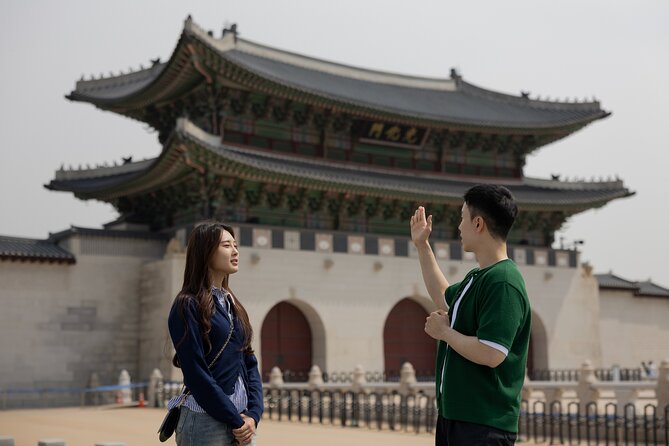
The guide, June, is the reason this doesn’t turn into a dry history talk. He explains with a clear structure, and the information sticks because it’s tied directly to what you’re seeing outside your window. You’ll also notice he’s comfortable with questions, so if something feels political or sensitive, you can ask and get a grounded explanation instead of leaving with confusion.
What I like most about this style is that it treats big themes as human themes. Rather than tossing dates at you, June connects history to patterns in today’s society. That’s how you start understanding why people might value certain social norms, why coffee culture feels like more than a trend, and why a concept like age hierarchy shows up in everyday interactions.
And yes, there’s a bit of humor along the way. It keeps the tone relaxed without turning the topics silly. For a 2-hour format, that balance matters.
Stop-by-stop: from Gwanghwamun Square to the Blue House
This is a walk that stays compact and logical, with a clear sequence of stops. Each one gives you a different lens on Korean society: the Joseon legacy, modern development, and how Koreans think about North Korea and the wider world.
Gwanghwamun Square: Joseon roots and a modern worldview
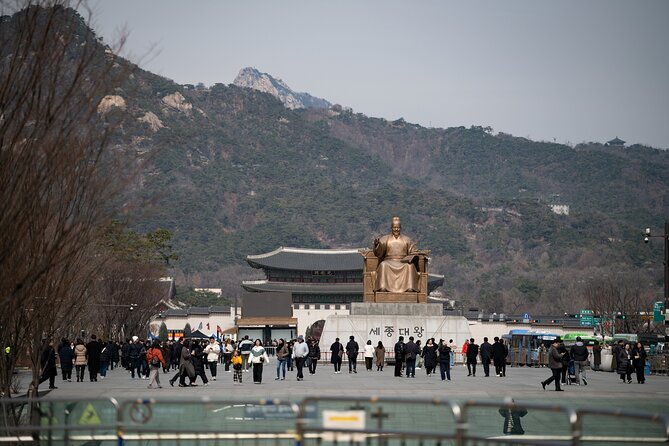
Your first stop is Gwanghwamun Square, described as the city center of Seoul and a main place for Korea for over 600 years. This is where you get a feel for how authority, social order, and public life were shaped in the Joseon kingdom.
June uses the setting to help you understand Korean society’s foundations, especially the Confucian ideas connected to that era. Even if you don’t know the history already, you’ll be able to follow the point: these old principles still echo in how people talk about respect, social roles, and relationships.
If you like history but hate long museum sessions, this start works well. You get context right away and then move on quickly, so you don’t lose momentum.
U.S. Embassy & Consulate area: how international influence shows up
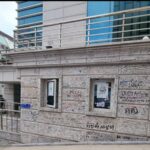
Next you’ll see the U.S. Embassy & Consulate in the Republic of Korea. This stop shifts the lens from internal historical structure to external influence. The focus here is on how the United States has influenced Korea over time, and what Koreans think about that relationship now.
This can be the most eye-opening part of the walk for people who only know international relations from headlines. Instead, you get a guided way to think about attitudes and viewpoints, and you’ll hear how opinions about America fit into a broader picture of national identity.
Practical note: this is a quick stop, so expect explanation more than sightseeing.

Samcheongdong-gil Road: retro streets and modern work culture
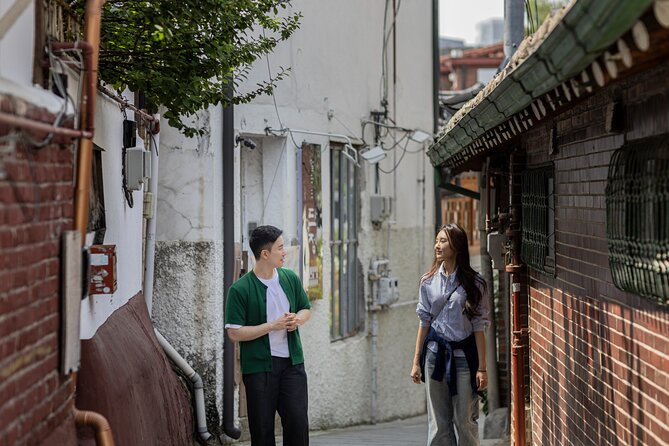
Then you move through Samcheongdong-gil Road, a retro-style street of shops and restaurants. On the surface, it’s a pleasant slice of Seoul you can enjoy on foot. Under the surface, June uses it to talk about modern development and the side effects that come with it.
The street becomes a window into working culture: how neighborhoods evolve, how people spend time, and how everyday habits connect to larger social pressures. This is a helpful stop if you’re wondering whether modern Korea is all speed and convenience, or if there’s room for human-scale rhythms too.
If you’re the type who likes to “read” neighborhoods, you’ll enjoy the way this area is treated like a living case study instead of just a photo stop.
Bukchon Hanok Village: tradition vs development tension
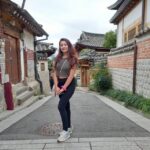
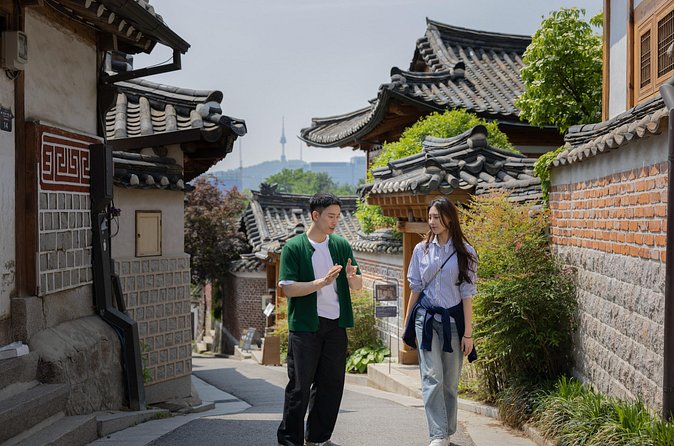
At Bukchon Hanok Village, you’ll be in an area known for traditional hanok homes. June doesn’t just point out the architecture. He explains the tension between development and preservation that surrounds places like this.
This matters because it’s not only about keeping buildings. It’s about how Korea decides what parts of identity should be protected, and what parts are allowed to change. When June ties this to how Korean society values tradition alongside growth, you start to see why heritage can be both cherished and contested.
One consideration: this part can feel more about careful walking and listening than about wandering freely. Since the tour stays on schedule, keep your pace steady and save extra time for your own exploration afterward.
University of North Korean Studies: one place, heavy questions
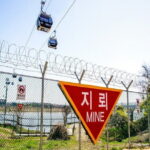
The tour’s most politically specific stop is the University of North Korean Studies, described as the only school specialized in North Korea. Here, the conversation is about the relationship against North Korea and how Koreans think about it.
This is where you get the big-picture answers to questions like: What are people’s opinions about North Korea? And how do those views connect to history and modern society?
June also connects these ideas to broader questions about how Koreans think about Japan and America. The goal isn’t to tell you what to believe. It’s to help you understand the mindset that sits behind many public attitudes and everyday discussions.
This stop can be emotionally intense because the topic is real and still unresolved. But the walk format keeps it grounded, and the explanation style makes it easier to follow.
Finishing at Blue House: the final visual link to power
The experience ends in front of the Blue House (Cheong Wa Dae). Even if you don’t go inside, the point is clear: you end at a place symbolically tied to Korea’s leadership and national identity.
It’s a useful landing spot after learning how history and values shape society. You’re left with a strong visual memory of the political center, and you can connect what you learned to what you see as you continue exploring Seoul.
The themes you’ll carry into the rest of your trip
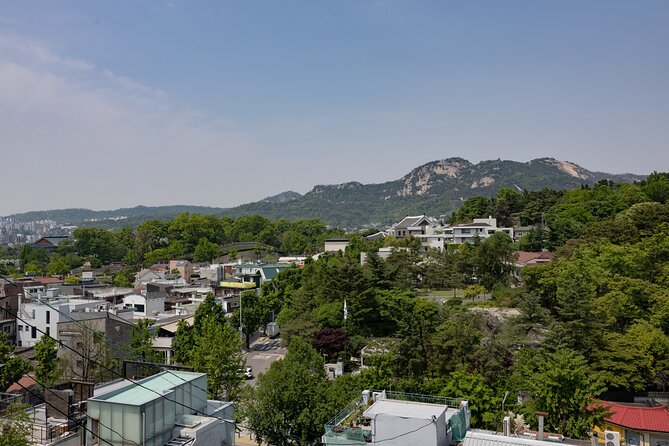
A tour like this works best when it changes how you notice the city afterward. You should leave with a mental framework you can apply while eating, shopping, and people-watching.
Confucian-era social order and today’s age hierarchy
June connects older Korean values to modern behaviors, especially the concept of age hierarchy. You’ll learn how Confucian ideas linked to the Joseon dynasty shape social expectations, like how people show respect and how roles can influence communication.
Once you understand that lens, it becomes easier to read everyday scenes: how people address each other, how seniors may be treated, and why politeness has a structure. This isn’t about judging. It’s about seeing the logic behind the interactions.
Coffee culture as a social pattern, not just a trend
The tour also connects history to modern “thriving” coffee culture. That might sound like a small detail until you hear the explanation. June treats coffee as a window into modern social life—how people meet, relax, and organize daily downtime.
For visitors, this is a practical takeaway. It helps you plan your own breaks in a way that fits local habits, not just tourist instincts. You’ll understand why certain places feel socially important, not merely decorative.
Spa culture and the idea of personal routine
Korean spa culture gets included too, and that’s smart. Baths and saunas aren’t only about comfort; they’re part of daily rhythm and social expectations. When June connects spa culture to broader ideas about health, etiquette, and everyday living, you get a deeper sense of how routines reflect values.
After this, you may feel more confident trying a jjimjilbang or spa experience, because you’ll know it’s part of a bigger cultural pattern, not a random novelty.
Opinions about North Korea, Japan, and America
One of the tour’s major themes is how Korean people think about the world, including opinions about North Korea, Japan, and America. June links these attitudes back to history and to what matters to Koreans today.
This is the big payoff for anyone who keeps asking why conversations feel the way they do in Korea. Instead of treating politics as separate from daily life, you’ll understand how national narratives shape personal viewpoints.
How much it costs, and why it feels like good value
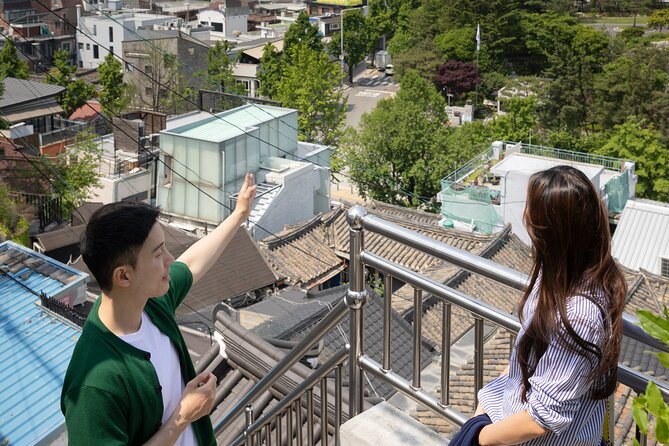
At $14.10 per person, this is priced for short attention spans and tight itineraries. The cost is low enough that you can treat it as an investment in understanding, not as a “special occasion” activity.
It also helps that admission at each stop is free, so you aren’t stacking hidden fees on top of the price. The tour runs about two hours, which means you’re buying a compact experience designed to keep context high and downtime low.
Finally, the group size cap of 20 people supports a more interactive feel. A smaller group often means the guide can keep the pacing smooth and handle questions without the talk turning into a one-way broadcast.
If you prefer paying for quality explanations rather than collecting more photos, this price-to-value ratio makes sense.
Walking logistics: practical comfort tips
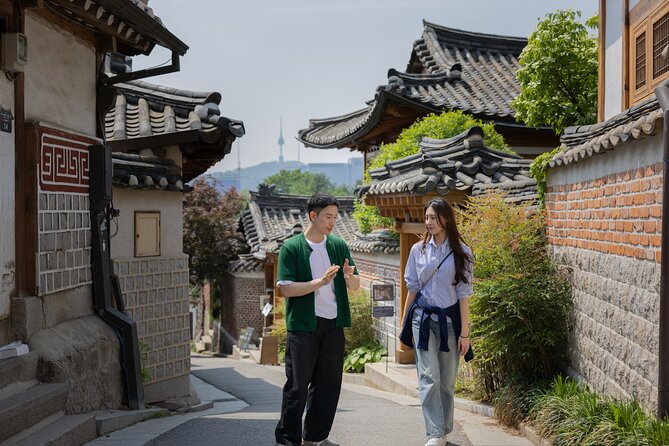
This is an easy walking tour overall. You’ll be near public transportation, and the route is designed to be walkable even within limited time.
That said, there are a few uphill sections, so wear shoes that can handle uneven pavement and short climbs. If you get winded easily, set a slower pace early and you’ll be fine.
The tour starts at 10:30 am at Gwanghwamun Square (172 Sejong-daero, Jongno District) and finishes at the Blue House area (1 Cheongwadae-ro, Jongno District). The meeting point is clear and central, which reduces the stress of coordinating a start.
You’ll also use a mobile ticket, so have your phone ready and don’t wait until the last second to confirm it’s accessible.
Who this tour is best for
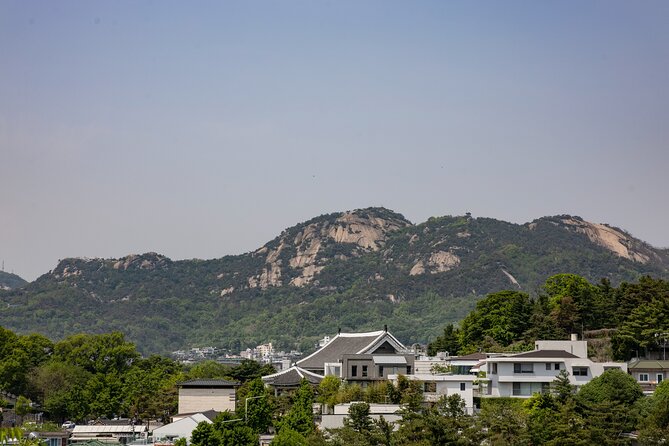
This fits especially well if you:
- Want to understand Korean society in a short amount of time
- Enjoy history and politics when they’re explained in plain language
- Like learning through context, not just landmarks
- Travel solo or as a couple and want a guided framework you can build on
It’s also a good option if you’ve been to Seoul before and want a different way to see it. Instead of “what is this building,” the emphasis is “why does this matter.”
If you only want food and shopping stops with minimal discussion of politics, you might find the themes heavier than expected. But if you’re curious, June’s approach keeps things digestible.
Should you book? A quick decision guide
Book this tour if you want a fast, organized way to understand why Korean culture looks the way it does today. The strongest reasons are the clear explanations, the way June connects history to everyday life, and the fact that everything happens within a short 2-hour walking loop.
Skip it or choose something lighter if you dislike political topics or you’re hoping for a purely scenic, wandering walk with minimal structure. This one is built for meaning, not just movement.
FAQ
How long is the Gwanghwamun tour?
It runs for about 2 hours (120 minutes).
What does the tour cost?
The price is $14.10 per person.
Do I need to pay admission fees at the stops?
No. Each listed stop has admission ticket free.
Where does the tour start and end?
It starts at Gwanghwamun Square (172 Sejong-daero, Jongno District) and ends at Blue House (Cheong Wa Dae) (1 Cheongwadae-ro, Jongno District).
Is it an easy walk?
It’s described as an easy walk with a few uphill sections. It’s generally manageable for most travelers.
How many people are in the group?
The group size is capped at a maximum of 20 travelers.
Do I get a mobile ticket?
Yes, the tour uses a mobile ticket.
What if the weather is bad or I need to cancel?
The experience requires good weather. If it’s canceled due to poor weather, you’ll be offered a different date or a full refund. There is free cancellation up to 24 hours in advance for a full refund. If the minimum number of travelers isn’t met, you’ll also be offered a different date/experience or a full refund.