REVIEW · SEOUL
From Seoul: Cost-Benefit DMZ Shuttle Bus tour
Book on Viator →Operated by Cosmojin Agency · Bookable on Viator
The DMZ hits fast. This Seoul-to-DMZ shuttle tour is a practical way to see the Korean Peninsula’s biggest wartime relics and the world’s best-known peace symbol, with guidance you can hear on the way there. I especially like the comfortable air-conditioned ride and the fact that the information in the bus helps the sites make sense when you reach them. The one real catch: DMZ admission is extra (listed as $10), and your day can stretch up to 10 hours depending on local conditions.
What makes this “cost-benefit” style work is that you’re not trying to coordinate everything solo. I found it’s easiest when you want the key DMZ highlights—plus Imjingak Park—without turning your trip into a logistics project. Guides here include English staff (and on-the-ground support from Han, with Jo pitching in for questions), which makes a big difference when you’re standing in places most people only see in photos.
In This Review
- Key highlights in plain terms
- Why this DMZ shuttle tour feels like good value
- From 92 Sejong-daero: the ride that sets the tone
- Imjingak Park: where the day turns reflective
- The big DMZ sights: what each stop actually helps you understand
- Third Tunnel: the engineering side of fear
- Dora Observatory: seeing how distance becomes power
- DMZ Peace Gondola: transportation as a message
- Dokgae Bridge and the nearby sense of boundary
- Pyeonghwa Nuri Park: peace-focused outdoor space
- Beat 131 Bunker Exhibition Hall: history you can read on your own pace
- How the day runs: 8–10 hours and why timing matters
- Transportation details that actually affect your comfort
- What’s included vs. what you pay later
- Who this DMZ tour suits best
- Should you book this cost-benefit DMZ shuttle?
- FAQ
- How much does the Seoul to DMZ shuttle bus tour cost?
- How long is the tour?
- What is included in the tour price?
- Is lunch included?
- Is DMZ admission included?
- Where does the tour start and end?
- Do I need a passport?
- What group size should I expect?
- What if weather is bad or you need to cancel?
Key highlights in plain terms
- A/C shuttle from Seoul keeps the start of the day sane
- English staff guidance helps you understand what you’re about to see
- Imjingak Park + DMZ sites are covered in one long day
- Third Tunnel, Dora Observatory, Peace Gondola, Dokgae Bridge and more
- Flexible timing up to 10 hours if conditions require it
- Small-group feel, big-bus capacity (maximum 100 travelers)
Why this DMZ shuttle tour feels like good value
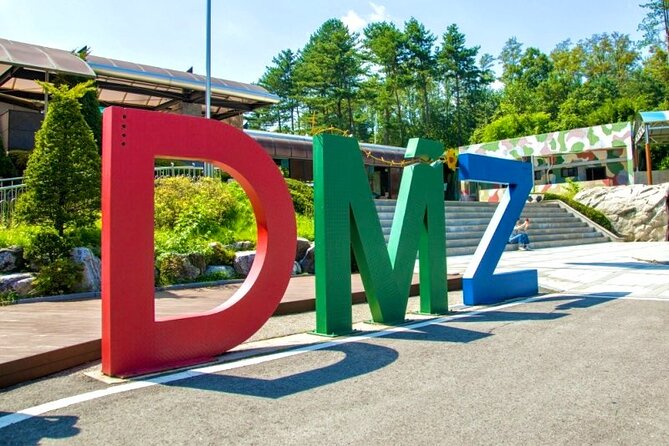
At $31 per person, the main thing you’re paying for is not just transport. You’re paying for a low-stress route out of Seoul and an organized path through the DMZ’s key viewpoints and memorial-style stops. For many people, that’s the real “cost-benefit” win: time saved, fewer decisions, less stress.
The tour also leans into context. The bus includes information about the DMZ, so when you arrive, you’re not just looking at structures—you’re connecting them to the war history and the peace message. That makes the day feel less like a checklist and more like an informed visit.
One caution on value: DMZ admission isn’t included in the base price (it’s noted as an extra $10). So your true total will be closer to $41, and you’ll want to plan for that budget from the start.
You can also read our reviews of more tours and experiences in Seoul.

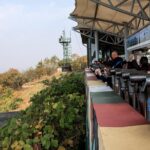
From 92 Sejong-daero: the ride that sets the tone
The day starts at 92 Sejong-daero in Jung District, Seoul. You meet at the designated spot, then everyone transfers directly toward the DMZ. The drive time is listed at about 50 minutes, and that first segment matters because you’re heading out with explanations rather than arriving confused.
This is where Han (the guide name you’ll see in the feedback) really earns his keep. He’s described as kind and very informative, and the general idea is that you’ll hear clear, simple explanations before you’re standing at the stops themselves. Jo is also mentioned as answering questions, which is helpful if you’re the type who likes to ask “how does that work?” or “what was the point of this?”
Practical note: you’ll want your passport with you. Passport is listed as required, and the DMZ is the kind of place where forgetting a document can ruin the day.
Imjingak Park: where the day turns reflective
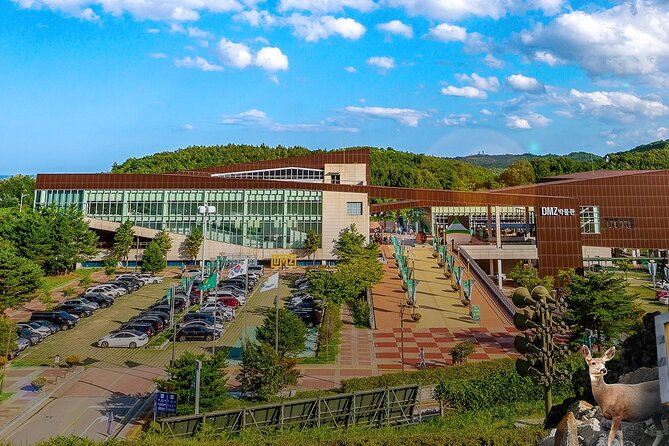
After you cross into the broader DMZ-area experience, Imjingak Park is one of the stops that helps the visit feel human, not just mechanical. It’s positioned as part of the overall DMZ experience, alongside major structures and viewpoints.
I like this kind of pacing: you don’t jump straight from the bus into the most technical sites. Imjingak gives you a chance to slow down and absorb the symbolism before you move on to the “built for conflict” sights like underground tunnels and observation facilities.
Drawback to keep in mind: Imjingak and the DMZ stops are done under the constraints of what’s accessible that day. You’re told the schedule can extend depending on local conditions, so build some patience into your plans.
The big DMZ sights: what each stop actually helps you understand
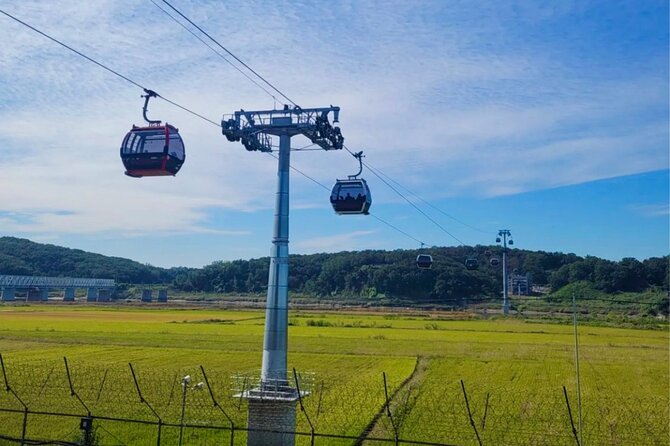
This is the heart of the day: multiple named sites inside the DMZ area, plus a couple of major bridges/parks and an exhibition space. You’re looking at a range of “infrastructure of war” paired with “infrastructure of observation and peace.”
Here’s what you can expect from the major stops listed:
Third Tunnel: the engineering side of fear
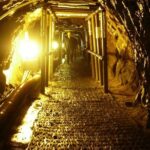
The Third Tunnel is specifically called out as one built for invasion. That detail is the key: you’re not just seeing a tunnel, you’re seeing a concrete example of how the conflict was planned and executed. Even if you don’t love technical history, the tunnel helps you visualize how seriously each side prepared long before today’s headlines.


Dora Observatory: seeing how distance becomes power
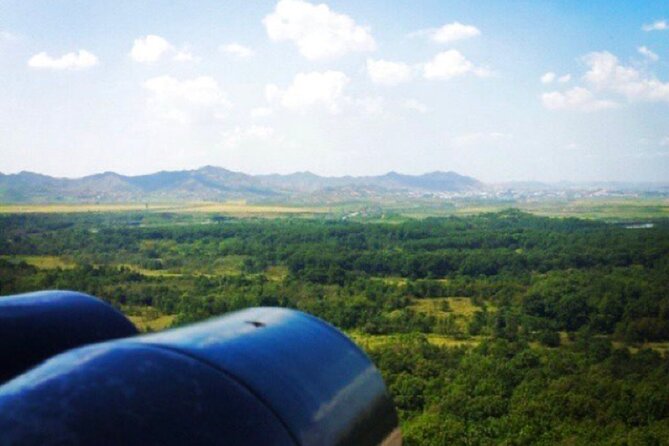
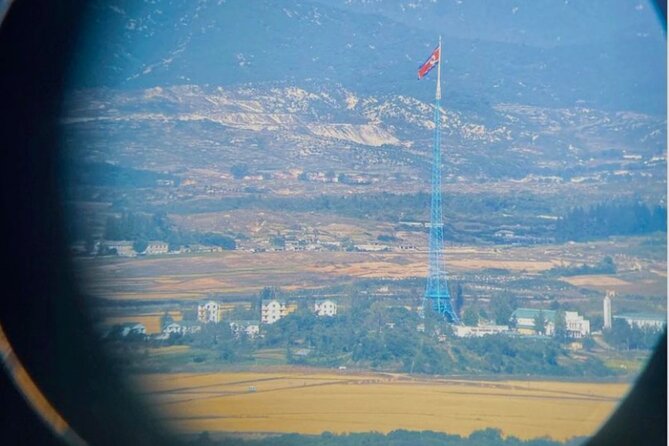
The tour also includes Dora Observatory. An observatory is about perception—what can be seen, what can’t, and what that means politically. It’s a classic DMZ experience because it forces you to think about surveillance, signals, and the tension of watching across a boundary.
DMZ Peace Gondola: transportation as a message
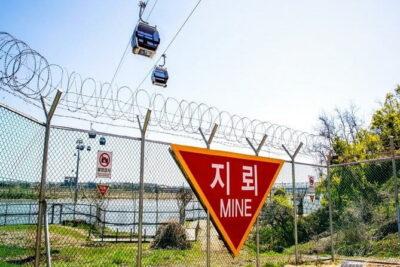
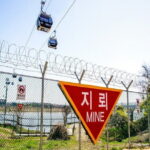
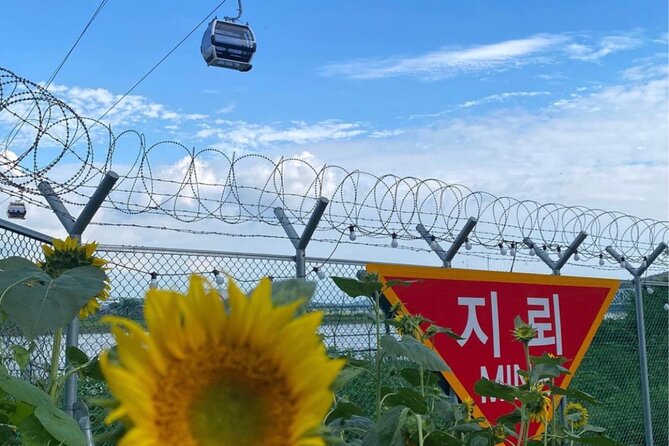
You’ll also find a stop for the DMZ Peace Gondola. Even though it’s a ride-like element, it carries symbolism. The point isn’t thrill-seeking; it’s how the area blends controlled access with a peace-oriented narrative.
If you’re the type who dislikes waiting around, plan for some time here as access and movement can depend on conditions.
Dokgae Bridge and the nearby sense of boundary
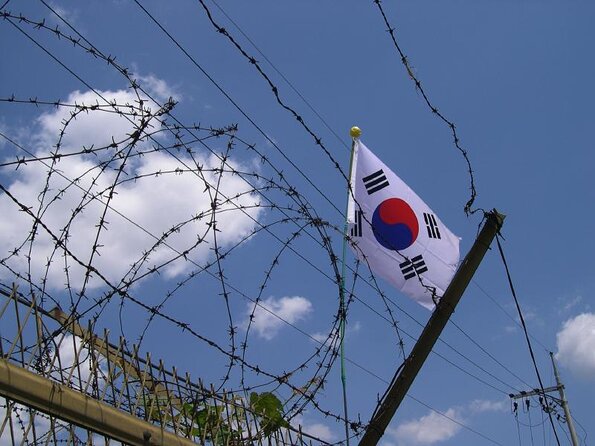
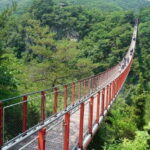
Dokgae Bridge is part of the listed highlights. A bridge is where you feel the idea of connection and separation at the same time. Standing near a boundary crossing-style landmark makes the history feel physical, not abstract.
Pyeonghwa Nuri Park: peace-focused outdoor space
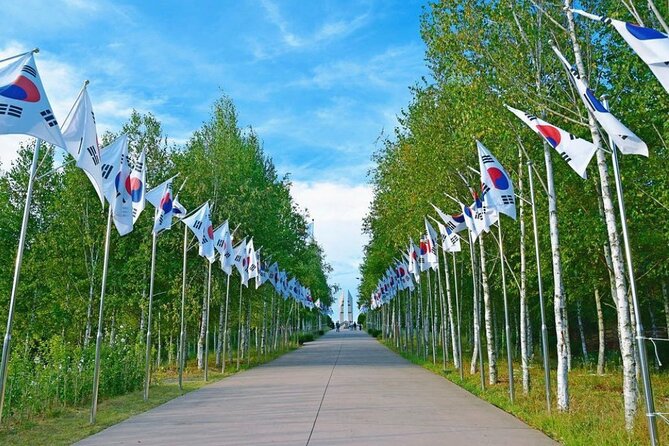
Pyeonghwa Nuri Park is the tour’s outdoor peace-message stop. I like pairing one serious, hard-history structure (like a tunnel) with a park element, because your brain gets time to reset. You get a little breathing space before the final exhibition stop.
Beat 131 Bunker Exhibition Hall: history you can read on your own pace
The itinerary includes Beat 131 Bunker Exhibition Hall. This is usually the kind of stop where audio and signage help, but self-paced reading matters too. The hall format gives you a chance to step away from the group dynamic and explore at your speed—something the tour description explicitly emphasizes.
A small consideration: inside spaces like this, your comfort will depend on conditions that day (crowds, temperature, pace). The tour is built for you to go at your own pace at key points, but you still share time with the group.
How the day runs: 8–10 hours and why timing matters
The tour is listed at 8 to 10 hours total (and it can extend up to 10 hours). That range is important because DMZ access and movement depend on local conditions.
In a practical sense, that means you should treat this as a full-day commitment. Don’t schedule a tight dinner reservation right afterward, and don’t plan “one last thing” in Seoul unless it’s flexible.
Also note the structure of the day:
- A short transfer leg from Seoul (about 50 minutes)
- A longer DMZ portion (listed as about 7 hours for the DMZ segment)
- Back to the meeting point at the end
With that much time, you’ll enjoy the tour more if you’re ready to walk, stand, and wait a bit.
Transportation details that actually affect your comfort
This shuttle experience includes an air-conditioned vehicle, which is not a small detail in Seoul’s seasons. It also helps you stay functional for a long day outdoors inside the DMZ area.
Group size is capped at a maximum of 100 travelers. That number can sound big, but the value is in organization: you won’t be stuck dealing with hundreds of individuals at once. It’s also why English staff can still give simple instructions and why guides can manage basic flow.
Mobile ticketing is included. That’s convenient: you won’t need to print anything, as long as your phone battery is healthy and you can access the ticket at check-in.
What’s included vs. what you pay later
Included items:
- Air-conditioned vehicle
- English staff for simple instructions
Not included:
- Lunch
- DMZ admission fee (not included; listed as $10 extra)
This is a straightforward setup, which I appreciate. It means you can budget early instead of getting surprised at the DMZ. Just plan lunch yourself. If you’re trying to minimize time lost, eat before you go and consider bringing a snack for the later stretch. The tour description doesn’t list meal stops, so don’t assume you’ll find something convenient during the day.
Who this DMZ tour suits best
This works best if:
- You want to see the major DMZ highlights without arranging transport on your own
- You prefer a guided day that still lets you explore some sites at your own pace
- You’re okay with a long day and possible timing changes
- You value English support and clear, simple explanations rather than a highly technical lecture
It may be less ideal if:
- You want a short half-day plan
- You hate waiting in line or moving with a larger group
- You dislike paying extra on arrival (DMZ admission is listed as an additional $10)
Should you book this cost-benefit DMZ shuttle?
If you want a sensible, affordable route from Seoul to the DMZ with real guidance and a clear set of named stops, I’d say this is a solid option. The combination of an A/C shuttle, English staff support, and the focus on major sites like the Third Tunnel and Dora Observatory makes the day feel structured instead of random.
Book it if your priority is value and clarity. Bring your passport, budget for the $10 DMZ admission, and plan for a full day that can run up to 10 hours.
If you tell me what month you’re going and whether you prefer early mornings or slower starts, I can suggest how to plan the rest of your Seoul day around this.
FAQ
How much does the Seoul to DMZ shuttle bus tour cost?
The price is $31.00 per person.
How long is the tour?
The duration is listed as about 8 to 10 hours, and it can extend up to 10 hours depending on local conditions.
What is included in the tour price?
The tour includes an air-conditioned vehicle and English staff for simple instructions.
Is lunch included?
No. Lunch is not included.
Is DMZ admission included?
DMZ admission is not included in the tour price. An admission fee of $10 is listed as extra, and you’ll arrange it with your guide.
Where does the tour start and end?
It starts at 92 Sejong-daero, Jung District, Seoul, South Korea, and ends back at the same meeting point.
Do I need a passport?
Yes. A passport is needed.
What group size should I expect?
The tour has a maximum of 100 travelers.
What if weather is bad or you need to cancel?
The experience requires good weather. If it’s canceled due to poor weather, you’ll be offered a different date or a full refund. Cancellation is free up to 24 hours in advance for a full refund.